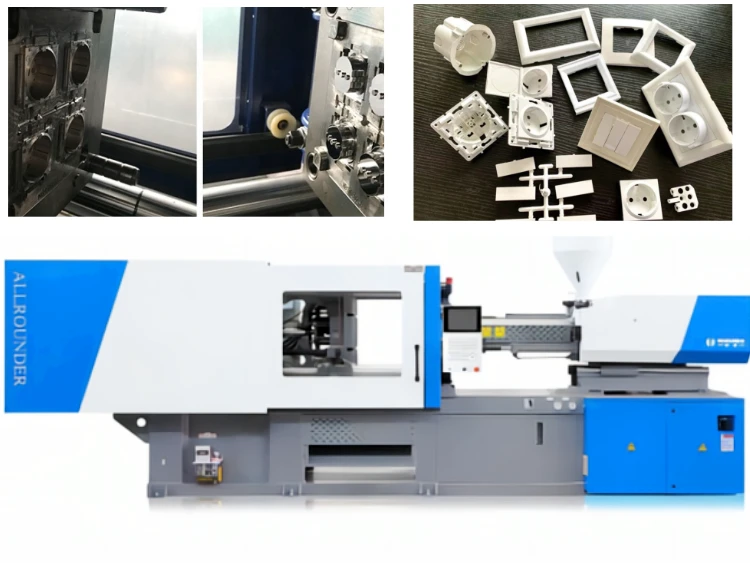
Electrical switches and sockets are important plastic products used in homes, offices, and industrial buildings.
Most switch panels, socket frames, and electrical covers are produced by injection molding because this process provides high accuracy, stable quality, and high production efficiency.
However, choosing the right injection molding machine for electrical switch and socket production is not always easy. Different plastic materials, product sizes, mold structures, and output requirements directly affect machine selection.
This guide explains the key factors manufacturers should check before buying an injection molding machine for electrical plastic parts.
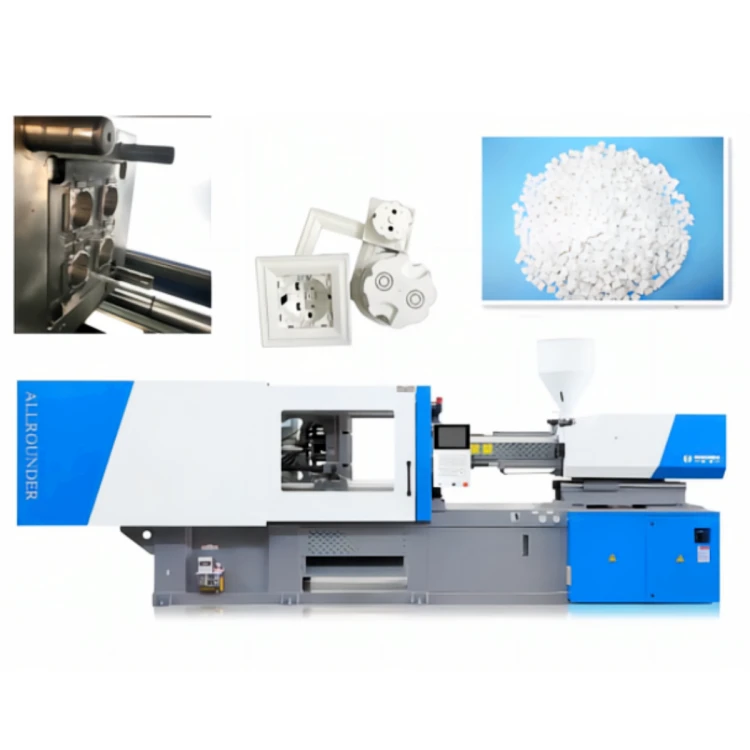
Understand Electrical Switch and Socket Materials First
Before selecting an injection molding machine, manufacturers need to confirm the plastic material used for their products.
Common materials for electrical switch and socket parts include:
PC (Polycarbonate)
PC is widely used for switch panels and transparent or high-strength electrical parts. It provides excellent impact resistance and good heat resistance.
However, PC requires stable melting temperature control and enough injection pressure. An unsuitable machine may cause short shots, stress marks, or poor surface quality.
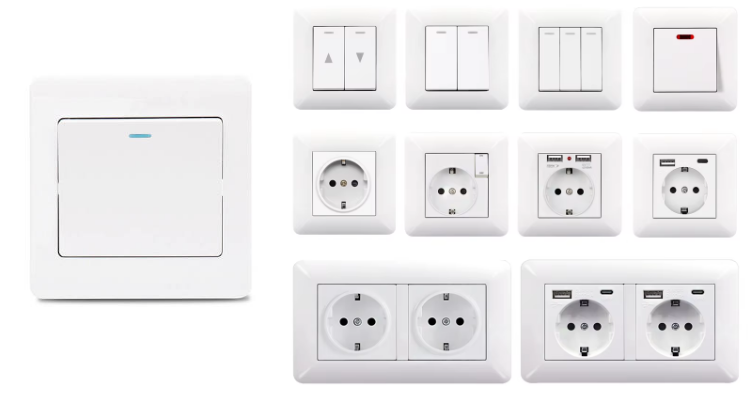
ABS
ABS is another common material for socket frames and electrical covers. It has good processing performance and a smooth surface finish.
Compared with PC, ABS is easier to mold, but manufacturers still need proper screw design and temperature control to achieve stable production.
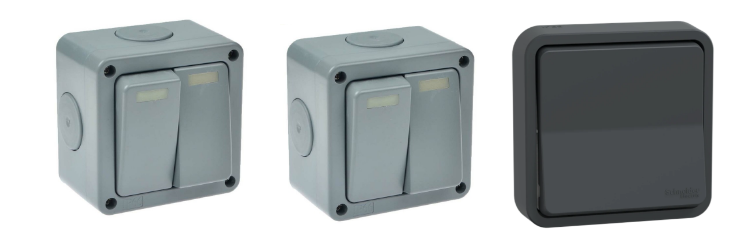
PC+ABS
Many electrical products use PC+ABS materials because they combine strength, heat resistance, and good appearance.
For this reason, the injection molding machine should provide accurate pressure control and stable plasticizing performance.
Choose the Right Mold Design for Switch Socket Production
The mold design directly affects production output and product quality.
For electrical plastic parts, manufacturers usually consider:
Cavity Number
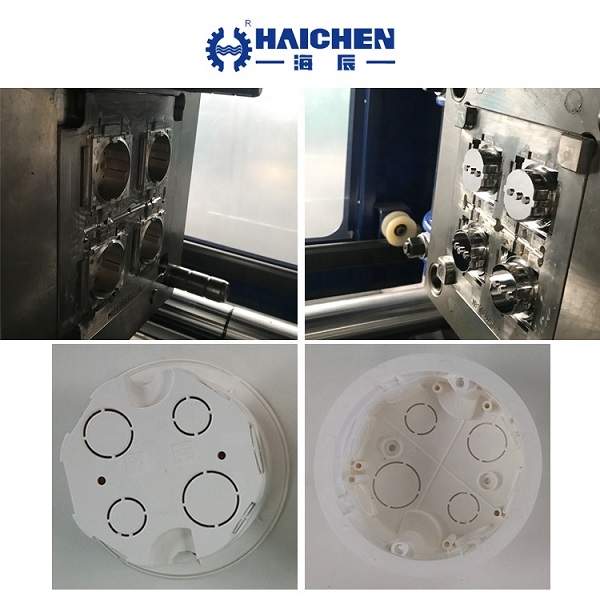
Small production lines may use 1 or 2 cavity molds.
For large-scale production, 4, 8, or more cavity molds can reduce labor costs and increase output.
Mold Material
High-quality mold steel improves mold life and production stability.
For example, H13 steel is commonly used for molds requiring long service life.
Cooling System
A good cooling design reduces cycle time and improves product consistency.
A poor cooling system may cause deformation, shrinkage, or uneven surface quality.
Define Output and Mold Layout
| Product Name | Size | Material | |
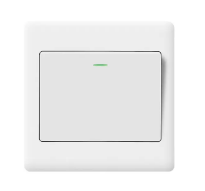 |
Standard 86 type single-pole single-control wall switch | 86mm × 86mm | PC |
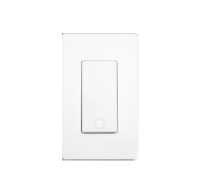 |
single-control Wall switch | 86mm × 86mm × 35mm | PC |
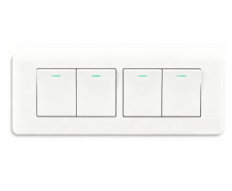 |
Four-pole single-control wall-mounted switch | 195mm × 72mm | PC |
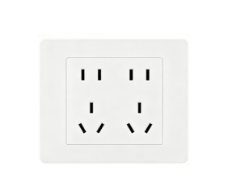 |
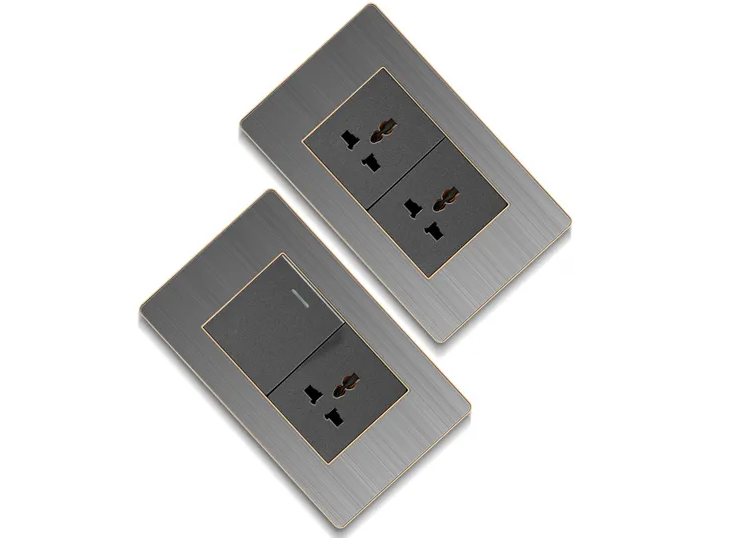
Two-pole five-hole socket | 118mm × 74mm | PC |
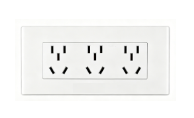 |
Nine-hole socket | 154mmX172mm | ABS |
| Product | Material | Machine Size |
|---|---|---|
| 86 switch panel | PC | 120-160T |
| socket frame | ABS | 160-200T |
| large electrical cover | PC/ABS | 200-300T |
| PICTURE | NAME | CAVITY | MATERIAL | Mould MATERIAL | LIFE TIME GUARANTEE |
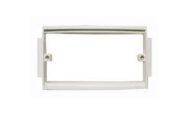 |
Double socket frame | 2cavity | PC | core material:H13 | 1,000,000cycles |
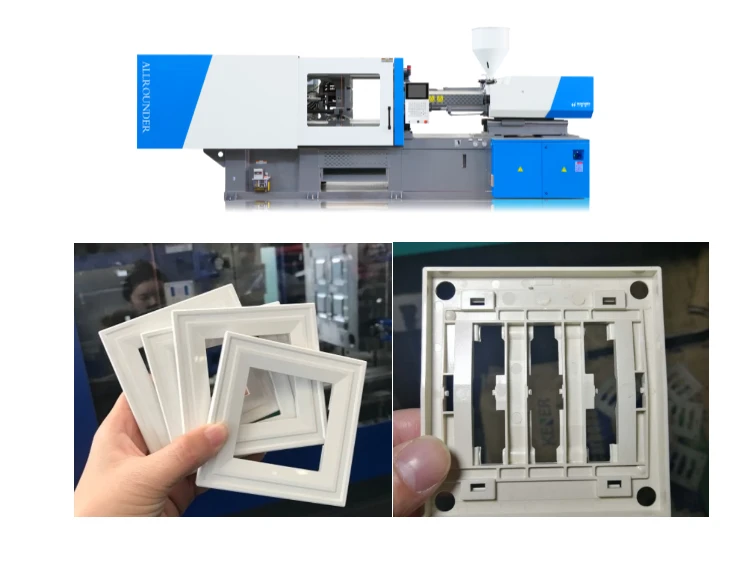
Servo Injection Molding Machine for Energy Saving Production
For factories producing electrical switches and sockets continuously, servo injection molding machines are usually a better choice.
Compared with traditional hydraulic machines, servo systems provide:
- Lower energy consumption
- More accurate pressure control
- Stable production performance
- Lower operating cost
Because electrical products often require consistent appearance and precise dimensions, stable machine performance is very important.
Automation Solutions for High Volume Production
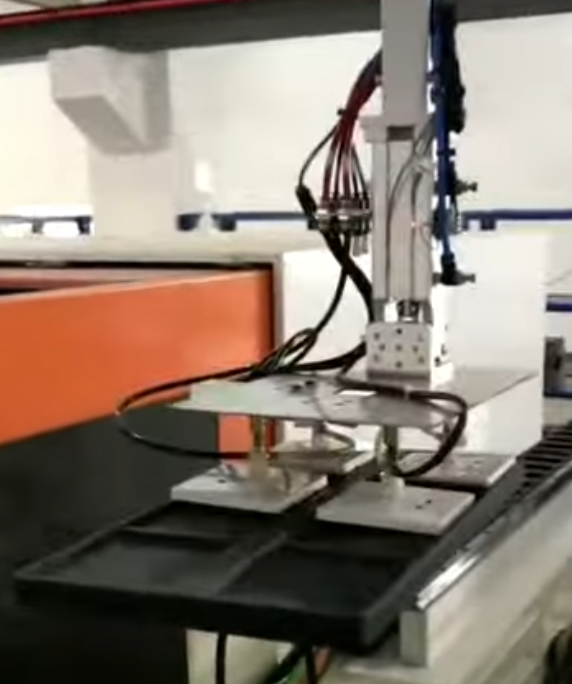
Modern electrical plastic part production often uses automation equipment to improve efficiency.
Common auxiliary equipment includes:
- Automatic robot arms
- Mold temperature controllers
- Dryers
- Auto loaders
- Conveyor systems
Automation reduces manual operation and improves production safety.
A reliable injection molding machine should provide enough communication ports and control functions for future production upgrades.
How to Choose a Reliable Injection Molding Machine Manufacturer
Selecting the machine supplier is as important as selecting the machine model.
A professional injection molding machine manufacturer should provide:
Technical Support
The supplier should help customers choose suitable machine specifications based on product information, material, and mold design.
Mold Testing Service
Before mass production, mold testing helps confirm product quality and optimize machine parameters.
Spare Parts Supply
Fast spare parts support reduces production downtime.
After-Sales Training
Operators need proper training for machine operation, parameter adjustment, and daily maintenance.