Plastic cap molding machine buyers often focus only on the purchase price. That is a costly mistake. The real expense comes from three hidden bills that are never listed on the quotation. Read this guide before you sign any contract. It will save you money and frustration.
This guide covers three hidden costs of plastic cap molding machines — reliability, reject rates, and energy consumption — with practical questions every buyer should ask before purchasing.
Why Plastic Cap Molding Machine Purchase Price Is Only the Beginning
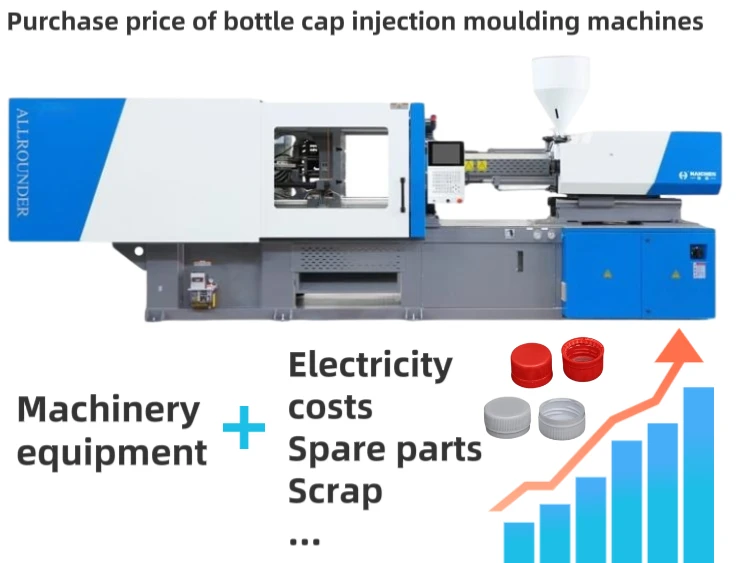
The quotation shows one number. The total cost of ownership shows another. Your plastic cap molding machine runs for years. It consumes electricity every hour, needs maintenance, and produces scrap when something goes wrong.
A plastic bottle cap making machine that saves you $50,000 upfront can cost you $100,000 extra over its lifetime. The hidden expenses pile up slowly. Each month the electricity bill arrives, each quarter you order spare parts, and each year you calculate your reject rate. These numbers tell the real story.
Let us break down the three biggest hidden costs. Every plastic cap manufacturer faces them. But few prepare for them.
Hidden Cost 1: 24/7 Reliability of Your Plastic Cap Molding Machine
Can your plastic cap molding machine run three shifts without breaking down? Many machines are designed for light use. They work fine in a showroom. They fail on a factory floor.
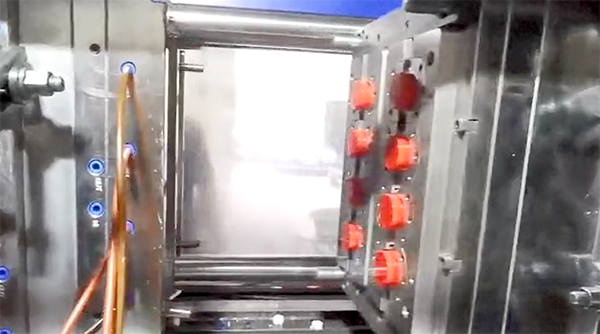
A plastic cap molding machine for continuous production needs thicker steel and stronger components. It must handle the stress of non-stop operation. Machines built to a lower price often cut corners here. The frame flexes. The moving parts wear faster. After one year, the plastic screw caps it produces start showing inconsistencies.
How Continuous Operation Affects Your Business
Your factory runs 24 hours. Your plastic cap molding machine should do the same. If it cannot, you lose production time. Every hour of downtime costs money. Lost orders are gone forever. Customers do not wait for your machine to be repaired.
A quality plastic bottle cap making machine maintains its accuracy over years. The plastic water bottle caps it produces today will match those produced three years from now. This consistency is vital for plastic cap manufacturers who supply major beverage brands.
Ask Suppliers for Real Customer References
Do not trust brochures. Ask for proof. Request a list of customers using their plastic cap molding machine on three shifts for three years or more. Call those customers. Visit their factories if possible.
A supplier who hesitates or offers excuses is hiding something. A confident supplier will open their customer list.
Hidden Cost 2: Reject Rate for Plastic Cap Molding Machine Output
What percentage of your plastic caps will be rejected? This question matters enormously. Every rejected plastic cap is wasted material, wasted energy, and wasted time. For a plastic cap molding machine producing 500,000 plastic caps daily, a 2% reject rate means 10,000 scrap plastic caps every day. That is 3.65 million plastic caps per year.
Roundness Problems in Plastic Screw Caps
Plastic screw caps must be perfectly round. If they become oval, the filling line cannot screw them onto bottles. Whether you manufacture flip caps or plastic jar caps, roundness is essential. A good plastic bottle cap making machine produces consistently round caps. No sorting is needed. No extra labor is required.
A poor plastic cap molding machine produces mixed results. Some plastic water bottle caps are round. Others are slightly oval. You must inspect every batch. You may need an additional sorting machine. Or you simply accept the waste. That waste is money leaving your pocket.
Thread Burrs in Plastic Cap Production
The threads inside plastic screw caps must be clean. Any burr or imperfection will scratch the bottle’s sealing surface during filling. Beverage manufacturers will reject the entire shipment. This is the most expensive failure in the plastic cap industry. One returned container of bottle plastic caps can cost half the price of a new plastic cap molding machine.
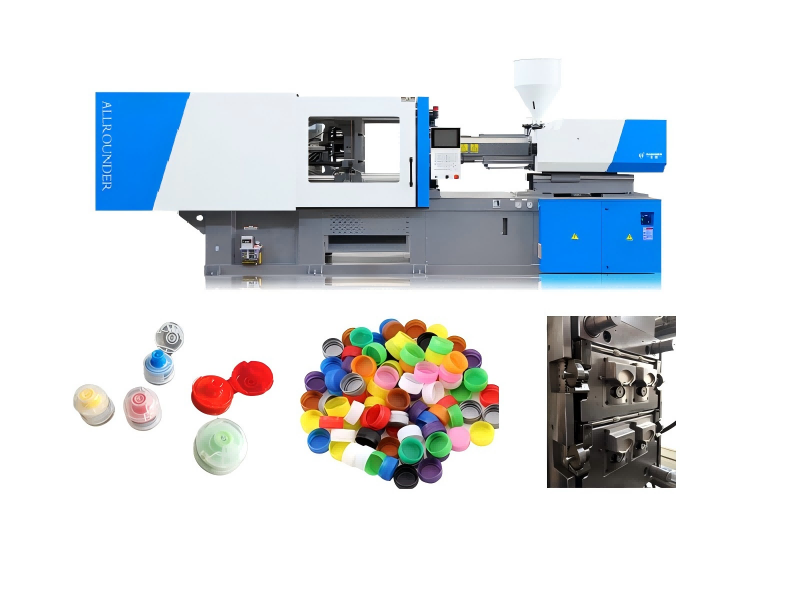
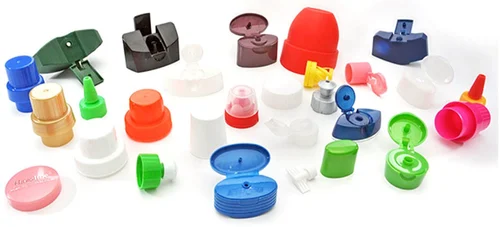
Different plastic caps require different approaches. Flip caps need high-speed precision molding. Honey jar caps need larger shot sizes. Small bottle caps need high-cavity production. A knowledgeable plastic cap manufacturer will match the machine to the specific product.
Get Real Reject Rate Data
Ask the supplier for actual reject rate data from real production. Visit a working factory that uses their plastic cap molding machine. Watch the production line. Count the good plastic caps and the rejected ones. This is more valuable than any specification sheet.
Hidden Cost 3: Energy Consumption of Your Plastic Cap Molding Machine
Electricity powers your plastic cap molding machine every second it runs. Over five years, the energy cost difference between an efficient and an inefficient bottle cap making machine can reach $50,000. That is enough to buy another plastic cap molding machine.
Why Motor Power Ratings Mislead Buyers
Suppliers often list motor power on their quotations. This number is almost meaningless for real-world energy consumption. Two plastic cap molding machines with identical motor ratings can have very different electricity bills. The design of the drive system determines efficiency.
A well-designed plastic bottle cap making machine moves smoothly and precisely. A poorly designed one wastes motion and energy. That waste shows up on your monthly utility bill. Over time, it becomes a major expense for any plastic cap manufacturer.
Request Actual kWh Consumption Data
Do not accept theoretical numbers. Request real production data. Ask how many kilowatt-hours the plastic cap molding machine consumes to produce 10,000 plastic caps. A transparent supplier can provide this information from actual factory operations.
If a supplier cannot answer, they probably do not track it. That is a warning sign. Plastic cap manufacturers who ignore energy costs are leaving money on the table. The best plastic cap molding machine is efficient, reliable, and productive.
4 Questions to Ask Before Buying a Plastic Cap Molding Machine
Before purchasing any plastic cap molding machine, ask these four questions. Write down the answers. Compare suppliers carefully.
| Question | Why It Matters |
|---|---|
| Can your plastic cap molding machine run three shifts continuously? Show me customer references. | If the machine fails during continuous operation, your production stops. Only real-world performance proves reliability. |
| What is your proven reject rate for plastic bottle caps in actual production? | Every rejected plastic cap costs money. A low reject rate protects your profit margins. |
| How many kWh to produce 10,000 plastic caps using your machine? | Energy is a major operating expense. Accurate data is essential for financial planning. |
| Where do you stock spare parts, and how quickly can you respond to breakdowns? | Downtime costs money every hour. Fast response and local parts reduce losses. |
After asking these questions, pay attention to the supplier’s response. Confident suppliers will give specific answers with data and names. Evasive suppliers will promise to send brochures or call you later. The difference is clear.
Matching Your Plastic Cap Molding Machine to Cap Type
Not every plastic cap molding machine fits every cap. Different caps have different requirements. A supplier who understands this can save you from costly mismatches.
Flip Caps
Flip caps are small and lightweight. They require high-speed injection and precise mold temperature control. A machine with too large a shot size will waste material. A machine with slow response will produce inconsistent caps.
Honey Jar Caps
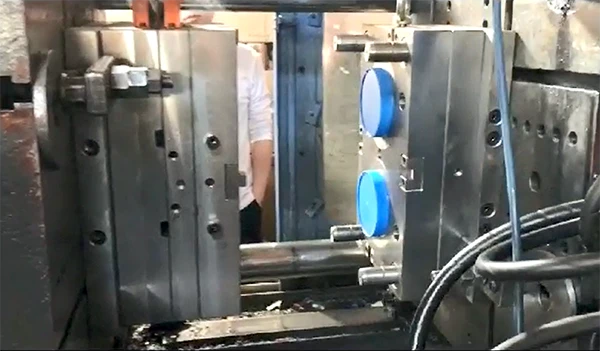
Honey jar caps are larger and heavier. They need greater clamping force and larger shot capacity. A machine designed for small beverage caps will struggle with honey jar caps. Cycle times will be longer. Reject rates will rise.
Oil Bottle Caps
Oil bottle caps have specific sealing requirements. They need stable molding conditions to ensure thread accuracy. Leaking caps mean unhappy customers and returned goods.
Tear-Off Lids
Tear-off lids require precise parting lines. Any flash or imperfection affects the tear function. The right plastic cap machine delivers clean, consistent lids.
Choosing the Right Plastic Cap Molding Machine Supplier
A plastic cap machine is only part of the equation. The supplier behind it matters equally. An experienced partner understands the nuances of different cap types. They know what works and what fails in real production.
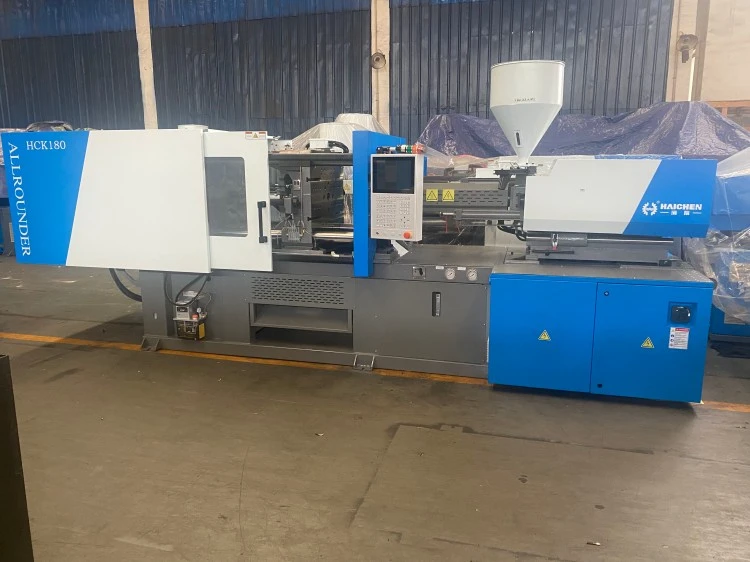
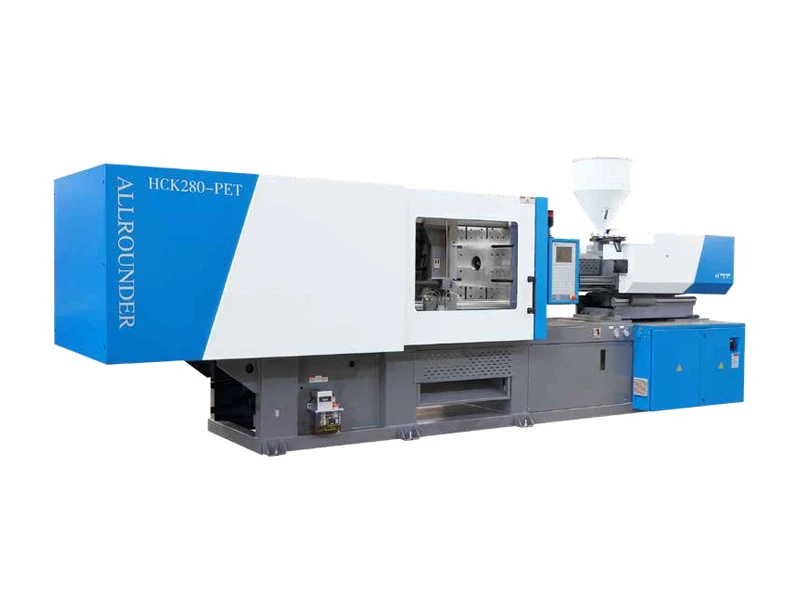
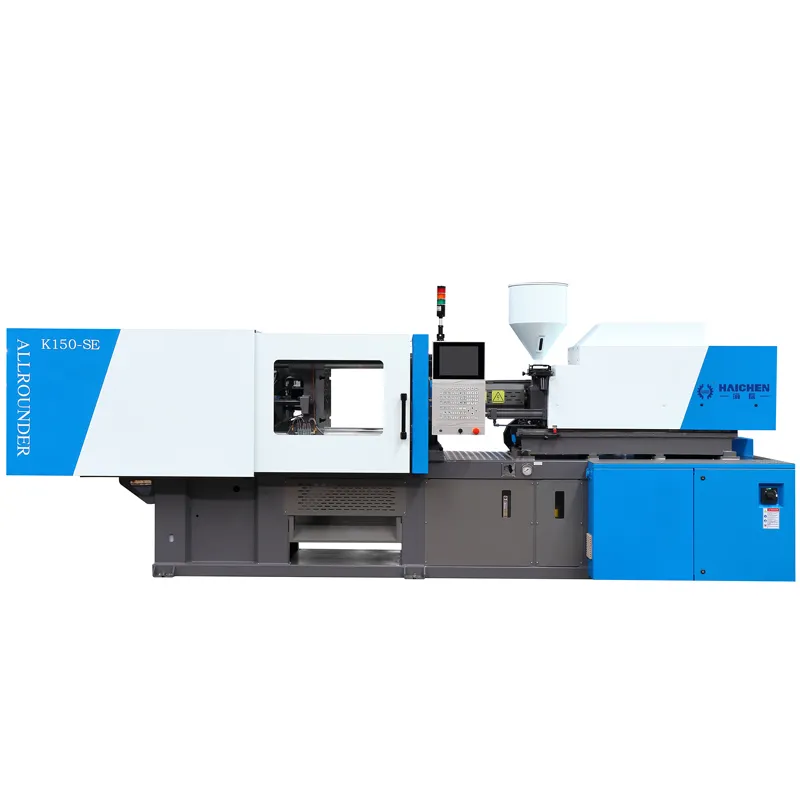
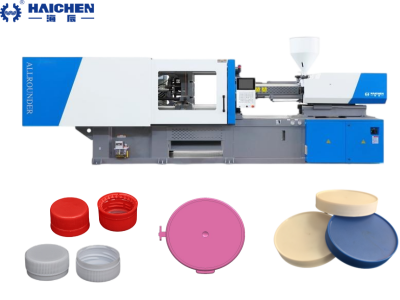
HAICHEN has focused on plastic cap molding machines for over 20 years. The company has built machines for flip caps, honey jar caps, oil bottle caps, and tear-off lids. Plastic bottle cap making machines range from 6 to 48 cavities, with molds reaching 72 cavities. The HCK series includes models from 110 to 300 tons, each matched to specific cap types:
- HCK 110 with 2-cavity mold for honey jar caps (100mm diameter)
- HCK 180 with 48-cavity mold for small bottle caps
- HCK 230 for oil bottle caps with 8-24 cavities
Beyond machines, HAICHEN offers cap design assistance, mold production, mold testing before delivery, injection molding solutions, and after-sales support. This complete approach saves time and money, avoiding trial-and-error phases.
Frequently Asked Questions About Plastic Cap Molding Machines
Q: What materials can a plastic cap molding machine process
A: Most plastic cap molding machines handle HDPE, PP, and PS. These are the common materials for plastic bottle caps and plastic jar caps.
Q: How many cavities should a plastic cap molding machine have
A: It depends on your production volume. Small cap production often uses 48 cavities. Oil bottle caps use 8-24 cavities. Larger jar caps use 4-8 cavities. Discuss your needs with the supplier.
Q: What is the lifespan of a plastic bottle cap making machine
A: With proper maintenance, a quality plastic cap molding machine lasts 10-15 years. Continuous operation requires regular servicing.
Q: How do I reduce reject rates for plastic screw caps
A: Choose a machine with stable clamping and precise temperature control. Work with an experienced supplier who understands your specific cap design.
Q: Is energy consumption important for a plastic cap molding machine
A: Yes. Energy costs are significant over the machine’s lifetime. Choose an efficient model to save money.