
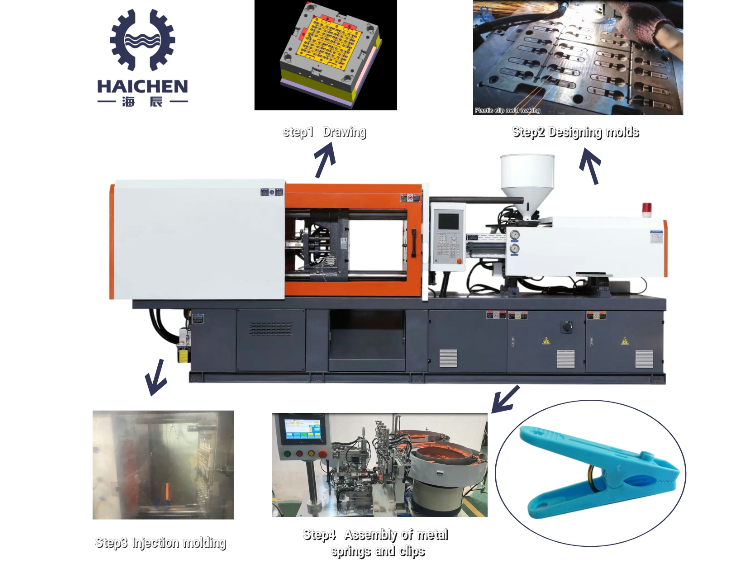
We are Haichen, one Chinese plastic injection molding machine manufacturer. we do not simply sell standard plastic clothespin injection molding making machines for plastic clothes clips. Every machine we make starts with a customer’s specific product requirements. Different clothespins – different materials, sizes, spring-loaded or all-plastic hinge designs, single-color or two-color – these differences determine the machine’s design direction. As a injection molding machine manufacturer, our work begins with the customer’s clothespin sample or drawing and ends with a tailored plastic clothes clip injection molding machine. We can offer production line for producing plastic clothespins .
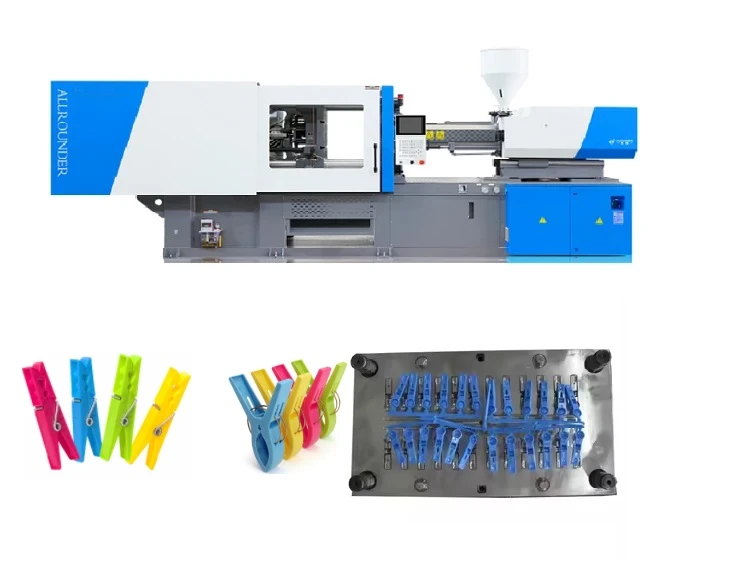
Our design logic is straightforward:
- First, we identify the clothespin’s material, size, and shape.
- Then we calculate the clamping force, screw diameter, and platen size needed.
- Finally, we build the machine. This is not guesswork – it comes from over ten years of hands‑on experience in matching injection molding machines to plastic clothesclips products.
Below we break down our approach into three parts: how we design the machine injection unit based on material? How we design the clamping unit and mold based on clothespin structure? And the technical advantages we offer in customization like what tonnage do you need for a Plastic Clothespin Injection Molding Machine.
-
Designing the Injection Unit: According to Material
-
Designing the Clamping Unit and Molds: Based on Clothespin Structure
-
Our Injection Molding Machine Customization Advantage
Design the Machine Injection Unit According to Differen Plastic Materials
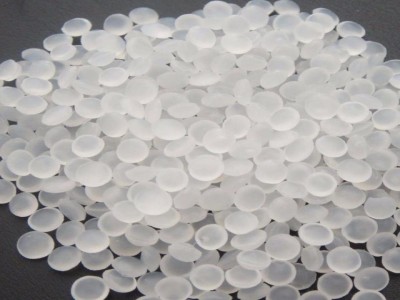
To produce plastic clothespin, firstly you need to select raw materials for producing plastic clothespins .
Every plastic flows differently when melted. The injection unit’s design – screw diameter, length‑to‑diameter ratio, injection pressure, barrel temperature – must follow the material’s behavior.
-
For PP: High Flow, Moderate Pressure
-
For PA (Nylon): Medium-High Pressure
-
For TPE: Low Pressure, Special Temperature Control
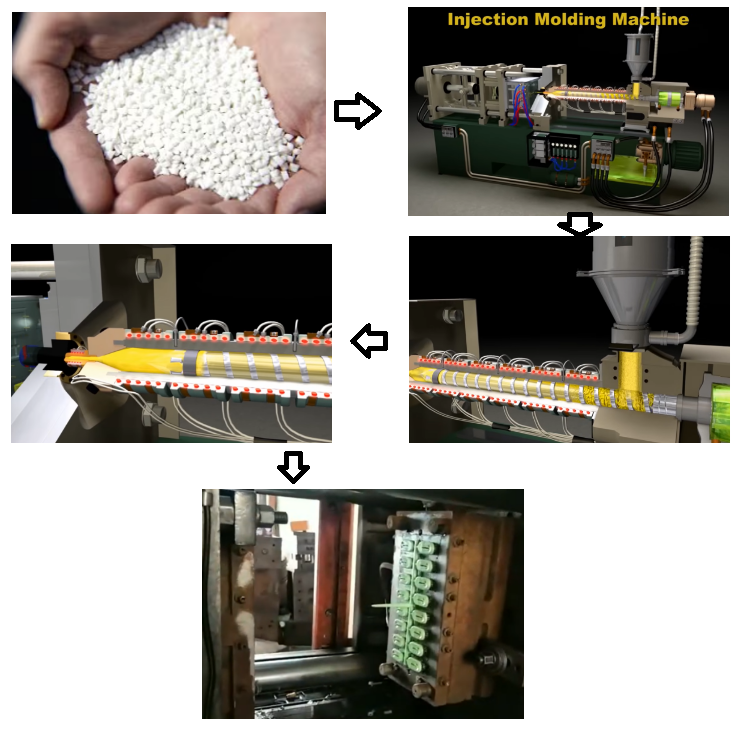
For PP: High Flow, Moderate Pressure, Screw Focused on Conveying
PP flows easily and has a high melt index. It does not need very high injection pressure, but it does need high plasticizing capacity to handle multi‑cavity molds (clothespin molds typically have 10 to 20 cavities). For PP clothespins, we use a screw with shallow flights and a high compression ratio to melt quickly without overheating. For a standard 10‑cavity PP clothespin mold, we usually match it with a HCK120‑140 ton clamping unit and a 36‑40mm screw diameter to deliver enough melt per cycle.
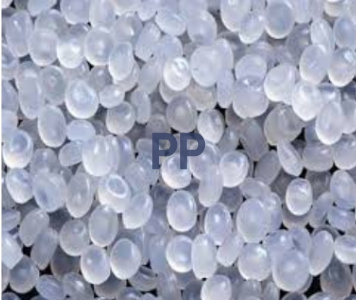
For PA (Nylon): Medium-High Pressure, Screw Needs Stronger Torque
PA is more viscous than PP and requires about 10‑20% higher injection pressure. This means the hydraulic system must provide more force, and the screw material and drive motor must be stronger. For PA (Nylon)machines, we use higher‑torque hydraulic motors and nitride‑treated screws for better wear resistance. For clothespins made of PA, we recommend HCK170‑230 tons, with injection pressure up to 2000 bar to fill complex hinge cavities completely.
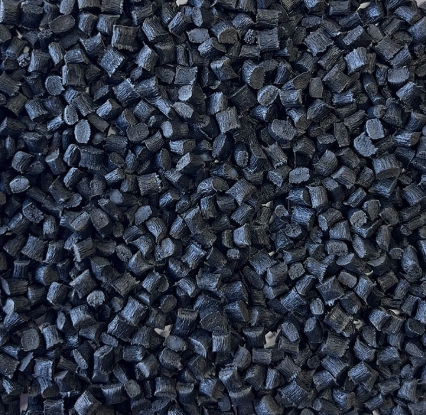
For TPE: Low Pressure, Special Temperature Control
TPE is used for two‑color clothespins with non‑slip grips. TPE has low viscosity and requires lower injection pressure. But it needs careful temperature control to avoid degradation. TPE also requires strict mold temperature management to prevent sticking. For two‑color clothespins combining PP and TPE, we recommend using a rotary‑table injection molding machine or a two‑step over‑molding process. Our machines include dedicated temperature control zones for TPE processing.
Designing the Machine Clamping Unit and Molds Based on Clothespin Structure
The clothespin’s structure determines the mold complexity, which in turn determines the clamping unit’s specifications.
-
Spring-Type Clothespins: Simple Mold
-
All-Plastic Hinge Clothespins: High Precision Required
-
Two-Color Clothespins: Special Machine Configurations
Spring-Type vs. All-Plastic Hinge Clothespins – Precision Requirements
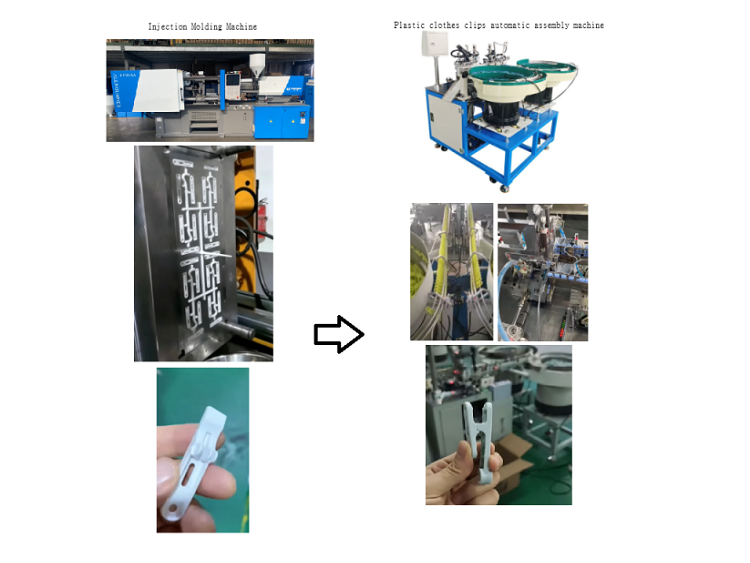
Spring-type clothespins have two separate plastic parts plus a metal spring. The mold is relatively simple, with 10 to 20 cavities for each part. All‑plastic hinge clothespins are molded as one unit. The hinge structure has high requirements for molding accuracy. The mold temperature and cooling speed must be strictly controlled. For all‑plastic clothespins, we recommend using a machine with multi‑stage injection control and precise temperature management.
Case: A European mold maker developed a high‑end all‑plastic clothespin and plastic clothesclips with an integral hinge. The first mold failed because the hinge area had flow marks. We redesigned the gate location and added conformal cooling channels near the hinge. The new design reduced cycle time by 15% and eliminated all flow marks.
Two-Color Clothespins – Rotary Table vs. Over-Molding
Two‑color clothespins combine PP and TPE in one part. There are two production methods:
-
Rotary‑table molding: Uses a two‑color injection molding machine with a rotary table. The mold rotates between two injection units. This method is more efficient but requires higher machine investment.
-
Two‑step over‑molding: First injects the PP part on a standard machine. Then operators place the PP parts into a second mold for TPE injection. This method has lower machine costs but higher labor costs and longer cycle times.
For customers producing two‑color clothespins, we recommend rotary‑table machines for high‑volume production. Our HCK series machines can be configured with rotary tables and dual injection units.
Multi-Cavity Mold Design
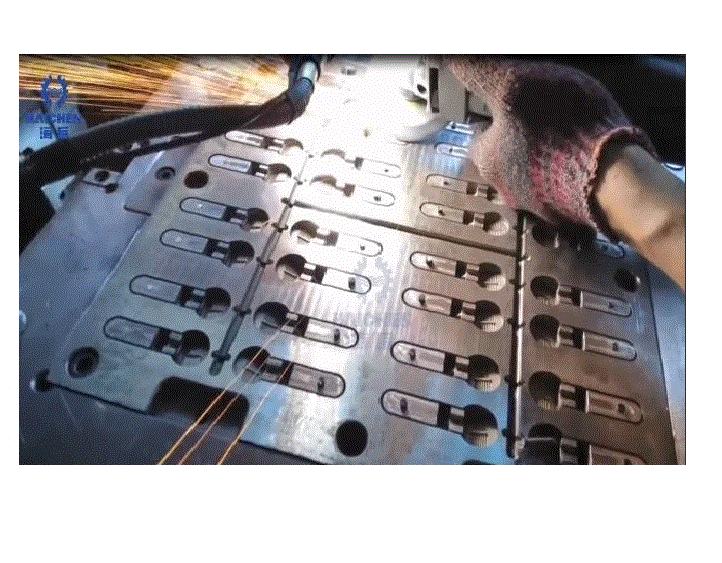
Most clothespin molds use 10 to 20 cavities to maximize output. The cavity layout must balance plastic flow evenly to all cavities. Unbalanced flow leads to inconsistent part quality. Hot runner systems keep the plastic molten as it travels to each cavity, reducing material waste. For high‑volume production, hot runners reduce cycle time by about 20% compared to cold runner systems.
Our Injection Molding Machine Advantages – Not Copying Drawings, But customize to Your Product
Beyond hardware design based on material and structure, we also offer a range of value‑added technologies on our plastic clothes clip injection molding machines.
Our plastic clothespin injection molding machines price from $10,000 to $58,000, that depending on different injection machine tonnage and mold size.
-
Servo Energy Saving
-
High-Precision Control
Servo Energy Saving – Lower Operating Costs
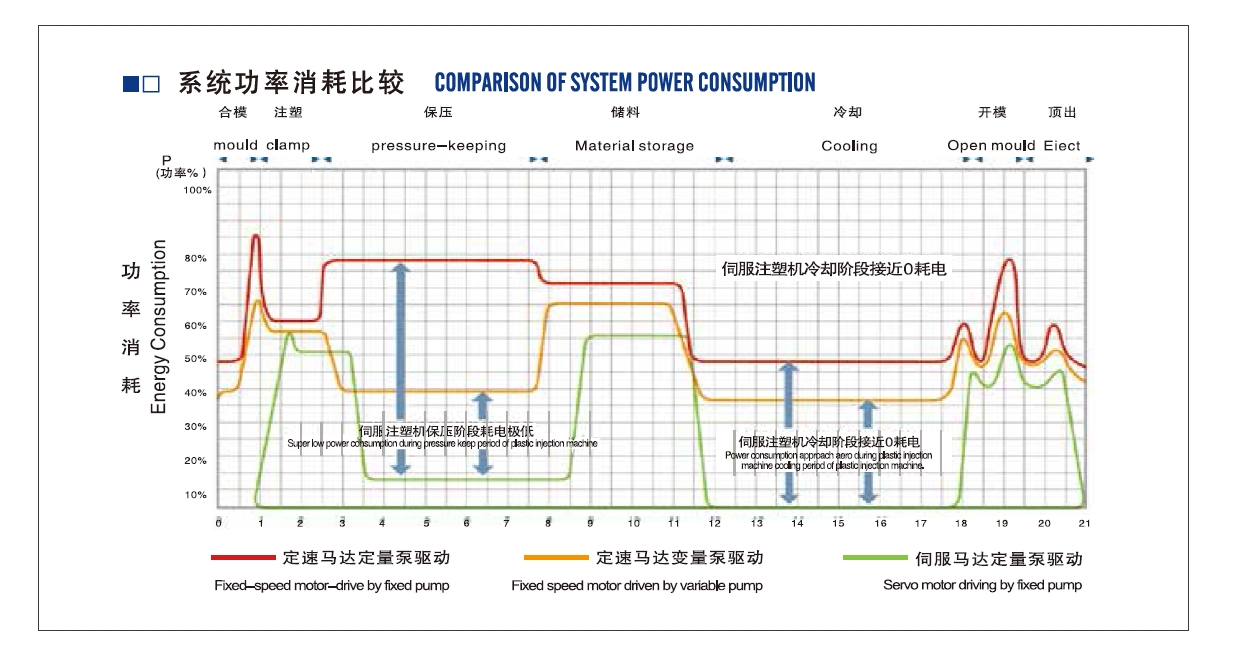
All our HCK series come standard with servo drives. The motor adjusts flow and pressure according to real‑time demand. During cooling and holding phases, the motor nearly stops. This saves 30‑50% energy compared to traditional fixed‑pump machines. For high‑volume clothespin producers, the yearly electricity savings alone can pay for an auxiliary machine.
High-Precision Control – For Hinge and Two-Color Parts
Clothespin hinges need consistent molding quality. Our machines offer multi‑stage injection speed profiles – slow to fast to slow – to fill thin hinge sections without stress marks. The closed‑loop pressure control maintains accuracy within ±1 bar. For two‑color clothespins, we provide precise timing control between the two injection units.
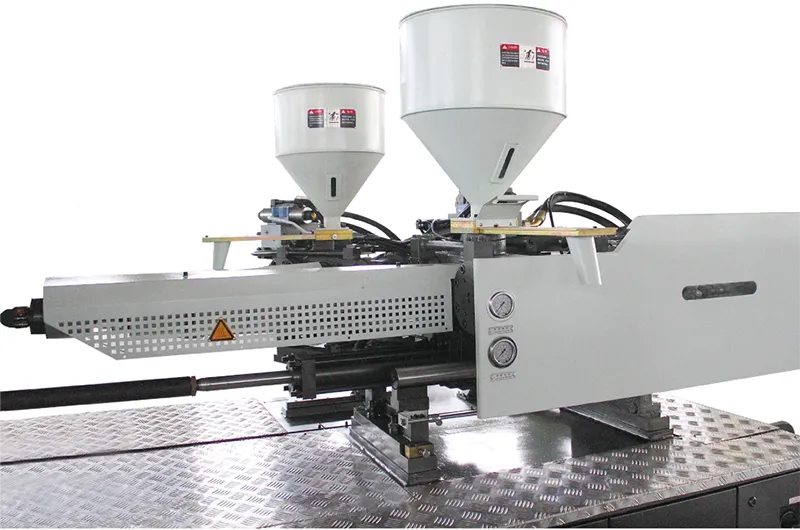
Moreove, as skilled injection molding machine manufacturer, we know how to fix common defects in plastic clothes clip injection molding, and supply the relative service.
Common Questions – Let’s Discuss
Q1: I want to produce all‑plastic hinge clothespins. What tonnage of plastic clothespin injection molding machine do I need?
For a 10‑cavity mold, we recommend HCK170‑230 tons. The key is not just tonnage but also precision control – you need multi‑stage injection and strict temperature management for the hinge area.
Q2: Can I produce both spring‑type and all‑plastic clothespins on the same machine?
Yes, as long as the projected area and shot weight stay within the machine’s limits. We can store multiple process recipes for one‑click switching.
Q3: Do you offer machines for two‑color clothespins?
Yes. We offer rotary‑table machines for high‑volume two‑color production. We also can configure standard machines for two‑step over‑molding processes.
Q4: Do you offer a full service from mold analysis to machine design?
Yes. Our engineers review your mold design, suggest improvements, and then design the machine based on the final mold data. This ensures a successful first trial.
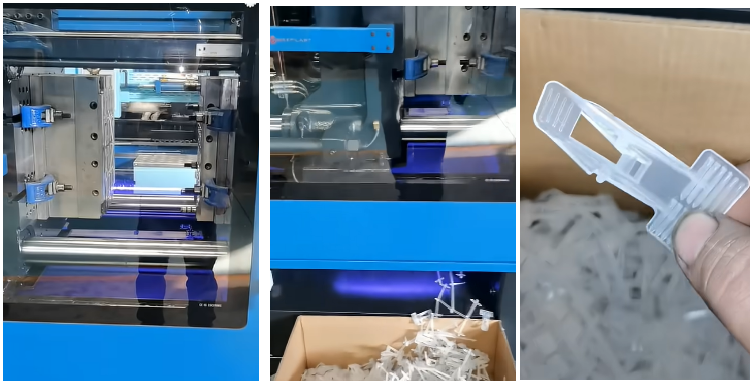
We welcome your comments below. Share your plastic clothespin production experience or tell us your requirements. We are happy to design a machine that fits your product.


