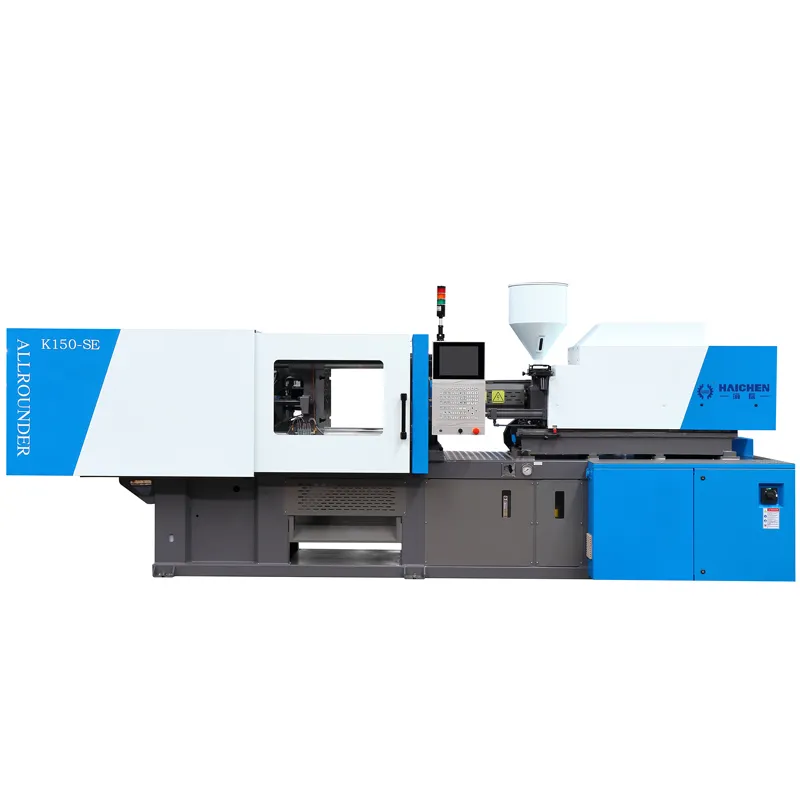
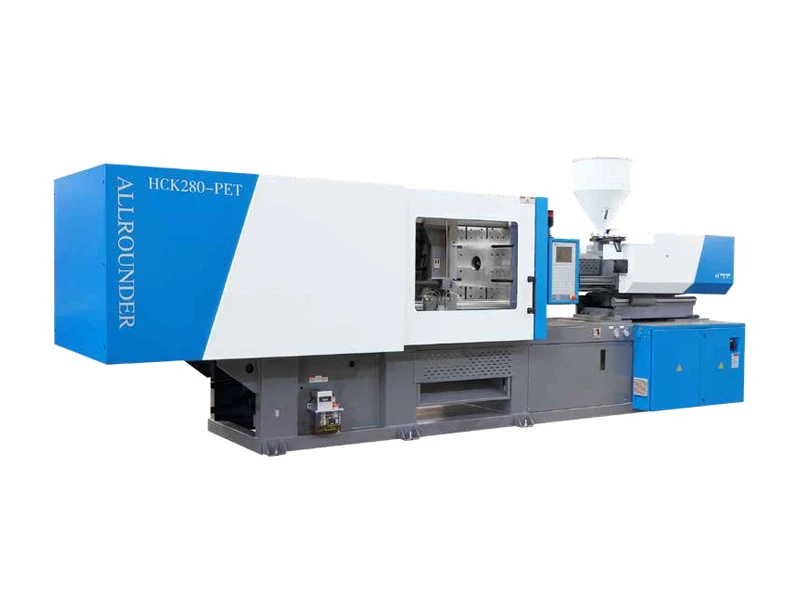
Artificial plants use many molded plastic parts, including leaves, petals, flowers, stems, and decorative parts. These parts often have thin sections, curved shapes, and fine surface details.
Therefore, artificial plant injection molding needs stable filling, cooling, and ejection.
The main challenge is not simply making the plastic part. The part must also keep its shape and appearance after it leaves the mold.
This article explains the key points that manufacturers should consider when making plastic leaves and flowers by injection molding.

What Plastic Parts Are Used in Artificial Plants?
A finished artificial plant can contain several plastic components.
Common injection molded parts include:
- Plastic leaves
- Flower petals
- Flower centers
- Plastic flowers
- Stems
- Branch components
- Small decorative parts
Each part can have different molding requirements.
For example, a thin leaf may need smooth and fast filling, while a thicker flower component may need more cooling time.
So, the molding process should match the actual part rather than use one setting for every product.

Why Are Artificial Plant Parts Difficult to Mold?
Some artificial plant parts look simple, but their shape can make production difficult.
A thin leaf may have a long flow path. The plastic needs to reach the end of the cavity before it cools too much.
Fine lines and raised patterns on the leaf can also affect plastic flow.
As a result, poor process control may cause:
- Short shots
- Flow marks
- Weld lines
- Uneven surface
- Warping
- Differences between cavities
The product design also matters. Large differences in wall thickness can create different cooling and shrinkage rates.
Therefore, product design, mold design, material, and molding conditions should work together.
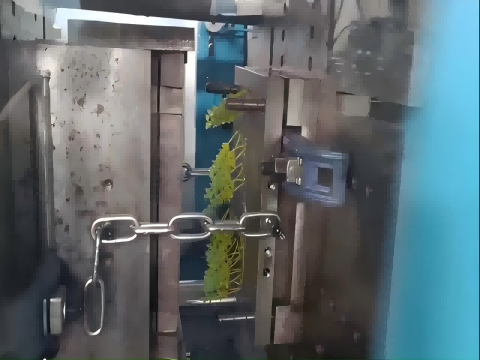
How Are Plastic Leaves and Flowers Made?
The basic molding process has several steps.
1. Material Preparation
The manufacturer selects a suitable thermoplastic according to the required flexibility, strength, appearance, and cost.
The material must also follow the correct preparation and drying requirements when the material calls for drying.
2. Plasticizing
Plastic pellets enter the injection unit. The screw moves, melts, and mixes the material before injection.
Stable plasticizing helps keep the melt condition more consistent from cycle to cycle.
3. Injection and Filling
The machine injects the melt into the mold cavity.
This stage becomes important for thin leaves and petals. The melt needs to reach the full cavity before excessive cooling occurs.
Injection speed should therefore match the product, material, and mold.
4. Holding and Cooling
After the cavity fills, the machine applies holding pressure while the plastic starts to cool.
Cooling then continues until the part reaches a suitable condition for ejection.
If different areas cool at very different rates, the part may shrink unevenly and change shape.
5. Ejection
The mold opens and the ejector system removes the molded part.
Thin leaves and petals need careful ejection because they can deform if the plastic remains too soft or the ejector force is not well distributed.

How Can You Prevent Warping and Other Defects?
Warping usually comes from different shrinkage rates inside the molded part.
When a plastic leaf or flower bends after ejection, check the following first:
- Mold cooling
- Cooling time
- Holding pressure
- Injection speed
- Material temperature
- Ejection condition
Do not simply increase pressure when a product warps.
For example, excessive holding pressure may increase internal stress. On the other hand, insufficient holding pressure may increase shrinkage.
Cooling time also needs a balance. Too little cooling can cause deformation after ejection, while excessive cooling only increases the cycle time.
A good troubleshooting method is to change one main process factor at a time and compare the product before and after the change.
What Should the Injection Molding Machine Provide?
The injection molding machine should provide stable and repeatable control.
For artificial plant parts, important machine functions include:
- Stable injection speed
- Stable injection pressure
- Accurate barrel temperature control
- Consistent holding pressure
- Stable plasticizing
- Repeatable cycle control
These functions help the machine maintain similar molding conditions from one cycle to the next.
However, the machine alone cannot solve every molding problem. The actual result also depends on the product, material, mold, and process settings.
Therefore, machine selection should start with the real production requirements.
Can Automation Improve Artificial Plant Production?
For high-volume production, automation can reduce manual work.
Depending on the product, manufacturers may use automatic systems for:
- Part removal
- Conveying
- Counting
- Sorting
- Material feeding
For delicate leaves and petals, the handling system should avoid excessive force.
Automation also needs to match the molding cycle. If part removal takes too long, it can reduce the actual output of the injection molding machine.
So, the goal is not simply to add more equipment. The goal is to keep the complete production cycle smooth.
What Information Is Needed for a Machine Recommendation?
If you are planning an artificial plant injection molding project, provide the basic product and mold information.
Useful information includes:
- Product drawing or sample
- Product dimensions
- Product weight
- Plastic material
- Number of cavities
- Mold dimensions
- Target cycle time
- Daily production target
- Manual or automatic production
This information helps the machine manufacturer check the required injection capacity, clamping force, mold space, and production conditions.
How Does Haichen Support Artificial Plant Injection Molding?
Haichen approaches each injection molding project according to its actual production requirements.
For artificial plant parts, we can review the product, material, mold, cavity number, cycle time, and production target together.
This is important because a thin plastic leaf and a thicker flower component may need different molding conditions, even when they belong to the same artificial plant.
Based on the project information, we can help match the injection molding machine with the mold and production needs.
FAQ
What artificial plant parts can be made by injection molding?
Injection molding can produce many plastic parts for artificial plants, including leaves, petals, flower centers, stems, branches, and decorative components.
Why do plastic leaves have short shots?
Thin leaves can have long flow paths. If the plastic does not reach the end of the cavity before it cools too much, the part may not fill completely.
Why do artificial plant parts warp after molding?
Uneven cooling, different shrinkage rates, internal stress, unsuitable holding pressure, and early ejection can cause warping.
Can injection molding make detailed artificial leaves?
Yes. The result depends on the product design, mold surface, material, filling conditions, and process control.
Can automation be used for artificial plant production?
Yes. Automatic part removal, conveying, counting, and sorting can reduce manual work when production volume is high.