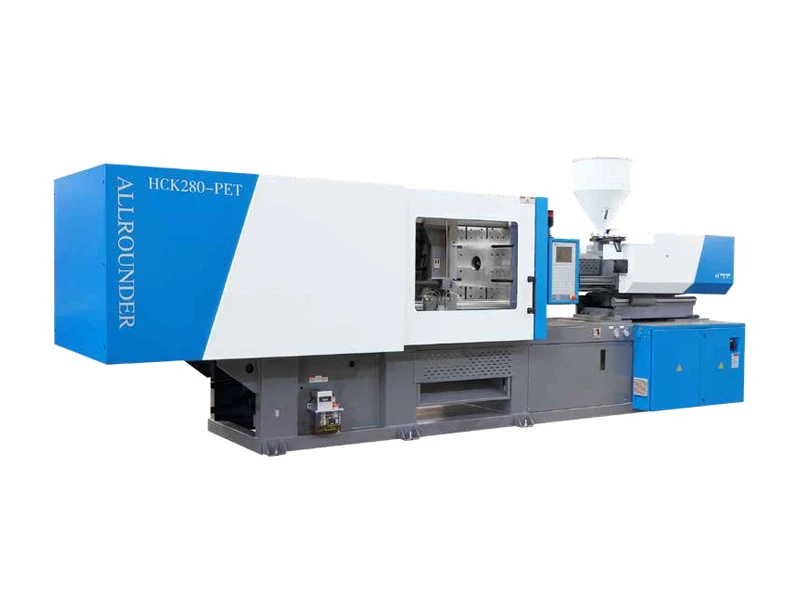
Yes, regular injection molding machines can run PLA materials for many applications. However, PLA needs more careful process control than some common plastics such as PP and ABS.
From an injection molding machine manufacturer’s point of view, you do not always need a special PLA injection molding machine. Instead, you need to match the machine with the PLA grade, mold, part design, and production target.
The key areas include material drying, temperature control, screw design, injection capacity, and mold cooling. If you get these points right, a standard machine can produce stable PLA parts.
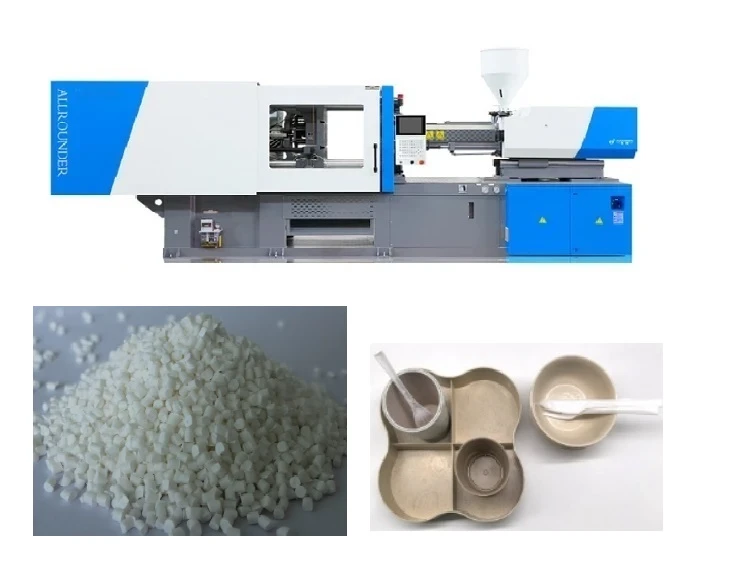
Can Regular Injection Molding Machines Run PLA?
What PLA Is
PLA, or polylactic acid, is a thermoplastic that manufacturers often use in packaging, disposable products, containers, prototypes, and other applications.
PLA comes from renewable resources such as corn starch and sugarcane. It also offers good stiffness and a relatively low processing temperature compared with some engineering plastics.
However, PLA has one important weakness: it reacts strongly to moisture and excessive heat.
Therefore, manufacturers need to control the material condition and processing temperature carefully.
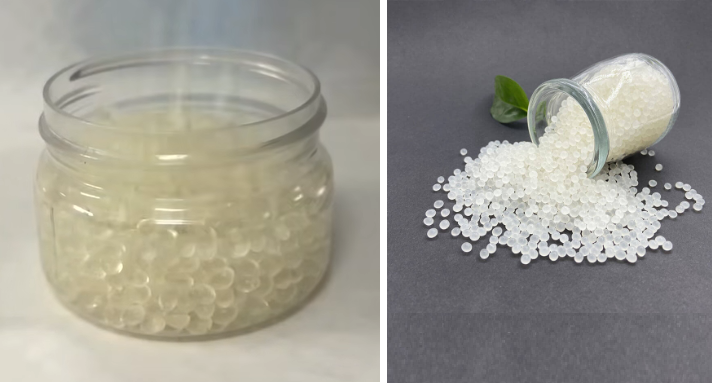
Why PLA Can Be Injection Molded
PLA becomes fluid when it reaches the correct processing temperature. An injection molding machine can then melt the pellets, fill the mold, cool the part, and eject it.
The basic process is straightforward:
PLA pellets → drying → feeding → melting → injection → cooling → ejection
A standard injection molding machine already provides these basic functions.
For example, many machines that normally process PP, ABS, or other thermoplastics can also process PLA after the operator adjusts the processing parameters.
So, the material itself does not automatically require a special machine.
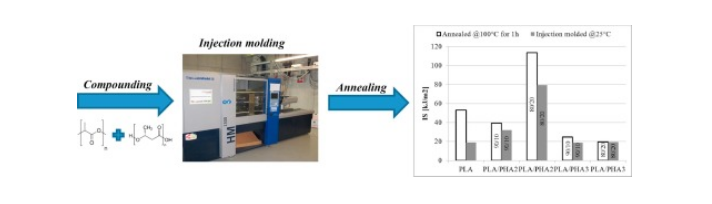
When a Regular Machine Can Run PLA
A regular machine can run PLA when its specifications match the application.
Before selecting the machine, check:
- Required clamping force
- Shot weight
- Screw diameter
- Injection pressure
- Injection speed
- Barrel temperature range
- Mold dimensions
- Required cycle time
In addition, the machine should provide stable temperature control.
For small and medium production, a standard hydraulic or servo injection molding machine can often handle PLA without major changes.
However, high-volume or thin-wall production may require faster injection, higher plasticizing capacity, or a more suitable screw configuration.
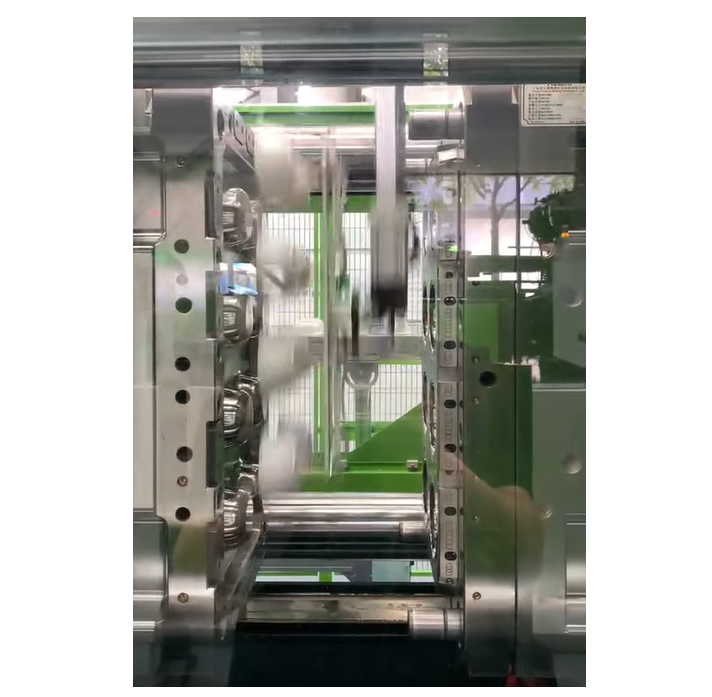
What Does PLA Need From an Injection Molding Machine?
Screw and Barrel
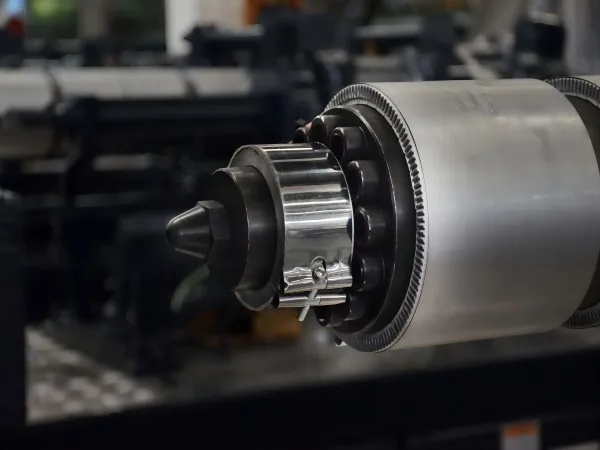
The screw and barrel determine how the machine melts and transports PLA.
For standard PLA applications, a suitable general-purpose screw can often do the job. However, the screw should melt the material evenly without creating unnecessary shear heat.
The screw diameter also affects plasticizing capacity and residence time.
A screw that is too large for the required shot may leave PLA inside the barrel for too long. As a result, the material can experience unnecessary heat exposure.
Therefore, we recommend matching the screw size with the actual shot weight instead of simply choosing a larger screw.
Temperature Control
Stable temperature control is one of the most important machine requirements for PLA.
The machine should control each heating zone accurately so the material reaches a suitable melt condition without excessive heat.
The operator should follow the PLA supplier’s recommended processing range first. Then, the operator can fine-tune the settings according to the material grade and mold.
In short, stable temperature matters more than simply using a high temperature.
Injection Speed and Pressure
The machine needs enough injection speed and pressure to fill the mold within the required time.
This becomes especially important for thin-wall PLA parts. If the melt cools too quickly during filling, the machine may produce short shots or poor surface quality.
On the other hand, excessive injection speed can increase shear heat.
Therefore, the machine should provide enough injection speed while still allowing the operator to control the filling process smoothly.
Mold Cooling
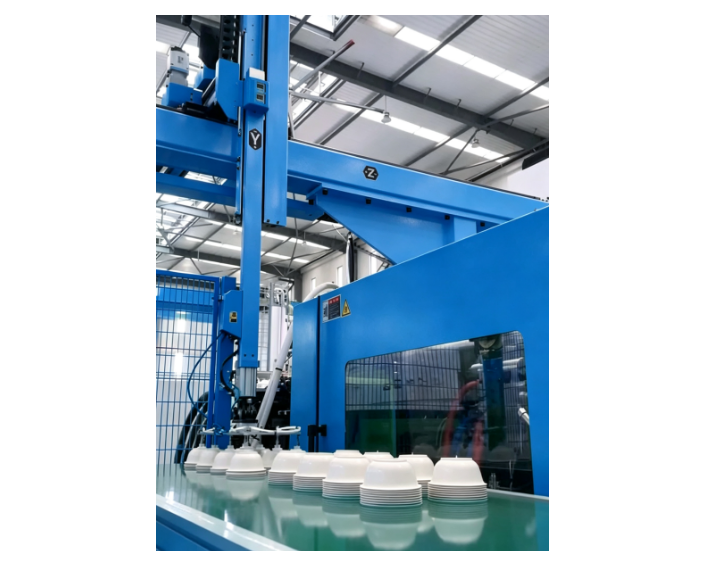
The mold must remove heat from the PLA part before ejection.
Good cooling helps control:
- Part dimensions
- Warping
- Cycle time
- Surface quality
- Ejection performance
However, the cooling system belongs to the complete mold-and-machine setup rather than the injection unit alone.
For this reason, we recommend checking the mold cooling design together with the machine selection.
How to Set Up a Machine for PLA
Dry the PLA Before Processing
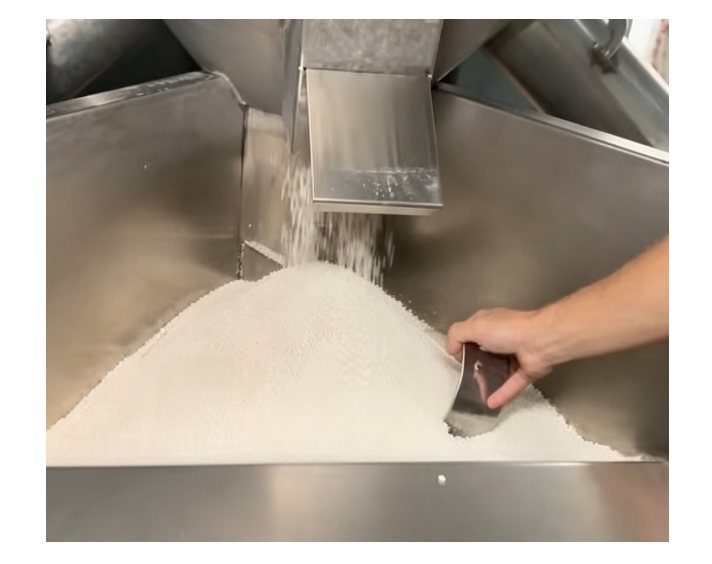
Before the machine starts production, dry the PLA according to the material supplier’s instructions.
This step deserves special attention because PLA can absorb moisture. When wet material enters the barrel, moisture can affect melt quality and part strength.
Depending on the material grade, the required drying temperature and time can differ. Therefore, always follow the supplier’s technical data instead of using one drying setting for every PLA grade.
Keep the dried material away from humid air until it enters the machine.
Set Screw Speed and Back Pressure
Start with a moderate screw speed and back pressure.
The screw needs enough speed to plasticize the required shot within the cycle.
At the same time, excessive screw speed can create additional shear heat.
Back pressure affects melt mixing and plasticizing consistency as well.
If you use too much back pressure, the machine may generate unnecessary heat. If you use too little, the melt may not mix as consistently as required.
So, the goal is simple: use the lowest settings that still provide stable melt quality and plasticizing performance.
Set Injection and Cooling Parameters
Next, adjust the injection speed according to the mold filling requirements.
Thin-wall parts may need faster injection, while thicker parts may allow a slower filling speed.
After filling, set holding pressure and holding time according to the part weight, dimensions, and mold design.
Then, adjust cooling time until the part can eject without deformation.
Do not simply reduce cooling time to chase a shorter cycle. If the part leaves the mold too hot, warping can increase and dimensional stability can suffer.
Common PLA Injection Molding Problems
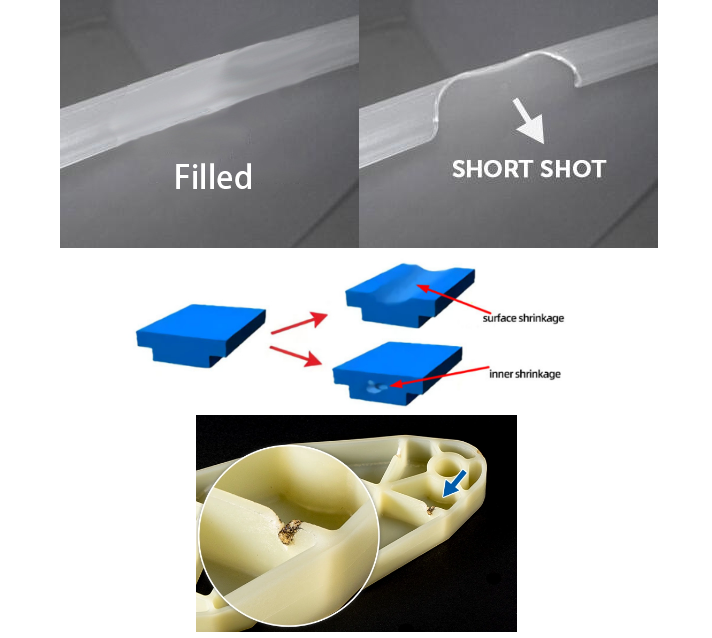
Poor Filling and Short Shots
A short shot occurs when the molten PLA does not completely fill the mold cavity.
If this happens, check the production process in a logical order:
- Check whether the PLA has dried correctly.
- Check the melt temperature.
- Check injection speed and pressure.
- Check the mold gate and runner.
- Check whether the machine provides enough injection capacity.
This approach helps you find the real cause instead of changing several settings at once.
Warping and Shrinkage
Warping usually comes from uneven cooling or an unsuitable combination of mold and process conditions.
For example, a large flat PLA part can deform when one area cools faster than another.
Therefore, check the cooling channel layout, mold temperature, holding pressure, cooling time, and wall thickness.
A balanced cooling system can make a noticeable difference in dimensional stability.
Burn Marks and Material Degradation
Dark spots, black specks, discoloration, or an unusual burnt smell can indicate material degradation.
At this point, check the main causes:
- Excessive barrel temperature
- Excessive screw speed
- Excessive back pressure
- Long residence time
- Poor material handling
Also, avoid leaving PLA inside a hot barrel for long periods when production stops.
If the machine needs to stop for an extended time, follow the PLA supplier’s recommended shutdown procedure.
Brittle or Uneven Parts
PLA parts can become brittle when processing conditions remain unstable or the material experiences excessive heat or moisture.
Uneven part quality can also come from inconsistent plasticizing, unstable injection conditions, or poor mold temperature control.
Therefore, check the material condition first. Then, check the machine settings and mold conditions step by step.
How to Choose a Machine for PLA
Check Clamping Force
The machine needs enough clamping force to keep the mold closed during injection.
A basic calculation uses the projected area of the molded parts and the cavity pressure:
Required Clamping Force ≈ Projected Area × Cavity Pressure × Safety Factor
The actual calculation should also consider the mold structure and material.
Do not select a machine based only on the physical size of the PLA part.
For example, a small part with a multi-cavity mold can require more clamping force than a larger single-cavity part.
Match Shot Size
The machine’s shot capacity should match the total material required for one cycle.
The total shot includes the molded parts and, when applicable, the runner material.
For stable PLA processing, avoid using a machine with a much larger shot capacity than the actual requirement.
An oversized barrel can increase residence time, especially when the production shot remains small.
Therefore, proper shot-size matching helps improve both processing stability and material efficiency.
Check Screw Design
When buying a machine for PLA, check the screw design rather than looking only at the machine tonnage.
Important points include:
- Screw diameter
- L/D ratio
- Compression ratio
- Screw material
- Barrel material
- Wear resistance
- Plasticizing capacity
For standard PLA production, a suitable general-purpose screw may work well.
However, demanding applications may require a screw configuration that provides stable melting with lower shear.
As a manufacturer, we recommend selecting the screw according to the actual PLA grade, shot weight, cycle time, and production requirements.
Consider Production Volume
Production volume directly affects machine selection.
For small-batch PLA production, a standard machine with stable temperature control may offer a practical and cost-effective solution.
For high-volume production, however, cycle time and plasticizing capacity become more important.
You may need:
- Faster injection
- Higher plasticizing capacity
- Stable temperature control
- Servo energy-saving control
- Automatic material drying and feeding
- A suitable screw and barrel configuration
In other words, bigger is not always better.
The right machine should match the PLA material, part size, mold, shot weight, cycle time, and required output.