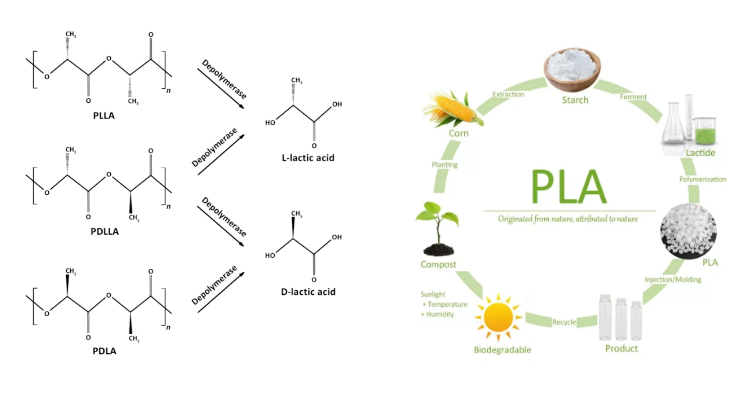
PLA (polylactic acid) has become a popular material for biodegradable cups, cutlery, food containers, and other disposable products. However, PLA requires more careful processing than conventional materials such as PP or PS.
Moisture is one of the main concerns. PLA absorbs moisture from the surrounding air, and that moisture can cause hydrolysis during melting. As a result, manufacturers may see brittle parts, bubbles, poor surface quality, or reduced mechanical strength.
The injection machine also plays an important role. A suitable screw design, stable temperature control, and proper material handling system can make PLA production much more consistent.
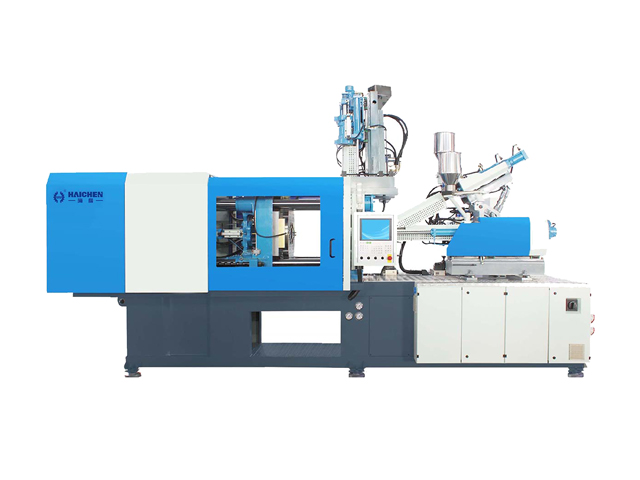
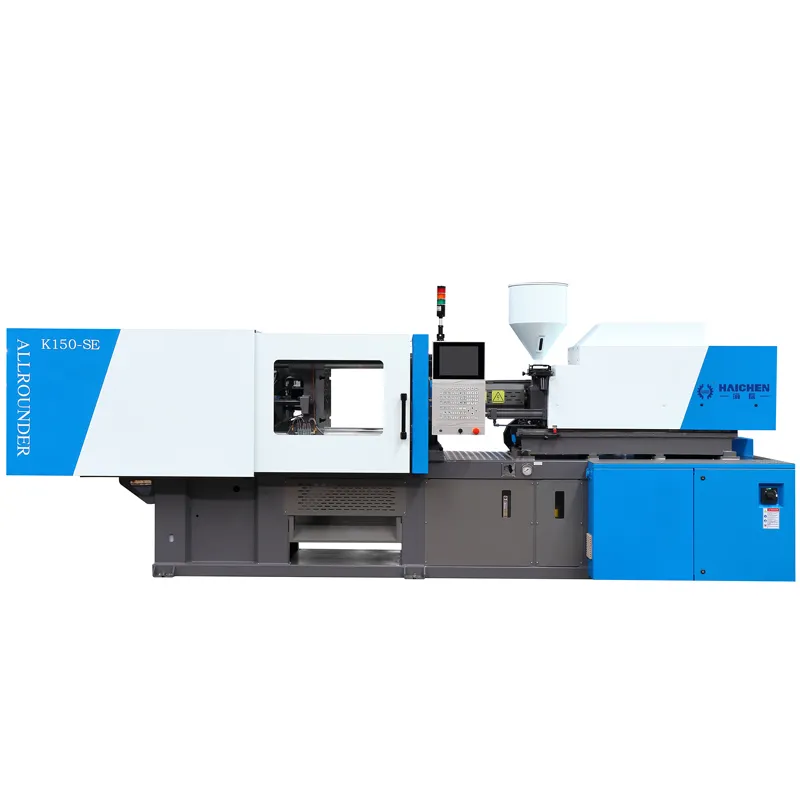
In this guide, we explain the main requirements for PLA injection molding and show how Haichen configures its HCK series machines for biodegradable material applications.
Why PLA Processing Is Different
PLA has several characteristics that directly affect the injection molding process.
Moisture Sensitivity
PLA absorbs moisture from the air relatively quickly. When the material contains excess moisture, the heat inside the barrel can trigger hydrolysis.
This reaction can reduce the polymer’s molecular weight. In practice, manufacturers may notice:
- Brittle molded parts
- Lower mechanical strength
- Bubbles or silver streaks
- Poor surface appearance
- Inconsistent product quality
For this reason, manufacturers should treat drying as an essential part of the molding process.
Typical PLA Drying Conditions
The correct drying conditions depend on the PLA grade and the material supplier’s recommendations. However, manufacturers commonly use the following starting conditions:
| Parameter | Typical Range |
|---|---|
| Drying temperature | 60–80°C |
| Drying time | 4–6 hours |
| Target moisture | Below 0.02% (200 ppm) |
| Dryer type | Dehumidifying dryer |
| Dew point | Around -40°C or lower |
Always check the material supplier’s datasheet before setting the dryer. Different PLA grades can require different conditions.
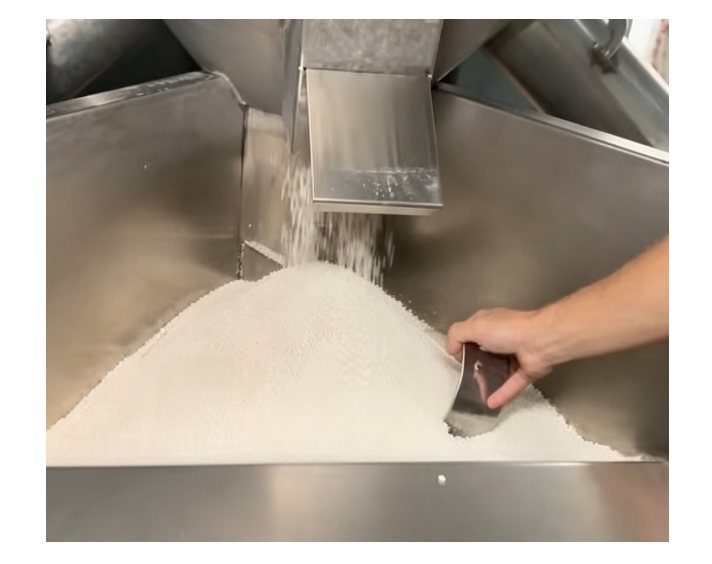
A dehumidifying dryer provides dry air continuously. It also helps keep the pellets dry while they move from the dryer to the injection machine.
Temperature Control Is Critical
PLA has a relatively narrow processing window. If the melt temperature is too low, the material may not flow well. On the other hand, excessive heat or long residence time can accelerate material degradation.
For general applications, manufacturers can use the following barrel temperatures as a starting point:
| Zone | Typical Temperature |
|---|---|
| Feeding section | 165–175°C |
| Compression section | 175–185°C |
| Metering section | 180–190°C |
| Nozzle | 170–180°C |
These values do not apply to every PLA grade. Instead, use them as a starting point and adjust the settings according to the material, product design, mold, cycle time, and screw configuration.
In particular, operators should focus on maintaining a stable melt condition rather than following a single temperature number.
For this reason, a multi-zone PID temperature control system can provide a useful advantage. Each barrel zone can maintain its own temperature, which gives operators better control over the plasticizing process.
Screw Design for PLA
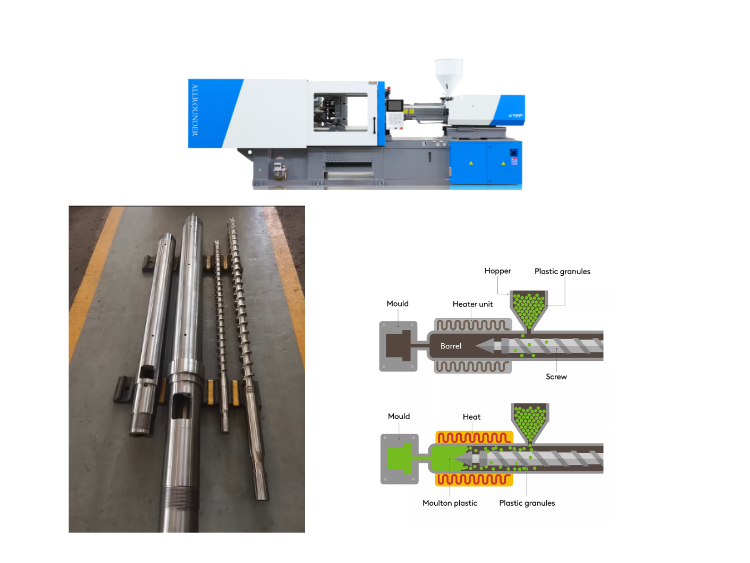
Screw design also matters when processing PLA.
PLA can react poorly to excessive shear and heat. A screw designed for high-shear processing may generate unnecessary heat during plasticization. That extra heat can increase the risk of material degradation.
For general PLA applications, a gradual compression profile and moderate screw speed can help reduce shear stress.
Common design considerations include:
- Low-shear screw geometry
- Gradual compression
- Compression ratio around 2.5:1–3:1
- L/D ratio of 20:1 or higher
- Controlled screw speed
- Stable back-pressure settings
However, the final screw design should match the PLA grade and product.
For example, a thin-wall cup with a short cycle time may require a different screw configuration from a thicker food container. Therefore, manufacturers should consider screw diameter, shot size, plasticizing capacity, and cycle time together.
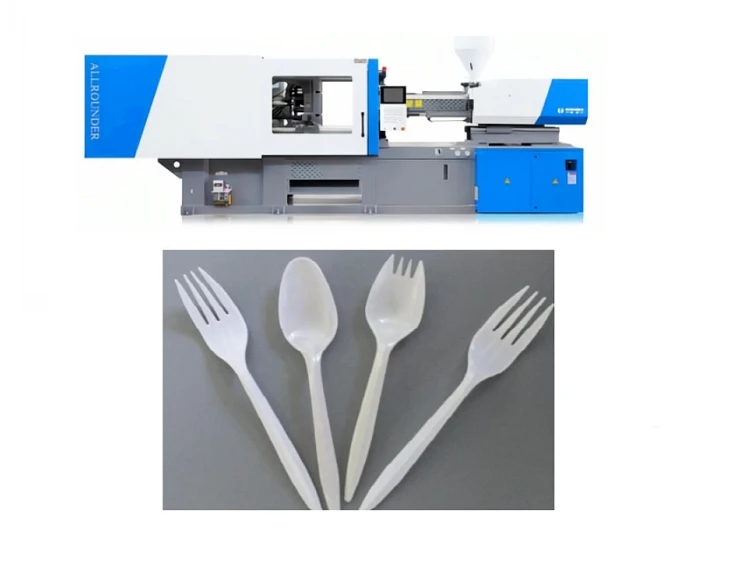
Machine Configuration for PLA Injection Molding
A reliable PLA molding setup requires more than the injection machine itself.
Manufacturers should consider six main areas:
- Screw and barrel configuration
- Temperature control
- Material drying
- Material conveying
- Mold temperature control
- Automation and part handling
Screw and Barrel Selection
The injection unit should provide stable plasticizing without generating excessive shear.
Haichen can configure HCK series machines with PLA-compatible screw and barrel options according to the application.
For general applications, a low-shear screw with a gradual compression profile can provide stable plasticizing. Depending on the material formulation and production conditions, manufacturers can also select suitable corrosion-resistant materials.
The final screw specification should reflect the customer’s PLA grade, product weight, required output, and cycle time.
Temperature Control System
Stable temperature control becomes especially important when the material has a narrow processing window.
A suitable system can include:
- Independent barrel temperature zones
- PID temperature control
- Stable heating and cooling response
- Melt temperature monitoring when required
- Separate nozzle temperature control
Haichen HCK series machines can use multi-zone PID temperature control with temperature accuracy of approximately ±1°C under suitable operating conditions.
As a result, operators can maintain a more stable plasticizing process and reduce temperature fluctuations during production.
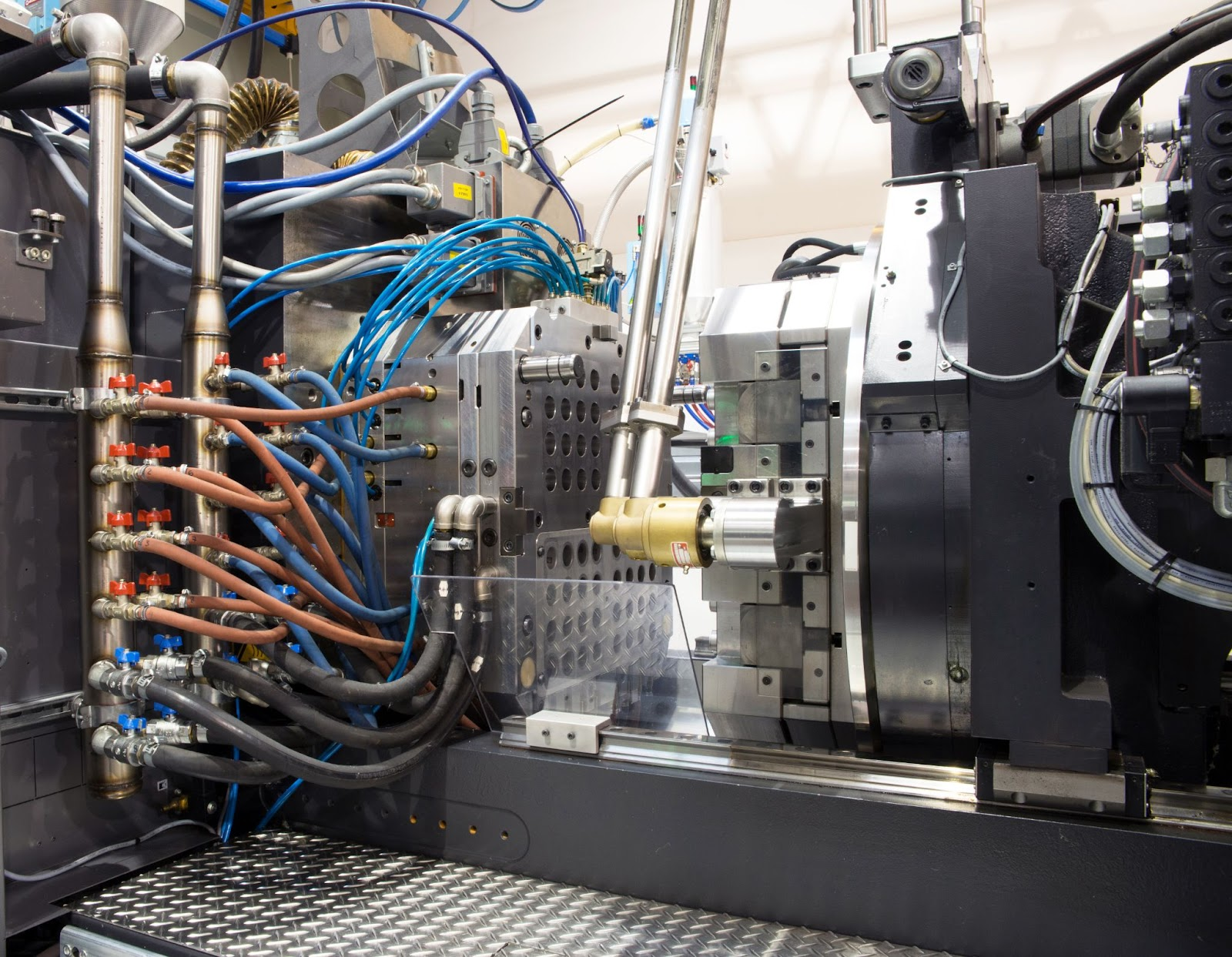
Drying and Material Handling
The drying system should work together with the material handling system.
A typical PLA material handling setup can include:
- Dehumidifying dryer
- Auto loader
- Sealed material hopper
- Controlled material conveying
- Moisture monitoring when required
The basic principle is simple: dry the pellets properly and keep them dry until they enter the injection unit.
If dried PLA remains exposed to humid air, it can absorb moisture again. Therefore, a sealed material path can improve process consistency and reduce the risk of moisture-related defects.
Haichen HCK Series for PLA Production
Haichen’s HCK series can handle PLA and other biodegradable material applications with the appropriate configuration.
The right machine depends on several factors, including product size, mold layout, number of cavities, shot weight, cycle time, and target production volume.
Recommended HCK Models
| HCK Model | Clamping Force | Typical Application |
|---|---|---|
| HCK 150 | 150 tons | Small PLA products, cups and cutlery |
| HCK 180 | 180 tons | Medium-size cups and food containers |
| HCK 230 | 230 tons | Higher-volume cup and container production |
| HCK 280 | 280 tons | Larger containers and bottles |
| HCK 310 | 310 tons | High-volume multi-cavity applications |
These recommendations provide a starting point. In practice, machine selection should depend on the complete mold and product requirements rather than clamping force alone.
For example, an 8-cavity cup mold may require a different injection unit and cycle capability from a 4-cavity container mold, even when the products have similar dimensions.
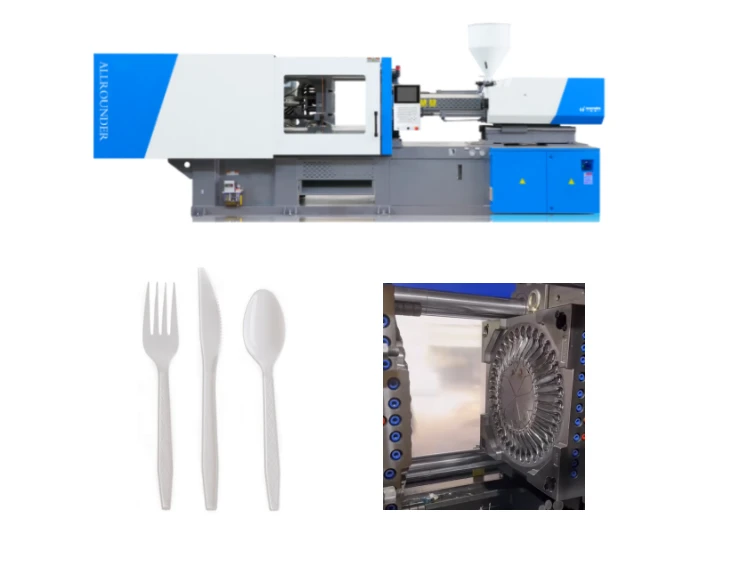
Key Features for PLA Processing
Depending on the application, an HCK machine can work with:
- Low-shear screw and barrel configuration
- Multi-zone PID temperature control
- Dehumidifying dryer integration
- Automatic material loading
- Servo-driven energy-saving system
- Robot interface for automated part removal
- Mold temperature control integration
- Conveyor and downstream automation
The goal is not simply to process PLA on an injection molding machine. Instead, the complete production system should keep the material dry, maintain stable melt conditions, and deliver repeatable cycles.
Choosing the Right Machine for PLA Products
Before selecting a machine, manufacturers should review several important factors.
Product Weight
Product weight determines the required shot capacity. The injection unit should provide enough capacity for the complete shot while avoiding unnecessary oversizing.
Number of Cavities
A multi-cavity mold increases both shot volume and production output. At the same time, it places greater demands on filling balance and cycle stability.
Wall Thickness
Thin-wall PLA products often need higher injection speeds and careful temperature control. Thicker products may require different cooling conditions and longer cycles.
Required Output
Manufacturers should calculate the required production rate from cavity number, product weight, and cycle time.
For example, a high-volume cup project may need a different machine configuration from a low-volume food container application.
Material Grade
Different PLA grades can have different melt-flow characteristics and processing recommendations. Therefore, the machine configuration should match the specific material that the customer plans to use.
Can a Standard Injection Molding Machine Run PLA?
Yes. Manufacturers can process PLA on conventional injection molding machines when the injection unit and auxiliary equipment meet the material requirements.
However, operators should pay particular attention to:
- Material drying
- Screw geometry
- Temperature control
- Plasticizing conditions
- Mold temperature
- Processing parameters
In many cases, manufacturers can adapt existing equipment for PLA. Before making modifications, however, they should check the existing screw, barrel, temperature control system, dryer, and production requirements.
Common PLA Injection Molding Problems
Brittle Parts
First, check the material moisture and drying conditions.
Excess moisture can cause hydrolysis during processing. If the drying system works correctly, operators can then review melt temperature, residence time, and other process conditions.
Yellowing or Darkening
Excessive melt temperature and long residence time can contribute to material degradation.
Therefore, check the actual melt condition rather than relying only on the temperature shown on the controller.
Bubbles and Silver Streaks
Moisture provides one possible cause. Operators should first check the dryer, hopper, material conveying path, and drying time.
If the material remains dry, they can then investigate mold venting and other process factors.
Incomplete Filling
If the melt does not fill the cavity properly, operators can review several parameters.
These include melt temperature, injection speed, mold temperature, gate design, material grade, and filling pressure.
Changing one setting at a time can make troubleshooting easier.
Black Spots
Black spots can result from material degradation, excessive residence time, contamination, or dead spots inside the plasticizing system.
For this reason, operators should inspect both the material and the injection unit when black spots appear repeatedly.
Frequently Asked Questions
What type of injection molding machine is suitable for PLA?
Manufacturers can process PLA on conventional injection molding machines when the injection unit, temperature control, and auxiliary equipment suit the material.
In particular, a low-shear screw, stable temperature control, and proper drying system can improve production stability.
Does PLA need a dehumidifying dryer?
Yes, most production applications require proper material drying.
PLA is moisture-sensitive, and insufficient drying can cause hydrolysis and poor part quality. However, the exact drying temperature and time should follow the material supplier’s recommendations.
What temperature should PLA be injection molded at?
A typical starting barrel temperature range is approximately 165–190°C, depending on the PLA grade and machine configuration.
However, operators should optimize the actual settings through production trials. Melt temperature and residence time both affect material stability.
What screw design is recommended for PLA?
Manufacturers commonly use a low-shear screw with a gradual compression profile for PLA.
A compression ratio around 2.5:1–3:1 and an L/D ratio of 20:1 or higher can serve as general design references.
However, the final screw design should match the PLA grade, product, shot size, and required cycle time.
How do I choose the right HCK machine for PLA cups?
Machine selection depends on cavity number, cup weight, mold dimensions, cycle time, and required production output.
For example, HCK 150 and HCK 180 may suit smaller cup applications. Higher-cavity or higher-output projects may require HCK 230, HCK 280, or HCK 310.
Haichen can review the product and mold information and recommend a suitable machine configuration.
Can Haichen provide a complete PLA production solution?
Yes. Haichen can provide the injection molding machine together with auxiliary equipment and automation, depending on the application.
The solution can include mold temperature controllers, dehumidifying dryers, robots, conveyors, installation, commissioning, and operator training.
Final Thoughts
Successful PLA injection molding depends on the complete production process, not just the injection machine.
Material drying, screw design, temperature stability, mold conditions, and cycle settings all influence the final product.
For manufacturers planning to produce PLA cups, cutlery, food containers, or other biodegradable products, the best starting point is to select the machine according to the actual product and mold requirements.
Haichen’s HCK series supports different PLA applications, from small products to high-volume multi-cavity production.
Haichen Machinery — Injection Molding Solutions for PLA and Biodegradable Products
From HCK 150 to HCK 310, Haichen provides injection molding machines and supporting solutions for manufacturers producing biodegradable cups, cutlery, containers, and other molded products.
Contact Haichen to discuss your product, mold, required output, and PLA material grade. Our engineers can recommend a suitable machine configuration based on your actual production requirements.
Author: Yang, Senior Engineer, Haichen Machinery