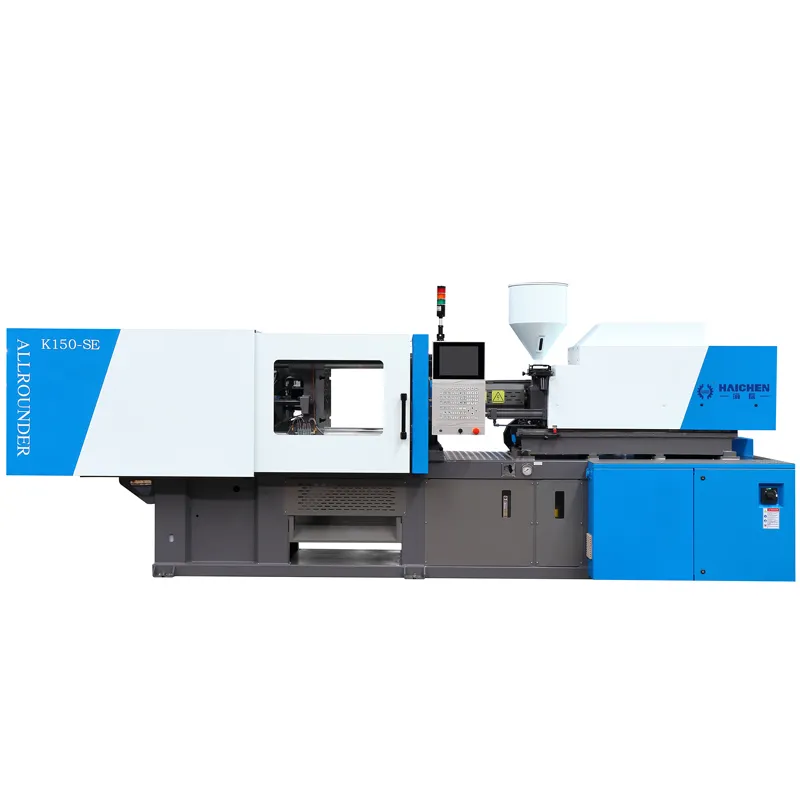
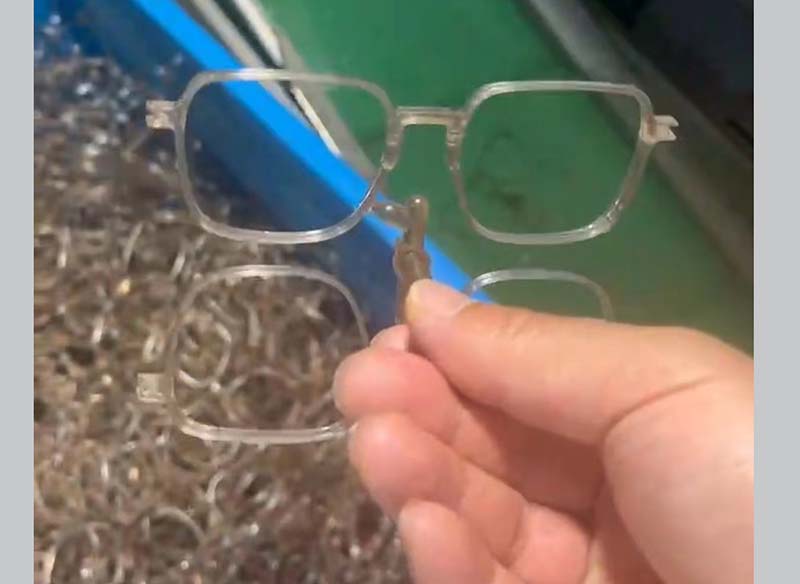
Eyeglass frame warping is a common problem in plastic injection molding. A frame may look correct when it comes out of the mold, but then bend or change shape after cooling.
Even a small change can make lens fitting and frame assembly difficult.
So, why does an eyeglass frame warp after injection molding? In most cases, the problem comes from uneven shrinkage, uneven cooling, filling imbalance, or an unstable molding process.
Therefore, you need to check the mold, material, and injection molding machine together.
What Does Eyeglass Frame Warping Look Like?
Warping can appear in different parts of a plastic frame.
For example:
- The front frame bends to one side.
- The lens opening changes shape.
- The two sides of the frame do not stay at the same level.
- The temple area bends after ejection.
- The frame becomes difficult to fit with the lens.
- Different cavities produce frames with different shapes.
Sometimes, the frame looks fine immediately after ejection. However, it may slowly change shape as it cools. This makes the problem harder to find.
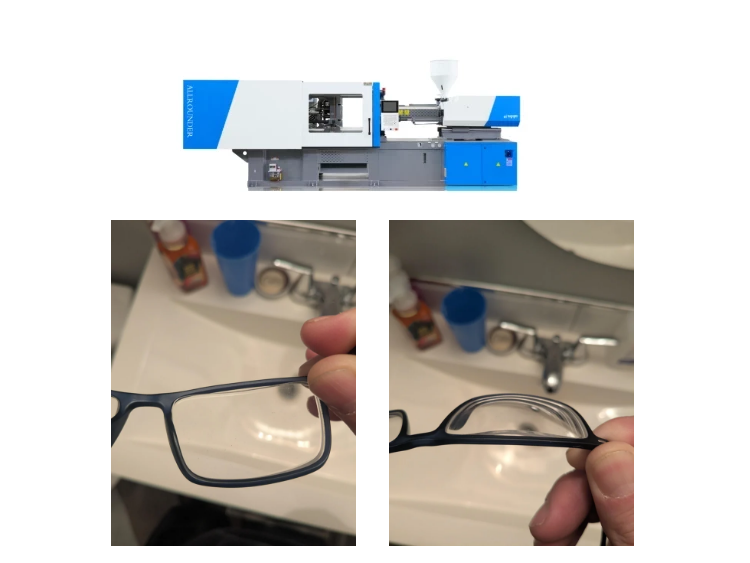
Why Do Plastic Eyeglass Frames Warp?
Plastic shrinks as it cools. However, different areas of the frame may not cool or shrink at the same rate.
Several factors can cause this problem.
1. Uneven Cooling
Cooling plays an important role in frame shape.
If one area cools faster than another, the plastic can shrink unevenly. As a result, the frame may bend or twist.
The cooling system should remove heat as evenly as possible. Also, the cooling time should give the part enough time to reach a stable condition before ejection.
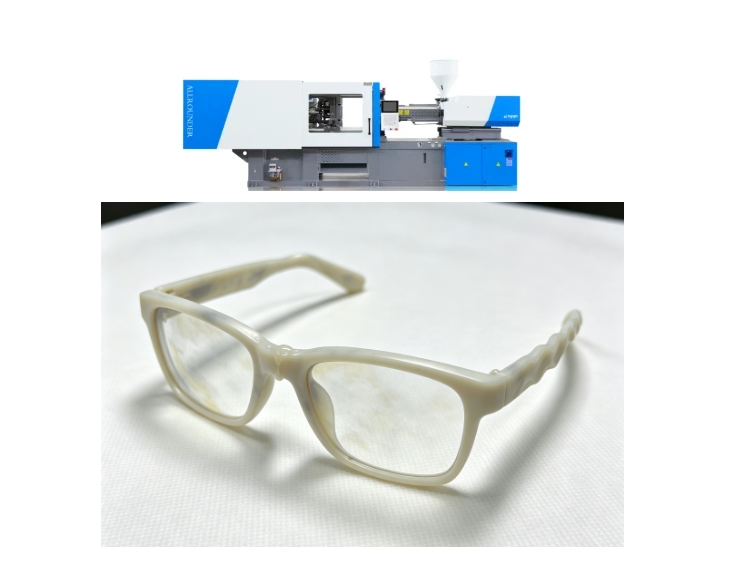
2. Uneven Filling
The plastic melt needs to fill the frame cavity in a balanced way.
If one area fills much earlier than another, different parts of the frame may experience different pressure and cooling conditions. This can increase internal stress and lead to deformation.
Therefore, you should check the gate position, runner layout, injection speed, and filling balance when warping appears.
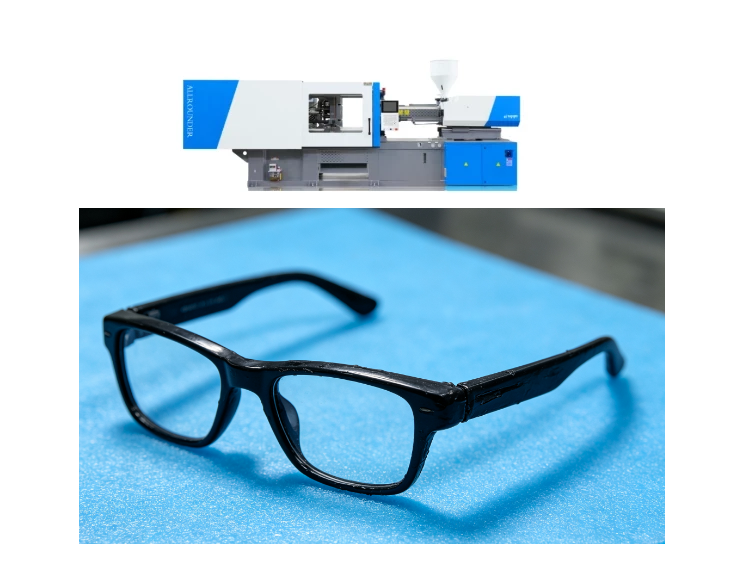
3. Incorrect Holding Pressure
Holding pressure helps compensate for material shrinkage during the later stage of filling.
If the holding pressure is too low, some areas may shrink too much.
On the other hand, excessive pressure can also increase internal stress.
So, the goal is not simply to use higher pressure. Instead, the process needs the right pressure and holding time for the material and product.
4. Ejection Too Early
A frame may still contain heat and internal stress when the mold opens.
If the machine ejects the frame too early, the part may deform after it leaves the mold.
Therefore, increasing cooling time can sometimes reduce warping. However, longer cooling does not always solve the root cause.
You should first check whether the mold cooling system works evenly.
5. Uneven Wall Thickness
Large differences in wall thickness can also cause different cooling and shrinkage rates.
For an eyeglass frame, thin and thick areas may exist close to each other. As a result, the cooling process needs careful control.
If the product design allows it, more even wall thickness can help reduce shrinkage differences.
How Does Mold Cooling Affect Frame Warping?
The mold removes heat from the plastic part.
However, the cooling effect should not vary too much between different areas of the frame.
For example, if the upper part of the frame cools much faster than the lower part, the two areas may shrink differently. This difference can change the final frame shape.
When you see repeated warping, check:
- Cooling channel layout
- Cooling water flow
- Water temperature
- Cooling time
- Mold temperature
- Temperature differences between mold areas
A stable cooling system can also help make the molding cycle more repeatable.
How Does Injection Pressure Affect Warping?
Injection pressure and speed affect how the plastic fills the mold.
If the injection speed changes too much, the filling pattern can also change. This may create different stress inside the frame.
Holding pressure also matters because it controls how the machine feeds more material into the cavity while the plastic cools.
Therefore, when adjusting the process, do not change many settings at the same time.
A practical approach is to check:
- Injection speed
- Injection pressure
- Holding pressure
- Holding time
- Cooling time
- Mold temperature
Change one main factor at a time and compare the frame shape.

Why Can Early Ejection Cause Frame Deformation?
The frame needs enough cooling time before ejection.
If the plastic remains too soft, the ejector system can put extra force on the part. The frame may then bend during ejection or change shape shortly afterward.
This problem can become more obvious with thin frame sections.
If the frame changes shape after ejection, check whether:
- The cooling time is too short.
- The mold temperature is too high.
- The ejection force is uneven.
- The ejector pins push against weak areas.
- The part has high internal stress.
Increasing cooling time may help, but you should also find the reason for the high deformation risk.
How Can an Injection Molding Machine Help Reduce Warping?
The injection molding machine cannot solve every warping problem. However, stable machine control can make the molding process more consistent.
For eyeglass frame production, pay attention to:
Stable Injection Speed
A stable injection speed helps keep the filling process consistent from cycle to cycle.
Stable Pressure Control
The machine should provide repeatable injection and holding pressure. This helps reduce changes in shrinkage between cycles.
Accurate Temperature Control
The barrel temperature affects how the plastic melts and flows. Stable temperature control helps keep material flow more consistent.
Suitable Screw Size
The screw should match the material, shot size, and production needs. An unsuitable screw can make plasticizing and melt control less stable.
Repeatable Cycle Control
A stable cycle also matters. If injection, holding, cooling, or plasticizing time changes from cycle to cycle, the final frame can change as well.
For this reason, machine selection should consider the complete production process rather than only the frame weight.
How Can You Find the Cause of Eyeglass Frame Warping?
When a frame starts to warp, do not immediately increase pressure or cooling time.
First, compare good and bad parts.
| Warping problem | Possible cause | What to check |
|---|---|---|
| Frame bends to one side | Uneven cooling | Cooling system and mold temperature |
| Lens opening changes | Uneven shrinkage | Holding pressure and cooling |
| Temple bends after ejection | Early ejection | Cooling time and ejection |
| One cavity is worse | Filling imbalance | Gate, runner, and injection settings |
| Warping changes between cycles | Process instability | Machine pressure, speed, and temperature |
| Frame twists after cooling | Internal stress | Filling, holding, and cooling conditions |
This step-by-step check can save time because you can focus on the most likely cause first.
What Should You Check Before Changing Machine Settings?
Before making a major machine adjustment, check the whole process.
First, confirm that the material is suitable and dry when required.
Next, check the mold cooling system and make sure the cooling water flows correctly.
Then, check the injection and holding settings.
Finally, compare the part weight, cycle time, and frame dimensions between good and bad cycles.
If the machine settings remain stable but the frame still warps, the problem may come from mold cooling, product design, or material shrinkage.
How Does Haichen Approach Eyeglass Frame Molding?
At Haichen, we look at the product and molding process together when matching an injection molding machine.
For an eyeglass frame, the machine needs stable injection, pressure, temperature, and cycle control. However, machine selection alone does not determine the final frame shape.
The mold, material, cooling system, product design, and process settings all affect the result.
Therefore, when we review an eyeglass frame project, we normally need information such as:
- Frame size
- Product weight
- Plastic material
- Number of cavities
- Mold size
- Expected cycle time
- Required production volume
With this information, the machine supplier can check the required clamping force, shot size, injection capacity, and other key parameters.
FAQ
Why do plastic eyeglass frames warp after injection molding?
The main reasons include uneven cooling, uneven filling, shrinkage differences, incorrect holding pressure, early ejection, and product design.
Does cooling time affect eyeglass frame warping?
Yes. If the frame leaves the mold while it remains too hot or soft, it may deform after ejection.
However, simply adding more cooling time may not fix an uneven cooling system.
Can injection pressure cause frame deformation?
Yes. Incorrect injection or holding pressure can change filling and shrinkage conditions.
The correct setting depends on the material, product, mold, and molding process.
How can I reduce eyeglass frame warping?
Start by checking cooling, filling balance, holding pressure, cooling time, and ejection.
Then check whether the injection molding machine provides stable pressure, speed, and temperature control.