Choosing an injection molding machine for eyeglass frames? Compare new vs used options and learn why new saves you money and avoids downtime.
The business plan is ready. The designs for your plastic eyeglass frames are complete. A list of potential customers is waiting for samples of your plastic frames for glasses.
Now comes the big question: should you buy a new injection molding machine for your startup, or save some cash upfront with a used one?
I’ve seen this play out more times than I can count. A first-time founder looks at the price difference—$30,000 for a used injection molding machine versus $80,000 for a new one—and thinks, “That‘s an easy decision. I’ll buy used and use the savings for marketing, molds, and working capital for my plastic glasses frames.”
It sounds logical. But here‘s the problem: “that math almost never works out in real life when you’re producing plastic eyeglass frames.”

The Used Machine Temptation – What You‘re Actually Saving
Let’s be honest—the upfront savings on a used injection molding machine for plastic eyeglass frames are real.
A 150T hydraulic machine might cost $80,000 to $120,000 new. The same model, five to ten years old, can often be found for $30,000 to $60,000. That‘s a 30% to 70% discount. For a bootstrapped startup aiming to make round plastic eyeglass frames or black plastic eyeglass frames, that looks like a lifeline.
But here’s what that lower price tag doesn‘t tell you: why is it being sold?
Was the factory upgrading to newer technology for plastic frames for glasses? Or was the machine unreliable, expensive to run, and finally being offloaded after years of bandaids and patchwork repairs?
The used equipment market doesn’t come with a truth-telling label—especially for machines that have run countless cycles of plastic spectacle frames.

The Hidden Costs That Eat Up Your “Savings”
Once a used injection molding machine lands on your factory floor to produce plastic glasses frames, the real cost story begins.
Unknown History
Was it run hard and put away wet? Did the previous owner follow proper maintenance schedules? Did they use the right lubricants, change the filters on time, and keep the hydraulic oil clean—all crucial for consistent plastic eyeglass frames?
You‘ll never know for sure—and that uncertainty is expensive when you’re trying to deliver flawless round plastic frames to your customers.
Worn Key Components
The screw and barrel—the heart of the plasticizing unit—wear down over time, directly affecting the quality of your plastic frames for glasses.
- A worn screw means inconsistent shot size → rejected plastic eyeglass frames
- Tie bars stretch, compromising clamp force uniformity
- Hydraulic pumps lose efficiency, increasing cycle times
Replacing a hydraulic pump can run $2,000 to $5,000—and that‘s just one part. For a startup producing plastic spectacle frames, that’s a significant hit.
Performance Instability
Older machines, especially hydraulic ones, struggle with repeatability—a nightmare for plastic eyeglass frames that demand tight tolerances.
- Temperature drifts affect material viscosity
- Pressure fluctuates, causing short shots or flash on your plastic glasses frames
- Cycle times lengthen, reducing daily output
What looks like a 10% defect rate today can become 15% next month—and every rejected black plastic eyeglass frame is money out of your pocket.
No Warranty
A new plastic eyeglass frames injection molding machine typically comes with 12 to 24 months of coverage. If something breaks, the manufacturer handles it.
With a used machine, you‘re on your own from day one. And when you’re a startup with no spare machine and orders to fill for round plastic glasses frames, every hour of downtime is a crisis.

The New Machine Advantage – Lower Total Cost of Ownership
Now let‘s flip the coin and look at what you’re actually buying when you invest in a new injection molding machine for your plastic eyeglass frames.
Predictable Quality
A new machine runs consistently, shift after shift, delivering uniform plastic spectacle frames.
- The injection unit is tight, ensuring precise shot control
- The hydraulic system is clean, providing stable pressure
- The control system is responsive, adjusting parameters in real time
Your plastic frames for glasses come out the same way every time—and that consistency builds customer trust, whether you make round plastic eyeglass frames or classic shapes.
Full Warranty Coverage
12 to 24 months of peace of mind.
If a sensor fails or a valve sticks, you‘re not scrambling for repair funds. You’re calling the manufacturer and getting it fixed. For a startup with thin margins, that warranty is worth its weight in gold—especially when you‘re ramping up production of plastic glasses frames.
Energy Efficiency
This is the big one that most first-time buyers underestimate.
New servo-hydraulic plastic eyeglass frames injection molding machines use 50% to 70% less electricity than older hydraulic equivalents.
Over a year of two-shift operation producing plastic spectacle frames, that difference can easily exceed $5,000 to $10,000 in electricity savings alone. Over five years, you’re looking at tens of thousands of dollars—money that can go into improving your plastic frames for glasses.
Lower Maintenance
New machines need minimal maintenance in the first three to five years.
- No surprise breakdowns that halt your plastic eyeglass frames production
- No emergency service calls for worn components
- Just scheduled oil changes and filter replacements
Here‘s the key insight: A new machine’s purchase price typically accounts for only 25% to 35% of its total cost of ownership over five years. The rest is energy, maintenance, and downtime. When you‘re making plastic glasses frames, uptime is everything.
Buy cheap used, and that ratio flips—your “savings” become a down payment on a much more expensive future, filled with rejected round plastic frames and unhappy customers.

A Real-World Example – How One Customer Saved More by Buying New
Let me tell you about a customer in Turkey.
They were launching a business to produce plastic eyeglass frames and, like many startups, they were tempted by the used equipment market. The price difference was hard to ignore. But after talking through the numbers with the Haichen technical team, they made a different call.
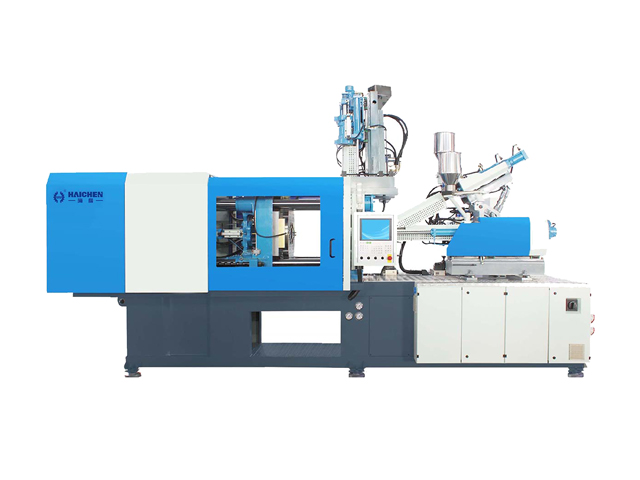
They chose a new Haichen HCK180 servo energy-saving injection molding machine—a 180T configuration running a 1-out-of-2 cavity mold for standard full-rim plastic frames for glasses.
The results spoke for themselves:
- 97%+ yield rate in the first six months for their plastic eyeglass frames. Consistent parts, minimal rejects, happy customers.
- 60% electricity cost reduction compared to what they would have paid running older hydraulic equipment, allowing them to price their round plastic glasses frames competitively.
- Zero repair costs in the first year. The full warranty covered all early-stage teething issues, so they could focus on selling their plastic spectacle frames instead of fixing machines.
The owner put it this way:
“If I had bought used, the money I ‘saved’ upfront would have been eaten up by repairs and scrap within the first year. The new machine paid for the difference in year one—and I haven’t looked back since. Now we’re even expanding into black plastic eyeglass frames and round plastic frames, and the machine handles everything perfectly.”

New vs Used – Total Cost of Ownership Comparison
| Cost Factor | New Machine | Used Machine |
|---|---|---|
| Upfront price | Higher ($80k–120k) | Lower ($30k–60k) |
| Warranty | 12–24 months included | Rarely offered |
| Energy cost (5 years) | Lower (servo = 50–70% savings) | Higher (older hydraulics) |
| Maintenance & repairs (5 years) | Minimal, predictable | Unpredictable, potentially high |
| Downtime risk | Low | High |
| Part consistency for plastic eyeglass frames | High, stable | Variable, deteriorates |
| 5-year total cost | Predictable, often lower | Unpredictable, often higher |
Haichen‘s New Machine Solutions for Plastic Eyeglass Frames
Haichen offers a full range of new injection molding machines from 110T to 1200T, all CE-certified, specifically suited for producing plastic eyeglass frames, whether you need round plastic spectacle frames, black plastic eyeglass frames, or any other style of plastic frames for glasses.
Each machine is built with servo energy-saving technology as standard, delivering the energy efficiency and process stability that startups need to compete in the eyewear market.
Financing options are available to reduce the upfront burden, and trial run support ensures the machine is dialed in before it leaves the factory, so your first batch of plastic glasses frames comes out perfect.
For entrepreneurs launching a business around plastic eyeglass frames, a new Haichen machine provides the reliability, warranty protection, and predictable operating costs that give a young company room to grow without unexpected equipment-related setbacks—so you can focus on designing and selling beautiful plastic frames for glasses.