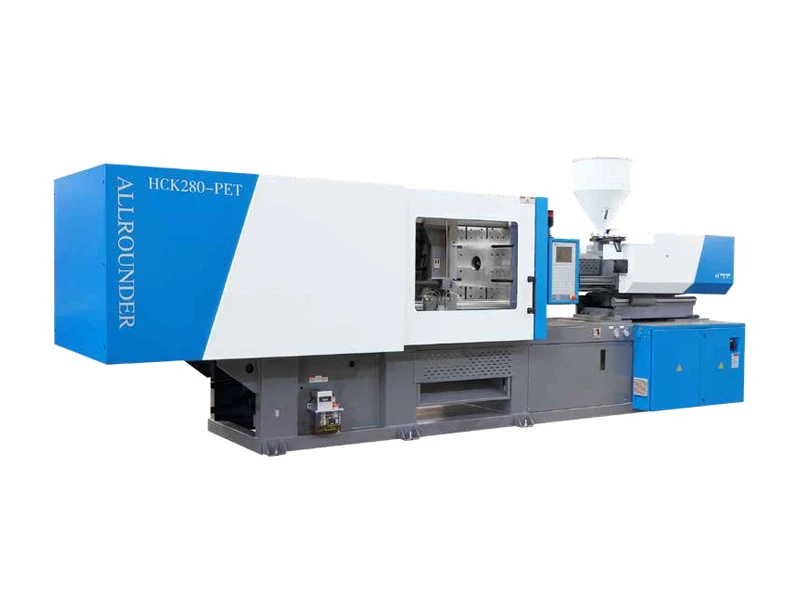
You run an eyewear factory. You know single-color frames sell. But you also see competitors launching dual-tone and gradient frames that look more premium and command higher prices. The question is not whether those frames look better — they do. The question is: can your eyeglass frames injection molding machine produce them?
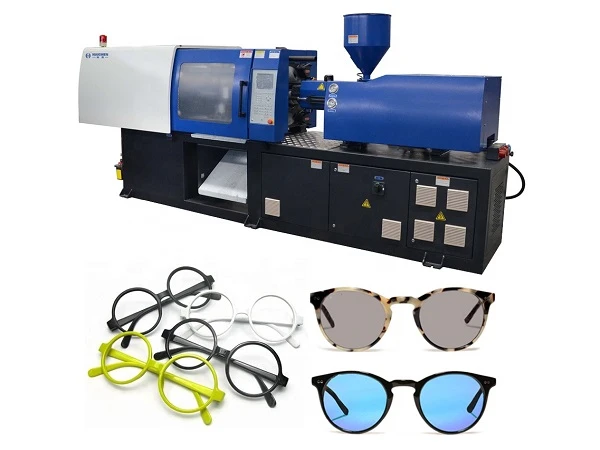
A two-color eyeglass frames injection molding machine uses two independent injection units to shoot two different plastic materials or colors into the mold in a single cycle. This injection molding process, also known as two-shot or 2K molding, eliminates secondary painting, reduces assembly steps, and opens design possibilities that single-color machines simply cannot achieve.
For eyewear manufacturers, the decision to invest in two-color capability is a strategic one. It affects your product quality, your production cost, and your position in the market. This guide walks you through what a two-color injection molding machine can do for your eyewear business, breaks down the cost-benefit analysis, and helps you decide if it’s the right move for your production line.
- What Two-Color Injection Molding Can Do for Your Eyewear Business
- The Cost-Benefit Analysis of Two-Color Machines
- How to Decide If Two-Color Is Right for You
What Two-Color Injection Molding Can Do for Your Eyewear Business
- Two-Color Frames Without Secondary Painting
- Soft-Touch Combinations – Hard Frames with Comfortable Contact Zones
- Brand Differentiation and Market Positioning

Two-Color Frames Without Secondary Painting
Single-color injection molding gives you frames in one uniform color. To add a second color, most manufacturers rely on painting, pad printing, or coating. Each of those steps adds labor, material, and quality control headaches.
A two-color eyeglass frames injection molding machine eliminates these secondary operations entirely. The machine injects two different colors in a single cycle, producing a finished frame that comes out of the mold with both colors already in place. That means no painting line, no drying time, no paint chipping issues, and no color inconsistency between batches.
What this means for your factory: You cut labor costs, eliminate material waste from painting, and produce frames with color that won’t fade or chip over time. The result is a higher-quality product at a lower per-unit cost.
Soft-Touch Combinations – Hard Frames with Comfortable Contact Zones
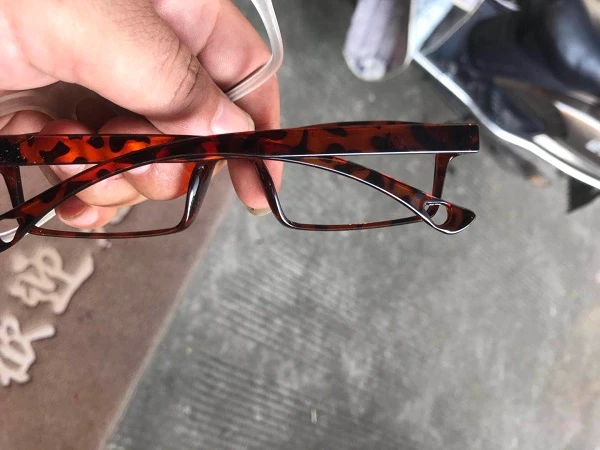
Two-color injection molding is not just about colors. It can also combine two different materials. For example, a hard TR90 frame base with soft TPE (thermoplastic elastomer) temple tips or nose pads. This hard-soft combination delivers a premium feel that single-material frames cannot match.
What this means for your factory: You can produce frames that are lightweight and durable where they need to be, and soft and comfortable where they touch the skin. This design capability directly addresses consumer complaints about discomfort from rigid frames.
Brand Differentiation and Market Positioning
The eyewear market is crowded. Single-color frames are everywhere. Two-color frames — especially those with layered or gradient effects — stand out on retail shelves.
What this means for your factory: Two-color capability allows you to enter market segments that single-color manufacturers cannot access. Brands looking for premium, differentiated products will seek out suppliers with two-color eyeglass frames injection molding machines. The technology itself becomes a barrier to entry that protects your margins.
The Cost-Benefit Analysis of Two-Color Machines
- Higher Equipment Investment vs. Higher Product Margin
- Eliminating Secondary Operations
- Market Positioning – The Entry Barrier

Higher Equipment Investment vs. Higher Product Margin
A two-color eyeglass frames injection molding machine costs more than a single-color machine of the same tonnage. The additional injection unit, rotary mold table, and more complex control system add to the upfront investment.
However, the product margin potential is significantly higher. Dual-tone and gradient frames command premium pricing at every level of the supply chain — from wholesale to retail. For a manufacturer producing thousands of frames per month, that margin differential quickly outweighs the higher equipment cost.
The math: The extra investment is typically recovered after producing a few thousand frames at a higher margin per frame. For most eyewear manufacturers, this payback period is measured in months, not years.
Eliminating Secondary Operations
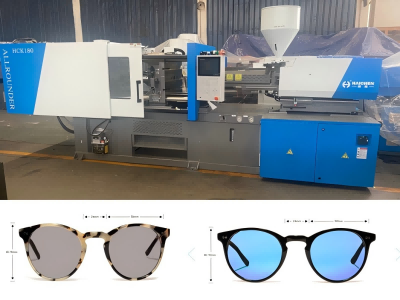
Single-color frames that need two colors require secondary operations: painting, pad printing, or coating. Each operation adds labor, material, floor space, and quality control overhead. Two-color injection molding eliminates these steps entirely.
Cost savings from eliminating secondary operations:
-
Labor: No painting or printing line operators
-
Material: No paint, ink, or coating supplies
-
Floor space: No painting booths or drying areas
-
Quality: No paint chipping, fading, or color mismatch issues
Two-color injection molding can lower manufacturing costs by 20–30% compared to processes that require secondary operations.
Market Positioning – The Entry Barrier
Not every eyewear manufacturer can produce two-color frames. The investment in a two-color eyeglass frames injection molding machine creates a capability gap between manufacturers who have it and those who do not.
What this means for your factory: Brands and buyers seeking premium, differentiated products will actively seek out manufacturers with two-color capability. This positions you as a higher-tier supplier and protects your margins from price competition at the lower end of the market.
How to Decide If Two-Color Is Right for You
- Analyze Your Product Mix
- Consider Your Target Market
- Evaluate Your Current Production Challenges
Analyze Your Product Mix
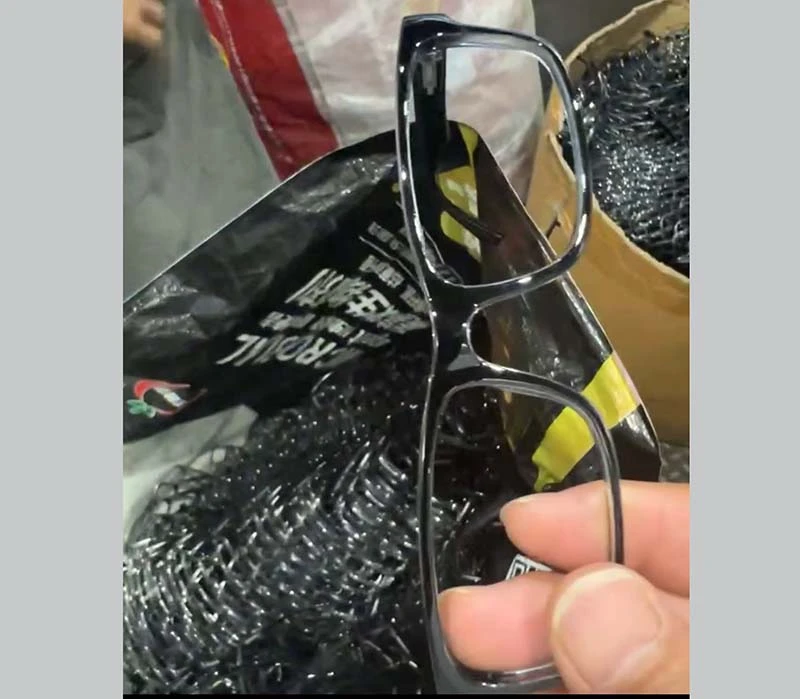
Not every eyewear line needs two-color capability. The decision depends on what you produce and who you sell to.
Ask yourself these questions:
-
What percentage of your current product line would benefit from two-color or multi-color designs?
-
Are your customers asking for dual-tone, gradient, or color-blocked frames?
-
Do you frequently turn down orders because you lack two-color capability?
Practical threshold: If 30% or more of your product mix — or your target product mix — requires two-color effects, the investment is worth serious consideration. For manufacturers targeting the mid-to-premium market segment, two-color capability is becoming less of an option and more of a requirement.
Consider Your Target Market
The demand for two-color eyewear varies by market tier:
-
Mass market: Single-color frames still dominate. Two-color is a nice-to-have.
-
Mid-tier: Two-color and gradient frames are becoming standard. Brands expect this capability.
-
Premium: Two-color and multi-color effects are essential. Single-color alone is not competitive.
If you are targeting mid-tier or premium markets, a two-color eyeglass frames injection molding machine is not just an upgrade — it is a strategic necessity. The premium pricing on dual-tone frames directly translates to higher margins throughout the supply chain.
Evaluate Your Current Production Challenges
If you are currently using painting or pad printing to add second colors to frames, you are already spending time and money on secondary operations. Two-color injection molding eliminates these steps entirely.
Signs you are ready for two-color injection molding:
-
Your painting line is a bottleneck
-
You frequently deal with paint chipping or fading complaints
-
You are spending too much on labor for secondary operations
-
You are losing orders to competitors with two-color capability
Haichen’s two-color eyeglass frames injection molding machines use two independent injection units with precise servo control. The dual-color injection molding process delivers stable, precise molding with natural color blending, no burrs, and no sink marks. The machine can run both single-color and two-color molds, giving you production flexibility.
Haichen has over 20 years of injection molding machine manufacturing experience. Our two-color machines are designed specifically for eyewear and other precision applications. Every machine comes with servo energy saving as standard, reducing electricity costs by 30–50% compared to traditional hydraulic machines.

Frequently Asked Questions
How much more does a two-color eyeglass frames injection molding machine cost?
The exact price difference depends on tonnage and configuration. Generally, a two-color machine costs more than a comparable single-color machine. The additional injection unit, rotary mold table, and more complex control system account for the premium. However, the higher product margins and elimination of secondary operations typically recover the extra investment within 6–12 months.
Can a two-color machine also run single-color molds?
Yes. A two-color eyeglass frames injection molding machine can run single-color molds without issue. This gives you production flexibility — you can use the machine for high-volume single-color production when you do not need two-color capability.
What materials work best for two-color eyeglass frames?
Common material combinations include TR90 with TPE for hard-soft frames, PC with TPU, and PP with TPE. The key requirement is chemical compatibility between the two materials — they must bond properly during the injection process. Haichen can provide material-specific screw recommendations for your eyeglass frames injection molding machine.
Is two-color injection molding only about color?
Not at all. Two-color injection molding can combine two different materials with different properties — hard plastic with soft elastomer, for example. This allows you to produce frames with rigid structural sections and soft, comfortable contact zones in a single cycle.
How long does it take to switch between two-color and single-color production?
With Haichen’s two-color eyeglass frames injection molding machines, the switch is straightforward. The machine can run both single-color and two-color molds with minimal changeover time. The servo control system stores process recipes for different molds, allowing quick recall and setup.
Haichen Machinery – your eyeglass frames injection molding machine manufacturer. From single-color to two-color configurations, we help you produce eyewear that stands out.
📩 Contact us for a customized eyeglass frames injection molding machine based on your specific eyewear production needs.
Author: Yang, Senior Engineer, Haichen Machinery