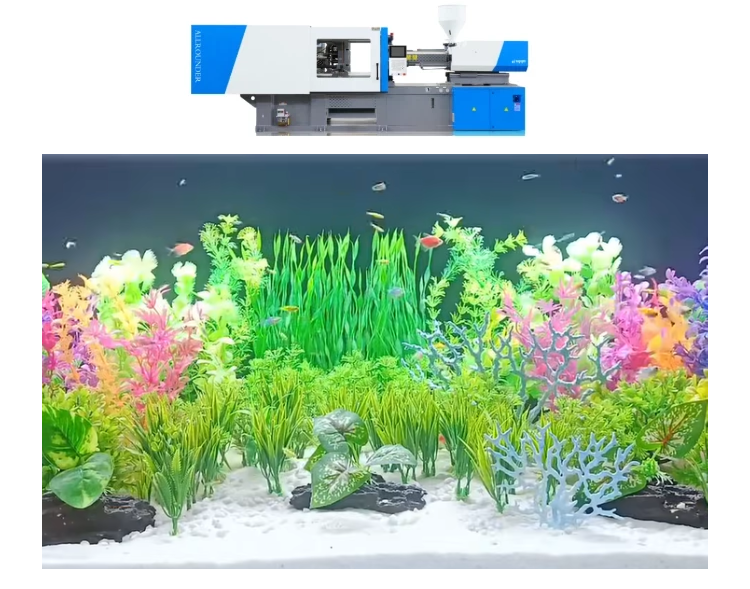
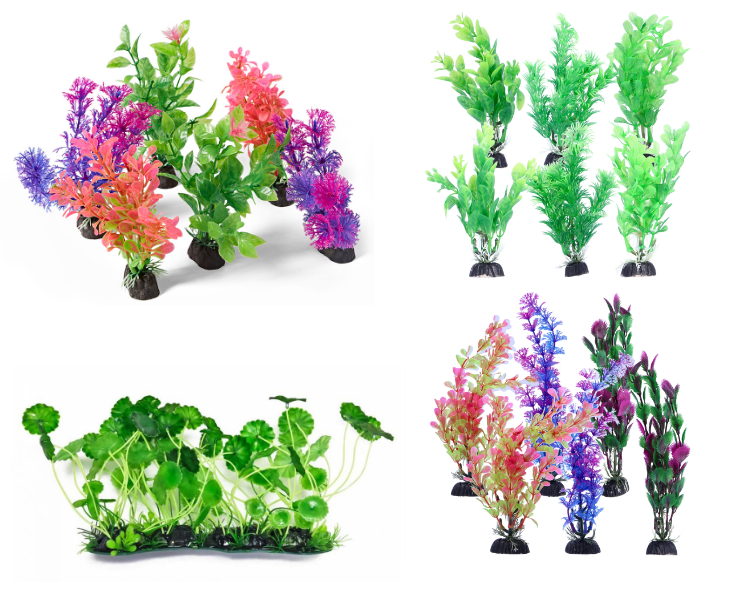
Plastic aquarium plants add color and shape to aquariums. Unlike real plants, they do not need light, soil, or daily care. However, making these plastic plants still needs a good injection molding process.
The plant may have thin leaves, curved stems, small branches, and fine surface details. Therefore, the manufacturer needs to choose a suitable material, mold, and injection molding machine.
At the same time, the finished part should meet the requirements of its intended aquarium use.
This article explains the main points of plastic aquarium plant injection molding, from material selection to mold design and quality inspection.
What Are Plastic Aquarium Plants Made From?
The material depends on the plant design and its intended use.
Manufacturers may consider plastics such as PP, PE, PVC, or other suitable materials. However, the right choice depends on the product requirements.
The material should provide suitable flexibility, strength, shape stability, and surface quality.
For aquarium products, the manufacturer should also check whether the selected material meets the requirements of the intended water environment.
In addition, the material must work well with the injection molding process.
A material that looks suitable on paper may still cause problems if it does not flow well through thin sections or needs a processing temperature that does not match the product design.
So, material selection should consider both product use and molding performance.
What Makes Aquarium Plant Parts Difficult to Mold?
Many aquarium plants have long and thin leaves. Some also have curved stems and small branches.
These shapes can create several molding challenges:
- Thin leaf edges may not fill easily.
- Long flow paths can increase filling difficulty.
- Different wall thicknesses can create uneven shrinkage.
- Fine leaf patterns need good mold detail.
- Long or curved parts may deform during cooling.
- Small details can make ejection more difficult.
For this reason, the product shape matters before the manufacturer selects the machine.
A simple flat part and a thin, curved aquarium leaf may use the same plastic, but they can need very different molding conditions.
What Should Be Considered Before Mold Design?
The mold should follow the actual plant design.
First, the manufacturer needs to check the wall thickness and plastic flow direction. Then, the gate position can be planned to help the plastic reach the important areas.
The mold should also provide:
- Suitable cooling around the cavity
- Good venting where air may become trapped
- Enough space for ejection
- Proper support for thin sections
- Accurate details for leaf veins and surface patterns
For multi-cavity molds, each cavity should also produce parts with a similar appearance and size.
The goal is simple: let the plastic fill the cavity smoothly and let the finished plant come out without damage.
How Can You Prevent Common Molding Defects?
Aquarium plant parts can show several common injection molding problems.
| Problem | Possible cause |
|---|---|
| Short shot | The cavity does not fill completely |
| Warping | Uneven cooling or shrinkage |
| Flash | Excessive pressure or poor mold closing |
| Weld line | Two plastic flow fronts meet |
| Flow marks | Unstable plastic flow |
| Ejector marks | Poor ejection conditions |
The key point is to find the actual cause instead of changing many settings at the same time.
For example, if a thin leaf has a short shot, the manufacturer can check material flow, injection speed, melt temperature, gate design, and venting.
This approach makes troubleshooting much easier.

What Should Manufacturers Check After Molding?
A good-looking part is not enough.
Manufacturers should check the finished aquarium plant based on its actual design and use. Important points include:
- Leaf shape
- Stem shape
- Part dimensions
- Surface appearance
- Flash
- Warping
- Ejector marks
- Connection between different plant sections
- Material requirements for the intended water environment
For products that will stay in water, the manufacturer should also confirm that the selected material and finished product meet the buyer’s requirements for that application.
This check should happen during trial production and regular production, not only after a problem appears.

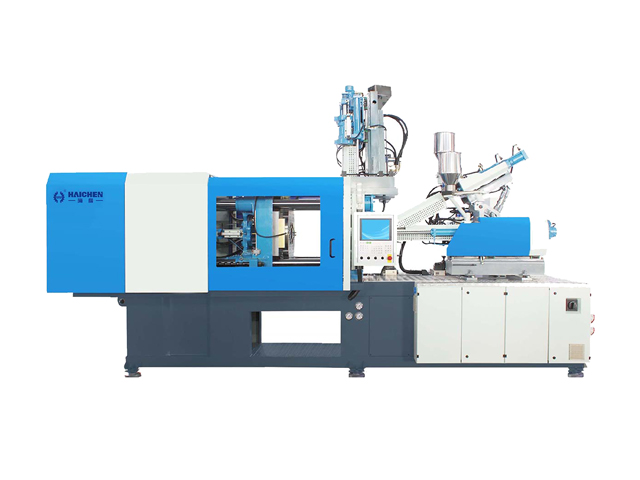
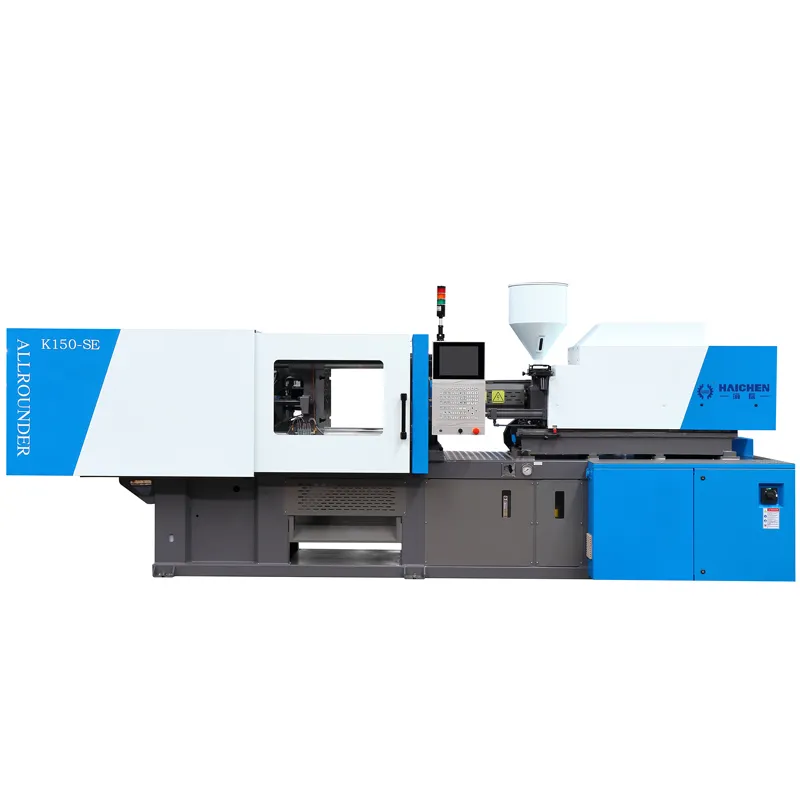
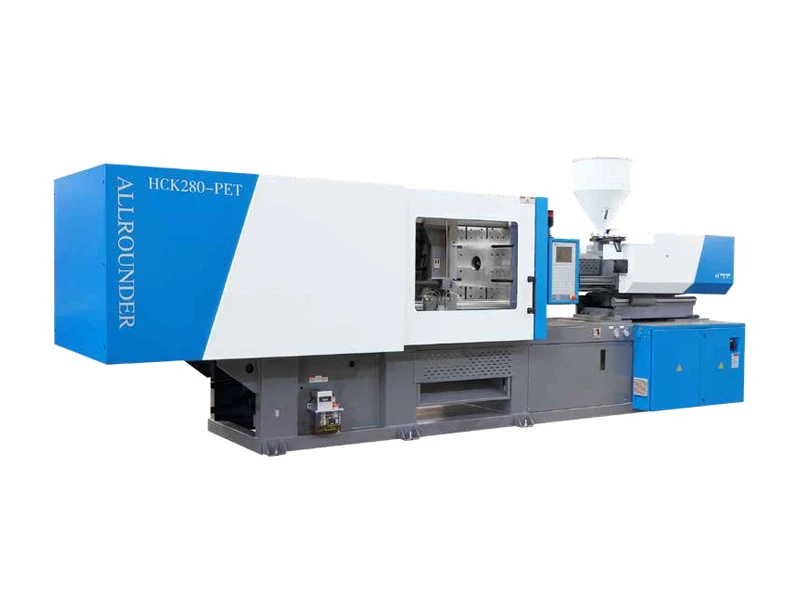
What Should the Injection Molding Machine Provide?
The injection molding machine should match the product and mold.
For aquarium plant production, the machine should provide stable control of:
- Injection speed
- Injection pressure
- Holding pressure
- Barrel temperature
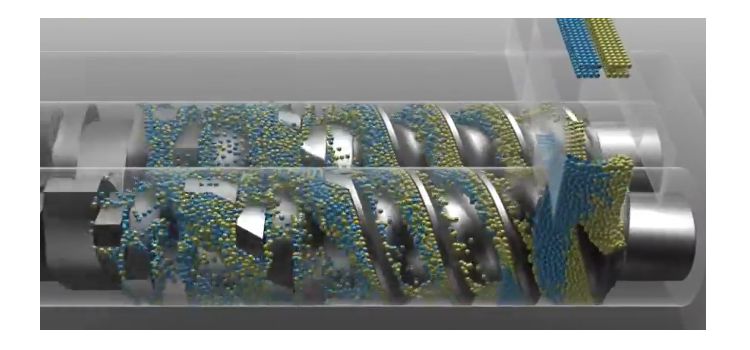
- Plasticizing
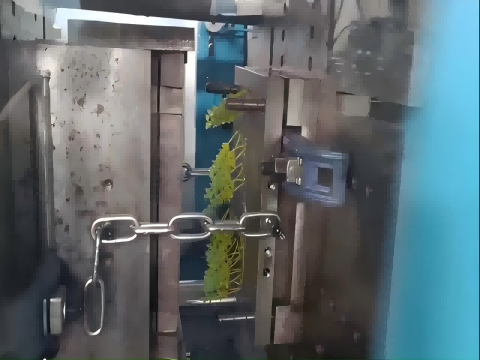
- Mold opening and closing
The machine also needs enough clamping force and mold space for the selected mold.
However, machine tonnage should not depend only on the plant’s weight. The manufacturer should consider projected area, mold size, cavity number, material, and production target together.
This is why we normally ask for the product drawing or sample and mold information before recommending a machine.
Is a Servo Injection Molding Machine Necessary?
A servo system is not a special requirement for making aquarium plants.
The main requirement is stable and repeatable molding.
However, a servo injection molding machine can offer useful control and energy-saving benefits in suitable production conditions.
The servo motor can adjust power according to the machine’s demand instead of running at one fixed output all the time.
For a factory producing plastic aquarium plants for many hours each day, energy use can become an important operating cost.
So, the decision should depend on the production plan, machine size, working hours, and energy requirements rather than simply choosing a servo machine because the product is an aquarium plant.
Can One Mold Make Different Aquarium Plants?
Usually, one mold makes one specific plant design.
For example, a mold for a long leaf cannot normally produce a completely different leaf shape without changing the cavity design.
However, one injection molding machine can run different molds when the molds fit the machine and their production requirements are suitable.
Therefore, a factory that produces many aquarium plant designs may use several molds while sharing the same injection molding machine.
This can make the production setup more flexible.
How Can Manufacturers Improve Production Efficiency?
Production efficiency does not depend only on injection speed.
A complete cycle includes:
Injection → holding → cooling → mold opening → ejection → part handling
If cooling takes too long, increasing injection speed may not improve total output very much.
For larger production, manufacturers can also consider automatic part removal, conveyors, counting systems, and other simple automation.
The right solution depends on production volume. A small factory may prefer manual handling, while a high-volume factory may benefit from more automation.
What Information Should You Send to an Injection Molding Machine Manufacturer?
If you want a machine recommendation for plastic aquarium plant injection molding, prepare the following information:
- Product drawing or sample
- Product size
- Product weight
- Plastic material
- Number of mold cavities
- Mold size, if available
- Target daily output
- Expected cycle time
- Manual or automatic production
- Any special surface or product requirements
With this information, the machine manufacturer can check the required clamping force, injection capacity, mold space, and production conditions.
How Does Haichen Approach Aquarium Plant Production?
At Haichen, we do not select a machine only from the product name.
Instead, we look at the product size, material, weight, mold, cavity number, and expected output together.
For thin aquarium plant parts, we also pay attention to stable filling and cooling because these factors can affect the final shape.
If the customer already has a mold, we can check the mold dimensions and machine requirements.
If the mold is still under design, the product and production information can help us recommend a suitable machine before mold production starts.
This approach helps avoid choosing a machine that looks suitable from the product weight but does not fit the actual mold or production plan.
FAQ
Can plastic aquarium plants be made by injection molding?
Yes. Injection molding can produce plastic aquarium plants with thin leaves, curved shapes, stems, and surface details when the material, mold, and process match the product design.
What plastic is used for aquarium plants?
The material depends on the product and its intended use. PP, PE, PVC, and other suitable plastics may be considered.
The manufacturer should confirm the material requirements for the intended water environment before production.
Why do plastic aquarium plant leaves warp?
Warping can come from uneven cooling, uneven shrinkage, unsuitable holding conditions, early ejection, or uneven product thickness.
Does an aquarium plant need a servo injection molding machine?
No. A servo system is not required just because the product is an aquarium plant. The machine should first provide suitable capacity and stable molding control.
Can one injection molding machine produce different aquarium plants?
Yes. One machine can run different molds when each mold fits the machine and meets its clamping, injection, and mold-space requirements.