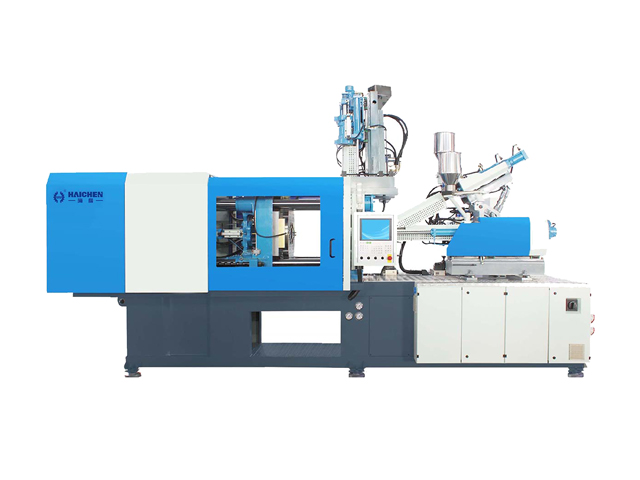
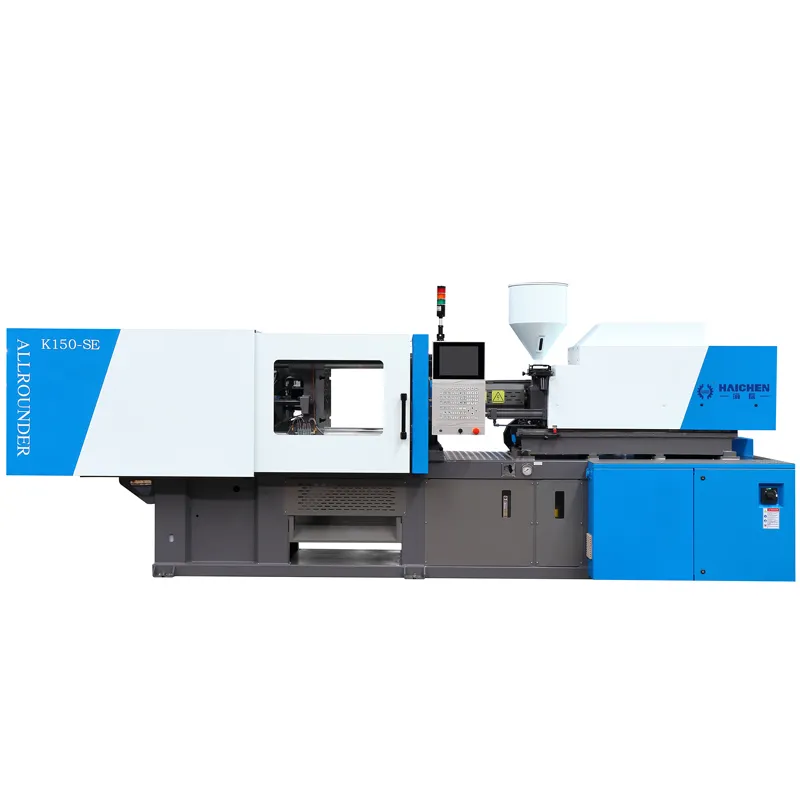
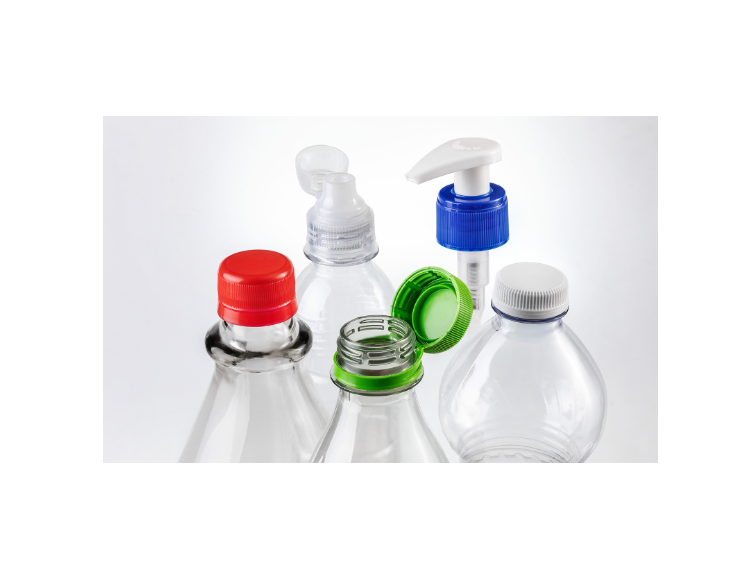
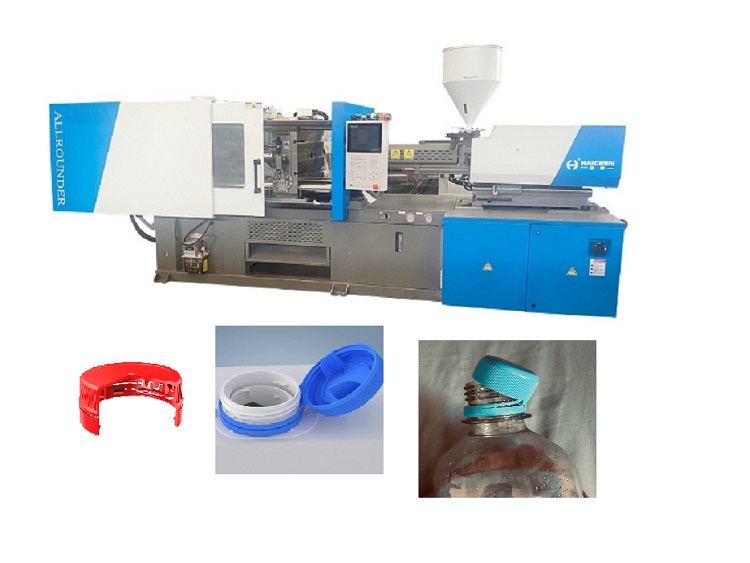
A plastic bottle cap injection molding machine is the core equipment that turns plastic pellets into bottle caps and closures. These caps go on water bottles, soda bottles, juice containers, and many other beverage packages. The global bottle cap mold market reached $6,354 million in 2025** and is forecast to hit **$9,597 million by 2032, growing at a 5.7% CAGR.
Since July 2024, the EU Single-Use Plastics Directive has required tethered caps on all plastic beverage bottles up to 3 liters. A tethered cap stays attached to the bottle after opening, so it does not get thrown away separately. This change forces injection molding machine manufacturers to upgrade their equipment.
A cap injection molding machine must now run faster, mold more complex shapes, and switch between tethered and non-tethered designs with minimal downtime. This guide explains how the tethered cap directive is driving plastic bottle cap injection molding machine technology upgrades — and what you need to know when buying one.
- The Tethered Cap Directive Drives Injection Molding Machine Upgrades
- Speed and Precision – The Two Core Requirements for Cap Molding
- Multi-Cavity Production – 48 to 96 Cavities for High Output
- Flexibility – Switching Between Tethered and Non-Tethered Caps
the Tethered Cap Directive Drives Injection Molding Machine Upgrades
- What the EU Directive Requires
- New Cap Geometries Demand New Machine Capabilities
- The Industry-Wide Investment
What the EU Directive Requires
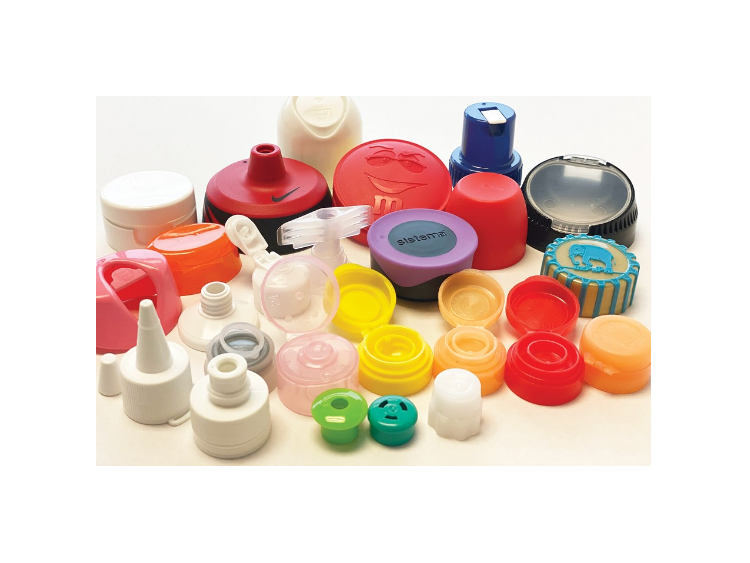
The EU directive requires that plastic closures remain permanently attached to the bottle. This means caps must stay connected even under a breakaway force of 25 Newtons. The directive also pushes for reduced material use — closures are becoming thinner and thinner. As a result, caps are lighter but also more prone to defects.
These requirements affect the entire production line: the injection molding machine tool, injection speed, injection pressure, and the inspection system. Manufacturers must convert their plastic bottle cap injection molding machines to process the new closures.
New Cap Geometries Demand New Machine Capabilities
Traditional caps were rotationally symmetrical — simple to mold, easy to eject. Tethered caps have new, asymmetrical geometries with hinges and tabs. This creates two challenges for the cap injection molding machine.
First, higher injection pressure is needed to fill complex shapes completely. Second, precise temperature control is required to mold thin sections without degrading the material.
The injection molding machine tool itself must change. Molds for tethered caps require extended reliability in milling, EDM, and grinding processes. They also need the ability to machine close tolerances for sharp features and thin walls.
The Industry-Wide Investment
According to industry estimates, the switch to tethered caps will require between €2.7 billion and €8.7 billion in investment across the industry. This covers new injection molding machines, retrofits, and changes to filling and capping systems. Husky, a major supplier, reports that manufacturers need tighter process control and more advanced tooling performance.
Speed and Precision – The Two Core Requirements for Cap Molding
- Faster Cycle Times Are Non-Negotiable
- Precision Control for Thinner Walls
- Higher Injection Pressure for Complex Geometries
Faster Cycle Times Are Non-Negotiable
Bottle caps are produced in massive volumes. A single factory can produce millions of caps per day. Speed is everything.
High-speed cap injection molding machines now achieve cycle times of 1.35 to 4 seconds. A 48-cavity mold on a 427-ton machine can produce 48 caps every 4 seconds. Some systems run even faster — 48-cavity lightweight tethered water caps can achieve cycle times under 3 seconds.
The Wittmann EcoPower Xpress achieves injection speeds up to 650 mm/s and injection pressures up to 2,500 bar. This speed is essential for filling thin-walled cap cavities before the melt cools.
Precision Control for Thinner Walls
As caps get lighter, walls get thinner. This increases the risk of defects like short shots, sink marks, and warpage. A plastic bottle cap injection molding machine must maintain consistent injection pressure and temperature across every cycle.
Haichen’s HCK series machines feature closed-loop control and multi-zone PID temperature control. These systems monitor injection pressure, speed, and position in real time. They correct deviations instantly, ensuring every cap meets the same quality standard.
Higher Injection Pressure for Complex Geometries
Tethered caps have hinges and tabs that traditional caps did not have. These features require higher injection pressure to fill completely. The injection molding machine must deliver consistent pressure without spiking or dropping during the cycle.
Some high-speed machines now offer injection pressures up to 2,500 bar. This allows manufacturers to mold complex tethered cap designs with sharp features and thin walls.
Multi-Cavity Production – 48 to 96 Cavities for High Output
- More Cavities, Lower Per-Unit Cost
- Tonnage Requirements for High-Cavity Molds
- A Case Study
More Cavities, Lower Per-Unit Cost
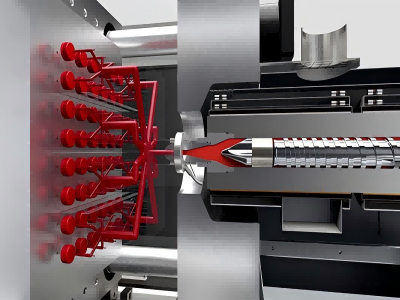
The most effective way to reduce per-unit cost is to increase the number of cavities. Instead of producing one cap per cycle, a multi-cavity mold produces 48, 72, or 96 caps per cycle.
Big brand systems offer cavitation options from 24 to 96 for production flexibility. A 48-cavity mold running at 2.5 seconds can produce over 69,000 caps per hour. A 96-cavity mold can double that output.
Tonnage Requirements for High-Cavity Molds
More cavities mean larger molds and higher clamping force requirements. A plastic bottle cap injection molding machine for high-cavity production typically needs:
| Cavity Count | Recommended Tonnage | Typical Cycle Time |
|---|---|---|
| 24 cavities | 150–200 tons | 4–6 seconds |
| 48 cavities | 250–350 tons | 2.5–4 seconds |
| 72 cavities | 350–500 tons | 2–3 seconds |
| 96 cavities | 500+ tons | 1.5–2.5 seconds |
Some new machines can accommodate a 96-cavity tethered cap mold with a 1,000-ton clamping force.
A Case Study
4.0 tooling platform is designed specifically for tethered cap production. Key features include:
-
8% faster cycle times for maximum throughput
-
30% energy savings compared to previous generations
-
Advanced polymer bushings that reduce steel-to-steel contact and extend mold life
-
Flexibility to switch between tethered and non-tethered closures with minimal changes
Flexibility – Switching Between Tethered and Non-Tethered Caps
- The Need for Quick Changeover
- Mold Design for Flexibility
- Haichen HCK Series for Cap Production
The Need for Quick Changeover
Not all markets require tethered caps yet. The EU requires them, but the US and other regions do not. Manufacturers who sell to multiple markets need to switch between tethered and non-tethered designs quickly.
Modern cap injection molding machines support this flexibility. Husky’s HyCAP™4.0 tooling allows manufacturers to swap between tethered and non-tethered formats with minimal change parts. This reduces downtime and allows faster adaptation to changing regulatory requirements.
Mold Design for Flexibility
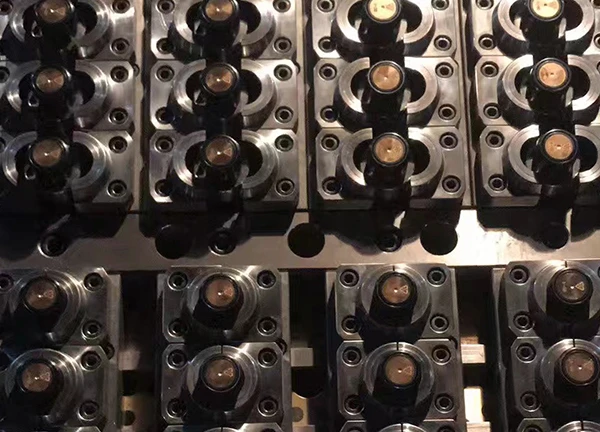
Flexible mold design is essential for manufacturers serving multiple markets. The mold must support both cap types without major tooling changes. Some systems allow switchovers with minimal change parts.
This flexibility reduces the need for separate production lines. A single plastic bottle cap injection molding machine can serve both markets.
Haichen HCK Series for Cap Production
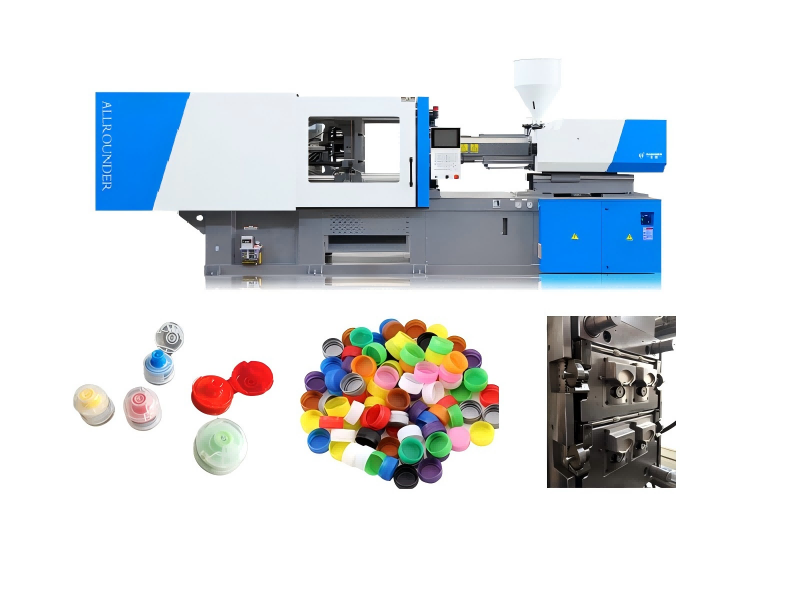
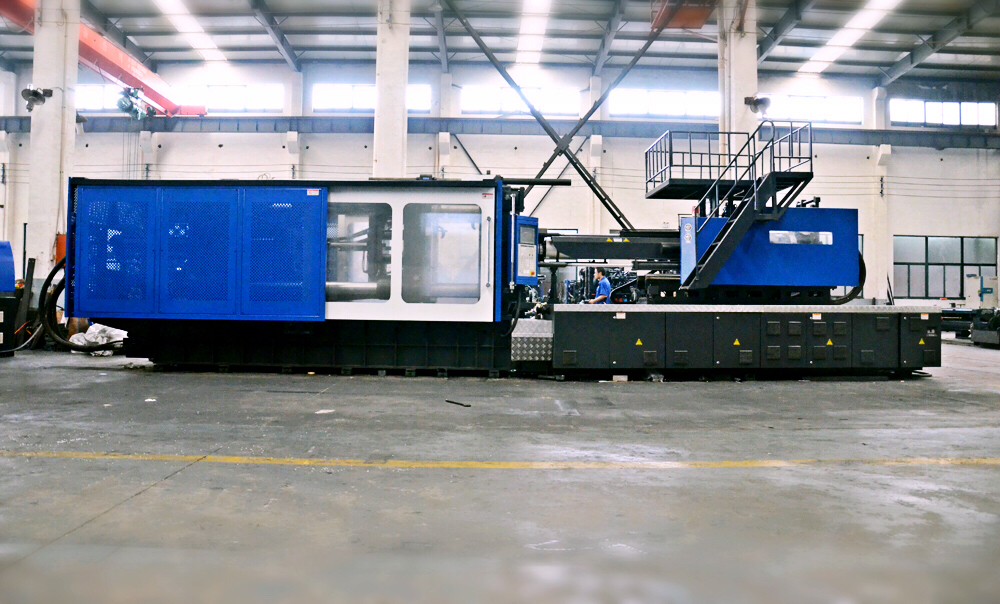
Haichen’s HCK series plastic bottle cap injection molding machines are designed for high-speed, high-precision cap production. Key features include:
-
Servo energy saving – reduces electricity costs by 30–50%
-
Multi-zone PID temperature control – precise temperature management for consistent cap quality
-
CE12 robot interface – supports automation integration for pick-and-place robots
-
Multi-cavity mold support – up to 48 cavities and beyond
Haichen has over 20 years of injection molding machine manufacturing experience. Our HCK series machines are built for 24/7 operation with minimal maintenance.
Most people Asked Questions
What is a plastic bottle cap injection molding machine?
A plastic bottle cap injection molding machine melts plastic pellets and injects the melt into a mold to form bottle caps and closures. The machine heats the plastic, injects it under high pressure, cools it, and ejects the finished caps.
What is the typical cycle time for a cap injection molding machine?
Cycle times vary by machine and mold. High-speed machines achieve 1.35 to 4 seconds per cycle. A 48-cavity mold typically runs at 2.5 to 4 seconds. Some systems can run under 3 seconds for lightweight tethered caps.
How many cavities does a cap mold need?
It depends on your output target. For medium production, 24–32 cavities is common. For high volume, 48 cavities is standard. Some systems run 72 or 96 cavities for ultra-high production.
What materials are used for injection molded caps?
Common materials include PP (polypropylene), PE (polyethylene), and PET. PP is the most common choice for beverage caps due to its balance of strength, flexibility, and cost.
How does the tethered cap directive affect injection molding machines?
The directive requires caps to stay attached to bottles. This means plastic bottle cap injection molding machines must handle new, asymmetrical geometries with hinges and tabs. Machines need higher injection pressure, faster cycle times, and the ability to switch between tethered and non-tethered designs.
What is the difference between tethered and non-tethered caps?
Tethered caps remain attached to the bottle after opening. Non-tethered caps can be removed completely. Tethered caps are required in the EU for beverage bottles up to 3 liters. Non-tethered caps are still common in other markets.
Haichen Machinery – your plastic bottle cap injection molding machine partner. From high-speed production to multi-cavity molds, we help you meet the tethered cap challenge.
Author: Yang, Senior Engineer, Haichen Machinery