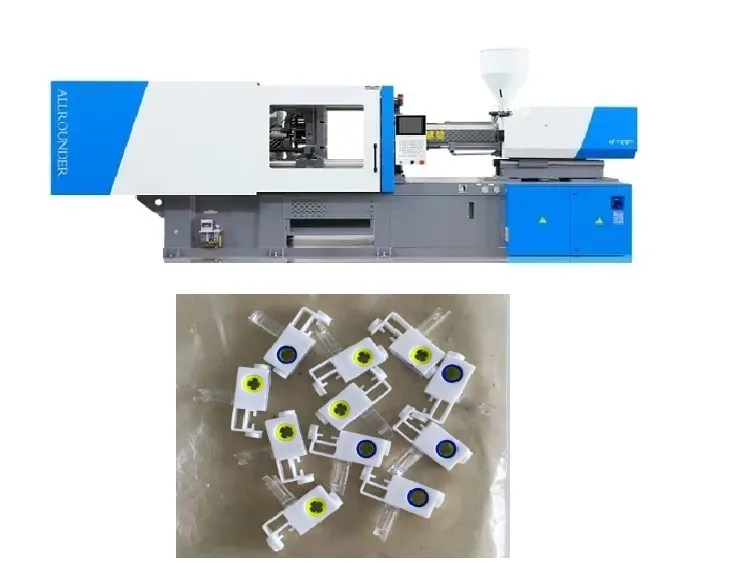
Demand for plastic window blind parts is stable. Window decoration plastic parts include slats, end caps, bead chains, and mounting accessories. These products are small in size and high in volume. They require high precision and efficiency from the injection machine.
Choosing the right plastic blinds injection machine directly affects part precision, assembly yield, and operating cost. Many buyers focus only on clamping force. They ignore shot size matching, mold configuration, and material compatibility.
This article explains the core parameters and purchasing points for plastic blinds injection machines.
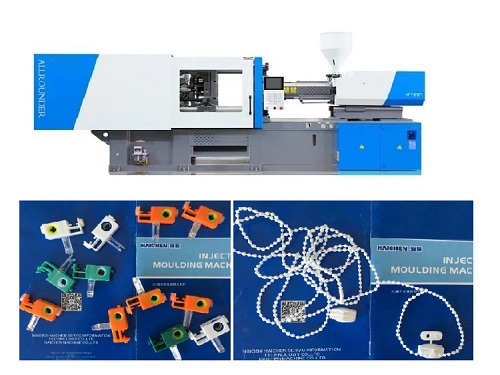
Plastic blinds Clamping Force Selection — Match Tonnage to Product Type
What is a plastic blinds injection machine?
A plastic blinds injection machine produces blinds slats, end caps, bead chains, and mounting accessories. The machine melts POM, PVC, or PP plastic, injects it into a precision mold, and cools it to form window decoration parts. Clamping force usually ranges from 100 to 260 tons. Molds range from 8 to 32 cavities.
Clamping Force Range for Window Blinds Decoration Plastic Parts
Window blinds decoration plastic parts are small. Required clamping force is lower than for large plastic parts. Standard blinds accessory production typically uses 100 to 260 ton machines.
Industry cases provide reference data. The Tederic NEO·T260 injection machine produces white 30# window decoration parts. It has 2600 kN clamping force and 55 mm screw diameter. Injection weight is 571 g. The machine uses a 16-cavity mold. Part weight is 2.2 g. Material is POM.
Clamping force depends on mold projection area and cavity count. A 16-cavity small part mold works with 160 to 200 ton machines. A 32-cavity mold needs higher clamping force.
Platen Size and Mold Matching
Platen size and tie bar spacing must fit the mold. The Tederic NEO·T260 has tie bar spacing of 610×570 mm and mold height range of 220 to 600 mm.
Check three parameters before purchase: tie bar spacing larger than mold width and height, platen size at least 10 cm larger than the mold on each side, and mold thickness within the machine range.
How much clamping force does a plastic blinds injection machine need?
Standard blinds accessory production uses 100 to 260 tons clamping force. A 16-cavity small part mold needs about 160 to 200 tons. A 32-cavity mold requires higher clamping force.
HAICHEN Blinds Injection Machine Clamping Force Configuration
HAICHEN offers injection machines from 30 tons to 3000 tons. This range covers different production needs for blinds accessories and window decoration parts. Our HCK series uses high-rigidity platen structures for long-term batch production. The HAICHEN technical team recommends clamping force based on customer mold drawings and product specifications.
Injection Unit — Precision Determines Window blinds Assembly Yield
Matching Shot Size with Part Weight
Blinds plastic parts typically weigh 1 to 5 grams each. The injection unit shot size should stay between 30% and 80% of machine capacity.
Too low a shot size causes long residence time and material degradation. Too high causes incomplete filling and unstable part dimensions.
The Tederic NEO·T260 uses a 16-cavity mold with 2.2 g part weight and 571 g injection weight. This configuration leaves enough margin.
The Effect of Injection Repeatability
Window decoration plastic parts need automatic assembly after molding. Many parts are picked by robots and assembled directly. Part dimension deviation causes assembly failure.
Tederic NEO·T260 actual data shows: injection weight repeatability of 0.295% and platen parallelism of 0.09 mm. The comparison machine showed 0.816% repeatability and 0.20 mm parallelism.
Higher injection repeatability means less part weight and dimension variation between batches. Higher assembly yield means less scrap loss.
HAICHEN Injection Unit Technical Features
HAICHEN injection machines feature servo-hydraulic injection systems. Injection speed can be set in multiple stages to match the filling needs of different slat wall thicknesses. We offer multiple screw diameter options to match precision requirements for different part weights. The HAICHEN HCK110 model offers 32 mm, 36 mm, or 40 mm screws.
| HCK110 PLASTIC INJECTION MOLDING MACHINE | ||||
| INJECTION UNIT | ||||
| ITEM | UNIT | A | B | C |
| INJECTION UNIT | ||||
| Screw diameter | mm | 32 | 36 | 40 |
| Screw L/D ratio | L/D | 24.7 | 22.0 | 19.8 |
| Shot volume(theoretical) | cm3 | 145 | 183 | 226 |
| Injiection weight(ps) | g | 132 | 167 | 206 |
| oz | 4.7 | 5.9 | 7.3 | |
| Injection pressure | Bar | 2393 | 1890 | 1531 |
| Injection rate | cm3/s | 94 | 118 | 146 |
| Plasticizing capacity | g/s | 8 | 12 | 19 |
| Screw speed (Max.) | r/min | 250 | ||
| CLAMPING UNIT | ||||
| Clamping force | Kn | 1100 | ||
| Space between tie bars(W×H) | mm | 410*360 | ||
| Platens size | mm | 595*545 | ||
| Opening stroke | mm | 350 | ||
| Min.Mold height | mm | 170 | ||
| Max.Mold height | mm | 420 | ||
| Distance between platens(daylight) | mm | 770 | ||
| Ejector stroke | mm | 110 | ||
| Ejector force | Kn | 40 | ||
| OTHERS | ||||
| Systerm pressure | Bar | 175 | ||
| Pump motor | Kw | 15 | ||
| Heating power | Kw | 9.4 | ||
| Oiltank cubage | L | 160 | ||
| Machine dimension(L×W×H) | m | 4.3*1.2*1.6 | ||
| Machine weight | t | 3.6 | ||
Mold Configuration — Multi-Cavity and Cooling Optimization
Why does injection repeatability matter for blinds molding?
Window decoration plastic parts need automatic assembly after molding. Injection weight repeatability directly affects part dimension consistency. Higher repeatability means higher assembly yield. The Tederic NEO·T260 has 0.295% injection weight repeatability and 0.09 mm platen parallelism.
Multi-Cavity Molds and Output Matching
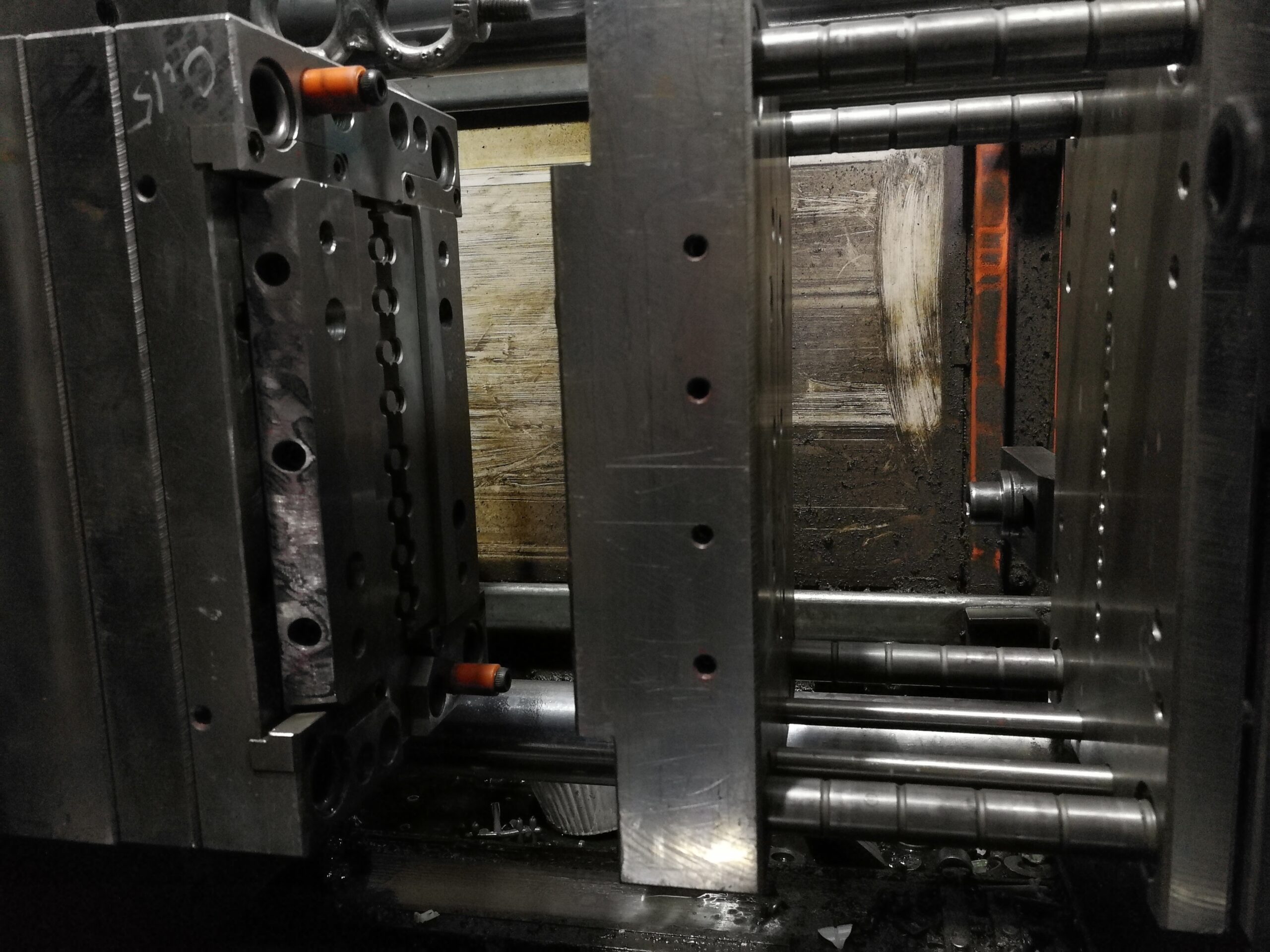
Blinds accessories have high output. Multi-cavity molds are the main way to raise output. Common configurations are 8, 16, and 32 cavities.
Take a 16-cavity mold as an example. The Tederic NEO·T260 cycle time is 21 seconds, 1 to 2 seconds faster than similar machines, with about 9% higher efficiency. At this rate, hourly output is about 2,743 pieces. With 20 hours per day, daily output is about 54,857 pieces.
More cavities require higher clamping force and affect mold cooling uniformity. Buyers should determine cavity count based on target output.
How the Cooling System Affects Cycle Time
Cooling time accounts for more than half of the blinds injection cycle. Slats have thin walls, but mold cooling channel design directly affects cooling efficiency.
Cooling water flow rate matters more than water temperature. Larger pipe diameters and fewer elbows raise flow rate and shorten cooling time.
Tederic NEO·T260 actual production energy consumption is 0.3335 kWh/kg, 13.4% lower than the comparison machine. This data comes from actual production tests under GB/T 25156.2020 and GB/T 30200.2013 standards.
HAICHEN Mold Matching and Cooling Support
HAICHEN supports customers in providing mold drawings for matching confirmation. We recommend cooling channel layouts based on slat wall thickness distribution and mold cavity count. For multi-cavity molds, we help confirm cooling uniformity across cavities to reduce part weight variation from cooling differences. The HAICHEN servo energy-saving system reduces motor speed or stops the motor during the cooling phase to cut energy use.
Material Compatibility — Different Requirements for POM, PVC, and PP
What materials are common for plastic blinds injection molding?
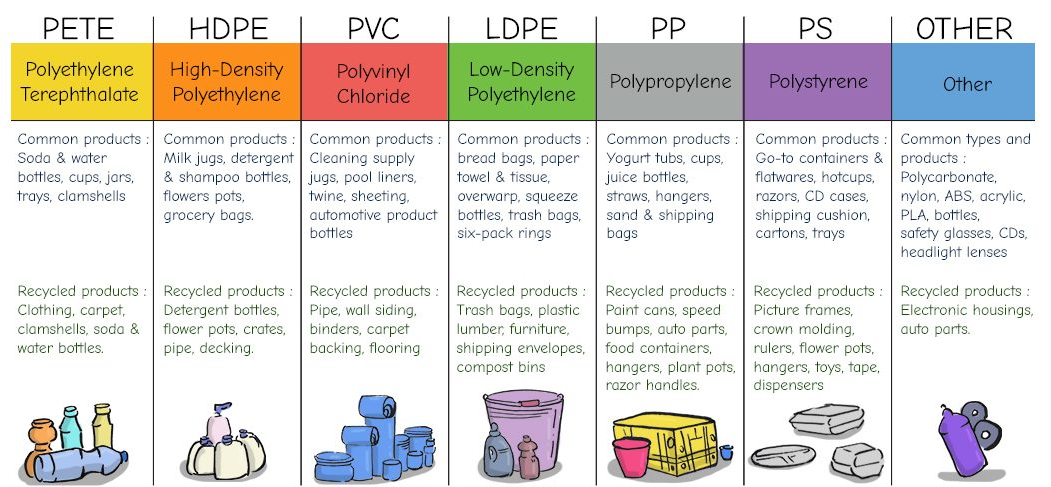
Common materials include POM, PVC, and PP. POM suits moving parts like pivots and bead chains. PVC suits outdoor blinds but releases corrosive emissions during processing. PP suits indoor blinds and roller shade accessories with a mature process.
Processing Points for POM Material
POM has good rigidity and wear resistance. It suits blinds moving parts like pivots and bead chains. The Tederic NEO·T260 uses POM for window decoration part production.
POM has a narrow processing window. It decomposes if held at high temperature too long. POM decomposition can produce flammable gases. Screw design should avoid dead spots to reduce material stagnation.
Choosing Between PVC and PP Material
PVC has low cost and good weather resistance. It suits outdoor blinds. But PVC releases corrosive emissions during processing. Using PVC requires corrosion-resistant screw and barrel configurations and a good venting system.
PP has good toughness and chemical resistance. It suits indoor blinds and roller shade accessories. PP processing temperature is lower and the process is mature. PP has higher shrinkage and needs sufficient holding pressure and cooling.
HAICHEN Material Compatibility
HAICHEN injection machines process PP, PC, ABS, PET, PVC, POM, and other materials. We provide dedicated screw configurations for different materials, including nitrided, hard-plated, and bi-metal screws. For PVC processing, we recommend corrosion-resistant screw configurations. For POM processing, our screw design reduces material stagnation and lowers decomposition risk.
HAICHEN has over ten years of injection machine manufacturing experience. We provide selection consulting, mold matching confirmation, and sample testing for blinds injection machines. Our servo energy-saving system lowers operating costs. Multiple screw configurations suit different plastic window blinds decoration materials.
Contact HAICHEN for plastic blinds injection machine selection advice. Send your product specifications, target material, and mold parameters. We will help you match the right machine.