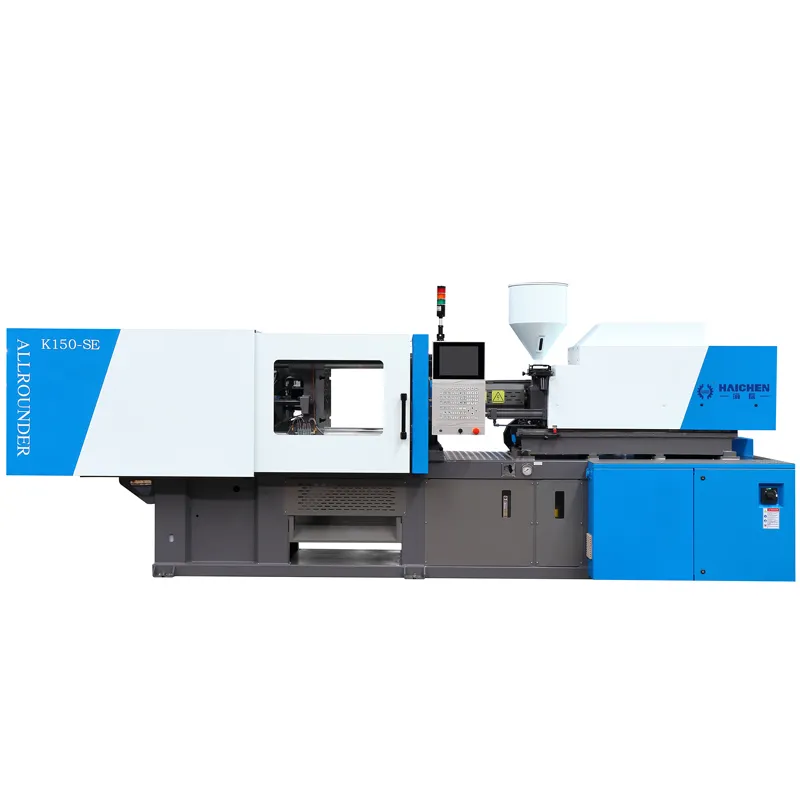
A Injection Molding Machine Factory Acceptance Test (FAT) helps buyers and manufacturers confirm these points before the machine leaves the factory.
Buying an injection molding machine is a major investment. Before shipment, buyers need to check that the machine meets the agreed specifications and works as expected.
As an injection molding machine manufacturer, we recommend checking the machine configuration, main functions, safety systems, and product quality.
A clear FAT plan also helps both sides avoid misunderstandings and delays.
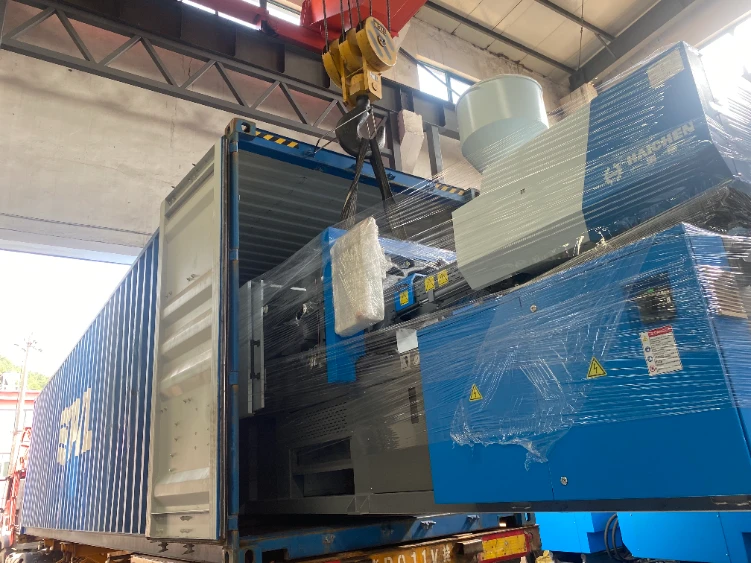
What Is a Factory Acceptance Test for an Injection Molding Machine?
The Purpose of a Factory Acceptance Test
A Injection Molding Machine Factory Acceptance Test checks whether an injection molding machine meets the agreed technical requirements before shipment. It allows buyers to find problems early and confirm that the machine can perform its main functions.
The test may cover machine dimensions, clamping and injection functions, control systems, safety devices, and a production trial. The exact test items depend on the order and the agreement between both sides.
FAT vs. Final Inspection Before Shipment
A final inspection often checks the machine’s appearance, accessories, labels, and packing condition. FAT goes further by testing how the machine works.
For example, buyers can check mold movement, injection, screw recovery, temperature control, and automatic operation. If the order includes a production trial, both sides can also review the sample parts and cycle time.
What Buyers and Manufacturers Should Agree on Before Testing
Before FAT, both sides should confirm:
- The machine model and main specifications
- The test items and test methods
- The mold and material for any production trial
- The target cycle time and product quality requirements, where applicable
- The acceptance criteria and how both sides will record the results
Clear rules help both sides judge the results fairly.
Check the Machine Configuration Against the Purchase Order
Verify Clamping Force and Mold Installation Dimensions
Check that the machine’s clamping force matches the order. Also confirm the tie-bar spacing, mold thickness range, platen dimensions, and other mold installation limits.
The mold must fit the machine and work within its design limits. Do not check clamping force alone, because mold size and installation requirements also matter.
Check Injection Unit Specifications and Screw Configuration
Review the screw diameter, injection capacity, injection pressure, and other agreed injection unit details. Confirm that the screw design suits the planned plastic material and product.
The required injection capacity depends on the total shot weight, including the parts and runner system where applicable. The selected machine should meet the application needs without relying on an unsuitable shot size.
Confirm Control System, Motor, and Optional Equipment
Check the control system, motor type, heating zones, and other options listed in the order. If the machine includes a robot, dryer, loader, or other auxiliary equipment, confirm the agreed model and quantity.
Review the Agreed Technical Documents
Compare the machine nameplate, specification sheet, and order details. Ask the manufacturer to explain any difference before you approve the machine.
Test the Main Functions of the Injection Molding Machine
Test Mold Opening, Closing, and Ejection
Run the mold opening and closing movements. Check whether the machine moves smoothly and reaches the set positions. Test the ejector and confirm that it works as agreed.
Use a suitable test setup and follow the machine’s operating instructions.
Check Injection, Plasticizing, and Screw Recovery
Test the injection unit and screw recovery functions. Check whether the screw rotates, moves forward, and returns as expected.
During a production trial, watch for unstable movements, unusual noise, or alarms.
Verify Heating and Temperature Control
Check each agreed heating zone and confirm that the controller can reach and maintain the required settings under the test conditions.
Review the temperature readings and any alarms.
The test should follow the machine design and the agreed inspection plan.
Test Manual, Semi-Automatic, and Automatic Operation
Where the machine supports these modes, test each one. Confirm that the machine follows the correct sequence and responds to operator commands.
Automatic operation should run with the agreed mold and test setup. Record any alarms, unexpected stops, or cycle interruptions.
Verify Safety Functions and Machine Protection
Check Safety Doors and Interlocking Devices
Check the safety doors and their interlocks according to the machine manual. Confirm that the machine responds as designed when a safety device activates.
Verify Emergency Stop Functions
Test the emergency stop devices according to the manufacturer’s procedure. Confirm that they stop the relevant machine movements as intended, then follow the correct reset procedure.
Test Mold Protection According to the Machine Design
If the machine has low-pressure mold protection, check its operation according to the approved procedure.
This function helps reduce the risk of mold damage during closing, but it does not replace correct mold installation or safe operation.
Record Any Unresolved Safety Issues
Write down any safety problem or failed test. Do not treat an unresolved safety issue as a minor paperwork matter.
Agree on the corrective action and verify the result before shipment.
How to Conduct a Production Trial During FAT
Prepare an Agreed Mold and Plastic Material
Use the agreed mold and plastic material whenever possible. Confirm the mold setup, material grade, and test conditions before the trial starts.
If the buyer cannot send a production mold, both sides should agree on a suitable alternative and note the limits of the test.
Record Cycle Time and Key Process Settings
Record the cycle time along with key settings, such as injection speed, holding pressure, cooling time, and melt or mold temperature where relevant.
Cycle time depends on the product, mold, material, and process settings. Compare results only under agreed and recorded conditions.
Inspect Part Quality and Production Consistency
Check the sample parts for filling, appearance, dimensions, and other agreed quality points.
If the trial includes repeated cycles, compare samples to see whether the process remains stable.
Do not judge machine performance from a single sample when the agreement requires a longer test.
Define Acceptable Results Before the Trial
Both sides should agree on what counts as a pass before testing begins. Define the required sample quality, cycle time, and test duration where relevant.
This avoids disputes caused by different expectations after the trial.
What Documents Should Buyers Receive Before Shipment?
Machine Inspection and Test Records
Ask for the completed FAT checklist, test results, and a record of any issues and corrective actions. Keep a copy for future reference.
Final Machine Specifications and Configuration List
Confirm the final machine model, main specifications, options, and included accessories. The document should match the machine you inspected.
Operation and Maintenance Manuals
Make sure the manuals cover normal operation, routine maintenance, safety, and basic troubleshooting. Ask the manufacturer to clarify any points your team does not understand.
Spare Parts List and After-Sales Support Information
Confirm the recommended spare parts and the support contact details. Also clarify the warranty terms, service process, and availability of technical assistance.
Common FAT Mistakes to Avoid
Checking the Nameplate but Not Testing Machine Functions
A nameplate confirms basic machine information, but it does not prove that the machine works correctly. Test the agreed functions before approval.
Using Different Test Conditions Without Recording Them
Changes in mold, material, temperature, or process settings can affect the results. Record the conditions so both sides can make a fair comparison.
Accepting Unresolved Issues Without a Written Agreement
If a test fails, record the problem, the action needed, and the target date. Confirm who will verify the correction and how both sides will close the issue.
FAQs About Injection Molding Machine FAT
Is a Production Trial Necessary Before Shipment?
A production trial is useful when buyers need to confirm part quality, cycle time, or process performance.
However, the need for a trial depends on the order, the available mold, and the acceptance agreement.
Can Buyers Conduct FAT Remotely?
Yes. Buyers can join through a live video call if they cannot visit the factory. Ask the manufacturer to show the machine identification, agreed tests, test conditions, and results clearly.
Remote FAT should follow the same agreed checklist as an on-site test.
What Should Happen if the Machine Fails an Acceptance Test?
Record the failed item and discuss the cause with the manufacturer. Agree on corrective actions, repeat the relevant test, and document the final result.
Buyers should follow the contract and the agreed acceptance procedure before approving shipment.
Final Checklist Before Shipment
Before approving an injection molding machine for shipment, make sure you have:
- Confirmed the machine configuration against the order
- Checked the main machine functions
- Verified the agreed safety tests
- Reviewed the production trial results, if required
- Received the inspection records and technical documents
- Agreed on how to handle any open issues
A well-planned FAT helps buyers make decisions based on clear test results rather than promises alone.
As a manufacturer, Haichen recommends agreeing on the test plan early and keeping a written record of the results. This gives both sides a clearer path from machine production to installation and operation.