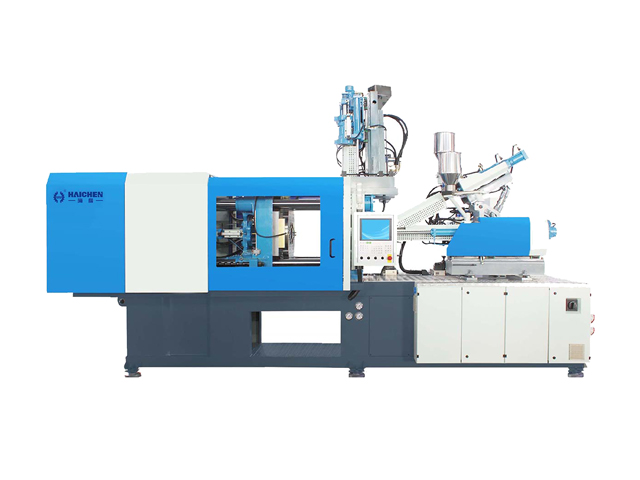
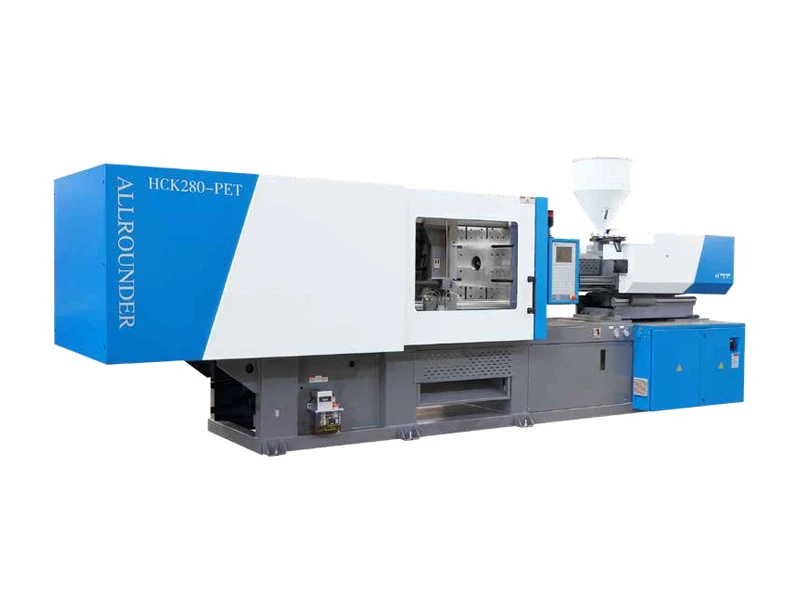
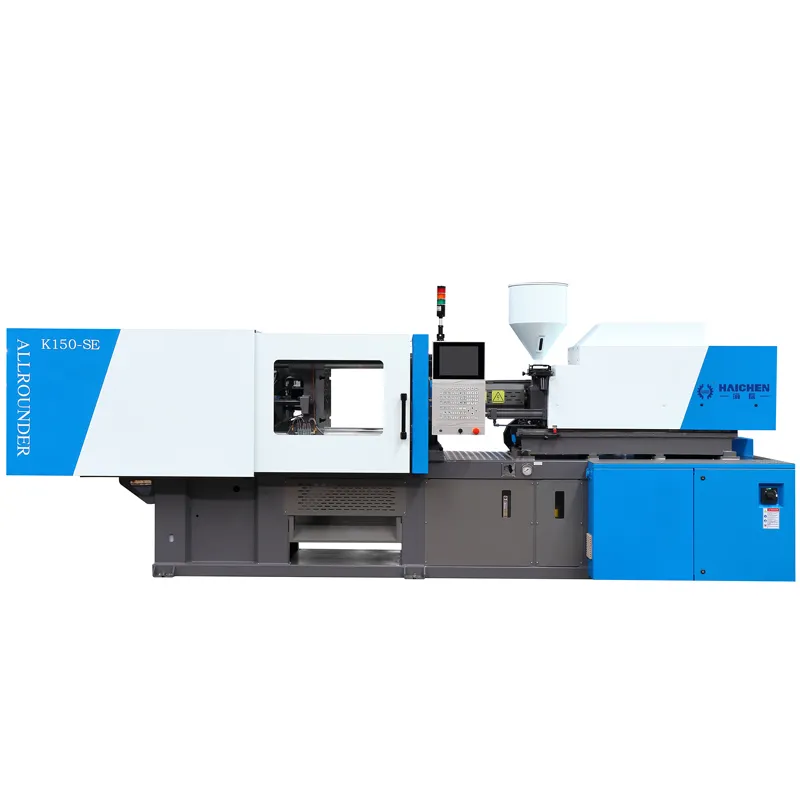
Plastic basin clamping unit troubleshooting is a daily necessity for manufacturers producing large plastic basins. Clamping unit stability directly determines product quality and production efficiency. This guide provides practical, step-by-step troubleshooting methods based on real production data from large-scale plastic basin manufacturing.
This guide covers common plastic basin clamping unit troubleshooting issues — low clamping force, unstable speed, and weak ejection — along with systematic self-check methods including the paper test, force calculation, and toggle inspection, all backed by real production data.
But let’s put this in perspective: For a large plastic basin production line running 24/7, a 2% flash rate doesn’t just mean ugly edges—it translates to up to $8,000 in wasted raw material and rework labor every single month. Worse, unstable clamping speed can shatter a $15,000 mold in a split second. Weak ejection? That stops your entire line for manual removal, costing you hours of productive time.
The root causes of these faults are not complicated. They usually concentrate on three areas: hydraulic system wear, inadequate lubrication management, and unreasonable pressure settings. Through several simple systematic checks—such as using the paper test to verify parting line fit, calculating whether clamping force matches the projected area, and regularly inspecting toggle mechanisms and lubrication conditions—most problems can be detected and addressed before they escalate.
Here’s how to stop the bleeding.
Common Issues in Plastic Basin Clamping Unit Troubleshooting
In large plastic basin production, the clamping unit most frequently experiences the following three types of issues:
| Issue | Symptom | Consequence |
|---|---|---|
| Low clamping force | Mold cannot close tightly | Flash on basin edges, material waste |
| Unstable clamping speed | Erratic, jerky motion | Risk of mold damage, production delays |
| Weak ejection | Basin stuck in mold | Unplanned downtime, manual removal |
Low Clamping Force — Typically from Wear or Leakage
If you notice flash (excess plastic material) along the edges of your plastic wash basin, insufficient clamping force is the likely culprit. For a large plastic basin, the large projected area generates significant cavity pressure during injection, demanding higher clamping force.
| Possible Cause | What You May Observe | Recommended Check |
|---|---|---|
| Worn hydraulic seals | System pressure fails to reach setpoint | Inspect hydraulic cylinder seals, replace if necessary |
| Hydraulic oil leakage | Oil level drops noticeably, pressure gauge fluctuates | Check line connections, top up hydraulic oil |
| Loose mechanical fasteners | Increased machine vibration, clamping force gradually drops | Regularly tighten all clamping mechanism bolts |
Recommendation: If flash rate suddenly increases, start by checking hydraulic system pressure and oil level, then inspect seal conditions, and finally tighten all mechanical connections. These three steps resolve most low‑force issues.
Unstable Clamping Speed — Typically from Air or Lubrication Issues
A jerky, stuttering, or erratic mold closing motion indicates unstable clamping speed. Molds for large plastic basin products often weigh hundreds of kilograms—unstable speed can cause mold collisions, leading to very high repair costs.
| Possible Cause | What You May Observe | Recommended Check |
|---|---|---|
| Air in the hydraulic system | Clamping motion chatters, jerks | Bleed the system via the exhaust valve, check oil tank level |
| Insufficient or contaminated lubricant | Toggle joints move stiffly | Inspect all lube points, top up or replace grease |
| Contaminated or worn hydraulic valve spool | Flow rate fluctuates | Clean or replace the valve spool |
Recommendation: Spending a few minutes checking all lubrication points before daily startup prevents most speed fluctuation issues. Regular hydraulic system bleeding also helps maintain smooth motion.
Weak Ejection — Typically from Low Pressure or Insufficient Grease
A plastic basin tub has a large contact area with the mold core, resulting in high demolding resistance. If ejection force is insufficient, the basin plastic cannot be pushed out, requiring manual removal that interrupts production and risks mold damage.
| Possible Cause | What You May Observe | Recommended Check |
|---|---|---|
| Ejector pressure set too low | Slow ejection, weak force | Review and adjust ejector pressure setting |
| Ejector cylinder seal leakage | Weak ejection, sluggish action | Inspect ejector cylinder seals |
| Poor lubrication on ejector guide pins | Ejection sticks, uneven motion | Clean guide pins and re‑apply grease |
Recommendation: First verify ejector pressure settings, then check for leaks in the ejector cylinder, and finally ensure guide pins are well‑greased—these three checks address most ejection problems.
Fault Quick Diagnosis Table
| Symptom | Primary Check | Secondary Check | Most Likely Cause |
|---|---|---|---|
| Flash on basin edge | Clamping force | Mold parting line | Insufficient clamping or worn mold |
| Incomplete filling | Injection pressure | Nozzle temperature | Low pressure or blocked nozzle |
| Slow unstable clamp speed | Hydraulic oil level | Lubrication points | Air in system or low oil |
| Bowl sticks in mold | Ejector pins | Mold release | Worn pins or inadequate release agent |
| Warped basin | Cooling time | Mold temperature | Uneven cooling or short cooling time |
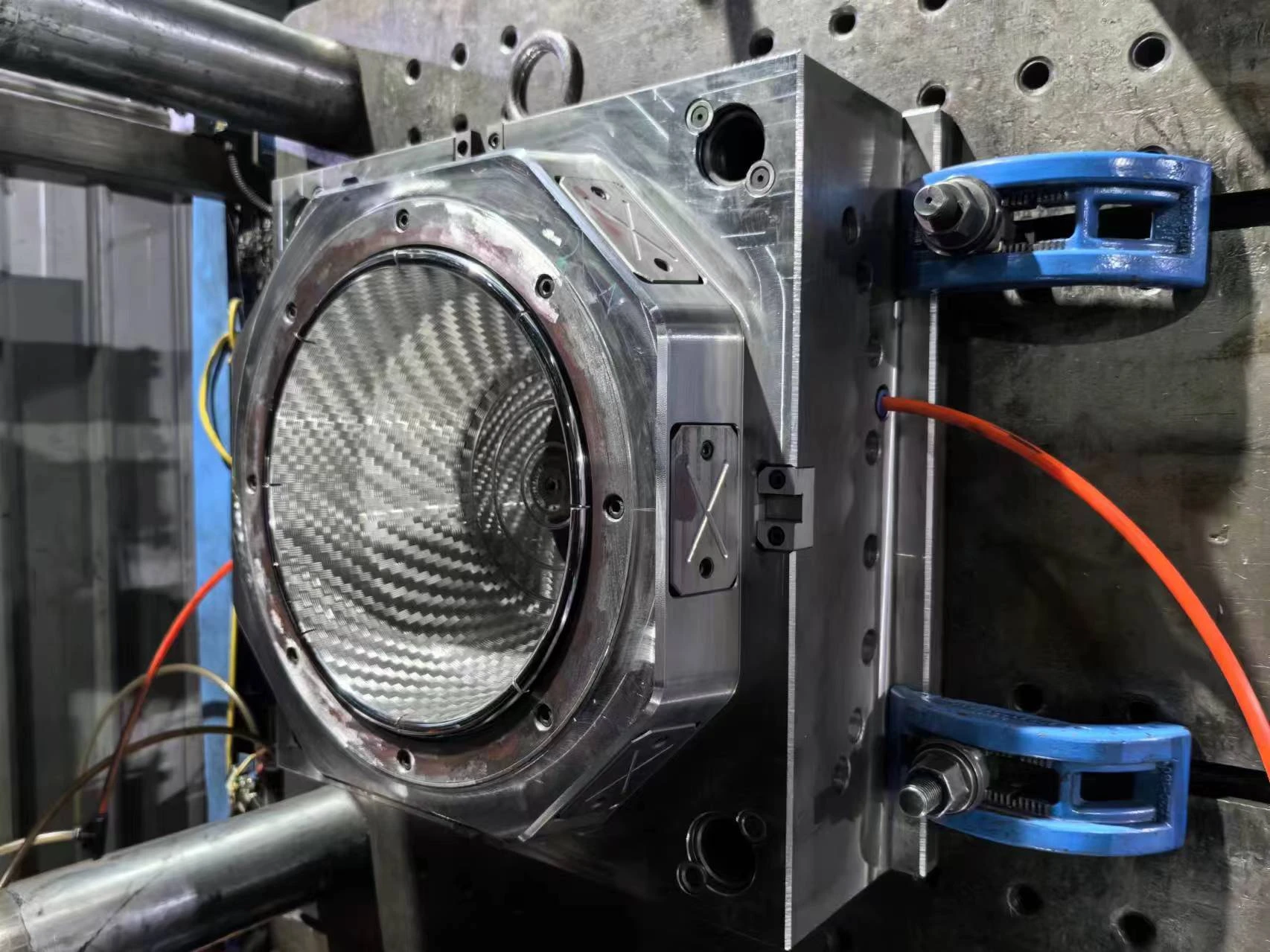
Three-Step Systematic Self-Check Process
We recommend incorporating the following three checks into your daily maintenance routine. They help detect issues before they escalate:
- Paper test — Verify parting line uniformity
- Force calculation — Confirm machine tonnage matches product requirements
- Toggle inspection — Check toggle mechanism and lubrication
Paper Test — Check Parting Line Fit
A practical technique: place thin paper strips at multiple points along the parting line, close the mold with normal clamping force, open it, and examine the impressions. Uniform compression marks indicate even clamping force distribution. Uneven marks—some deep, some light—suggest platen deflection or parallelism issues.
Note: Large plastic basin molds have oversized platens, making deflection more common than in smaller molds. If you find uneven impressions, inspect tie bar elongation for consistency.
Force Calculation — Verify Adequate Clamping Tonnage
Clamping force requirement depends on the projected area of the molded part. The formula is F = (Am × Pv) / 1000 (F in tons, Am = projected cavity area in cm², Pv = cavity pressure in kg/cm²). Large plastic basin production typically requires 180 to 800 tons of clamping force.
Note: If the calculated requirement approaches or exceeds your machine’s rated capacity, consider upgrading to a higher‑tonnage machine or optimizing mold design to reduce projected area—otherwise, flash problems will persist.
Free Tonnage Verification — Let Our Engineers Help
Want us to run a free tonnage verification for your current mold design? A slight miscalculation leads to persistent flash and wasted material. Simply share your mold dimensions (Length × Width) with our engineers, and we’ll send you a detailed fit report within 24 hours—at no cost.
Toggle Inspection — Check Mechanism and Lubrication
The toggle is the core mechanical component of the clamping unit. Large‑tonnage injection molding machines typically have 20 to 40 grease fittings on the toggle mechanism. Each requires regular lubrication—apply fresh grease until old grease purges from the joint gaps.
Critical Reminder: Avoid leaving the mold closed and clamped during extended production stops. The lubricant in toggle joints can gradually be squeezed out, making it extremely difficult to reopen the mold later—this is a common pitfall many factories have encountered.
Production Verification: How Systematic Checks Improve Long-Term Stability
To verify the effectiveness of the three‑step self‑check process, let’s look at a real production case.
A manufacturer running a 340×200×150 mm PP woven‑pattern basin on a 280‑ton injection molding machine found that after implementing the paper test, tonnage verification, and daily toggle lubrication, their flash rate dropped from 2.1% to under 0.5% within two weeks—without replacing any parts. Cycle time stabilized at approximately 15 seconds in actual batch production.
Measured Results Before and After Systematic Checks
| Metric | Before Systematic Checks | After Systematic Checks |
|---|---|---|
| Flash rate | 2.1% | <0.5% |
| Cycle time | Inconsistent (17–22 sec) | Stable at ~15 sec |
| Unplanned downtime | ~4 hours/month | <1 hour/month |
What This Case Confirms
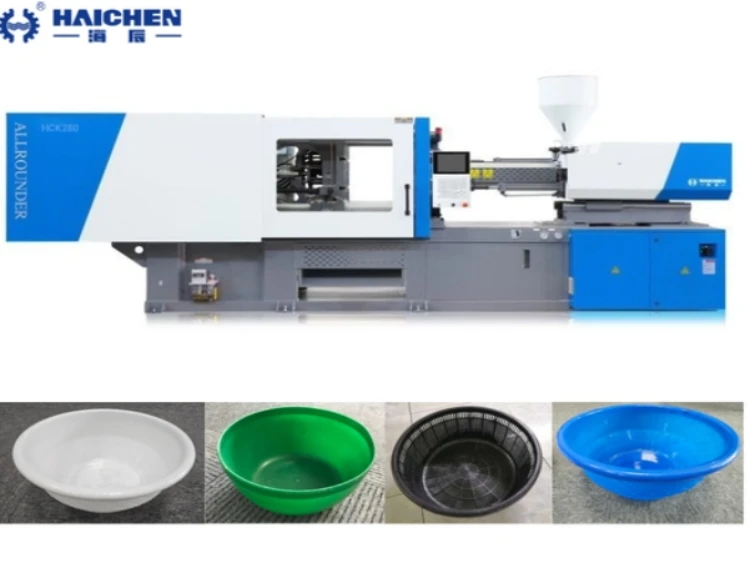
Most clamping issues are preventable through disciplined checks. When combined with a well‑maintained machine like the Haichen HCK280 used here, long‑term stability becomes a consistent reality rather than a daily struggle.
Machine Selection Considerations
For manufacturers considering equipment upgrades, the same three checks apply: verify clamping force matches your basin’s projected area, inspect toggle lubrication points daily, and monitor speed consistency. The 180–400 ton range generally covers most single‑cavity large basin applications, but always validate with the F = (Am × Pv) / 1000 formula before finalizing any purchase.
Control Precision and Mold Protection
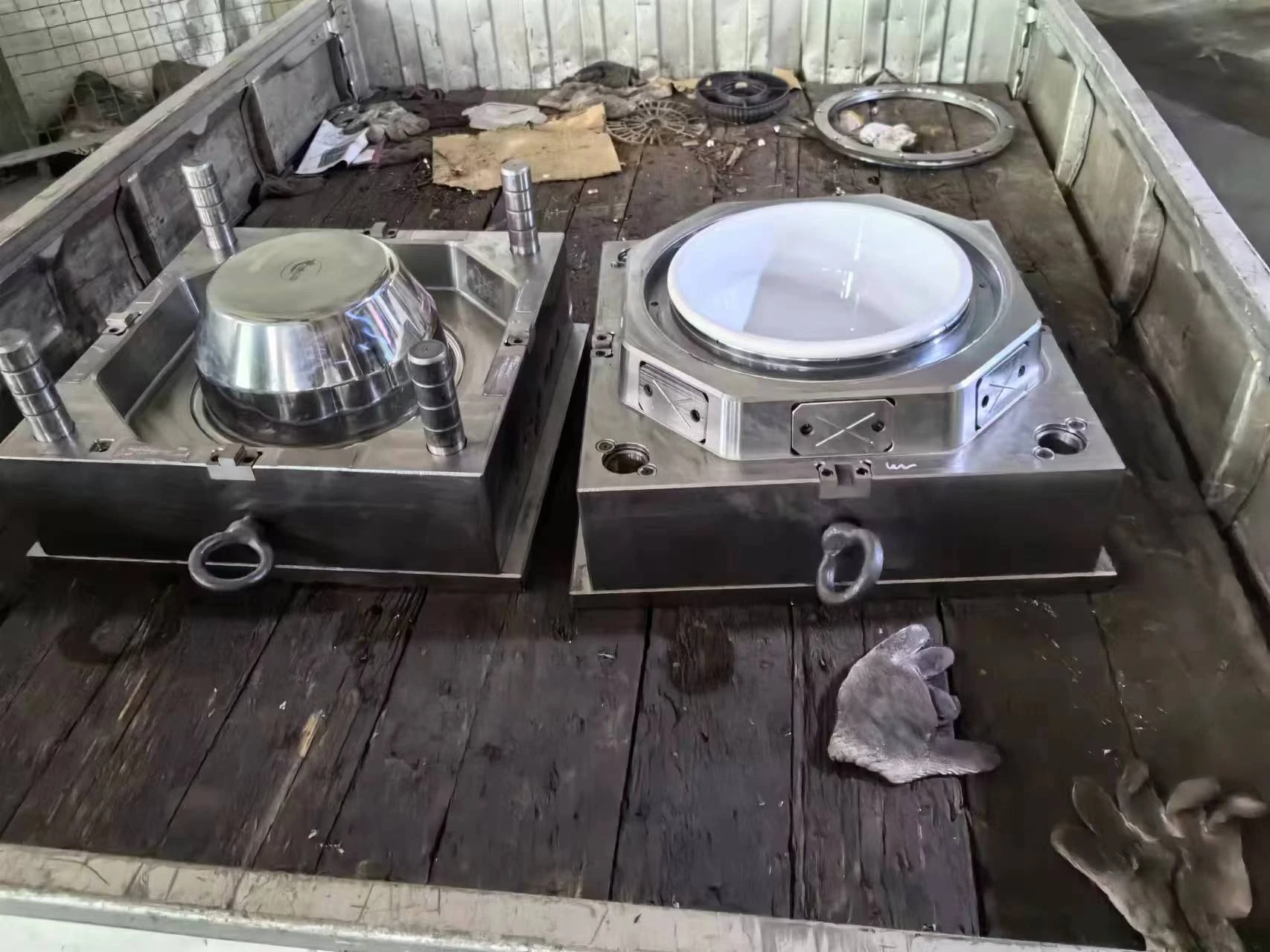
Smooth mold closing motion is essential for protecting large and expensive molds. High‑precision position sensors combined with multi‑stage speed and pressure adjustment help prevent impact damage during mold opening and closing.
Frequently Asked Questions
Q: We are currently using another brand. Is retrofitting to a Haichen machine difficult?
A: Not at all. Our HCK series uses a standard interface. We provide onsite installation guidance and remote debugging support to ensure your new machine integrates seamlessly within 48 hours.
Q: What about after‑sales parts for the clamping unit?
A: All critical parts (seals, toggle bushings, sensors) are stocked in our overseas warehouses. For urgent breakdowns, we can ship express parts within 3 working days to minimize your downtime.
Q: How do I know if my basin mold needs a 280‑ton or 400‑ton machine?
A: Use the formula F = (Am × Pv) / 1000. For a typical 340×200mm single‑cavity PP basin, 280 tons is sufficient. If your basin exceeds 500mm in length or uses multi‑cavity molds, you’ll likely need 400–800 tons. Send us your mold dimensions, and we’ll calculate it for you—free of charge.
Q: How often should I lubricate the toggle mechanism?
A: Daily before startup is the industry standard. Each grease fitting should receive fresh grease until old grease purges from the joint gaps. Never skip this—it’s the single most cost‑effective maintenance habit you can adopt.
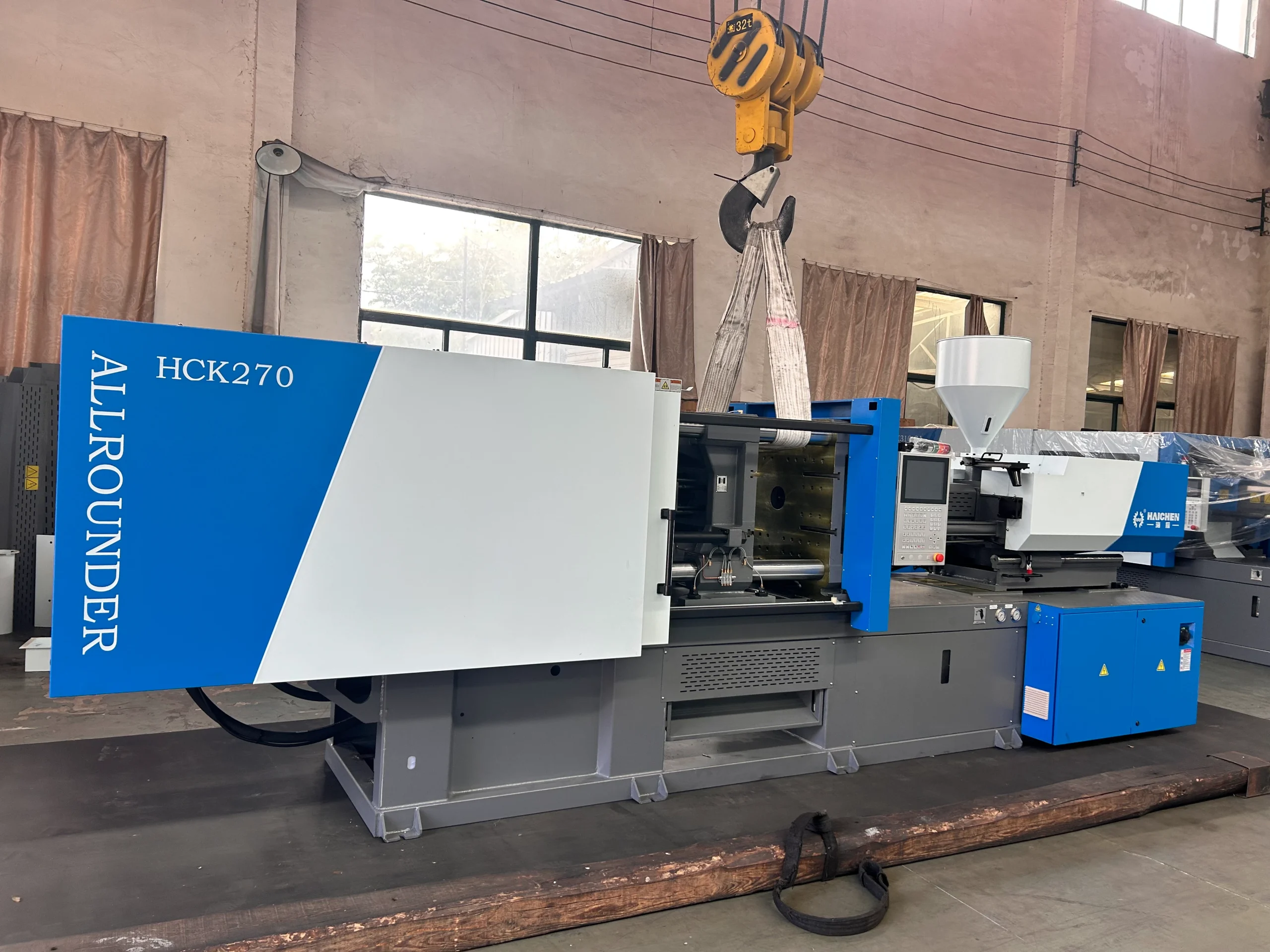
For manufacturers experiencing persistent clamping issues despite following the troubleshooting steps above, equipment upgrade or replacement may be necessary. Haichen’s HCK280 servo injection molding machine features double-lip German-sourced seals (300% longer life than standard seals), ±1% clamping force consistency, and 220mm ejection stroke — specifications that address the root causes of the three most common basin clamping faults.