Understanding PET jar production cost is essential for manufacturers looking to optimize packaging efficiency. PET jars are widely used in packaging for honey, jams, condiments, nut butters, cosmetics, and personal care products.
As a manufacturer of injection molding machines with extensive experience in PET packaging production, Haichen Machinery has helped hundreds of clients optimize their PET jar production cost through proper equipment selection and process optimization.
This article provides a complete PET jar production cost breakdown from two dimensions — material costs and manufacturing costs — with real production data from our HCK series servo machines.
Material (Resin) Costs — The Largest Cost Driver
Raw material cost is calculated by multiplying the final jar weight by the global market price of bottle-grade PET resin. A typical 30g honey PET jar uses only 30g of PET resin. At a resin price of $1,100 per ton, the material cost per jar is just $0.033. A $200 per ton price increase adds only $0.006 per jar, which is negligible for small-batch production.
Moreover, PET jars can use recycled PET (rPET) or off-grade resin, which cost 20-30% less than virgin bottle-grade resin, directly lowering material expenses.
Material Cost Formula:
Material Cost per Jar = (Jar Weight in grams / 1000) × Resin Price per kg
Resin Price Volatility — What It Means for Your Bottom Line:
A ±$100/ton swing in PET resin price translates to approximately $0.003-$0.005 per jar for a 30g container. For a production line running 10,000 jars per day, that’s $30-$50 per day — or up to $15,000 per year in cost fluctuation. This is why lightweighting and rPET blending are two of the most effective cost-control strategies for PET jar manufacturers.
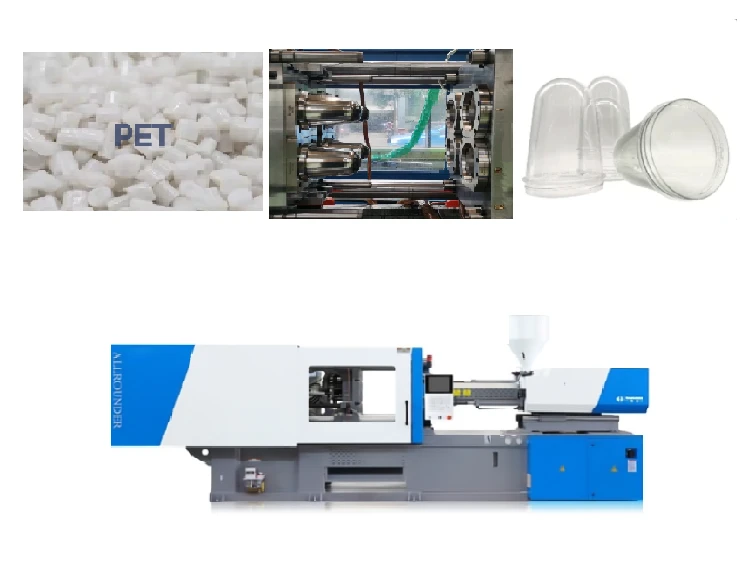
Manufacturing Costs: Preform Injection Molding + Stretch Blow Molding
PET jar manufacturing costs are significantly lower than preform production, mainly reflected in equipment and mold investment.
Why PET Jars Cost Less to Manufacture Than PET Bottles
Unlike preforms for carbonated beverage bottles, PET jars feature thicker walls, simpler shapes, and lower pressure requirements, which translate into significant cost advantages in equipment and mold investment.
Machine Tonnage: 120-200T vs. 300T+ for Preforms
Preform production requires high-pressure, high-speed injection machines above 300 tons. In contrast, PET jar wall thickness (1.5-3mm) allows 120-200 ton servo injection machines to meet clamping requirements. A new 160-ton servo machine costs roughly $18,000-$22,000, far less than a 350-ton preform machine at $40,000+.
Servo Energy Savings — Quantified:
Beyond machine tonnage, drive technology significantly impacts PET jar production cost. Conventional hydraulic machines run pumps continuously, wasting energy during idle and cooling phases. Servo-driven machines, like Haichen’s HCK series, only consume power when the screw moves or the mold clamps. According to industry benchmarks, servo-hydraulic machines achieve specific energy consumption of 1.9-3.0 kWh/kg, compared to 3.5-5.0 kWh/kg for fixed-pump hydraulic machines — a reduction of 40-50%. For a 160-ton machine running 22 hours per day, this translates to approximately $500-$700 in annual electricity savings.
Mold Costs: $3,000-$8,000 vs. $20,000-$60,000 for Preforms
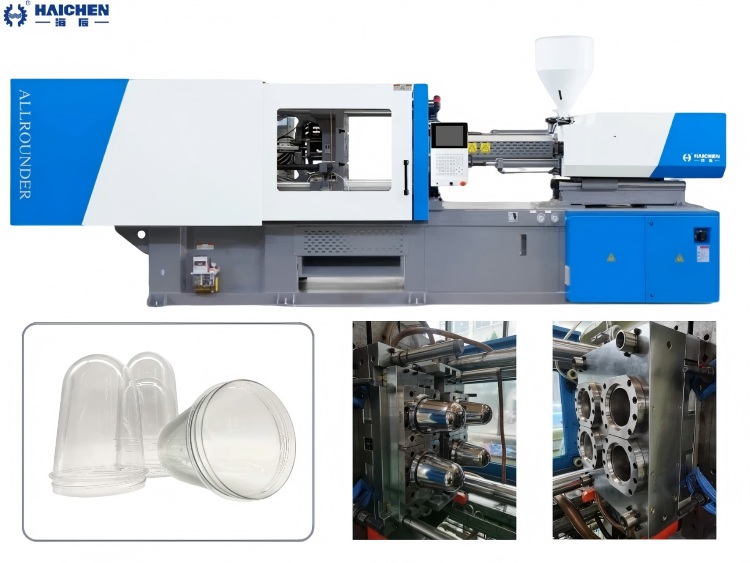
Preform molds often have 32-72 cavities with complex hot runner systems, costing $20,000-$60,000. PET jar molds are much simpler: 1-4 cavities, standard hot or cold runners, costing only $3,000-$8,000. Maintenance is also easier, reducing downtime costs.
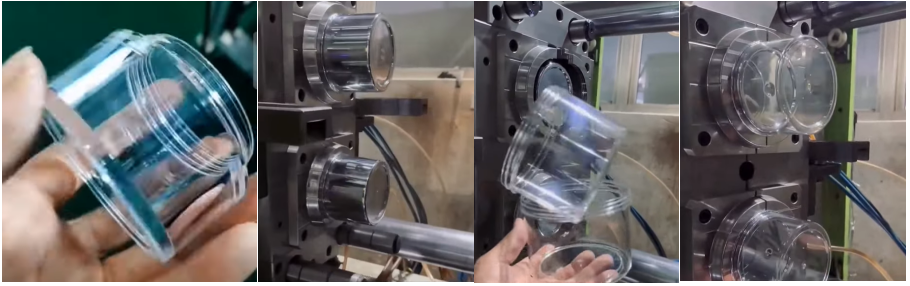
Cost Breakdown Comparison Across Common PET Jar Types
The table below compares three typical PET jar types (based on virgin PET at $1,100/ton, using servo equipment):
| Cost Item | Honey Jar (30g) | PET Easy-open Can (25g) | Wide Mouth Jar (80g) | Haichen Recommended Model |
|---|---|---|---|---|
| PET Resin | $0.0330 | $0.0275 | $0.0880 | — |
| Electricity (Servo) | $0.0096 | $0.0110 | $0.0180 | — |
| Labor & Overhead | $0.0120 | $0.0110 | $0.0150 | — |
| Mold Amortization | $0.0090 | $0.0075 | $0.0175 | — |
| Lid (if applicable) | — | $0.018-$0.025 | — | — |
| Total per Unit | $0.0636 | $0.064-$0.071 | $0.1385 | HCK 150 / HCK 180 / HCK 230 |
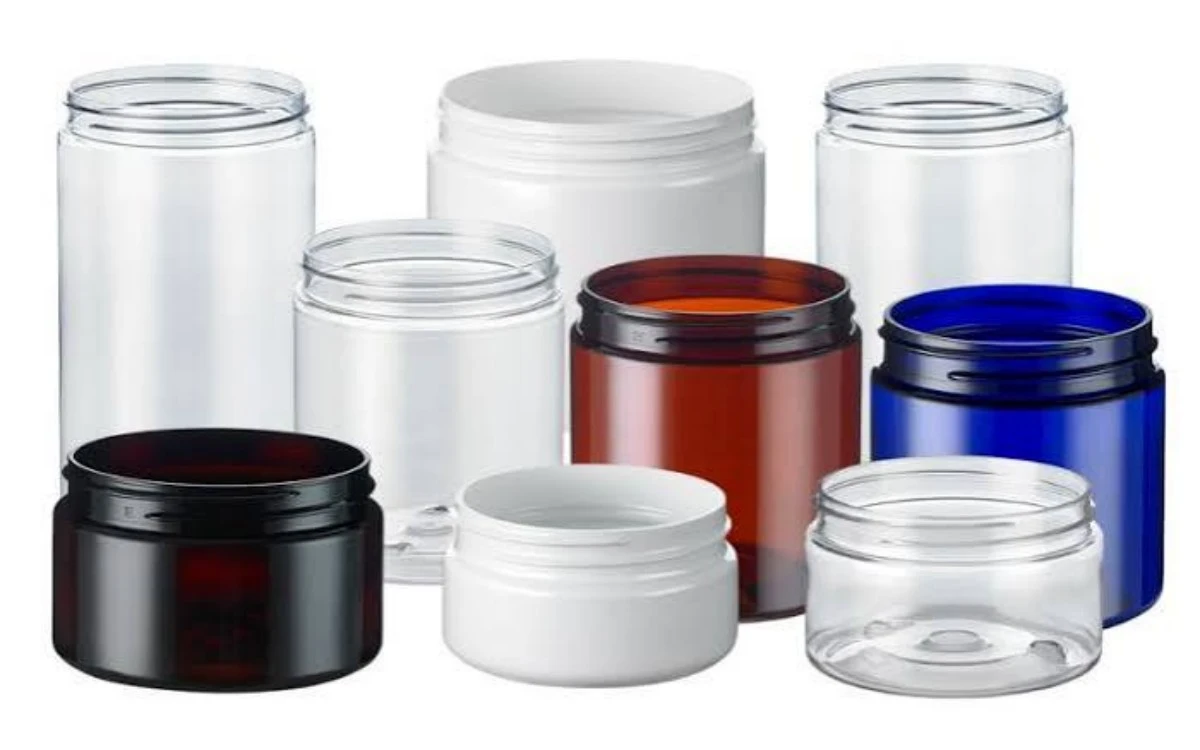
How to Reduce PET Jar Production Costs
Switch to rPET — Save Up to 30% on Resin
If using rPET at 30% lower cost, the total cost for a honey jar drops from $0.0636 to about $0.048, a reduction of 24%. This is a highly attractive cost advantage for PET jar manufacturers.
Upgrade to Servo-Driven Machines — Save $500-$700/Year in Electricity
Electricity is the second largest variable cost after resin. Conventional hydraulic machines run pumps continuously, wasting energy. Servo-driven machines only consume power when the screw moves or the mold clamps; during idle or cooling, the servo motor stops completely. For a typical 160-ton machine running 22 hours per day, this saves about $500-$700 per year in electricity. Over 5 years, the savings exceed the machine’s initial energy premium.
Real Production Data from Haichen HCK Series
The following table shows actual energy consumption and output data from Haichen HCK series servo machines in real PET jar production:
| PET Jar Type | Machine Model | Cavities | Daily Output (22h) | Electricity Cost per 1,000 pcs |
|---|---|---|---|---|
| Honey Jar (30g) | HCK 150 | 2 | 9,900 pcs | $0.72 |
| PET Easy-open Can (25g) | HCK 180 | 4 | 22,600 pcs | $0.48 |
| Wide Mouth Jar (80g) | HCK 230 | 2 | 7,540 pcs | $1.15 |
| Spice Jar (15g) | HCK 110 | 4 | 28,800 pcs | $0.35 |
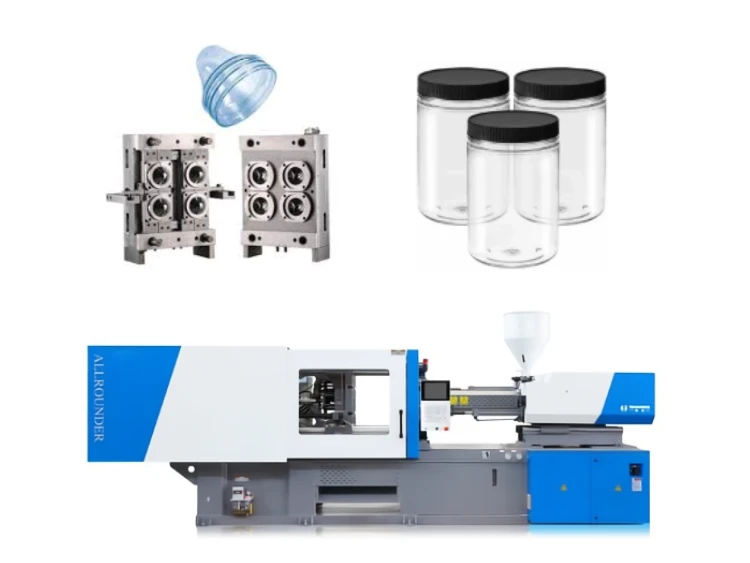
Frequently Asked Questions
Q: What is the average PET jar production cost per unit?
A: For a standard 30g honey jar using virgin PET at $1,100/ton, the total cost is approximately $0.064 per unit (including resin, electricity, labor, and mold amortization). With rPET at 30% lower cost, this drops to about $0.048 per unit — a 24% reduction.
Q: What tonnage injection molding machine do I need for PET jar preforms?
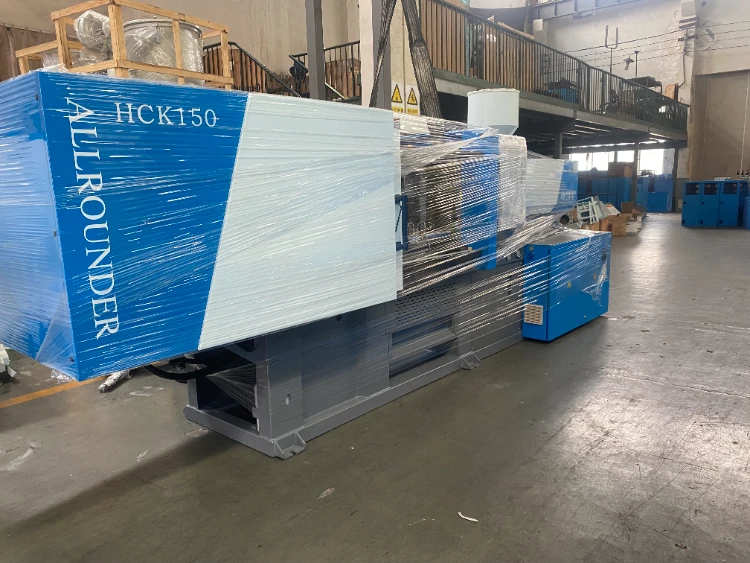
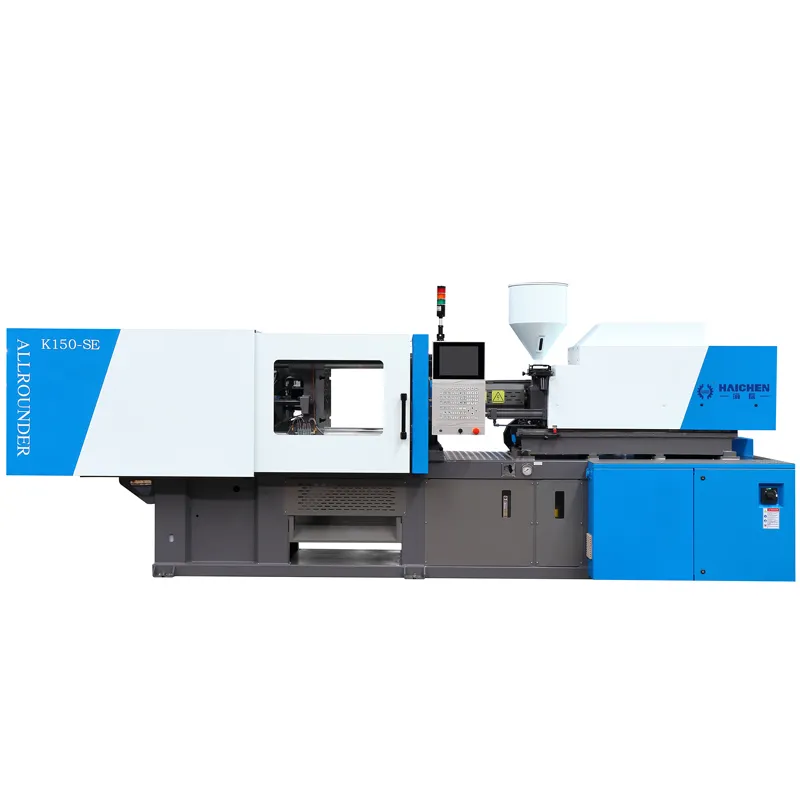
A: PET jar preforms typically require 120-200 tons of clamping force. Haichen‘s HCK 150, 180, and 230 models are commonly used for honey jars, easy-open cans, and wide-mouth jars respectively.
Q: How much can I save by switching to a servo-driven machine?
A: For a 160-ton machine running 22 hours/day, servo technology saves approximately $500-$700 per year in electricity compared to conventional hydraulic machines. Over 5 years, the savings exceed the machine’s initial energy premium.
Q: Can I use recycled PET (rPET) for jar production?
A: Yes. rPET typically costs 20-30% less than virgin bottle-grade PET resin. Many manufacturers are now blending 30-50% rPET with virgin resin to reduce material costs while maintaining quality.