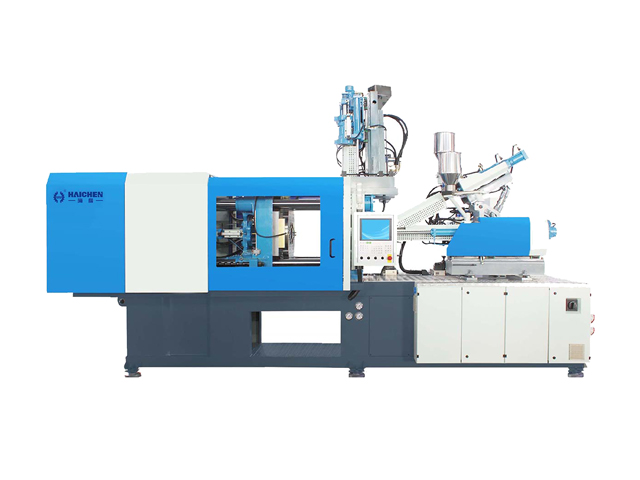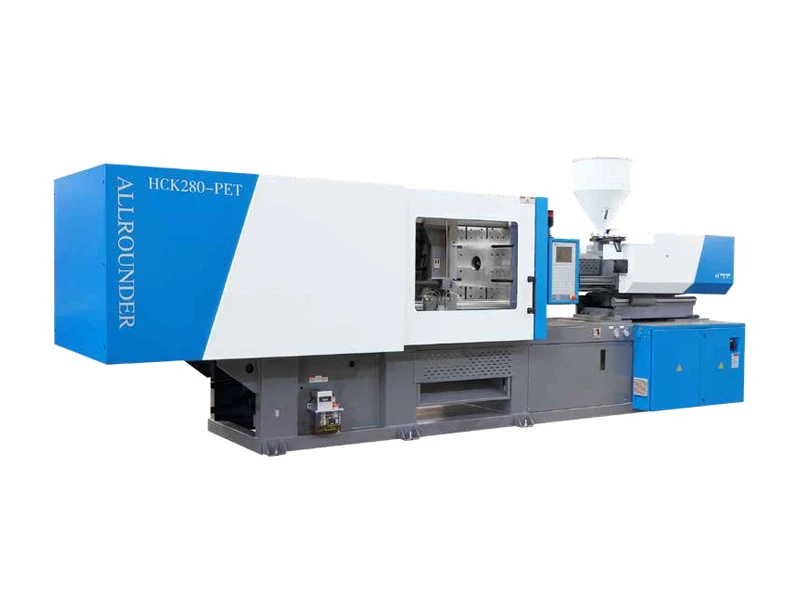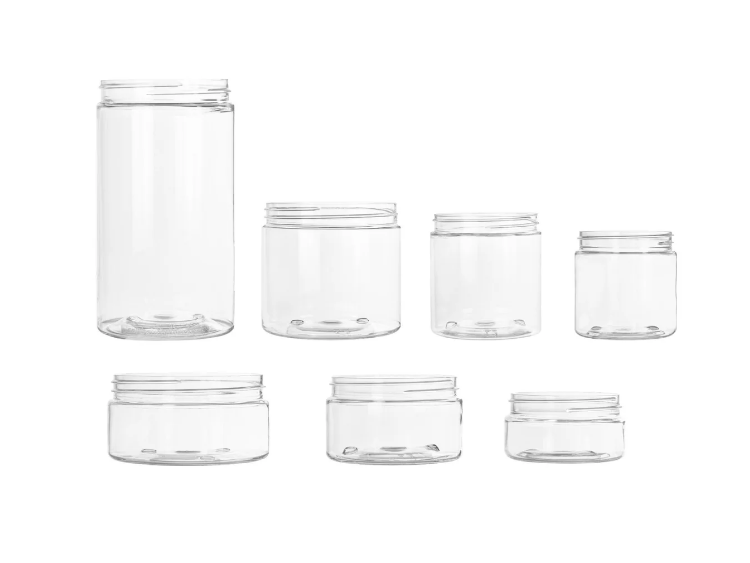
Unmatched Stable & High-Speed PET Jar Production Efficiency
Factory downtime, slow cycle times and limited daily output are top pain points for packaging manufacturers. PET jar injection molding machines solve these bottlenecks with two core design advantages: high-speed multi-cavity molding and non-stop continuous industrial operation.
High-Speed Multi-Cavity Cycle Molding
Unlike low-output single-cavity blow molding equipment, dedicated PET jar injection molding machines support professional multi-cavity preform molds ranging from 4 to 144 cavities, fully matching different batch scales from custom small orders to ultra-large mass production.
Upgraded injection barrels and independent rapid cooling structures drastically shorten each molding cycle, allowing dozens of PET jar preforms to finish shaping in one single cycle. The table below compares hourly output and ideal application scenarios between injection preform molding and direct extrusion blow molding:
| Cavity Tier | PET Preform Injection Molding | PET Extrusion Blow Molding |
|---|---|---|
| Low-volume | 4–16 cavities, 1,500–4,000 pcs/hr | 1–2 cavities, 600–3,000 pcs/hr |
| Mid-volume | 24–48 cavities, 5,000–12,000 pcs/hr | 4–6 cavities, 3,000–6,000 pcs/hr |
| High-volume | 72–96 cavities, 18,000–30,000 pcs/hr | 8–12 cavities, 8,000–16,000 pcs/hr |
| Ultra-high-volume | 128–144 cavities, 40,000+ pcs/hr | Not applicable |
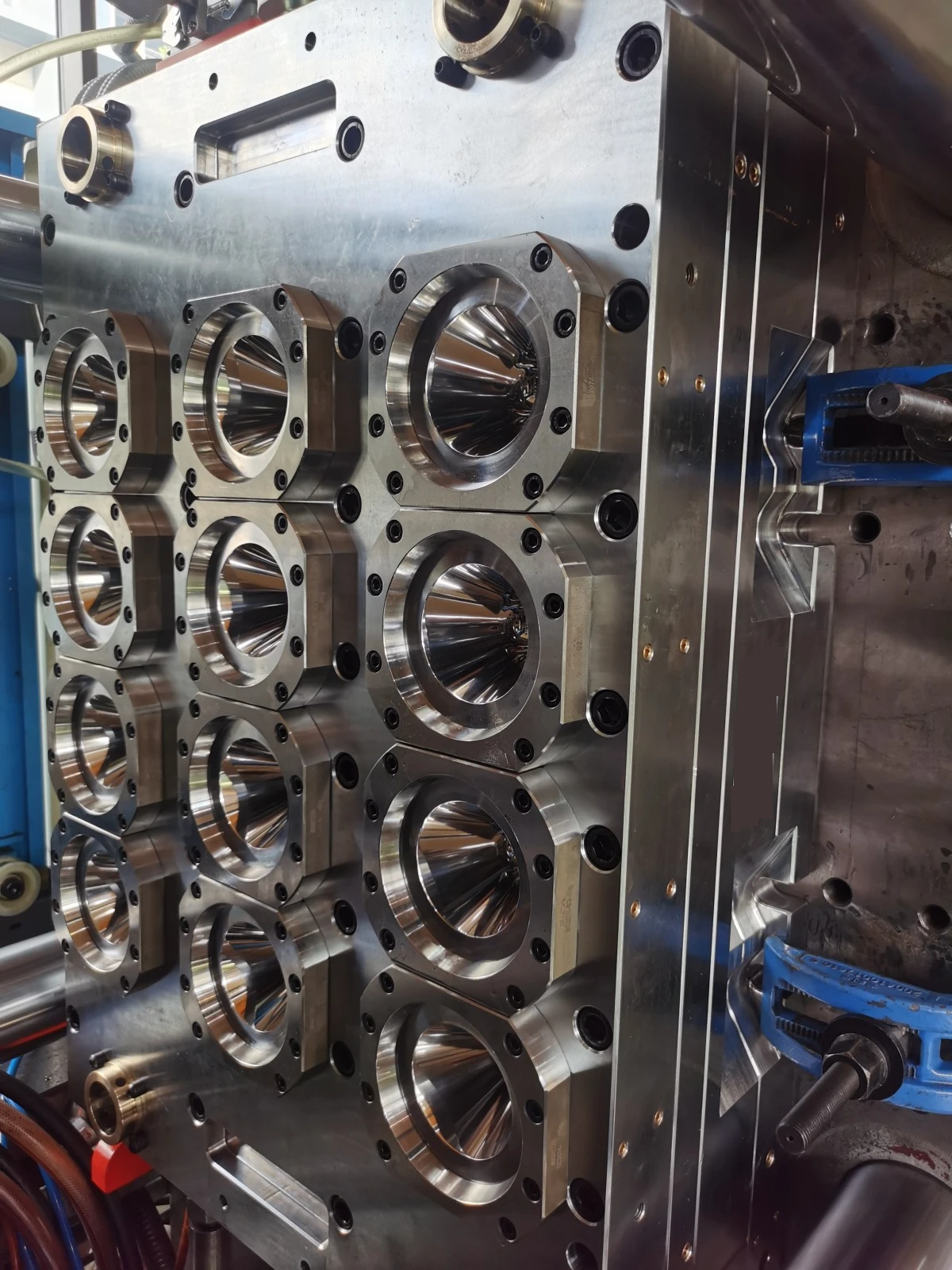
For factories receiving bulk orders from food retailers and cosmetic brands, high-cavity injection molding lines can multiply daily output without expanding workshop space, effectively shortening delivery lead times and winning more long-term client contracts.
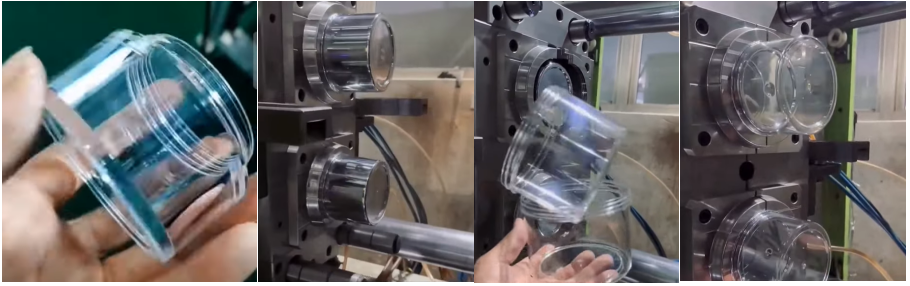
Long-Term Continuous Running Capacity
Low Long-Term Production Cost + Consistent PET Jar Quality
Two decisive factors drive factory owners to pick injection molding machines over alternative blow molding lines: reduced overall manufacturing expenditure and batch-to-batch uniform product quality, which directly improves brand reputation and customer repeat orders.
Lower Long-Term Manufacturing Expenses
Total production costs cover raw material waste, electricity consumption, and recyclable material compatibility—all areas where PET jar injection molding machines hold clear advantages.
Precise material feeding control cuts scrap rate: Material utilization reaches 95%–98%, with almost no flash leftover waste; extrusion blow molding only hits 85%–90% utilization, creating 5–10% resin waste per batch.
Servo energy-saving systems reduce daily power bills by 20–30% compared to traditional hydraulic blow molding units.
Full compatibility with recycled rPET pellets: Factories can mix recycled PET raw materials directly into production, slashing virgin resin procurement costs.
The following detailed comparison table quantifies equipment investment, mold cost, unit production cost and suitable annual output between two mainstream PET jar production processes (2026 global factory direct prices in USD):
| Comparison Item | Two-Step Injection (Injection + Blow Molding) | Single-Stage Extrusion Blow Molding (EBM) |
|---|---|---|
| Full Equipment Investment | Entry: $20,000–$40,000
Mid: $50,000–$80,000 High Capacity: $90,000–$180,000 |
Entry: $25,000–$45,000
Mid: $60,000–$100,000 High Capacity: $100,000–$200,000 |
| Total Mold Cost | Preform Mold: $20,000–$30,000
Blow Mold: $8,000–$15,000 Total: $28,000–$45,000 |
Integrated Blow Mold: $3,000–$30,000
Average: $10,000–$20,000 |
| Unit Cost (500ml Jar, per 1000pcs) | $45–$65 | $55–$75 |
| Material Utilization Rate | 95%–98% | 85%–90% |
| Best Annual Production Scale | 250,000+ pcs (Mass Production) | 10,000–250,000 pcs (Small Custom Batches) |
| Core Cost Advantage | Lower long-term unit cost, less resin waste, higher precision | Lower upfront mold cost, flexible small-batch customization |
While injection molding requires higher initial mold investment, factories with annual output over 250,000 PET jars recover extra costs within 6–12 months via reduced material and electricity waste.
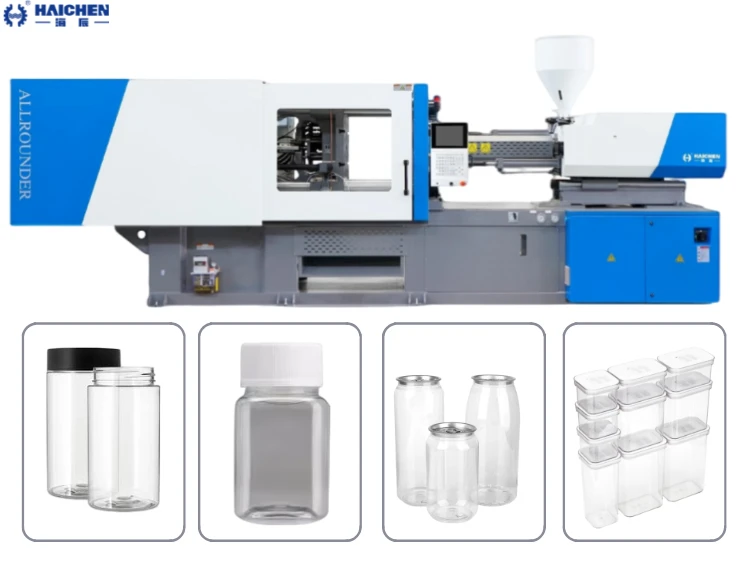
Stable, Uniform Jar Quality Across All Batches
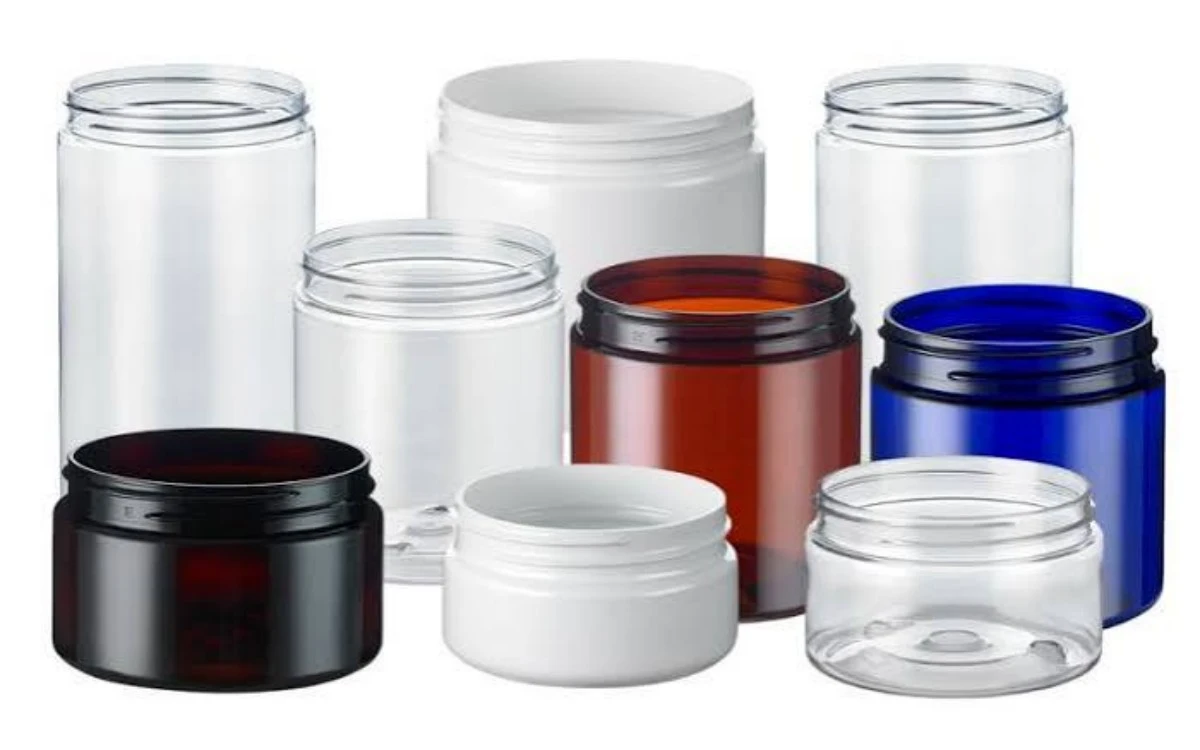
Strong Market Adaptability & Long-Term Business Value
Flexible Production for All Types of PET Jars
- Only replace preform and blow molds to produce jars of any capacity, shape and wall thickness;
- Support both small-batch customized trial orders and continuous large-scale standardized mass production;
- Compatible with all food-grade PET grades, transparent color masterbatches and rPET materials.
Fully Compliant with Global Green & Recyclable Packaging Trends
- PET material is 100% recyclable, and injection molding equipment stably processes rPET pellets without sacrificing jar transparency or strength;
- Servo energy-saving drive systems cut power consumption and carbon emissions per product, helping brands meet carbon neutrality requirements for export certification;
- Minimal plastic scrap waste aligns with plastic waste reduction policies, avoiding tax penalties for packaging manufacturers in regulated regions.
FAQ
Q1: For small startup packaging factories, is a PET jar injection molding machine worth buying?
A1: If your annual target output exceeds 250,000 PET jars, injection molding equipment delivers far better long-term cost efficiency. For small custom batches below 10,000 units per year, single-stage extrusion blow molding is more suitable for lower upfront mold costs.
Q2: What cavity count mold should I choose for standard 200–500ml cosmetic PET jars?
A2: Mid-volume factories targeting stable daily orders should select 24–48 cavity preform molds, balancing output and equipment investment. Large-scale mass production plants can upgrade to 72–96 cavity molds for maximum hourly capacity.
Q3: How much can injection molding machines save on raw material costs each year?
A3: Compared to extrusion blow molding, injection molding reduces resin waste by 5–13%. Factories producing 1 million PET jars annually can save thousands of USD on virgin PET pellets within one year.
Q4: Can PET jar injection molding machines process recycled rPET materials?
A4: Yes. Modern servo PET injection molding machines feature upgraded plasticizing screws designed for rPET, maintaining stable preform transparency and mechanical strength without extra auxiliary equipment.