Injection Molding vs Blow molding
| Comparison Dimension | Blow Molding | Injection Molding |
| Core Definition | Thermoplastic molding, parison inflated into hollow products | Molten plastic injected into cavity at high pressure, cooled and shaped |
| Equipment Structure | Simple structure, 4 systems, few moving parts | Complex structure, 4 systems, high precision & rigidity requirements |
| Mold Design | Split two-half mold, only outer contour, no complex systems, easy to process | Multi-module complex structure, gating/ejection/cooling systems, high precision, hard to process |
| Raw Materials | Suitable for low melt index, high tensile thermoplastics (PE/PP/PVC, etc.) | Suitable for most thermoplastics & some thermosets, wide melt index adaptability |
| Product Features | Only hollow products, complex outer contour available, no internal structure | Any structure available (solid/hollow/complex internal), high design freedom |
| Accuracy & Quality | Medium accuracy (±0.1~0.5mm), average surface, much flash, more post-processing | Extremely high accuracy (precision grade within ±0.01mm), good surface, little flash, simple post-processing |
| Production Efficiency | Short cycle (seconds), multi-cavity continuous production, fast mold change, suitable for mass production | Long cycle (tens of seconds to minutes), complex mold change, suitable for small & medium batch precision parts |
| Cost | Low mold & equipment cost, low unit cost, suitable for mass production | High mold & equipment cost, high unit cost, suitable for high value-added precision parts |
| Application Scenarios | Hollow packaging, automotive hollow parts, toys, sporting goods and other hollow products | 3C electronics, automotive, home appliances, medical, daily necessities and other fields |
| Process Limitations | Only hollow products, no complex internal structure, limited wall thickness & accuracy, not suitable for precision parts | High investment, poor economy for small batches, hard to form extreme thickness products, long cycle |
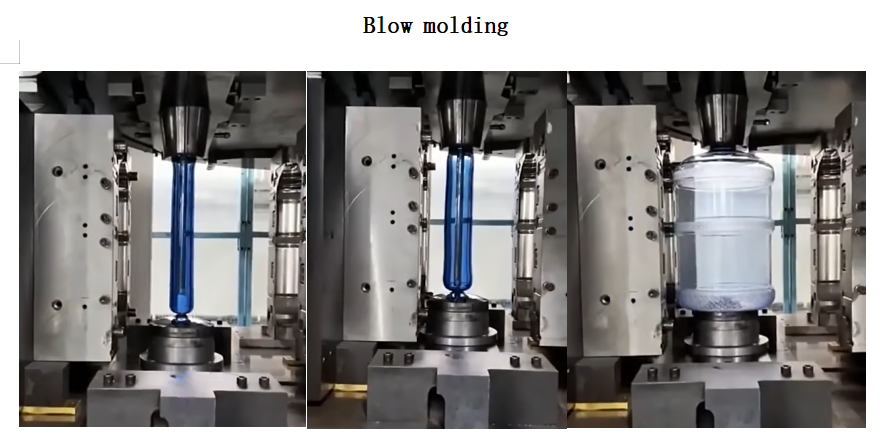
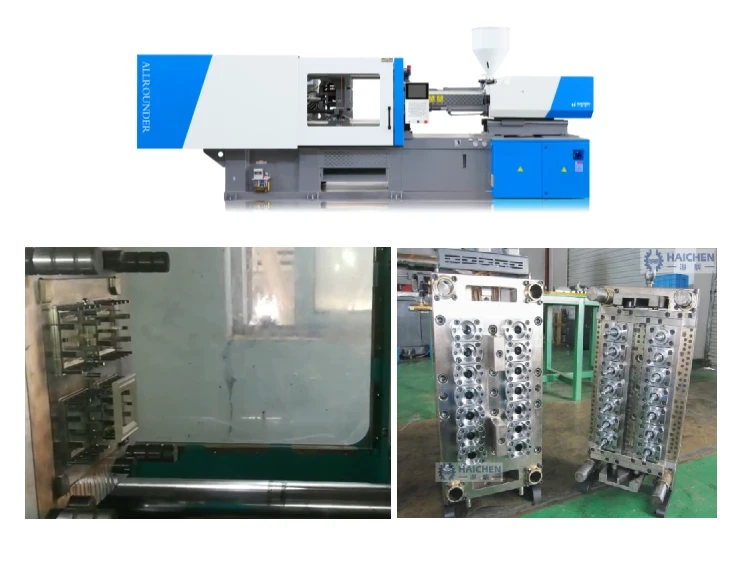
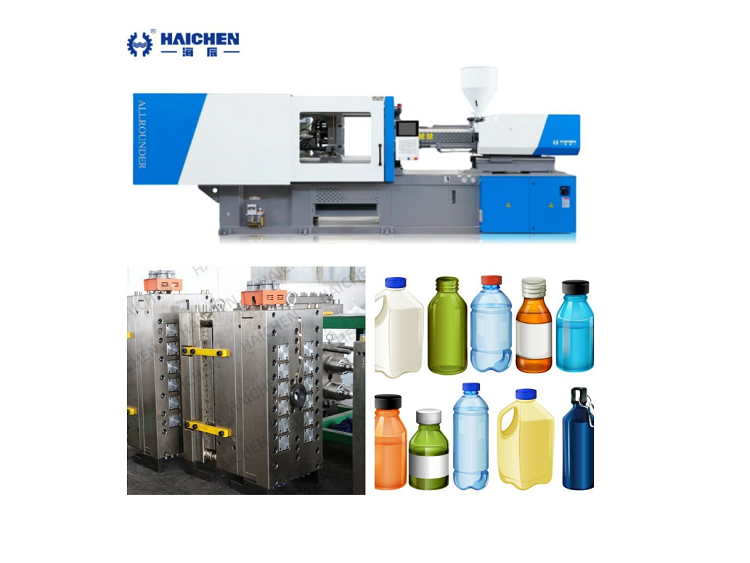
PET Preform Injection Molding:better quality
- Stable Two-Step Molding Structure
- Better Cooling System
Stable Two-Step Molding Structure
PET preform injection molding adopts a professional two-stage forming structure paired with a targeted uniform cooling system to boost overall bottle quality and eliminate common product defects.
The two-stage process first manufactures standard tubular PET preforms featuring accurately sized necks and consistent material distribution, followed by secondary blow molding that stretches preform raw material uniformly in all directions to erase uneven material patches typical of conventional single-step molding; unlike one-step molding lacking flexible material distribution adjustment, this workflow yields consistently stable structural quality for daily-use plastic bottles.
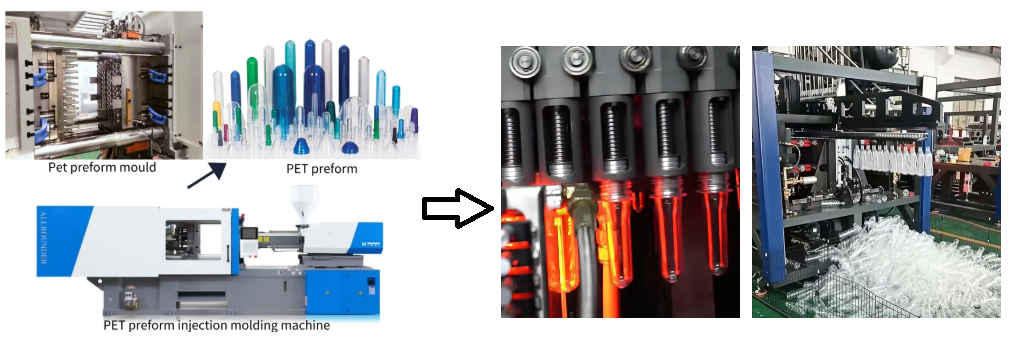
Better Cooling System
Supporting the forming design, the dedicated uniform cooling system rapidly and evenly discharges heat across preform surfaces to stabilize PET crystallinity.
This avoids frequent defects including surface haze, micro air bubbles and inconsistent wall thickness while preserving outstanding transparency of final water bottles.
In contrast, conventional molding suffers from irregular full-bottle cooling, resulting in dull surface gloss and prone deformation that downgrades finished product quality.
It also locks precise bottle neck sizes for later assembly. On the other hand, blow molding cools large full-bottle molds at one time.
Since the cooling area is wide, different parts of the bottle cool at uneven speeds. As a result, blow molding easily causes slight shape distortion, poor transparency and unstable material hardness for water bottles.
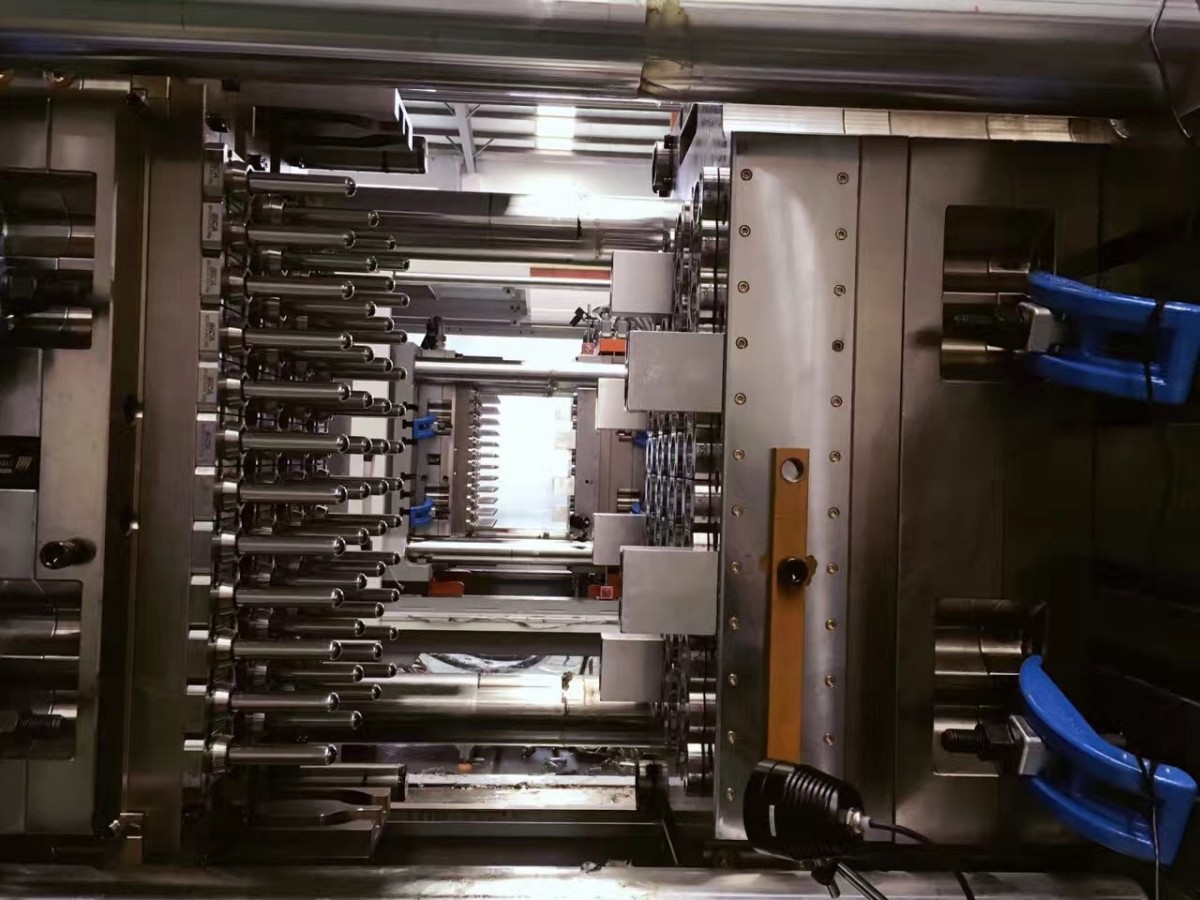
PET Preform Injection Molding:better production efficiency
- Output Speed
- Multi-cavity mould
Output Speed
First, PET preform injection molding features a reasonable split production process to boost overall efficiency. It separates preform production and bottle blowing to let each process work independently and professionally. Thus, workers can carry out batch preform production in advance to avoid production delays.
Meanwhile, this split mode allows continuous non-stop assembly line work. In contrast, blow molding relies on one-step forming and needs long waiting time for mold cooling. For this reason, preform molding greatly raises daily production output for water bottle manufacturing.
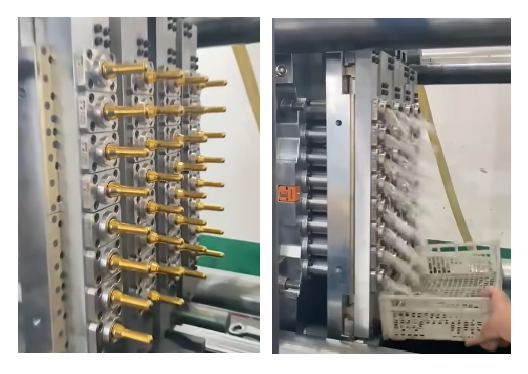
Multi-cavity mould
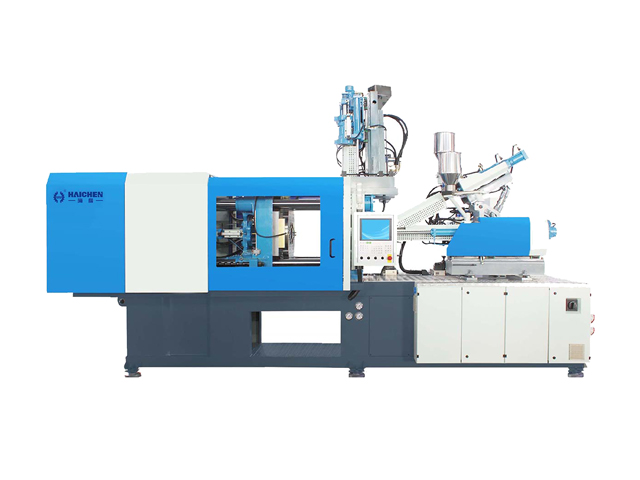
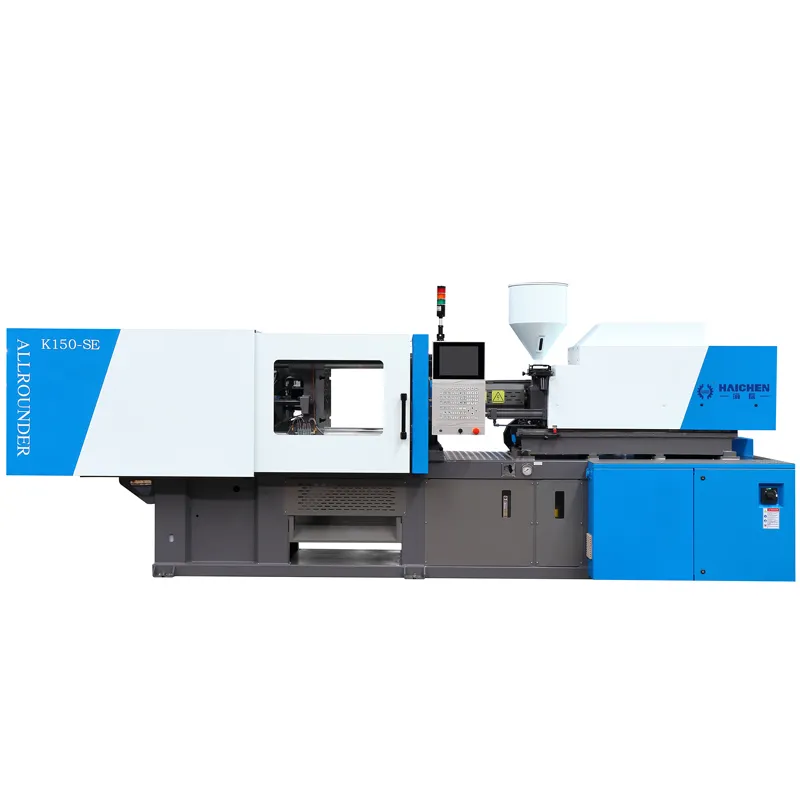
First, dedicated PET preform injection machines support fast response and stable cyclic operation for mass production. These devices achieve precise temperature and pressure control to shorten molding cycle time.
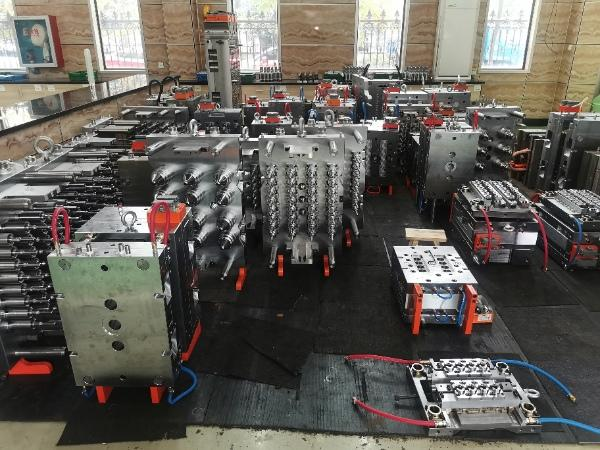
Next, matched multi-cavity preform molds can produce dozens of preforms in a single operation. This design cuts repeated mold opening and closing times effectively.
In addition, hot runner mold structures reduce material cooling waiting time and lower waste rates. Compared with regular molding equipment, these professional configurations greatly lift production speed and reduce idle machine time.
Which one is more suitable for your business?