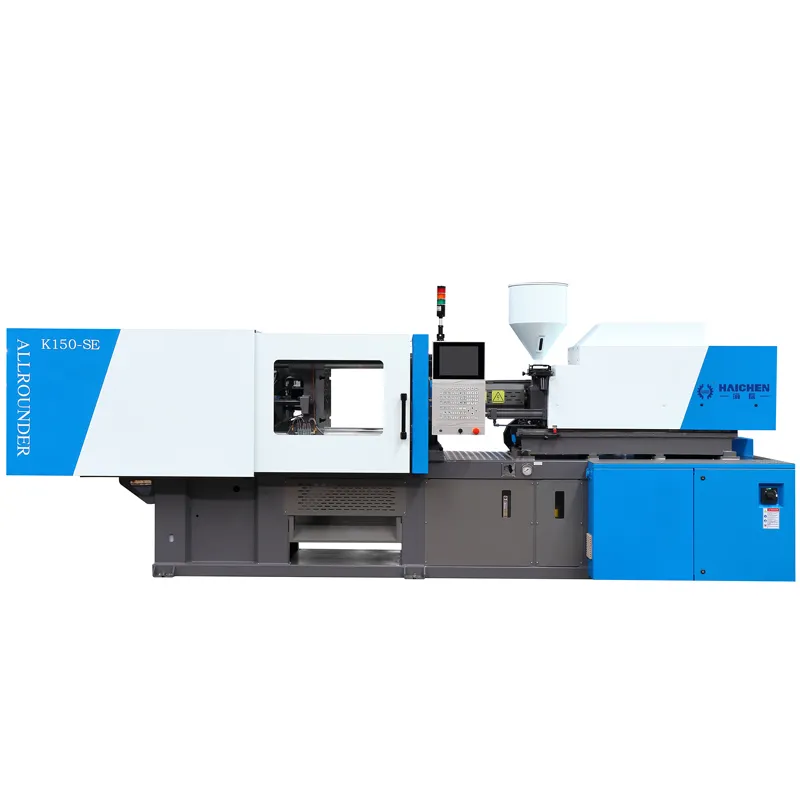
PLA cups injection molding offers beverage and food packaging manufacturers a way to produce clear, rigid cups with a bio-based material. However, PLA comes with a higher resin price and tighter processing requirements than PP. That difference raises an important question for cup manufacturers: How much more will PLA cost, and does the market justify the investment?
PP remains a strong choice for high-volume disposable cups because it combines competitive material cost, toughness, and good heat resistance. PLA takes a different position. It works especially well for cold beverages and eco-focused packaging, where transparency, rigidity, and a compostable-material message can add commercial value.
For manufacturers, the right choice depends on more than resin price. Production efficiency, drying,injection molding machine configuration, product design, and selling price all affect the final business case.
Material Comparison for PLA Cups Injection Molding
PLA and PP can both produce disposable cups, but their material characteristics lead to different production and market strategies.
| Feature | PLA | PP |
|---|---|---|
| Material type | Bio-based polymer | Conventional thermoplastic |
| End-of-life option | Industrial composting for suitable products | Not biodegradable |
| Transparency | High | Low to medium, depending on grade |
| Rigidity | Relatively high | Good toughness with more flexibility |
| Heat resistance | Lower | Higher |
| Moisture sensitivity | High | Low |
| Processing complexity | Higher | Lower |
| Typical market | Eco-focused and premium | Mass market and cost-focused |
Environmental Impact of PLA Cups
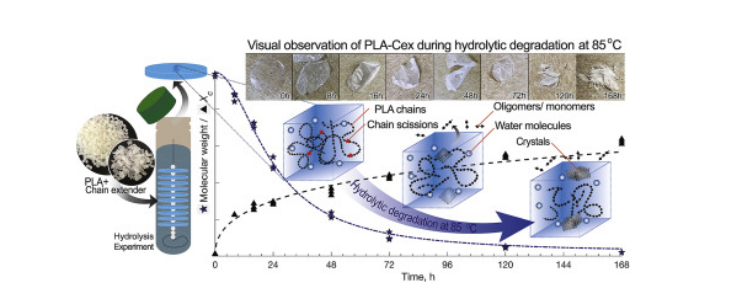
PLA attracts attention because manufacturers can produce it from renewable feedstocks. PP, by comparison, comes from conventional fossil-based raw materials.
However, manufacturers should avoid treating PLA as a material that simply disappears in the environment. Many PLA products require specific industrial composting conditions to break down effectively. End-of-life infrastructure therefore plays an important role in the environmental value of the product. Research comparing disposable cups also shows that environmental performance depends on production methods, transport, and waste treatment.
From a business perspective, the more important question is whether customers value the environmental benefit enough to accept a higher price.
For example, coffee chains, organic food brands, sustainable catering businesses, and environmentally focused retailers may actively seek compostable or bio-based packaging. In contrast, buyers who focus mainly on unit price often continue to choose PP.
Regional regulations also matter. A market with strong demand for compostable packaging can create more opportunities for PLA than a market with limited composting infrastructure.
Performance: PLA vs. PP Cups
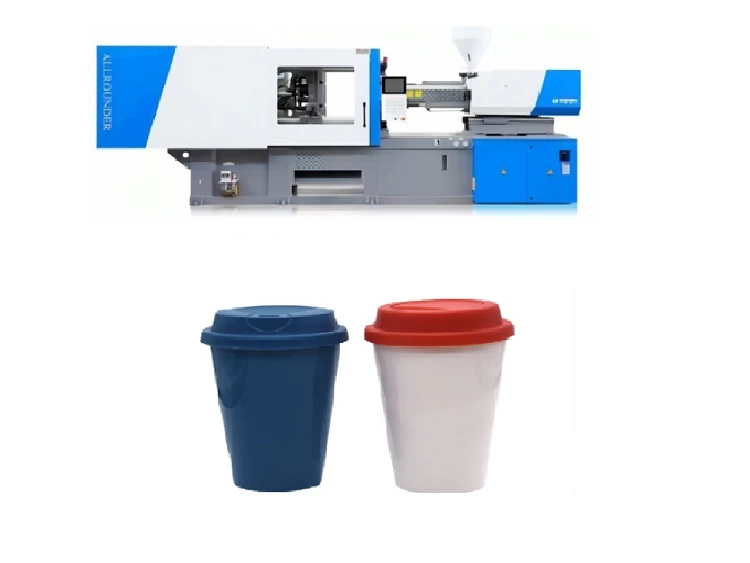
PLA offers high clarity and relatively good rigidity, which makes it attractive for cold beverages.
For example, manufacturers can use clear PLA cups for juice, iced coffee, smoothies, desserts, and other products where customers want to see the contents. At the same time, the material has limited heat resistance, so standard PLA suits cold and moderate-temperature applications better than hot drinks.
PP offers a wider application range when heat resistance, toughness, and impact performance matter more. Different PP grades can support food packaging and injection molding applications with higher thermal requirements.
As a result, the product itself should guide the material choice.
A premium cold-drink cup may benefit from PLA’s appearance and material story. A high-volume hot-drink or food container project will often benefit more from PP’s broader performance range.
In addition, manufacturers should check the exact resin grade before setting processing conditions because both PLA and PP grades can vary significantly.
Cost: How Much More Does PLA Cost?
Raw-material cost usually creates the largest difference between PLA and PP.
The exact price depends on resin grade, certification, location, order volume, and market conditions. Recent market estimates show that compostable PLA can cost roughly twice as much as virgin PP in some Asia-Pacific applications, although the ratio changes from one market to another.
Therefore, manufacturers should not treat “PLA costs three times more than PP” as a universal rule.
More importantly, resin price does not equal finished-cup cost.
The factory also pays for:
- Electricity
- Machine depreciation
- Drying
- Labor
- Scrap
- Packaging
- Mold costs
- Logistics
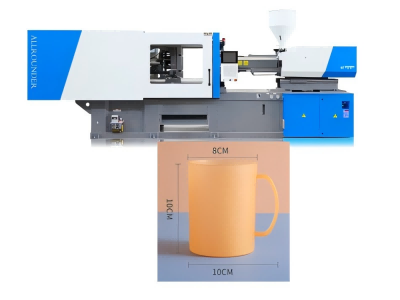
For example, a lightweight 10-gram cup may only add a few cents of material cost even when the PLA resin price looks dramatically higher per kilogram.
That distinction becomes important when manufacturers set selling prices.
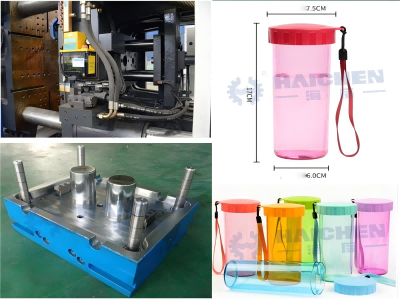
How Injection Molding Equipment Affects PLA Cup Cost and Quality
The resin is only one part of production cost. The injection machine and auxiliary equipment also influence cycle stability, scrap rate, energy use, and product consistency.
This difference becomes more noticeable when manufacturers move from PP to PLA.
PLA Cups Injection Molding Equipment Requirements
Manufacturers do not always need a completely new injection molding machine for PLA. Instead, they need a machine configuration that can handle the material correctly.
The key areas include screw design, material drying, temperature control, and material handling.
Low-shear screw
PLA benefits from controlled plasticization. Excessive shear can generate additional heat and increase the risk of material degradation.
For that reason, manufacturers commonly use a low-shear screw with a gradual compression profile. The exact screw design should match the PLA grade, product weight, shot size, and cycle time.
Dehumidifying dryer
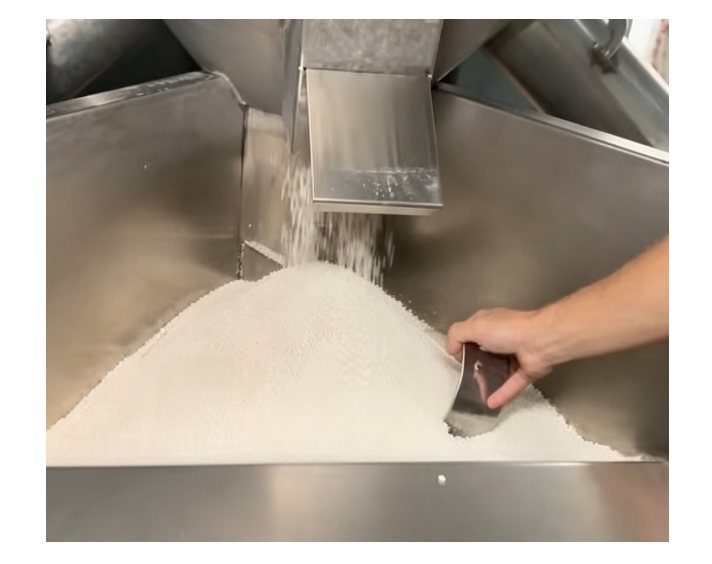
PLA absorbs moisture from the air, so proper drying plays a major role in production stability.
NatureWorks processing guidance, for example, recommends very low moisture levels and the use of dehumidified air for relevant PLA processing applications.
The factory should also protect the dried pellets during conveying. If dry material sits in humid air, it can absorb moisture again before entering the barrel.
Precise temperature control
PLA has a tighter processing window than many standard PP grades. Therefore, independent barrel temperature zones and responsive PID control can help operators maintain stable melt conditions.
Material handling
An effective system can connect the dryer, sealed hopper, auto loader, and material conveying system. Together, these components reduce moisture exposure and improve process consistency.
For this reason, PLA cups injection molding should be treated as a complete process rather than simply replacing PP pellets with PLA pellets.
Haichen can configure HCK series machines with PLA-compatible screw and barrel options, temperature control, drying integration, material loading, and automation according to the product requirements.
Why PLA Products Cost More to Produce
PLA production normally costs more for two main reasons: the material costs more, and the factory needs tighter process control.
First, the resin itself usually carries a premium over standard PP. Second, PLA requires greater attention to drying and thermal history.
For example, the production line may need:
- Dehumidifying drying
- More controlled drying conditions
- Stable barrel temperature
- Controlled screw speed
- Short and predictable residence time
- Careful startup and shutdown procedures
PP generally gives operators a broader processing window. In addition, PP has much lower moisture sensitivity than PLA.
Therefore, a PP production line can often operate with simpler material handling, while PLA requires more process discipline.
The injection machine itself may not cost dramatically more. However, auxiliary equipment and process control can add to the total investment.
Do You Need a New Machine for PLA Cups?
Not necessarily.
This question matters for manufacturers that already produce PP cups.
A modern injection molding machine can often process both materials when the injection unit and auxiliary equipment support the required conditions.
Before buying a new machine, check:
- Screw geometry
- Screw wear
- Barrel condition
- Temperature-control accuracy
- Injection capacity
- Dryer performance
- Material conveying
- Mold compatibility
- Target cycle time
For example, an existing PP cup production line may only need a compatible screw configuration and a proper dehumidifying dryer to begin PLA trials.
On the other hand, an older machine may struggle if its temperature control lacks accuracy, its screw shows significant wear, or its material handling system leaves the pellets exposed to humid air.
A technical assessment can therefore make more sense than an immediate machine replacement.
Haichen engineers can review your product, mold, PLA grade, cavity number, target output, and existing equipment to determine whether an upgrade or a new HCK machine provides the better return.
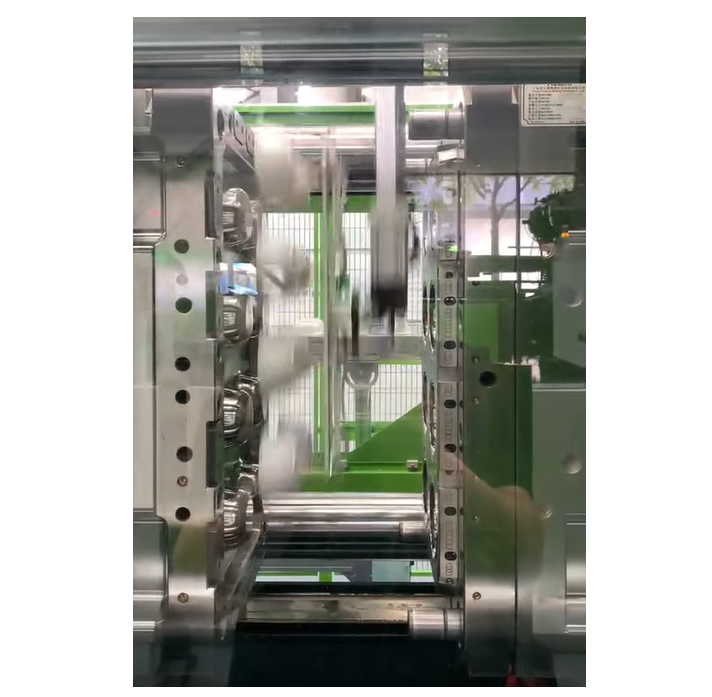
Which Material Fits Your Market?
The best material depends on the customers you serve and the price they are willing to pay.
Mass Market: PP for High-Volume Production
PP usually makes more sense when customers focus on unit price, output, toughness, and stable production.
Typical applications include:
- Bubble tea cups
- High-volume beverage cups
- Food containers
- Takeaway packaging
- Price-sensitive retail products
PP also offers better heat resistance than standard PLA, which gives manufacturers more flexibility across food and beverage applications.
In this type of market, every fraction of a cent matters.
A factory producing tens of millions of cups per year may find the PP cost advantage much more important than the environmental positioning of PLA.
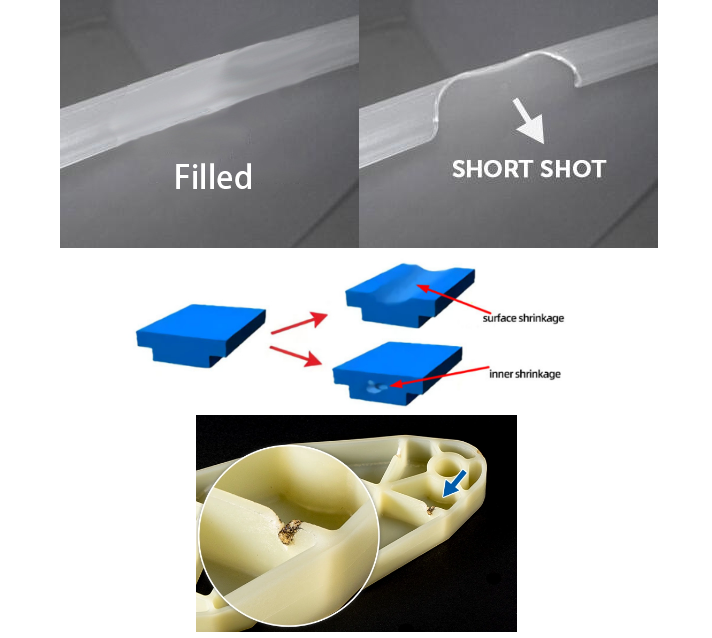
Premium and Eco Markets: When PLA Makes Sense
PLA can create more value when the customer actively wants sustainable packaging.
Typical markets include:
- Premium coffee brands
- Organic food companies
- Eco-conscious cafés
- Sustainable catering
- Corporate events
- Brands with compostable packaging programs
In these markets, the manufacturer does not need to compete on resin price alone.
Instead, the business can combine the cup’s appearance, material story, customer expectations, and brand positioning.
A clear PLA cup can work particularly well for cold drinks because the material allows customers to see the product. At the same time, the bio-based material can support an eco-focused product message.
However, the manufacturer still needs to calculate the complete cost structure.
Compare:
PLA resin premium + drying + processing + scrap
with:
Higher selling price + additional orders + new market opportunities
That calculation gives a more realistic view of whether the switch makes commercial sense.
A Practical PLA Cup Cost Example
Suppose a factory produces a 10-gram cup.
Assume the following resin prices:
- PP: USD 1.20/kg
- PLA: USD 2.50/kg
The raw-material cost would look like this:
| Item | PP Cup | PLA Cup |
|---|---|---|
| Resin price | $1.20/kg | $2.50/kg |
| Product weight | 10 g | 10 g |
| Material cost per cup | $0.012 | $0.025 |
| Difference | — | $0.013 |
In this example, the PLA cup uses more than twice the material value of the PP cup.
However, the finished cup does not automatically cost twice as much.
The manufacturer still needs to add machine time, labor, electricity, drying, packaging, scrap, mold depreciation, and logistics.
For a factory producing 10 million cups, an extra $0.01 per cup would equal $100,000 in additional annual cost.
That is why productivity and scrap control matter so much in high-volume PLA production.
A faster cycle, better drying control, and lower scrap rate can recover part of the material premium.
What to Check Before Buying a PLA Cup Injection Molding Machine
Before placing an equipment order, prepare the basic production data.
| Requirement | Why It Matters |
|---|---|
| Cup weight | Determines shot size |
| Cup volume | Influences product and mold dimensions |
| Cavity number | Determines output |
| Cycle time | Determines productivity |
| PLA grade | Influences processing conditions |
| Mold design | Affects filling and cooling |
| Annual output | Helps size the equipment |
| Automation level | Affects the complete line |
For example, an 8-cavity high-speed cup mold will place different demands on the injection unit from a 4-cavity specialty cup mold.
The same applies to cup weight.
A 12-gram cup and a 25-gram cup may use the same clamping force while requiring different injection capacities and plasticizing rates.
Therefore, manufacturers should select the machine from the product and mold data first and then determine the appropriate tonnage.
Frequently Asked Questions
Is PLA more expensive than PP for injection molded cups?
Yes. PLA normally costs more than standard PP resin, although the exact price difference changes with grade, region, certification, and order volume.
Some current market estimates show a PLA resin premium of around two times PP in certain applications.
How much more does a PLA cup cost?
The final difference depends on cup weight, resin price, cycle time, scrap, drying cost, and factory efficiency.
For a 10-gram cup, a material price difference of USD 1.20/kg versus USD 2.50/kg adds about USD 0.013 to the raw-material cost of each cup.
The finished-cup difference can be smaller or larger after the factory includes all production costs.
Can one machine produce both PLA and PP cups?
Yes, many modern machines can process both materials.
However, the factory needs suitable screw geometry, temperature control, drying, and material handling.
An existing machine may only need selected upgrades rather than complete replacement.
Does PLA need a special screw for cup production?
PLA benefits from a low-shear screw and stable plasticization.
The exact design should depend on resin grade, cup weight, shot size, and production cycle.
Does PLA need a dehumidifying dryer?
Yes, reliable commercial production normally requires proper moisture control.
PLA can absorb moisture quickly, and excessive moisture can affect melt quality and finished-part performance.
Are PLA cups suitable for hot drinks?
Standard PLA cups generally suit cold beverages better.
PP offers better heat resistance, while PLA can soften at lower temperatures. The actual performance depends on the PLA grade, product design, crystallinity, and processing conditions.
Is PLA worth switching to for a PP cup manufacturer?
The answer depends on your market.
PP remains attractive when the customer wants the lowest possible unit cost and very high production volume.
PLA becomes more interesting when customers value compostable or bio-based packaging and accept a higher selling price.
Before changing equipment, compare the complete production cost with the price premium that your customers are willing to accept.
Can Haichen provide equipment for PLA cup production?
Yes. Haichen can configure HCK series injection molding machines for PLA and PP cup applications.
Depending on the project, the line can include a suitable screw and barrel, multi-zone temperature control, dehumidifying dryer integration, automatic loading, robot handling, conveyors, and other auxiliary equipment.
The final configuration depends on cup weight, mold cavities, PLA grade, cycle time, and target output.
A Practical Decision for Cup Manufacturers
Choose PP when:
- Your customers prioritize low unit cost
- You need very high production volume
- You produce hot or warm food and beverages
- Your market has limited demand for compostable packaging
- Production efficiency matters more than eco positioning
Consider PLA when:
- Your products target cold beverages
- Your customers value compostable or bio-based packaging
- Transparency supports your product design
- Your market accepts a material premium
- Sustainability helps you win customers or contracts
For PLA cups injection molding, the key commercial question is simple:
Can your target market pay enough for the additional material and processing cost?
Haichen Machinery can evaluate that question from the equipment side by looking at your product weight, mold cavity number, material grade, cycle time, and target output.
Haichen Machinery — HCK Series Injection Molding Machines for PLA and PP Cup Production
We provides injection molding solutions for food packaging and disposable product manufacturers. Depending on the application, the HCK series can integrate suitable screw and barrel configurations, temperature control, dehumidifying dryers, automatic loaders, robots, conveyors, and other auxiliary systems.
Author: Yang, Senior Engineer, Haichen Machinery