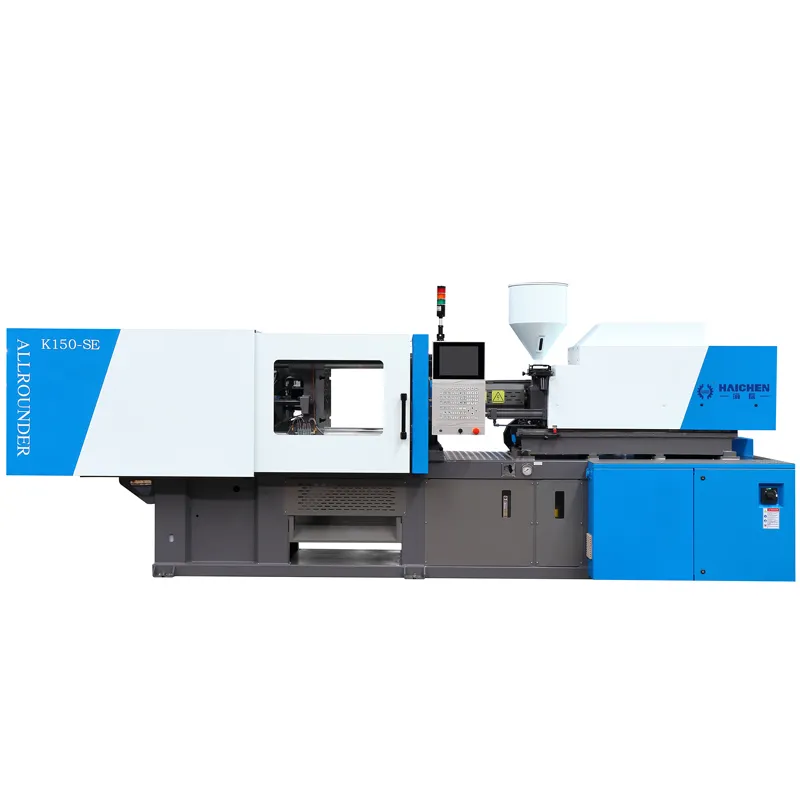
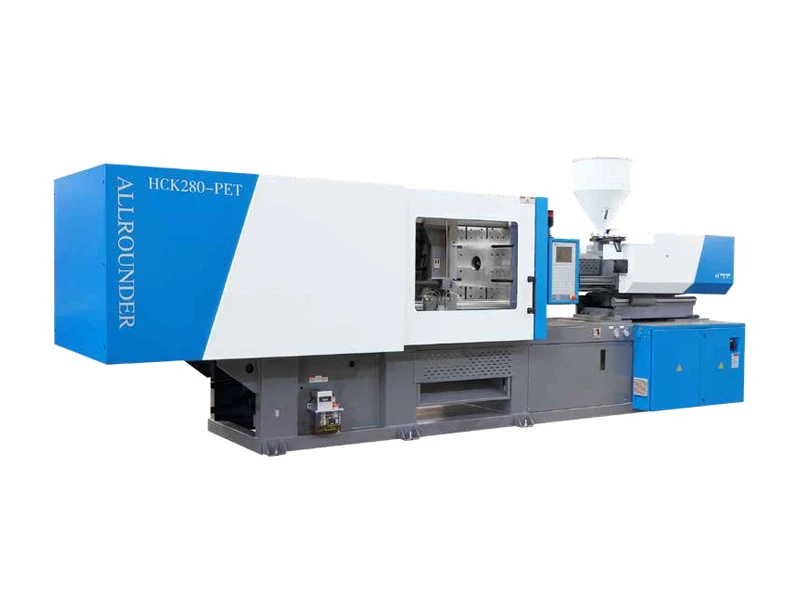
Starting a plastic bowl production project requires more than choosing an injection molding machine. You also need to match the mold, plastic material, cavity number, and production target.
These factors affect machine selection, cycle time, product quality, and production efficiency. Therefore, choosing a machine based only on product weight can lead to an unsuitable setup.
In this guide, we explain how to plan plastic bowl injection molding, review three real Haichen production cases, and identify the information you need before purchasing a machine.
What Should You Check Before Production?
Before selecting an injection molding machine, collect the basic product and mold information.
For the plastic bowl, confirm:
- Product dimensions and weight
- Plastic material and material grade
- Wall thickness and appearance requirements
- Number of cavities
- Target production volume
You should also check the mold dimensions, weight, runner system, and opening requirements.
For example, a lightweight bowl may use a multi-cavity mold. This setup can require a larger injection capacity and more mold space than a single-cavity mold for a heavier bowl.
As a result, product weight alone cannot determine the correct machine model.
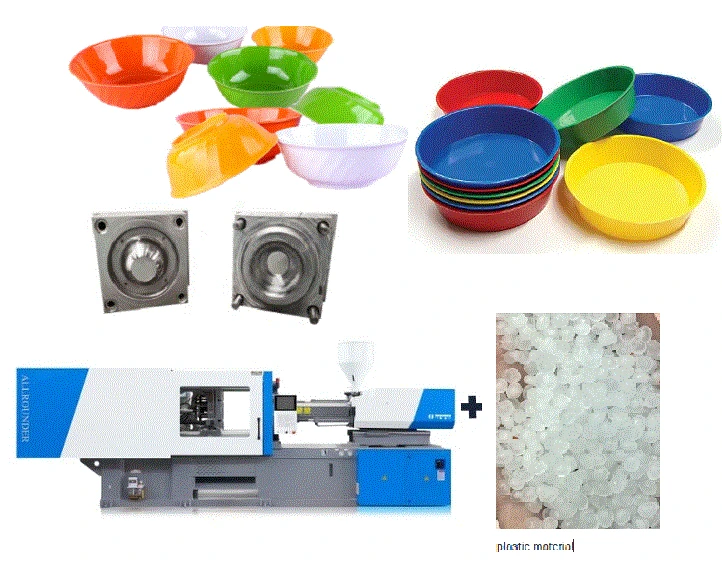
How to Match the Mold With the Injection Molding Machine
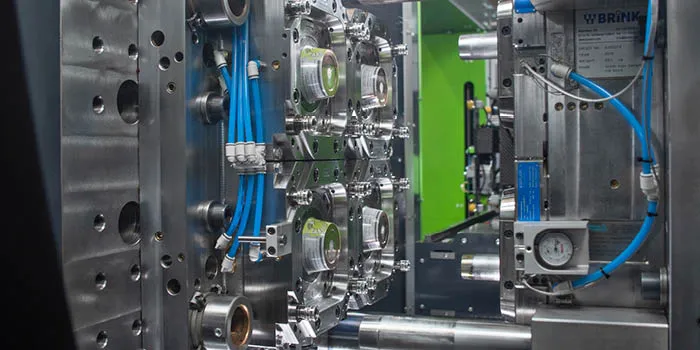
The mold and machine must work as one production system. Before confirming a machine, review four main areas.
Clamping Force
The machine needs enough clamping force to keep the mold closed during injection. The required force depends on the projected area of the molded parts and the cavity pressure.
For multi-cavity bowl molds, calculate the total projected area of all cavities. Also consider the runner layout where applicable.
Do not choose a machine based only on the bowl’s weight.
Injection Capacity
The injection unit must provide enough material for the parts and runner system in each cycle.
For a multi-cavity mold, calculate the total part weight per cycle first. Then include the runner material where applicable and check the machine’s usable shot capacity.
The selected machine should also provide suitable injection performance for the chosen material and product design.
Mold Dimensions and Installation
Check the mold’s length, width, height, and weight against the machine specifications.
Also confirm:
- Tie-bar spacing
- Platen dimensions
- Minimum and maximum mold height
- Mold opening stroke
- Required space for part removal
A mold may have a suitable cavity count and injection requirement but still fail to fit the machine properly.
Runner System
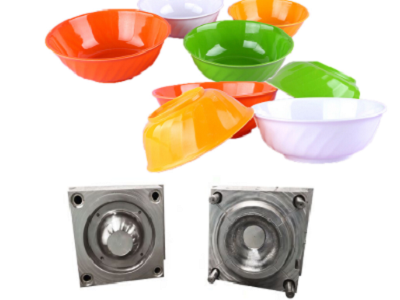
Plastic bowl molds may use cold runners or hot runners. Each design affects the mold structure and material usage.
A cold-runner mold includes runner material in each cycle. A hot-runner system can reduce runner waste, but its design and operating requirements need separate consideration.
The best choice depends on the mold design, production target, material, and project budget.
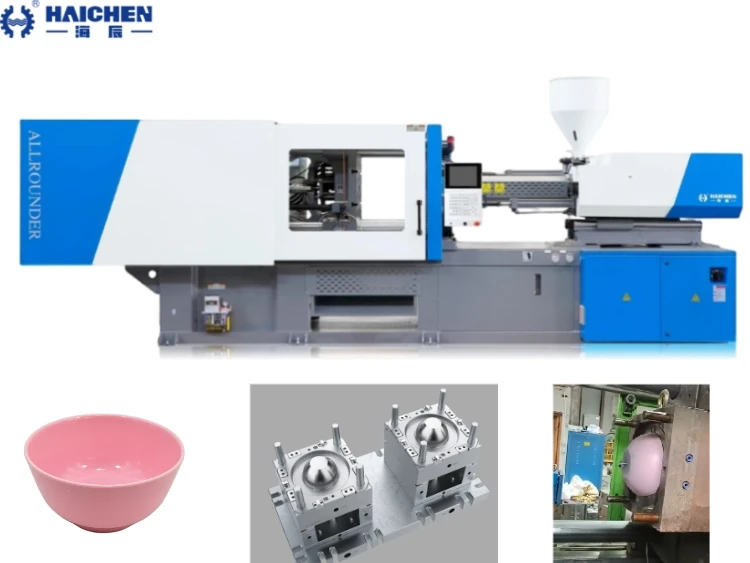
Three Real Haichen Plastic Bowl Production Cases
Actual production configurations help explain why different bowls need different machine and mold combinations. The following cases come from Haichen’s plastic bowl projects.
Case 1: 83 g Plastic Bowl
| Parameter | Specification |
|---|---|
| Product weight | 83 g |
| Product dimensions | 260 × 230 × 25 mm |
| Cavity number | 1 |
| Mold dimensions | 500 × 500 × 255 mm |
| Mold weight | About 0.5 ton |
| Runner system | Cold runner |
| Injection molding machine | Haichen HCK230 |
| Cycle time | 20 seconds |
With one cavity and a 20-second cycle, the theoretical output is 180 bowls per hour.
This configuration provides a real reference for a large bowl made with a single-cavity cold-runner mold.
However, it does not mean that every bowl of similar dimensions or weight requires an HCK230. The final selection still depends on the complete product and mold specifications.
Case 2: 25 g Plastic Bowl
| Parameter | Specification |
|---|---|
| Product weight | 25 g |
| Product dimensions | 170 × 85 × 35 mm |
| Cavity number | 2 |
| Mold dimensions | 630 × 470 × 300 mm |
| Injection molding machine | Haichen HCK310 |
| Cycle time | 35 seconds |
With two cavities and a 35-second cycle, the theoretical output is about 206 bowls per hour.
Although this bowl weighs less than the first example, the project uses a different machine and a two-cavity mold. The mold dimensions and complete molding requirements must be considered alongside product weight.
This case shows why machine selection needs a project-specific assessment.
Case 3: 53 g Plastic Bowl
| Parameter | Specification |
|---|---|
| Product weight | 53 g |
| Product dimensions | 220 × 140 × 40 mm |
| Cavity number | 1 |
| Mold dimensions | 500 × 500 × 300 mm |
| Injection molding machine | Haichen HCK230 |
| Cycle time | 20 seconds |
With one cavity and a 20-second cycle, the theoretical output is 180 bowls per hour.
Compared with the 83 g bowl, this product has a different size and weight but uses the same machine model and cycle time in the recorded project.
These three cases offer useful references, not universal machine-selection rules. Before recommending a machine for a new project, the supplier should check the actual mold, material, product geometry, and production target.
Choose the Right Plastic Material
Material selection affects bowl strength, appearance, processing conditions, and end use.
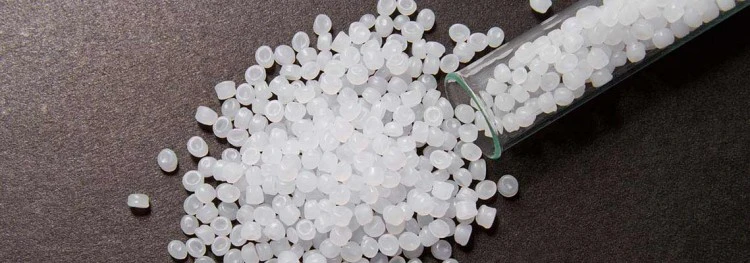
PP is a common option for plastic bowls. However, not all PP grades behave the same way during molding. Confirm the material grade and its processing requirements before setting the machine parameters.
When selecting a material, consider:
- Strength and flexibility: The bowl should meet its intended use requirements.
- Appearance: Transparent, translucent, and opaque products may need different material choices.
- Processing performance: The material grade affects filling, cooling, and cycle conditions.
- Food contact: If the bowl will contact food, verify that the material and finished product meet the applicable requirements in the destination market.
Do not assume that a material is suitable for food contact simply because it is PP. Check the relevant documentation and requirements for the specific grade and application.
How to Calculate Plastic Bowl Production Output
Cavity number and cycle time provide a simple way to estimate theoretical output.
Theoretical output per hour = Cavity number × 3,600 ÷ Cycle time in seconds
For example, a one-cavity mold with a 20-second cycle gives:
1 × 3,600 ÷ 20 = 180 pieces per hour.
A two-cavity mold with the same cycle gives:
2 × 3,600 ÷ 20 = 360 pieces per hour.
These figures assume that every cavity produces one acceptable bowl in each cycle and that the cycle time remains constant.
Actual output may be lower because of machine stops, mold adjustments, quality checks, material changes, and other downtime. Use the theoretical figure as a planning reference, not a guaranteed production result.
When comparing different production plans, review the expected cycle time, number of acceptable parts, material usage, and operating conditions together.
Common Quality Issues in Plastic Bowl Production
A suitable machine is only one part of consistent production. Mold design, material condition, cooling, and process settings also affect the finished bowl.
Short Shots
A short shot occurs when the mold cavity does not fill completely.
Possible factors include insufficient material supply, unsuitable injection settings, restricted flow paths, or inadequate venting. Check the actual cause before changing the process.
Warpage
A bowl may deform after molding if different areas cool or shrink unevenly.
Review the wall thickness, mold cooling layout, holding conditions, and ejection process. The appropriate adjustment depends on the product and mold design.
Surface Defects
Flow marks, visible weld lines, and other surface defects can affect the bowl’s appearance.
Check the material, gate location, filling pattern, mold temperature, and injection conditions. If the bowl has strict appearance requirements, include them in the mold design and production review before manufacturing begins.
These are general troubleshooting considerations. The correct solution requires inspection of the actual part and molding conditions.
Plan Auxiliary Equipment and Automation
The production line may need auxiliary equipment in addition to the injection molding machine.
Depending on the material and factory process, the setup may include:
- Hopper loader for material feeding
- Material dryer when required by the material specification
- Chiller for process cooling
- Crusher for suitable recyclable production scrap
- Robot for automatic part removal
- Conveyor for product transfer and collection
Not every project needs all these devices. For example, a robot may be useful for a high-volume project, while manual collection may suit a smaller operation.
Choose auxiliary equipment according to the production process, factory layout, labor requirements, and budget.
What Information Should You Send to a Machine Supplier?
You do not need a complete technical specification to start a discussion. A product drawing or clear photo can provide a useful starting point.
If available, prepare:
- Product drawing or photo with dimensions
- Product weight
- Plastic material and grade
- Number of cavities
- Expected production volume
- Mold drawing and dimensions
- Mold weight
- Runner system
- Existing machine specifications, if you already have a machine
- Destination country
With these details, the supplier can assess the clamping force, injection capacity, mold fit, and other machine requirements more accurately.
Plastic Bowl Injection Molding: Common Questions
What injection molding machine is suitable for plastic bowls?
The suitable machine depends on the bowl’s dimensions, material, cavity number, mold specifications, and production target.
Haichen’s HCK230 and HCK310 cases provide real project references, but a new project needs its own machine and mold assessment.
Does a heavier plastic bowl always need a larger machine?
No. Product weight affects injection capacity, but clamping force, projected area, cavity number, mold dimensions, and opening requirements also matter.
Can I use an existing plastic bowl mold?
Possibly. First, check the mold dimensions, weight, tie-bar spacing, platen size, mold height, opening stroke, and injection requirements against the machine specifications.
How can I increase plastic bowl output?
You can evaluate a shorter cycle, a higher cavity count, improved cooling, or suitable automation. However, each change must maintain acceptable product quality and stable mold operation.
Can Haichen supply both the machine and mold?
Yes. Haichen supplies injection molding machines and custom plastic molds. Reviewing both as part of the same project helps the team assess their compatibility before production begins.