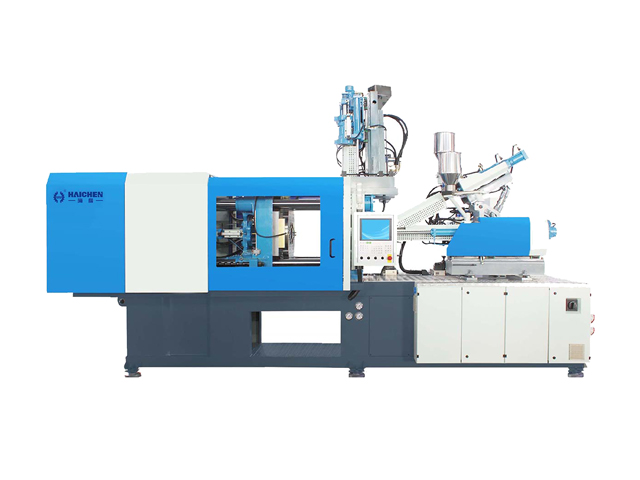
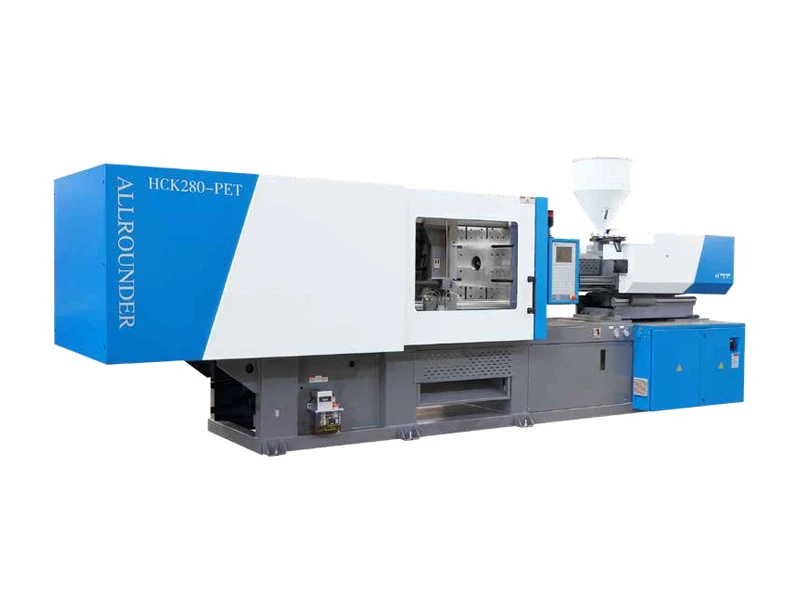
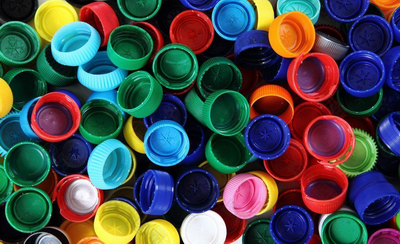
Plastic caps look simple, but producing millions of identical caps requires accurate molds, stable material processing and fast production equipment.
So, how are plastic caps made?
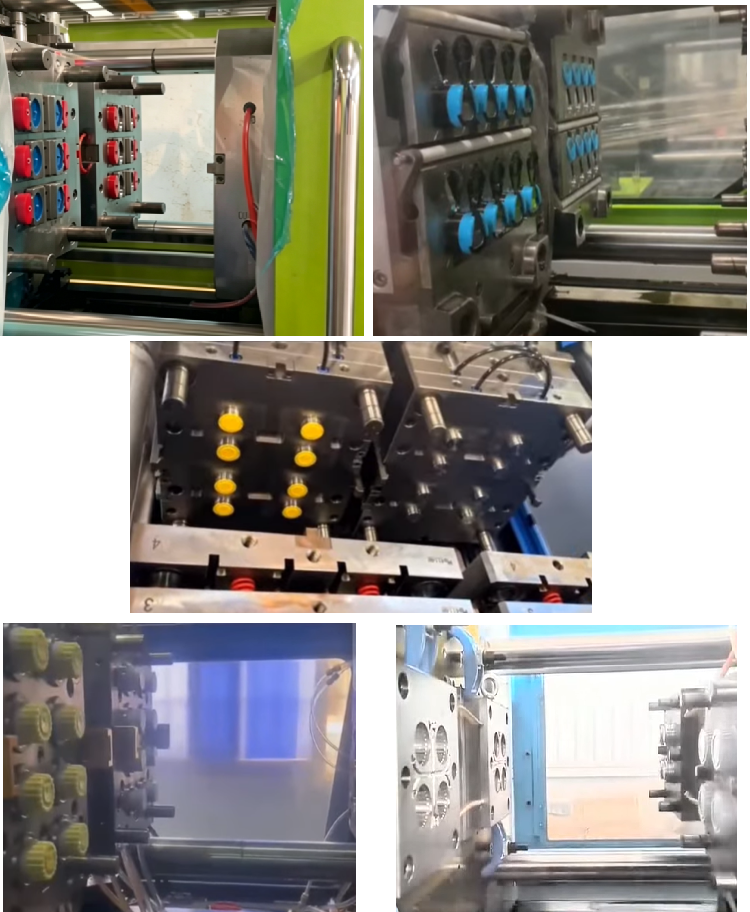
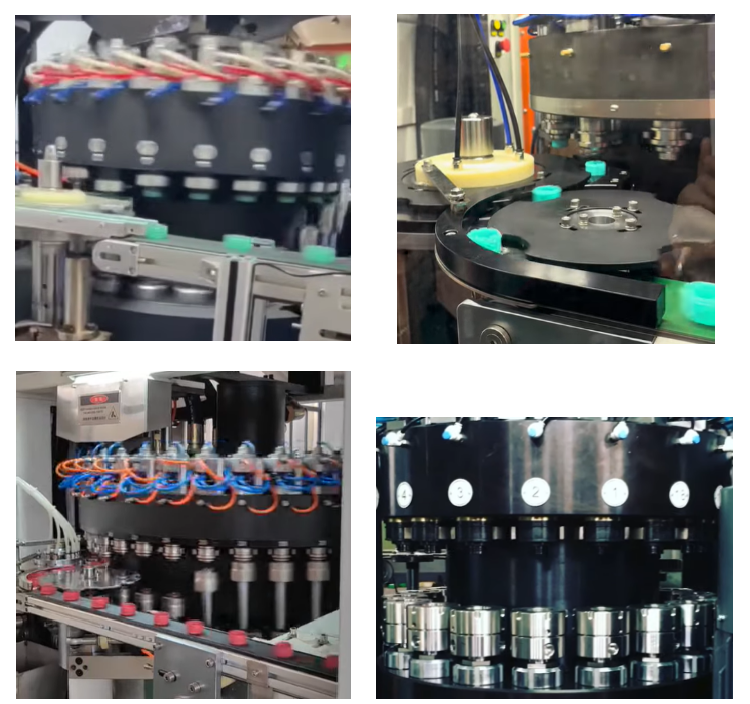
For most modern plastic closures, manufacturers use injection molding or compression molding.
The best process depends on the cap design, material, production volume, dimensional requirements and target cost.
For manufacturers, the key question is not simply which process is cheaper. Instead, the goal is to choose the process and equipment that can produce the required cap consistently at the lowest total cost.
This guide explains the main plastic cap manufacturing processes, materials, molds, machines and production factors.
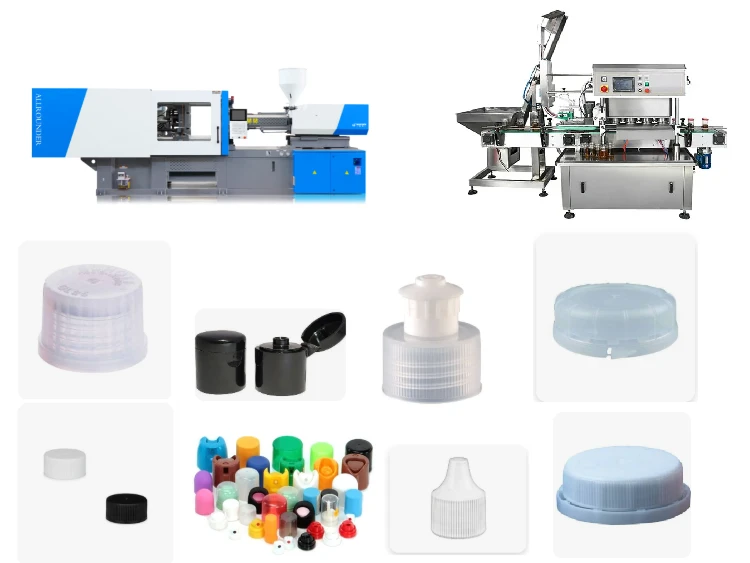
Type of plastic bottle cap
- Screw plastic caps
- Flip top plastic caps
- Push pull plastic caps
- Snap on plastic caps
- Flat plastic caps
- Dome plastic caps
- Spray plastic caps
- Dropper plastic caps
- Tamper evident plastic caps
- Breathable plastic caps
- Food jar caps
- Chemical product caps
- Industrial container caps
Screw plastic caps
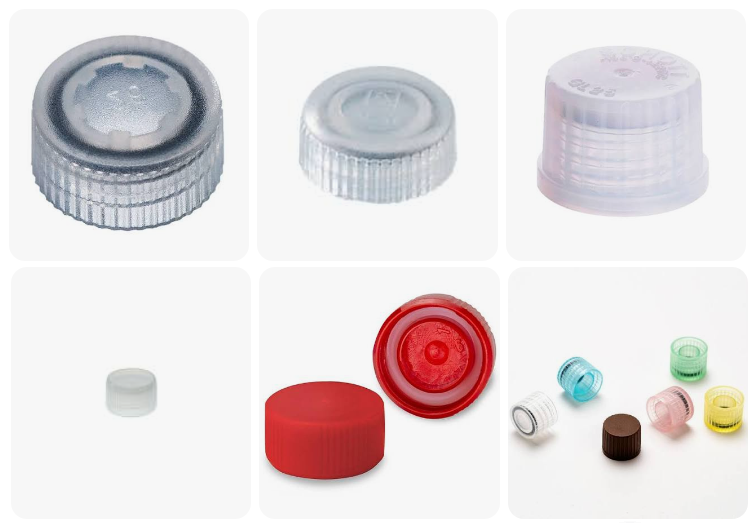
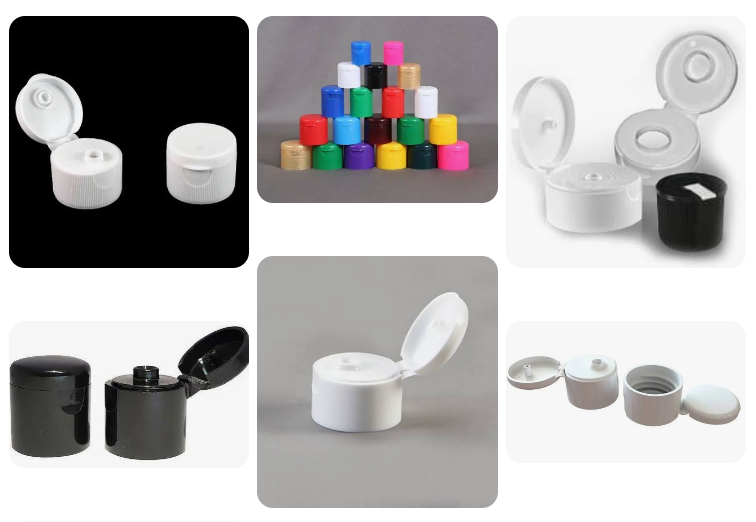
Flip top plastic caps
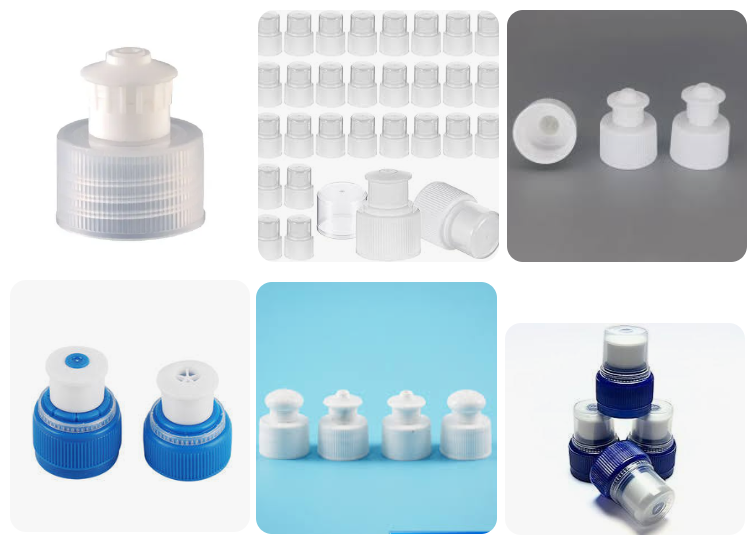
Push pull plastic caps
Snap on plastic caps
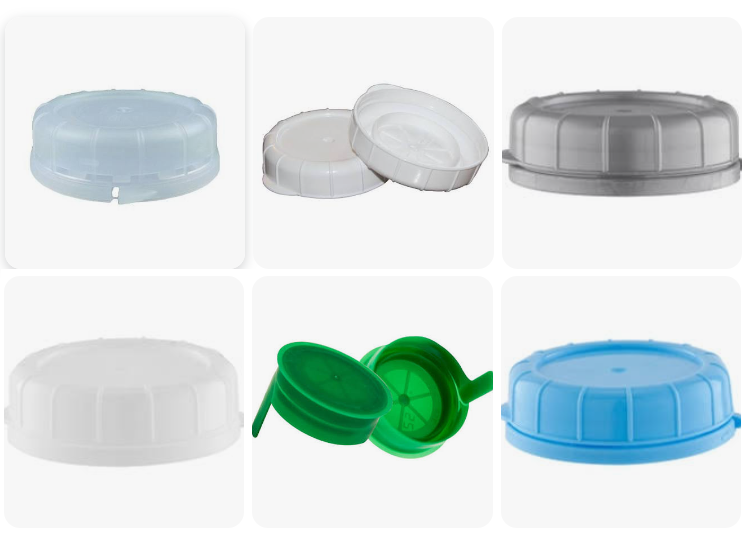
Flat plastic caps
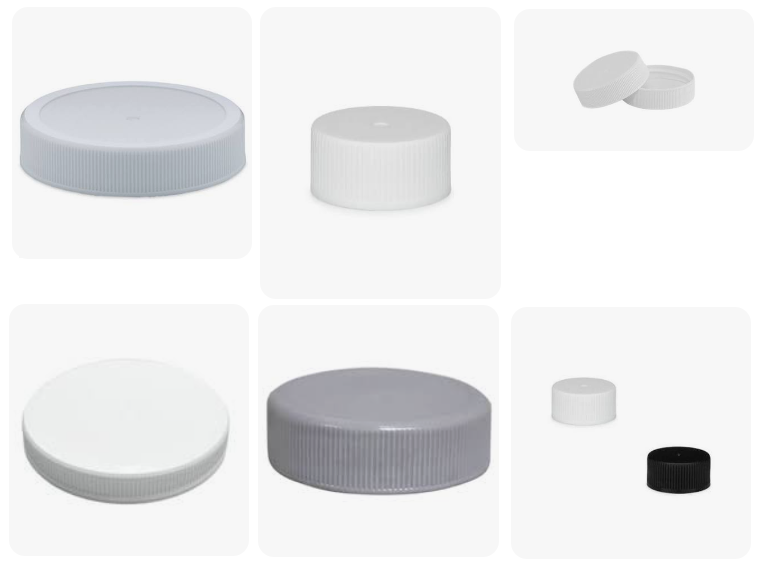
Dome plastic caps
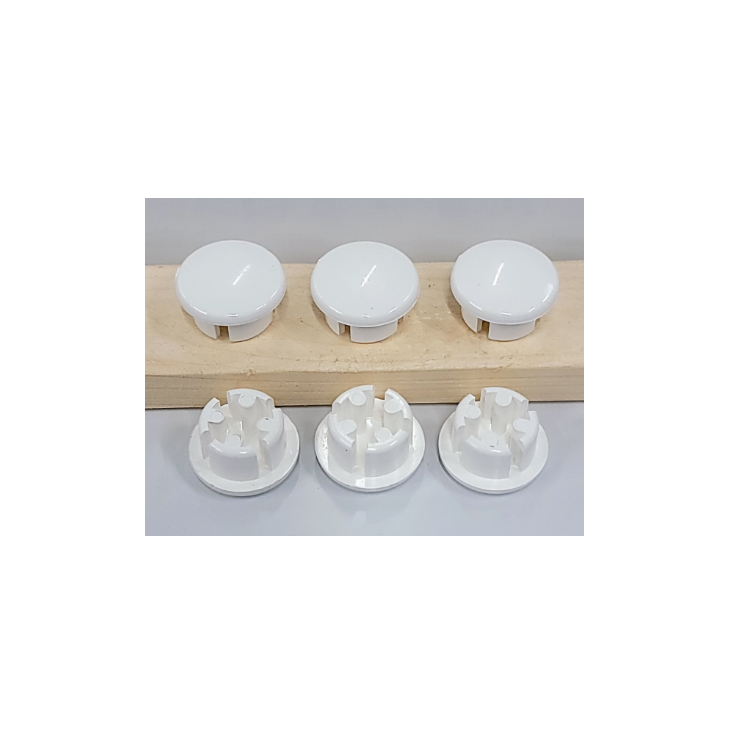
Spray plastic caps
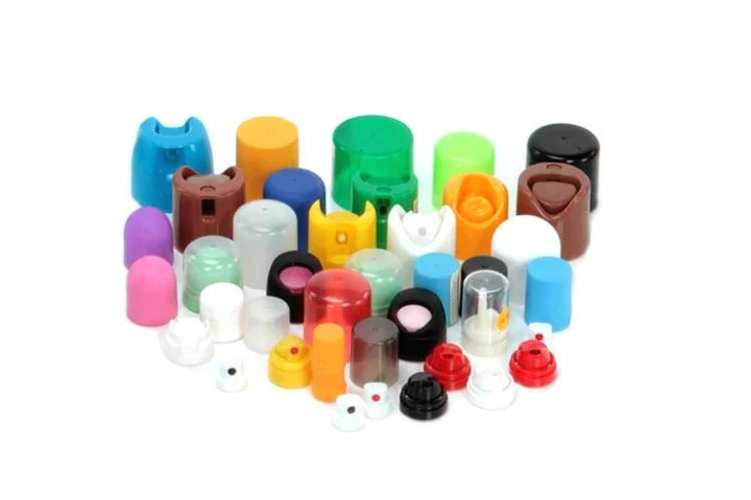
Dropper plastic caps
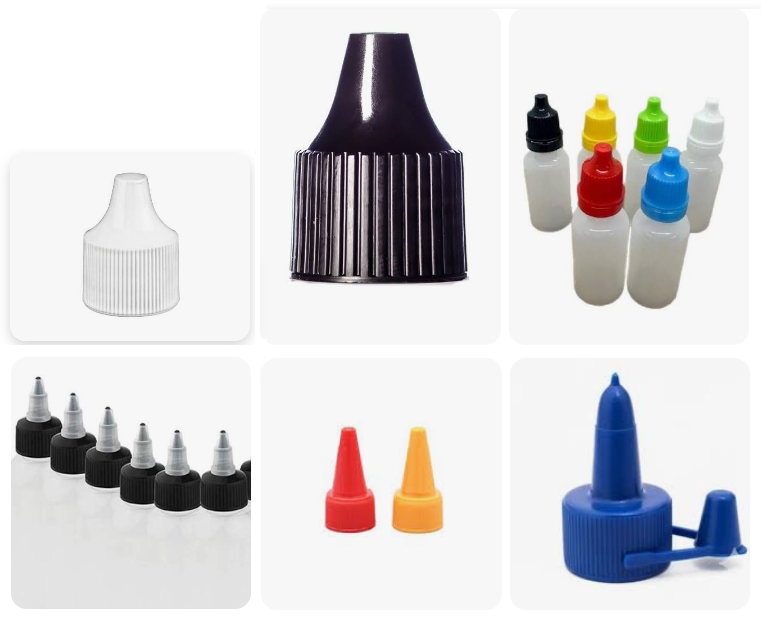
Tamper evident plastic caps
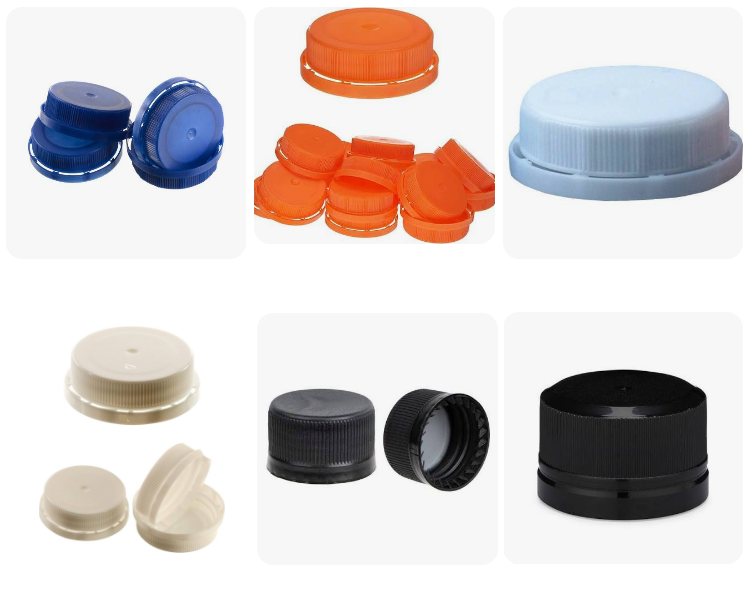
Breathable plastic caps
Furthermore, they also block external dust, water and impurities, so as to keep internal items fresh and safe.
In terms of application scenarios, they are mainly suitable for packaging containers of fermented food, fresh fruits and vegetables.
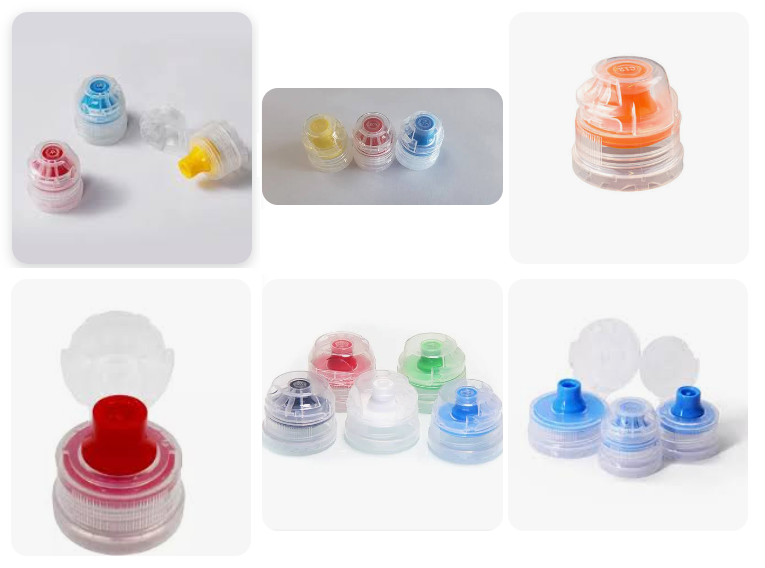
Food jar caps
In addition, they feature excellent tight sealing performance to lock moisture and prolong food freshness.
Furthermore, they support repeated opening and closing, making them ideal for daily household food storage.

Chemical product caps
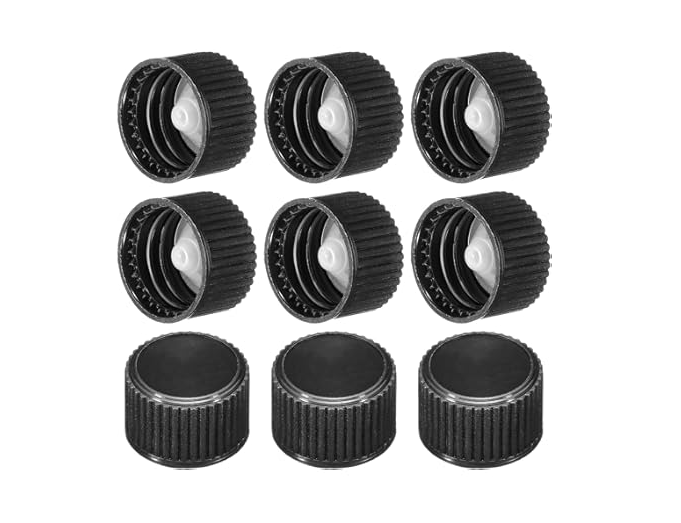
Industrial container caps
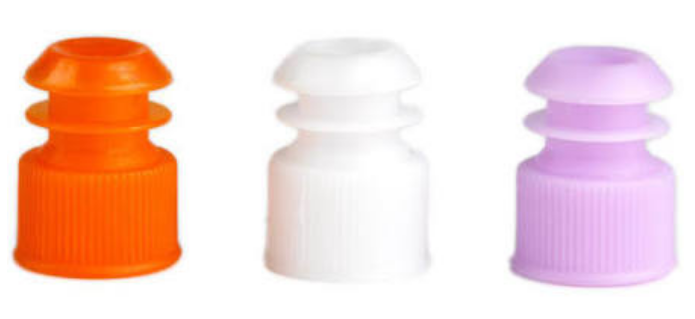
What Materials Are Used to Make Plastic Caps?
The material should be selected according to the cap’s strength, flexibility, chemical resistance, sealing performance and application.
PP — Polypropylene
PP is one of the most common materials for plastic caps.
It provides:
- Good chemical resistance
- Low density
- Good fatigue resistance
- Good molding performance
- Good balance of cost and performance
PP is particularly suitable for caps that need repeated opening and closing.
HDPE — High-Density Polyethylene
HDPE provides good impact resistance and chemical resistance.
Therefore, it is often used for caps and closures for:
- Household chemicals
- Detergents
- Industrial containers
- Personal care products
LDPE — Low-Density Polyethylene
LDPE is softer and more flexible than HDPE.
It can be useful for flexible closures and dispensing applications.
The exact resin grade should be selected according to the cap design and production requirements.
How Are Plastic Caps Made?
For high-volume production, the basic workflow is:
Plastic pellets → material preparation → melting → molding → cooling → ejection → inspection → packaging
The exact process depends on the molding method.
Production method of plastic bottle caps
- Injection molding
- Two-color injection molding
Injection molding
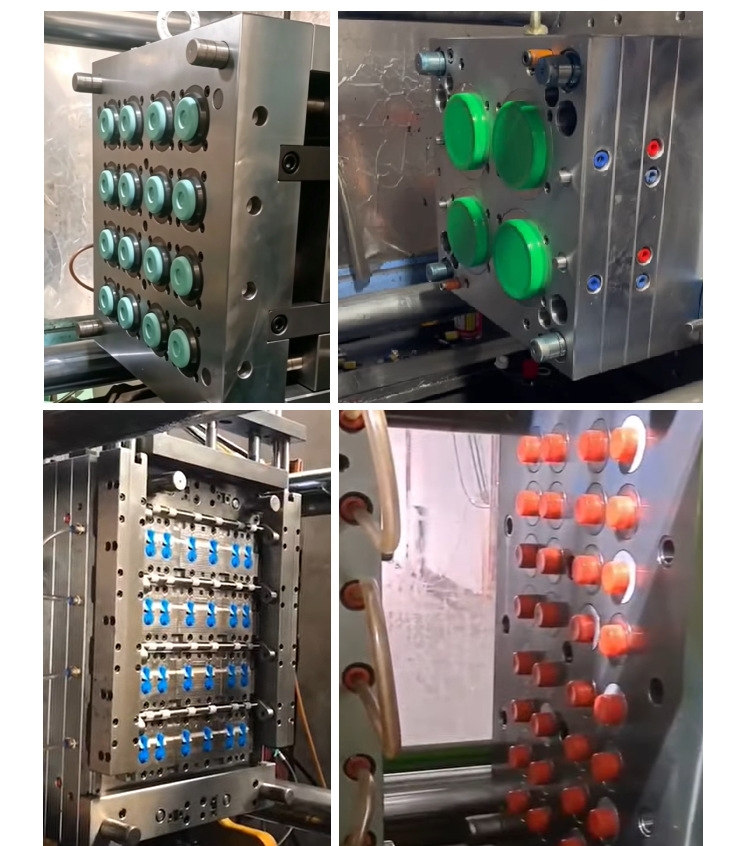
Two-color injection molding
Compression Molding for Plastic Caps
What Plastic Cap Mold Do You Need?
The mold is one of the most important parts of the production system.
A cap mold normally needs to control:
- Cavity number
- Thread geometry
- Gate design
- Cooling channels
- Ejection
- Mold steel
- Parting line
- Automatic demolding
Why Cavity Number Matters
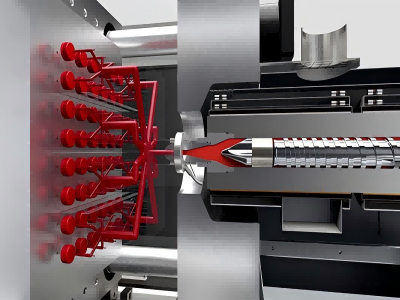
A single-cavity mold produces one cap per cycle.
A 16-cavity mold produces 16 caps.
A 32-cavity mold produces 32 caps.
Therefore:
Output per hour ≈ cavity number × 3600 ÷ cycle time
For example, a 24-cavity mold running at a 10-second cycle has a theoretical output of:
24 × 3600 ÷ 10 = 8,640 caps/hour
Actual output will be lower because of startup, inspection, mold adjustment and production downtime.
This is why mold cavity number and cycle time should be considered together.
How to Choose a Plastic Cap Injection Molding Machine?
Machine selection should start with the mold and production target.
Check the Mold Cavity Number
More cavities mean more parts per cycle.
However, they also increase the required shot size and may increase the required injection speed.
Therefore, a 48-cavity mold should not be matched to a machine simply because the clamping force appears sufficient.
Check the Shot Weight
Calculate:
Shot weight = total part weight + runner weight
Then make sure the injection unit has sufficient capacity.
The machine should also have enough plasticizing capacity to maintain the required cycle time.
Check the Clamping Force
The machine must provide enough clamping force to keep the mold closed during injection.
Insufficient clamping force can cause:
- Flash
- Parting-line defects
- Mold instability
The required force depends on the projected area, cavity pressure and safety margin.
Check Injection Speed
Small caps have relatively thin walls and can have narrow flow paths.
Therefore, the melt may need to fill the cavity quickly.
Stable injection speed can help reduce:
- Short shots
- Weld lines
- Inconsistent filling
- Dimensional variation
Check Cycle Time
In high-volume cap production, even a small reduction in cycle time can have a major impact on annual output.
For example, reducing a cycle from 12 seconds to 10 seconds increases theoretical cycles per hour from:
300 → 360 cycles/hour
That is a 20% increase in theoretical cycle capacity.
Therefore, mold cooling and machine response are both important.
Which Plastic Cap Manufacturing Process Should You Choose?
Use injection molding when you need:
- Complex cap geometry
- Fine threads
- Flip-top designs
- Tamper-evident features
- High dimensional accuracy
- Multi-cavity production
Consider compression molding when you need:
- Very high production volume
- Relatively simple cap designs
- A process suited to the selected material and closure design
In short, the right process depends on the product.
Do not choose the machine first. Choose the cap design and manufacturing process first, then match the mold and machine to the production target.