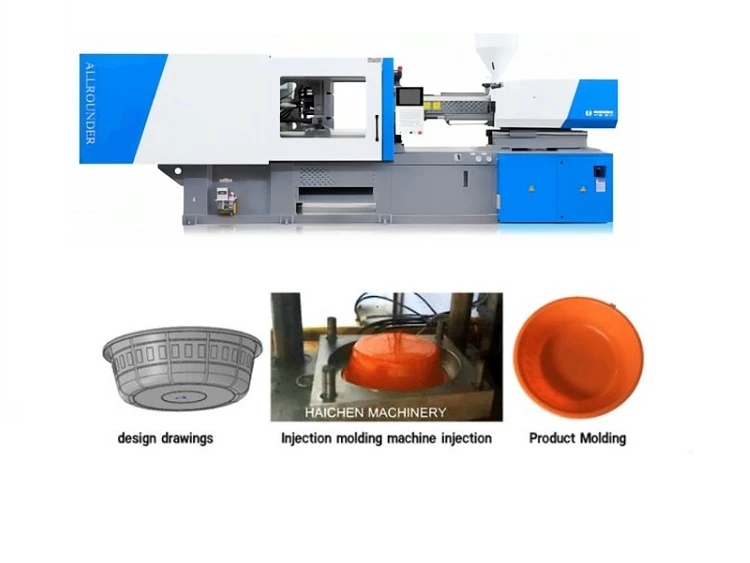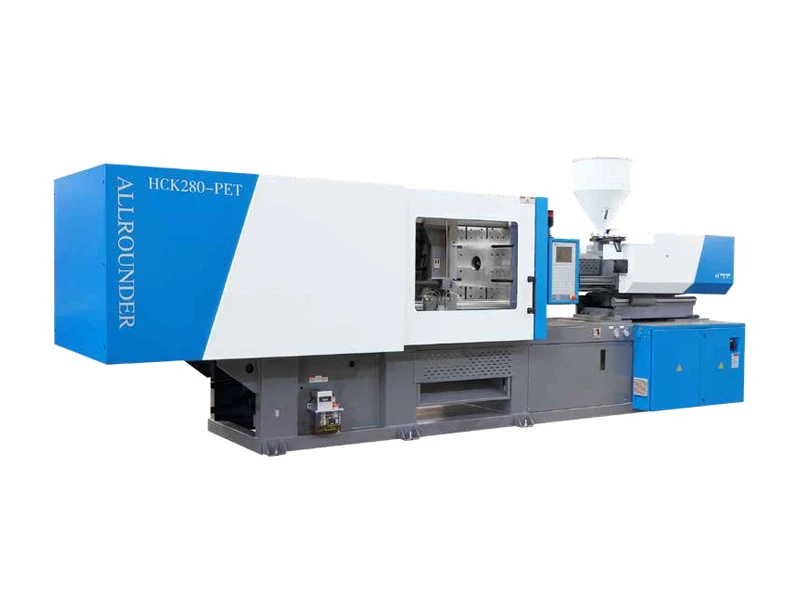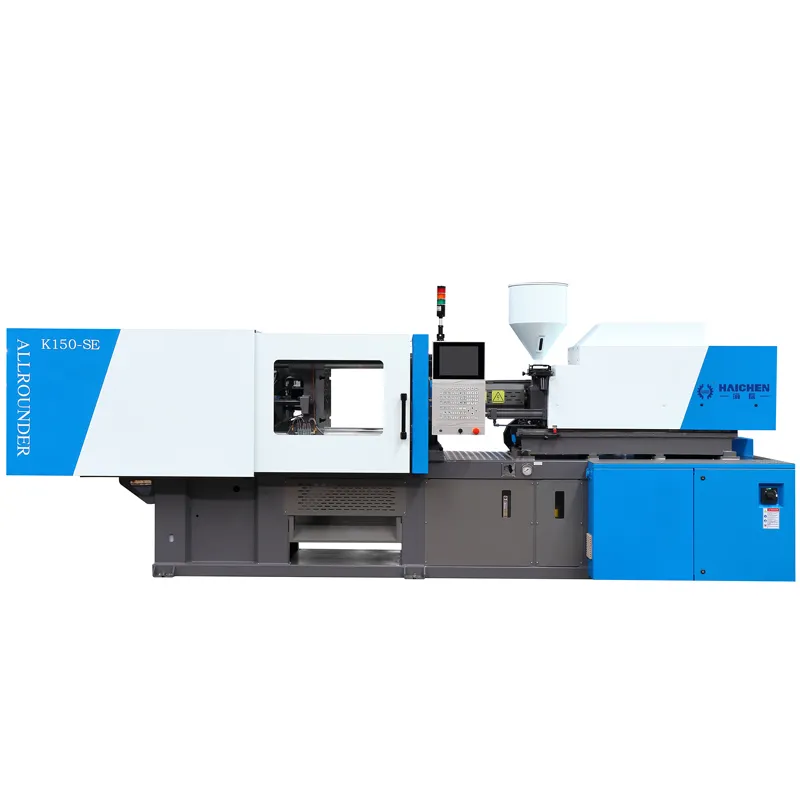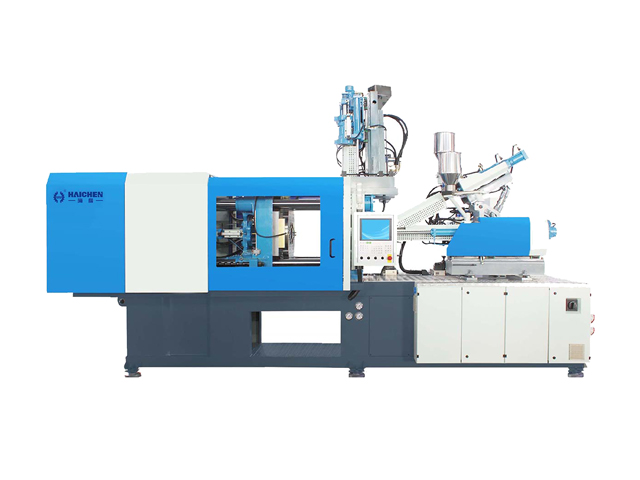
Large plastic basin injection molding machine selection requires careful evaluation of clamping force, energy efficiency, and total cost of ownership. Servo hydraulic and all-electric machines each offer distinct advantages, but for large-area, thick-wall basin production, servo-hydraulic is the more practical choice.
This guide compares servo hydraulic vs all electric basin machine technologies across clamping force, full lifecycle energy consumption, investment cost, and maintenance — helping you make the right choice for your large plastic basin production line.
Large plastic basin products have large projected areas and thick walls, demanding much higher clamping force and plasticizing capacity from injection molding machines than small precision parts.
All-electric machines are known for precision and energy efficiency, but their clamping force ceiling and cost structure do not favor large basin production.
Servo-hydraulic machines offer the opposite advantages. They cover a wide clamping force range, handle large parts effectively, and use servo motors to drive hydraulic pumps. Haichen’s servo-hydraulic models use a high-performance servo power control system, achieving 70-80% energy savings compared to conventional fixed-pump hydraulic machines.
Both technologies have their applications, but for large plastic basin production, servo-hydraulic is the more practical choice.
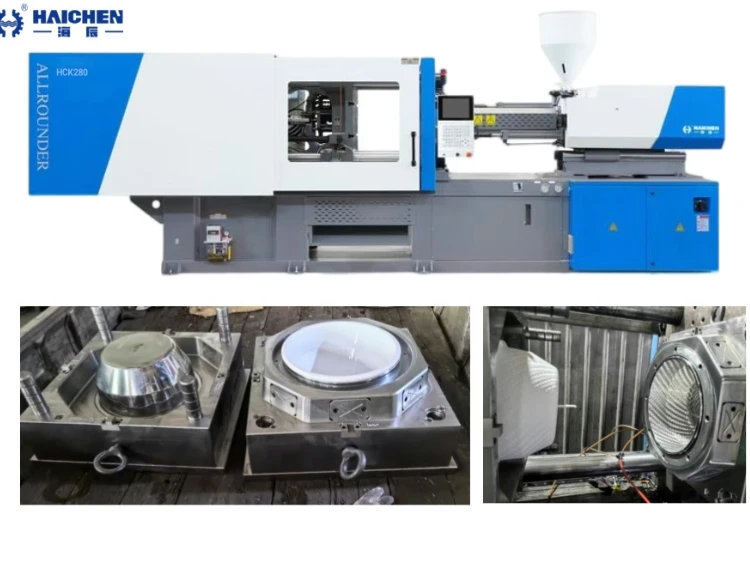
Two Technology Features
Two technical approaches serve the large plastic basin market differently:
- All electric – high precision but limited clamping force
- Servo hydraulic – high force and strong large-part molding capability
- Servo motor drive – consumes power only during motion, zero at idle
All Electric – High Precision but Limited Force
All-electric machines are driven directly by servo motors.
Advantages:
- Precise speed, pressure, and position control
- High repeatability and fast response
- Oil-free, clean operation
- Suitable for small precision parts with tight tolerances
Limitations in large basin production:
- A large plastic basin typically requires 180 to 800 tons of clamping force
- All-electric clamping force ceiling is lower than hydraulic at the same price point
- To achieve equivalent clamping force, equipment cost rises significantly
Servo Hydraulic – High Force and Strong Large-Part Molding Capability
Servo-hydraulic machines use high-performance servo motors driving hydraulic pumps as the power source.
Haichen HCK series:
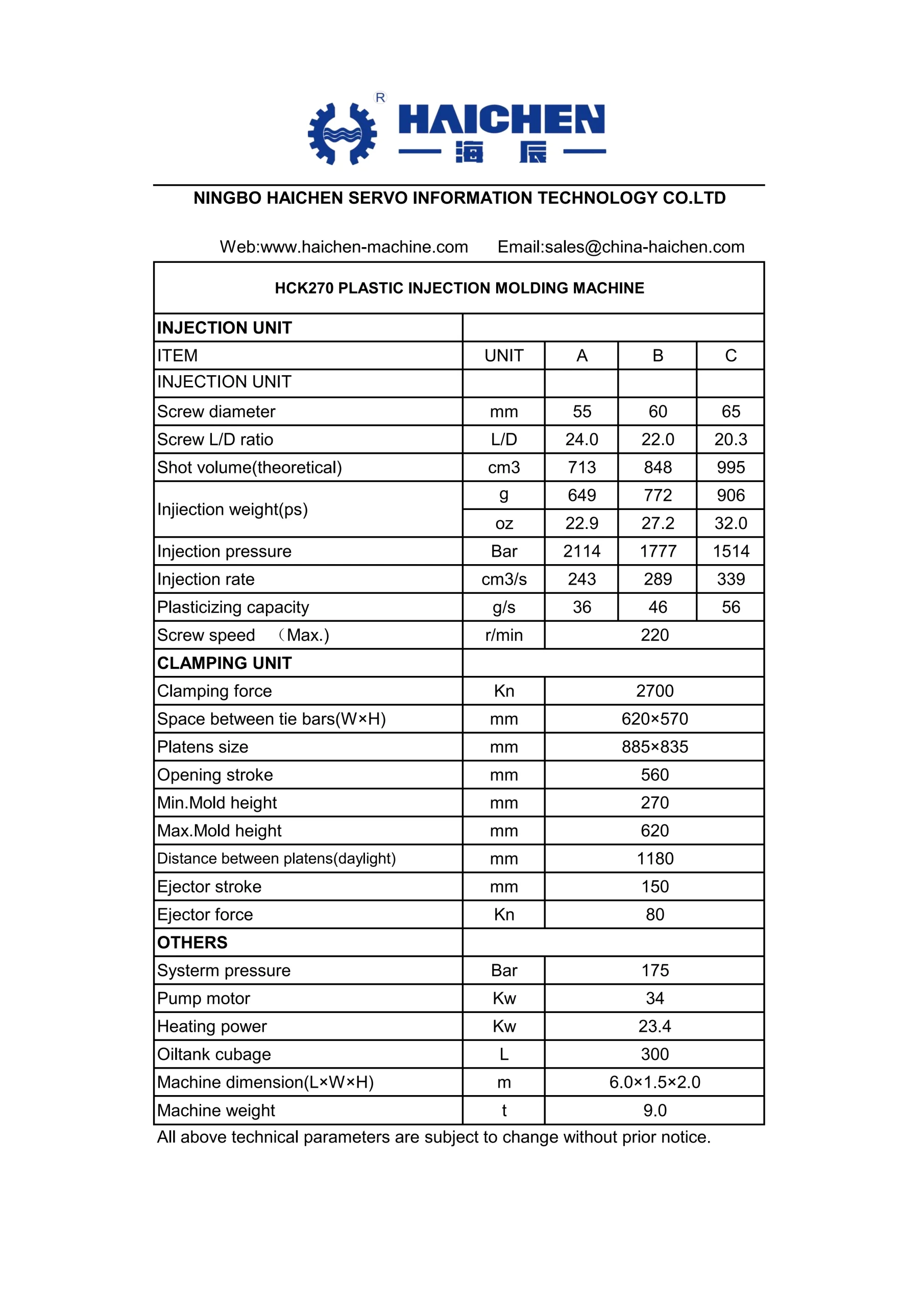
- Clamping force: 2,000 kN to 13,000 kN (200 to 1,300 tons)
- Fully covers large plastic basin production requirements
| Comparison | Servo-Hydraulic | All-Electric |
|---|---|---|
| Clamping force range | 200-1,300 tons | Typically ≤500 tons |
| Large basin suitability | Excellent | Limited |
| Thick-wall molding capability | Strong | Moderate |
| Initial equipment cost | Lower | Higher |
For thick-wall large plastic basins, the packing phase requires sustained high pressure. Servo-hydraulic outperforms all-electric in this regard.
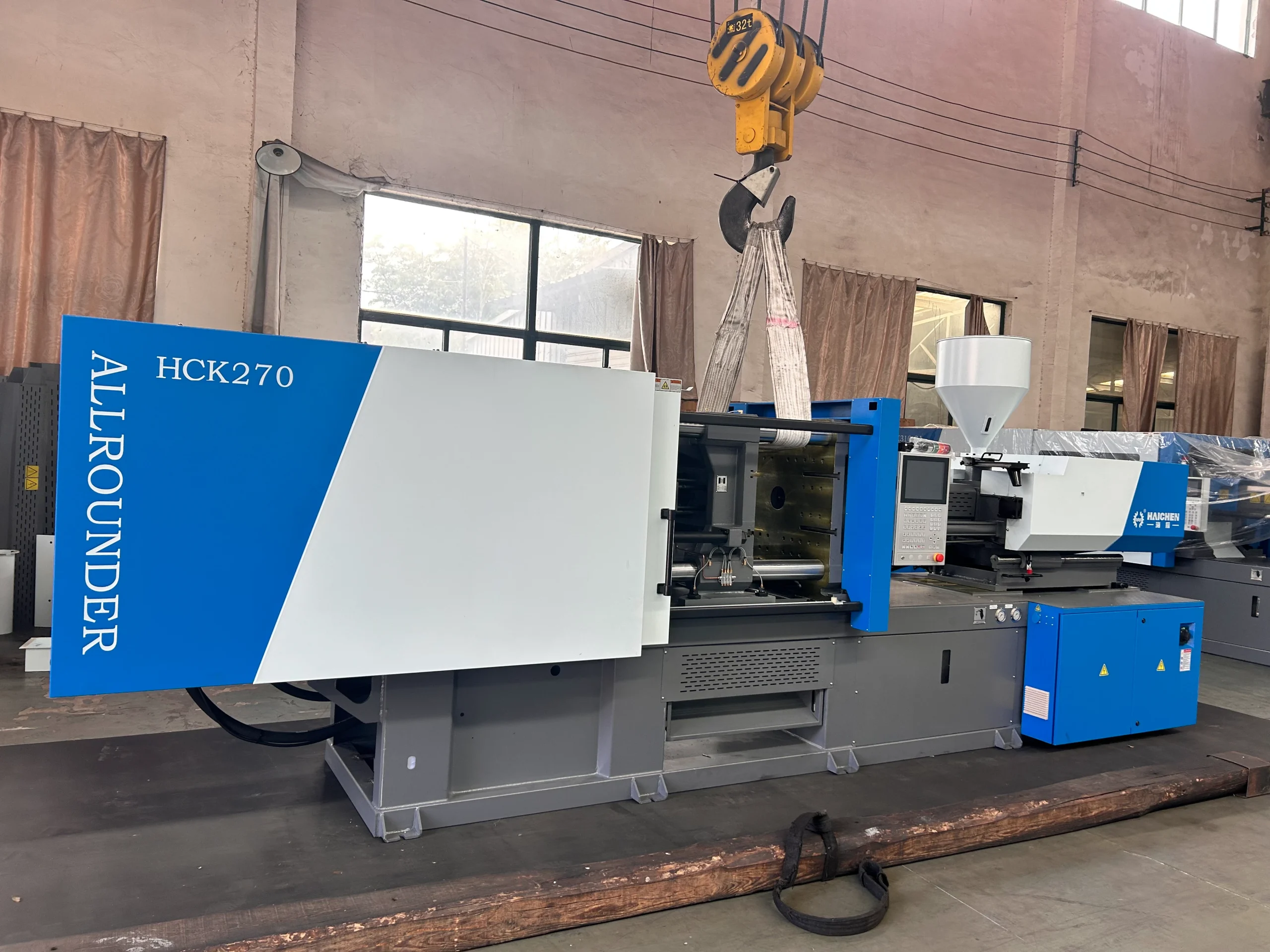
Servo Motor Drive – Power Only on Motion, Zero at Idle
This is the key difference between servo-hydraulic and conventional hydraulic, and the core of its energy-saving advantage.
Conventional hydraulic:
- Motor and pump run continuously
- Even during idle, cooling, or no-action phases
- Oil circulates constantly
Servo-hydraulic:
- Consumes power only when executing an action
- When machine is idle, servo motor stops completely
| Operating State | Conventional Hydraulic | Servo-Hydraulic |
|---|---|---|
| Injection/packing in action | Power consumed | Power consumed |
| Cooling/idle, no action | Continuously consuming | Nearly zero |
For large plastic basins with longer cooling times, idle-period energy savings are significant.
Direct Comparison Three Points
Compare the two technologies across three dimensions:
- Clamping force – the key metric for large basins
- Full lifecycle energy – not just single-cycle consumption
- Investment and maintenance – the long-term picture
Clamping Force – Key for Large Basins
Large plastic basins have large projected areas, generating significant cavity pressure during injection.
All-electric limitation:
- Inherent clamping force ceiling
- Cannot easily reach 800+ tons
Servo-hydraulic advantage:
- From 180 to 800 tons and beyond
- Mature models readily available
Haichen servo-hydraulic models cover 200 to 1,300 tons. Whether you produce standard washbasins or large bathtubs, there is a matching model.
Full Lifecycle Energy – Not Just Single Cycle
All-electric machines consume less energy during the actual injection action.
But consider the full batch:
- Large plastic basins have thicker walls
- Cooling time is longer
- During cooling, all-electric still maintains motor standby power
- Servo-hydraulic servo motor stops completely when idle
For products where cooling occupies a significant portion of the cycle, servo-hydraulic’s full-lifecycle energy advantage becomes apparent.
Investment and Maintenance – The Long-Term Picture
| Cost Item | Servo-Hydraulic | All-Electric |
|---|---|---|
| Initial purchase cost | Lower | Higher (30-50% more) |
| Daily maintenance | Mature tech, parts readily available | Precision components, higher servicing barrier |
| Hydraulic oil replacement | Regular, cost manageable | Not required |
| Long-term repair cost | Standard parts, lower cost | Proprietary parts, higher cost |
Key takeaway:
All-electric machines eliminate hydraulic oil, but servo motors and ball screws are expensive to repair. Servo-hydraulic technology is more mature. Components are widely available and easy to source.
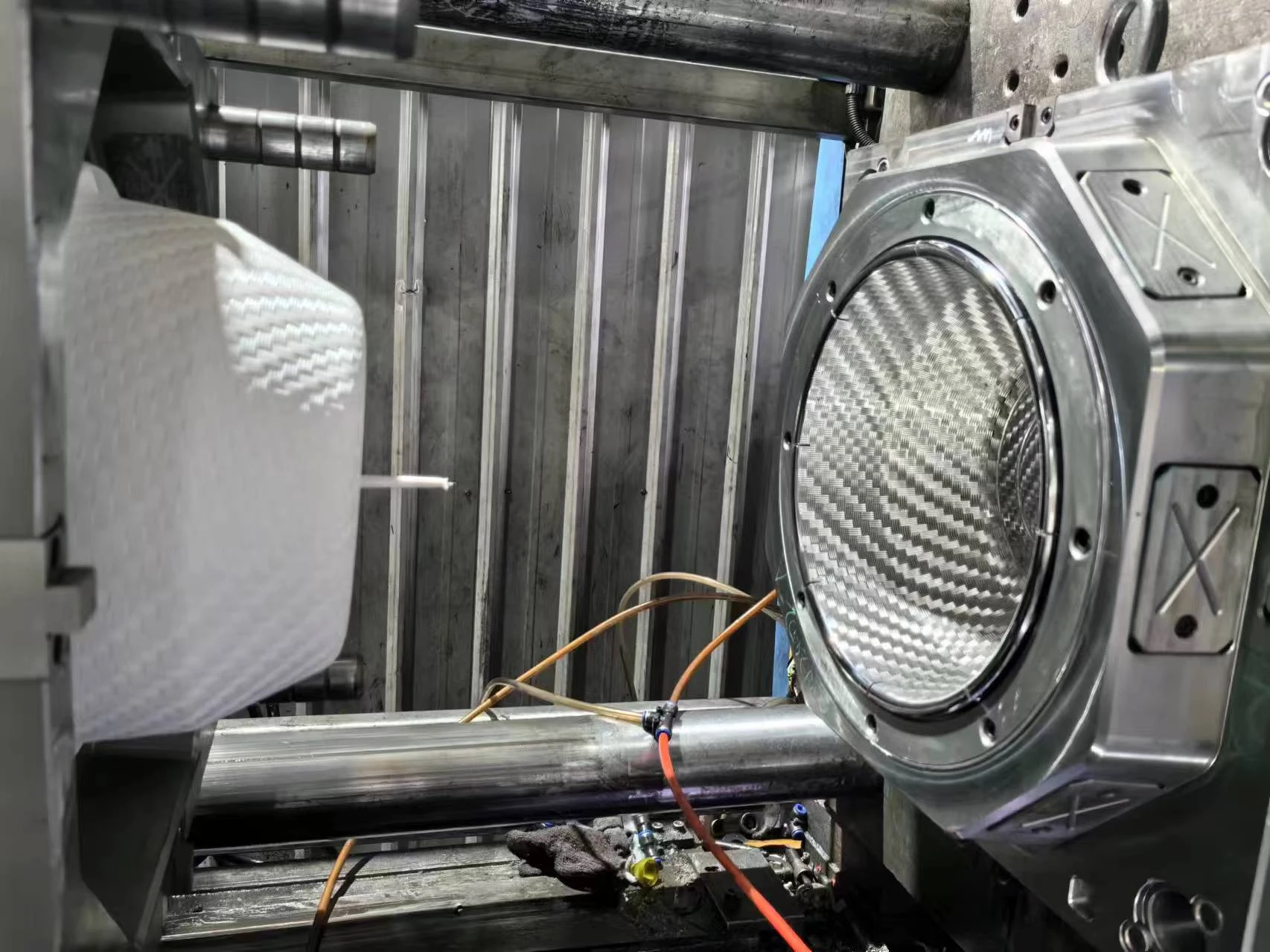
Servo-Hydraulic Is Better for Large Plastic Basin Production
Based on the comparison above, servo-hydraulic is the more practical choice:
- Best match – large-area, thick-wall products
- Haichen value – reliable performance, better cost efficiency
- Cost advantage – 50-60% cheaper than imported equivalents
Best Match for Large Area and Thick Walls
Large plastic basins demand:
- Sufficient clamping force
- Strong packing capability
- Adequate plasticizing capacity
Servo-hydraulic excels on all three:
- Broad clamping force coverage
- Stable hydraulic system for packing
- Large-diameter screws for high plasticizing capacity
All-electric advantages in thin-wall, precision applications do not translate to large basin production. Servo-hydraulic is proven and reliable.
Haichen Servo-Hydraulic – Reliable Performance, Better Cost Efficiency
Haichen’s servo energy-saving machines use a high-performance servo power control system driving the hydraulic pump.
Key metrics:
- Energy savings: 70-80% vs. conventional fixed-pump hydraulic
- Clamping force: 180 to 800 tons (HCK series)
- Covers all plastic basin product requirements
Core components:
- U.S. High-tech pumps
- Japanese Yuken directional valves
Strong performance with competitive pricing. For a plastic basin making machine that balances cost and capability, Haichen is a strong contender.
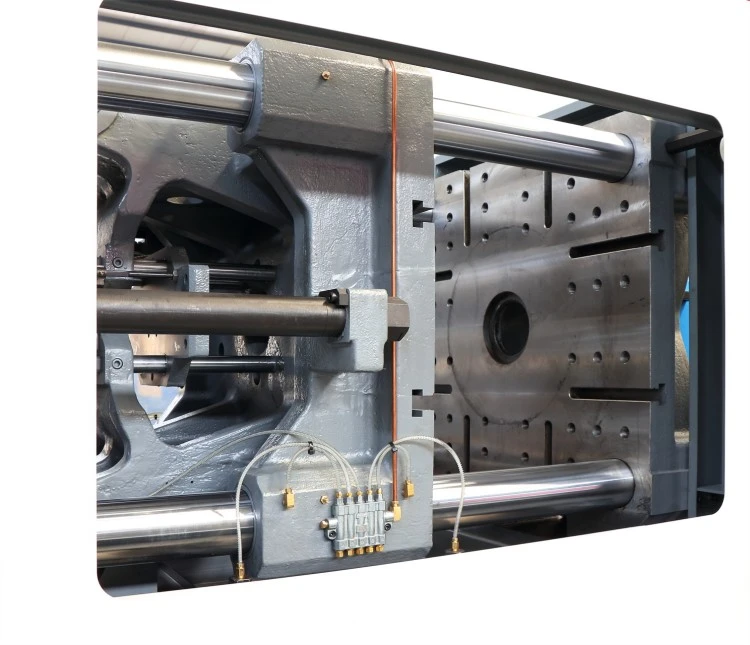
50-60% Cheaper than Imported Equivalents
At equivalent clamping force, Haichen servo-hydraulic machines are priced 50-60% lower than European and Japanese imported brands.
Quality not compromised:
- Servo power system uses internationally recognized configurations
- Control systems: Taiwan Techmation or Austrian KEBA
- Core components from mature European, American, and Japanese supply chains
What this means for you:
- Multiple machines with the same budget
- Significantly shorter ROI period
Final selection reference:
All-electric machines offer precision and cleanliness for thin-wall precision products.
Servo-hydraulic machines provide:
- Higher clamping force
- Stronger packing capability
- No idle power consumption
Best for: Large plastic basin production with large-area, thick-wall requirements.
When selecting a plastic basin making machine:
- Consider product dimensions, wall thickness, material type, and output requirements
- For large basin products, servo-hydraulic is the proven choice
Haichen servo-hydraulic models:
- Clamping force: 180-800 tons
- Energy savings: 70-80%
- Cost: 50-60% less than imported alternatives at the same performance level