
Assessing a supplier’s strength at the injection molding machine loading site by observing the container loading process is a very insightful approach.
The container loading itself can be seen as a microcosm of the supplier’s overall management level
It’s not just a simple logistics operation, but a comprehensive reflection of their production, quality, and supply chain management capabilities.
You can observe it from the following three dimensions.
The standardization of container loading operations
The true level of production management
The evaluate the maturity of supply chain management
The standardization of container loading operations
Injection molding machines are heavy, precision equipment; loading them into containers requires professional planning and securing, rather than simple stacking.
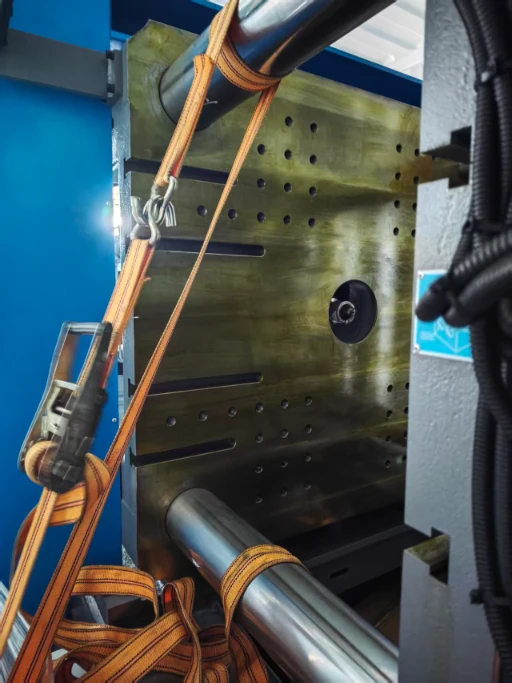
Has the center of gravity been planned? (e.g., placing heavy cargo centrally and at the base to avoid being top-heavy and to prevent shifting due to rough seas.)
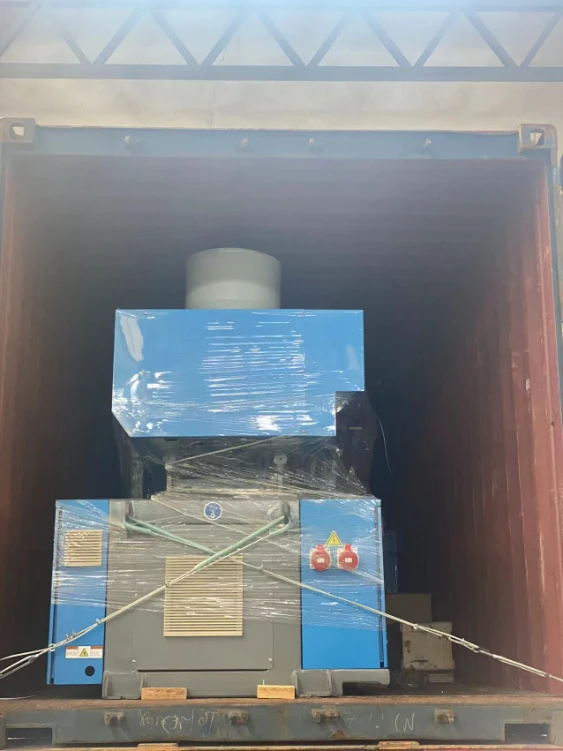
Are there professional securing measures in place? (e.g., using custom pallets, timber blocking, steel strapping, or blocking devices for rigid securing; applying friction pads or anti-rust treatments at critical load-bearing points.)
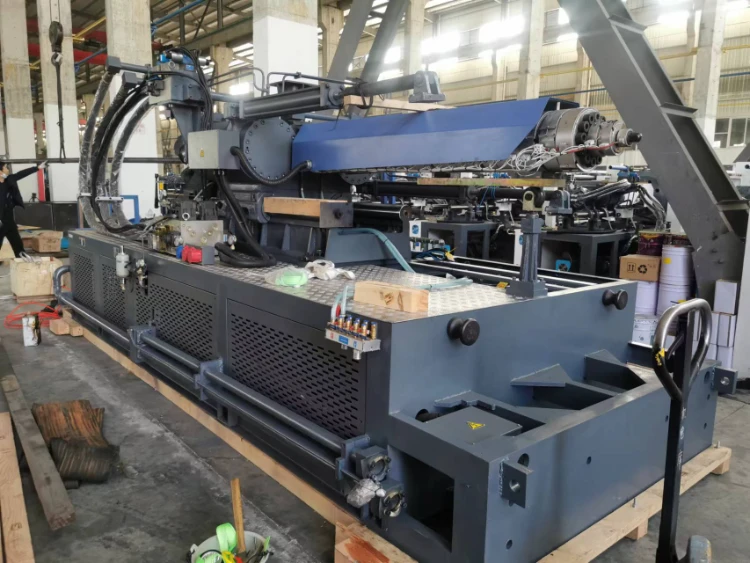
The true level of production management
The container loading site of the injection molding machine offers a window into production management, helping you uncover details you might overlook during a workshop tour.
You can make a surprise comparison between the order numbers that workers are currently loading into containers and past shipping records to confirm whether the products are actually in production.
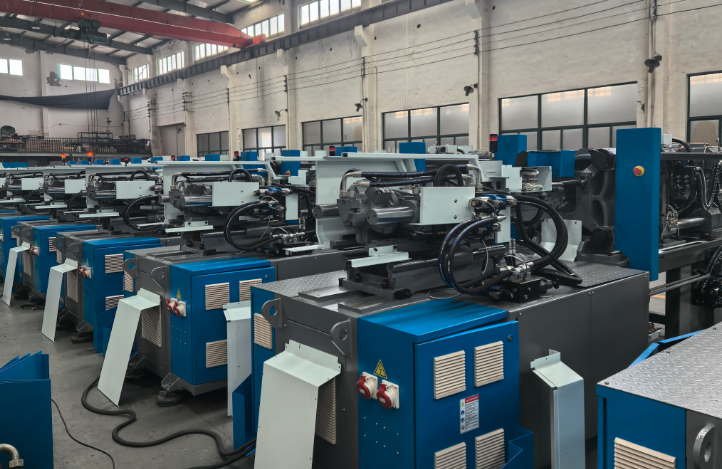
The evaluate the maturity of supply chain management
The final stage of container loading best reflects the factory’s emphasis on shipping quality and customer commitment.
The shipping documents are the ‘end point proof’ of factory management:
Check that the shipment order, release note, and other documents match the physical goods, and that the process forms a closed loop.
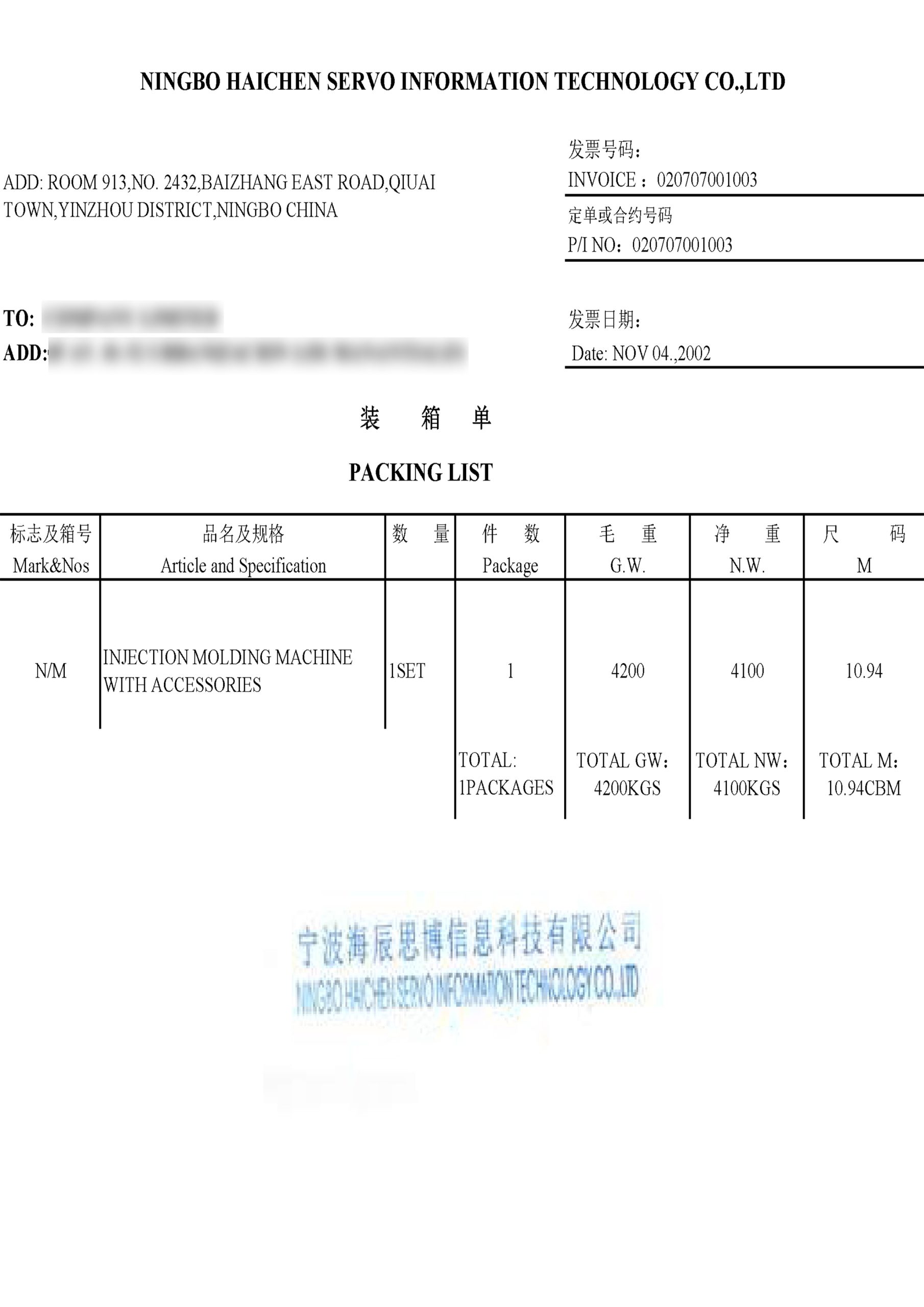
A formal factory possesses a basic skill: it confirms whether the product has traceability and can trace it back to the raw material batch, production date, mold number, and even the operator.
By the end
At the container loading site, you can ask yourself three questions to quickly form an overall assessment:
Is their loading process based on “jamming things in” by guesswork, or does it rely on diagrams, standards, and inspections?
Workshop-to-container flow: orderly or chaotic firefighting?
Safe delivery: careless or core responsibility?
This holds especially true when shipping injection molding machines. A truly capable supplier does not try to handle everything in-house; instead, they understand the following:
Experts who understand the equipment’s center of gravity, securing methods, and ocean freight risks should handle container loading plans.
Respective specialists should handle logistics, customs clearance, and insurance.
“Leave professional things to professionals” is not a polite statement, but a reflection of the maturity of supplier management.
Whoever can integrate professional resources well and shoulder the final responsibility will be more likely to reassure customers and get long-term orders.
Haichen provides end-to-end management for the container loading and export of injection molding machines. Pre-loading steps include container selection, center-of-gravity calculation, and securing plan formulation.
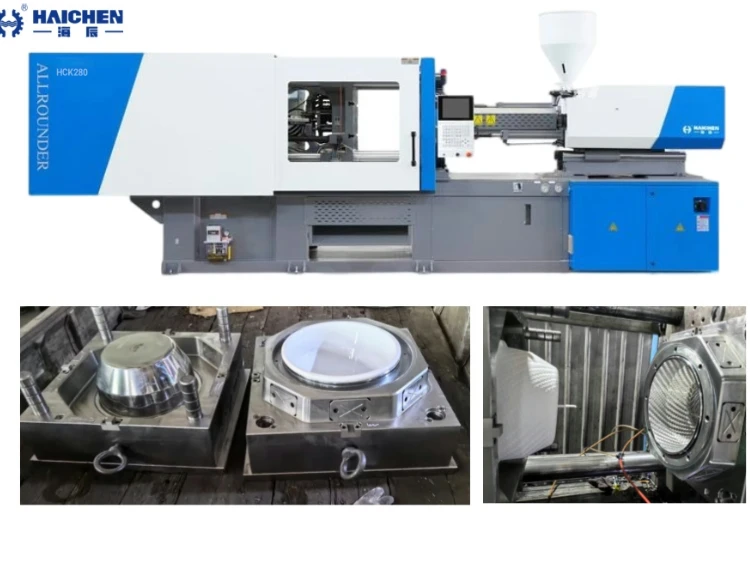
During loading, we conduct empty container inspections, install base restraints and X-pattern lashings, apply protective measures for precision components, and document the entire process with video and photographic records.
Post-loading procedures cover seal verification, document reconciliation, and the preparation of unloading plans for the destination port.
We do more than simply load machines into containers; we ensure that transport risks are identified, controlled, and traceable right at the loading site.


