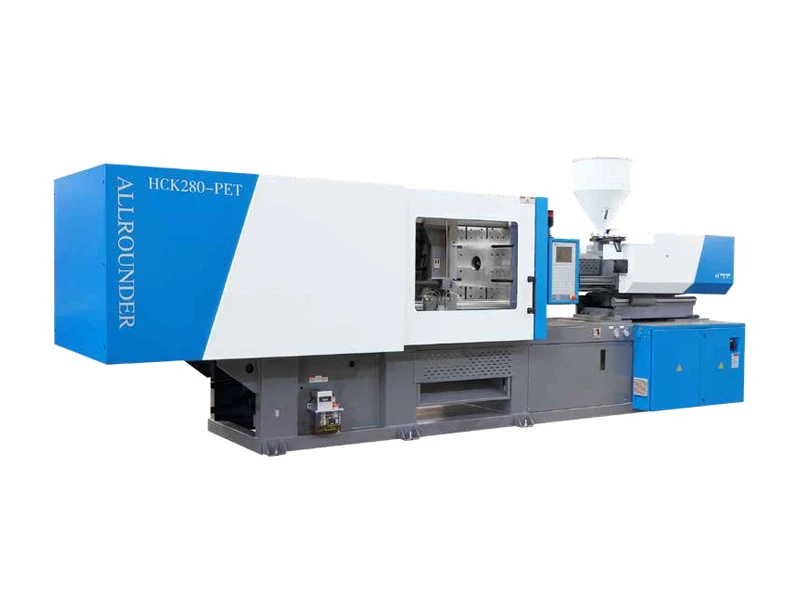
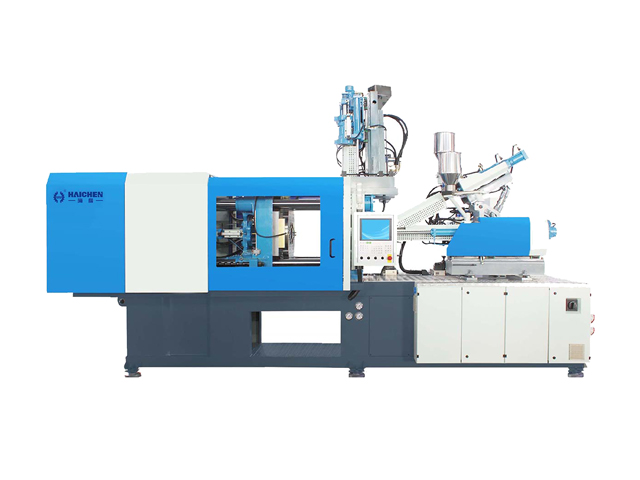
The coffee capsule market continues to grow. The global coffee capsule market was valued at $16.42 billion in 2025 and is expected to reach $17.77 billion in 2026. Plastic capsules still hold 53.94% of the global coffee pod market.
This growth drives demand for coffee capsule injection molding machines. For manufacturers planning to enter or expand coffee capsule production, choosing the right coffee capsule injection molding machine directly affects product quality, output, and return on investment.
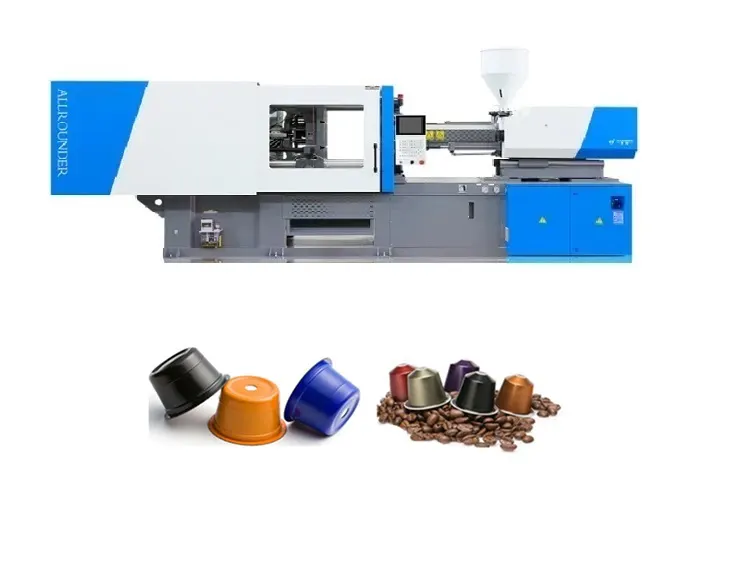
Many buyers focus only on price or clamping force when selecting equipment. They ignore shot size matching, mold configuration, and material compatibility. These problems appear after the machine starts production.
This article explains the key parameters and purchasing points for coffee capsule injection molding machines. The content targets procurement managers and technical staff at coffee capsule manufacturing companies.
Coffee Capsules Clamping Force Selection — How Much Do You Need
What is a coffee capsule injection molding machine?
A coffee capsule injection molding machine produces plastic coffee capsules. The machine melts PP or PLA plastic, injects it into a precision mold, and cools it to form the capsule body. Clamping force usually ranges from 80 to 150 tonnes. Molds range from 4 to 32 cavities. Output can reach thousands to tens of thousands of pieces per hour.
How much clamping force does a coffee capsule injection molding machine need?
Standard coffee capsule production uses 80 to 150 tonnes clamping force. A 4-cavity mold needs about 80 to 100 tonnes. A 16-cavity mold needs about 120 to 150 tonnes. A 32-cavity mold requires higher clamping force. The KraussMaffei PX 80-250 uses 800 kN clamping force for 4-cavity PP coffee capsules.
Coffee Capsules Clamping Force Range
The Clamping force holds the mold closed during injection. Coffee capsule wall thickness is usually only 0.4 mm. The part projection area is small. Required clamping force is lower than for large plastic parts.
Industry cases provide reference data. The KraussMaffei PX 80-250 produces PP coffee capsules with a 4-cavity mold and 14 g shot weight. This machine has 800 kN clamping force. Husky injection machines for coffee capsule production use 300 tonnes (3000 kN) clamping force with larger molds and higher output.
For standard coffee capsule production, clamping force typically ranges from 80 to 150 tonnes (800 to 1500 kN). The exact choice depends on cavity count and mold design.
Plastic coffee capsule Matching Cavity Count with Clamping Force
Cavity count determines output and affects clamping force requirements. A 4-cavity mold suits small to medium batch production. 8-cavity and 16-cavity molds suit medium to large batch production. 32-cavity molds serve high-output scenarios.
The Netstal Elion 1200-250/55 injection machine has 1200 kN clamping force and uses a 4-cavity IML mold for coffee capsules. All components use servo motor drive, resulting in low noise operation.
More cavities require higher clamping force. Buyers should determine cavity count based on target output, then match the appropriate clamping force.
HAICHEN Coffee Capsule Injection Machine Clamping Force Configuration
HAICHEN offers coffee capsule injection machines from 80 to 250 tonnes. Our technical team recommends the right clamping force based on cavity count and mold design. The machines use a high-rigidity clamping structure to ensure stable clamping force during long production runs.
| HCK110 PLASTIC INJECTION MOLDING MACHINE | ||||
| INJECTION UNIT | ||||
| ITEM | UNIT | A | B | C |
| INJECTION UNIT | ||||
| Screw diameter | mm | 32 | 36 | 40 |
| Screw L/D ratio | L/D | 24.7 | 22.0 | 19.8 |
| Shot volume(theoretical) | cm3 | 145 | 183 | 226 |
| Injiection weight(ps) | g | 132 | 167 | 206 |
| oz | 4.7 | 5.9 | 7.3 | |
| Injection pressure | Bar | 2393 | 1890 | 1531 |
| Injection rate | cm3/s | 94 | 118 | 146 |
| Plasticizing capacity | g/s | 8 | 12 | 19 |
| Screw speed (Max.) | r/min | 250 | ||
| CLAMPING UNIT | ||||
| Clamping force | Kn | 1100 | ||
| Space between tie bars(W×H) | mm | 410*360 | ||
| Platens size | mm | 595*545 | ||
| Opening stroke | mm | 350 | ||
| Min.Mold height | mm | 170 | ||
| Max.Mold height | mm | 420 | ||
| Distance between platens(daylight) | mm | 770 | ||
| Ejector stroke | mm | 110 | ||
| Ejector force | Kn | 40 | ||
| OTHERS | ||||
| Systerm pressure | Bar | 175 | ||
| Pump motor | Kw | 15 | ||
| Heating power | Kw | 9.4 | ||
| Oiltank cubage | L | 160 | ||
| Machine dimension(L×W×H) | m | 4.3*1.2*1.6 | ||
| Machine weight | t | 3.6 | ||
Coffe Capsule Injection Unit — Precision Injection Is Key
Matching Shot Size with Part Weight
Coffee capsules weigh 5 to 12 grams each. They are small precision molded parts. The injection unit shot size should stay between 30% and 80% of the machine’s total capacity.
Too low a shot size causes long residence time and material degradation. Too high causes incomplete filling and uneven capsule wall thickness.
The KraussMaffei PX 80-250 uses a 4-cavity mold with 14 g total shot weight. This data serves as a selection reference: multiply single part weight by cavity count, then add runner weight to get total shot size requirements.
Injection Speed and Fill Time
Coffee capsules have thin walls. High injection speed is needed to complete filling before the material cools. The Bio-Caps production case shows that producing bioplastic coffee capsules requires injection times of 90 to 100 milliseconds to complete mold filling.
Unstable injection speed causes uneven filling and wall thickness variation. Servo control systems maintain consistent injection speed and reduce quality variation between batches.
HAICHEN Injection Unit Technical Features
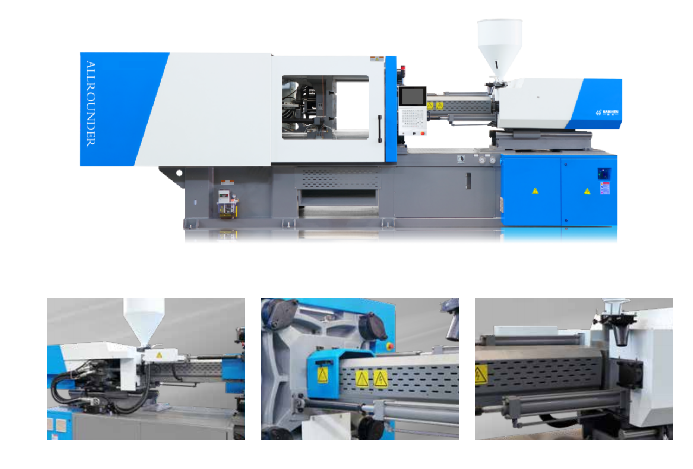
HAICHEN coffee capsule injection machines feature a high-response servo injection system. Injection speed can be set in multiple stages to match the filling needs of different wall thicknesses. Our machines support short injection times to ensure complete filling of thin-wall capsules.
Mold Configuration — IML and Multi-Layer Injection Technology
In-Mold Labeling (IML) Technology
IML technology adds brand identity and decoration to coffee capsules during molding. The 4-cavity IML equipment shown at the Fakuma exhibition uses a Netstal Elion 1200-250/55 injection machine to produce PP coffee capsules.
An IML system includes labels, a robot, and a dedicated mold. The label goes into the mold before injection. During injection, the label bonds with the plastic. This process eliminates the need for a separate printing step.
What is a multi-layer coffee capsule?
A multi-layer coffee capsule uses two PP layers around one EVOH barrier layer with 0.4 mm total wall thickness. EVOH provides oxygen and moisture barriers to extend coffee shelf life. This process requires a two-component injection machine or multi-layer coinjection system. Netstal and KraussMaffei both offer relevant solutions.
Multi-Layer Injection and Barrier Structure
Coffee capsules need oxygen and moisture barriers to preserve coffee freshness. Multi-layer injection uses two PP layers around one EVOH barrier layer. Total wall thickness is only 0.4 mm.
Netstal uses coinjection technology to produce three-layer coffee capsules. EVOH and PVOH materials provide excellent barrier performance. This process requires a two-component injection machine or multi-layer coinjection capability.
The Polyformnext exhibition shows a solution using an all-electric two-component injection machine to produce IML-decorated three-layer coffee capsules. Total cycle time is about 4.9 seconds using a 4-cavity test mold.
HAICHEN Mold Matching Support for Coffee Capsules
HAICHEN supports customers in providing mold drawings for matching confirmation. We recommend the right injection unit and clamping force based on capsule size, wall thickness, and material requirements. For multi-layer injection applications, we provide selection advice for two-component injection systems.
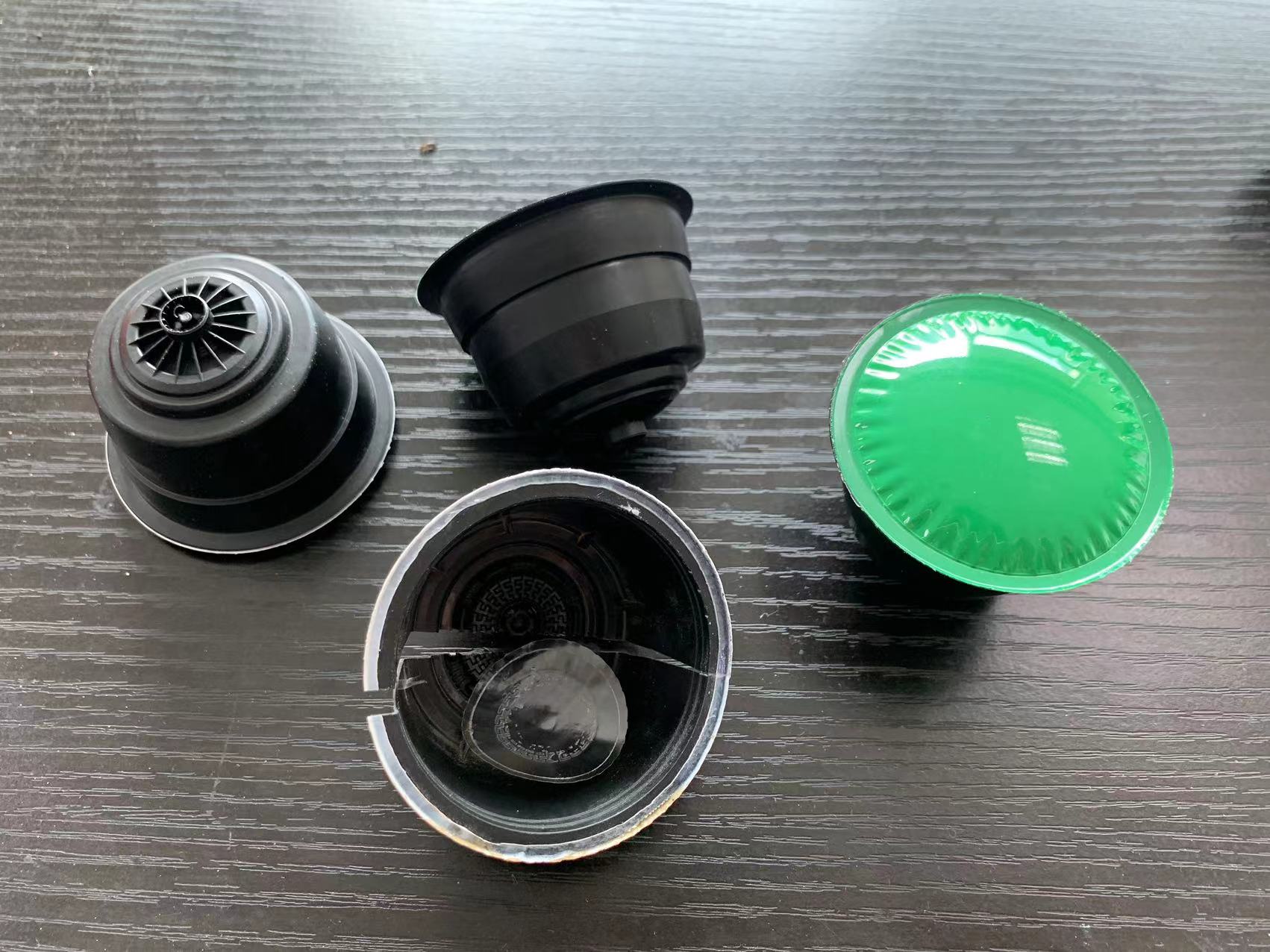
HAICHEN Coffee Capsule Injection Molding Machine Case Study: PP/PLA Material with 8-Cavity Mold
What is the difference between PP and PLA coffee capsule injection molding?
PP processing temperature is 200 to 250°C with mature processes and higher shrinkage. PLA and compostable materials are more temperature-sensitive with narrow processing windows. They need faster injection speeds and more precise temperature control. Bio-Caps uses 90 to 100 millisecond injection times and 0.9 second cooling time for bioplastic capsules.
Case Parameters and Output Calculation
A HAICHEN customer produces coffee capsules with PP and PLA material. Part weight is 3.1 grams. Wall thickness is 0.65 mm. The mold has 8 cavities. The customer selected a HAICHEN 110-ton injection machine. Cycle time is 12 seconds.
Each cycle produces 8 parts. Net part weight is 24.8 grams. At 12 seconds per cycle, the machine runs 300 cycles per hour. Hourly output is 2,400 pieces. With 20 hours per day, daily output is 48,000 pieces. With 30 days per month, monthly output is about 1.44 million pieces. This output suits a medium-size coffee capsule factory.
Process Matching for PP and PLA Material
PP material processes at 200 to 250°C. It has higher shrinkage and needs enough holding pressure. PLA material processes at 165 to 195°C. PLA is moisture-sensitive. Dry it to below 0.02% moisture before processing. Drying temperature is 80°C for 2 to 4 hours. PLA has a narrow processing window. It needs precise temperature control.
The HAICHEN 110-ton machine supports process switching between PP and PLA. We provide dedicated screw configurations for PP and PLA. The temperature control system keeps each barrel zone stable.
Performance of the HAICHEN 110-Ton Injection Machine
In this case, the HAICHEN 110-ton machine runs stably at a 12-second cycle. The 8-cavity mold fills evenly. Part wall thickness is 0.65 mm with no short shots or flash. Machine repeatability meets batch production requirements. The servo-hydraulic system shortens injection response time. Multi-stage injection speed settings suit thin-wall filling.
HAICHEN has over ten years of injection machine manufacturing experience. We provide machine selection, sample testing, and remote debugging support for coffee capsule customers. This case shows that HAICHEN coffee capsule injection machines handle both PP and PLA material production.
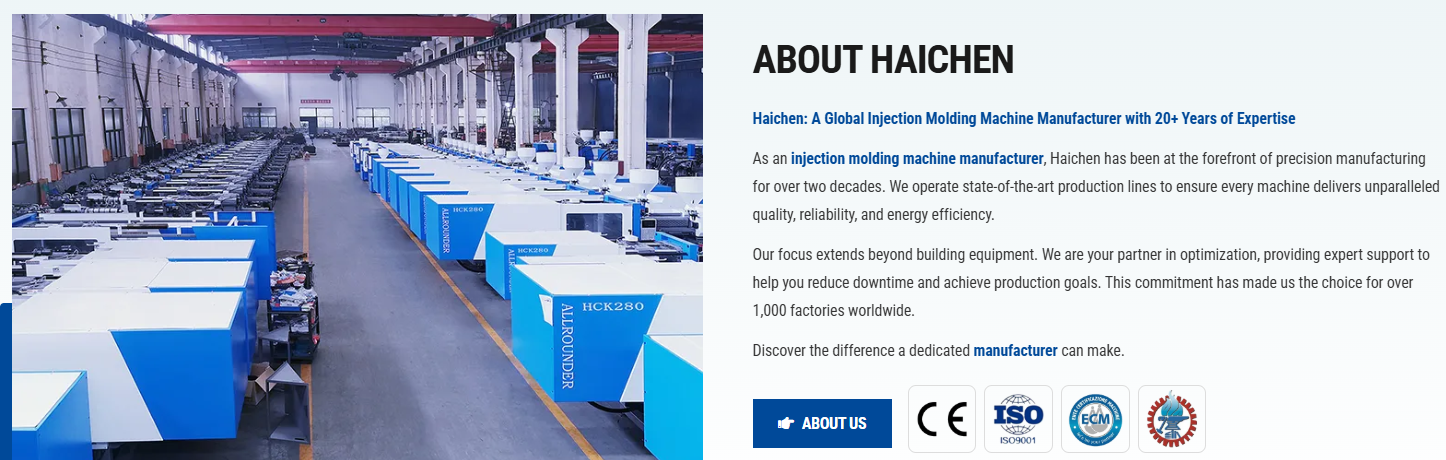
HAICHEN has over ten years of injection machine manufacturing experience. We provide selection consulting, mold matching confirmation, and sample testing for coffee capsule injection machines. Our servo energy-saving system lowers operating costs. Dedicated screw configurations suit multiple capsule materials.
Contact HAICHEN for coffee capsule injection machine selection advice. Send your capsule size, target material, and output requirements. We will help you match the right machine.