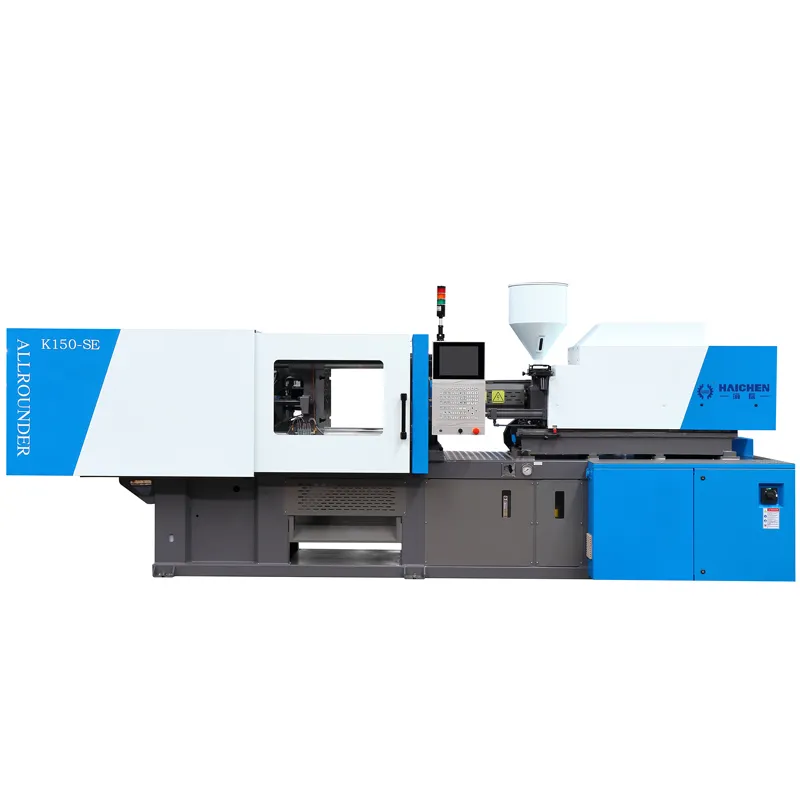
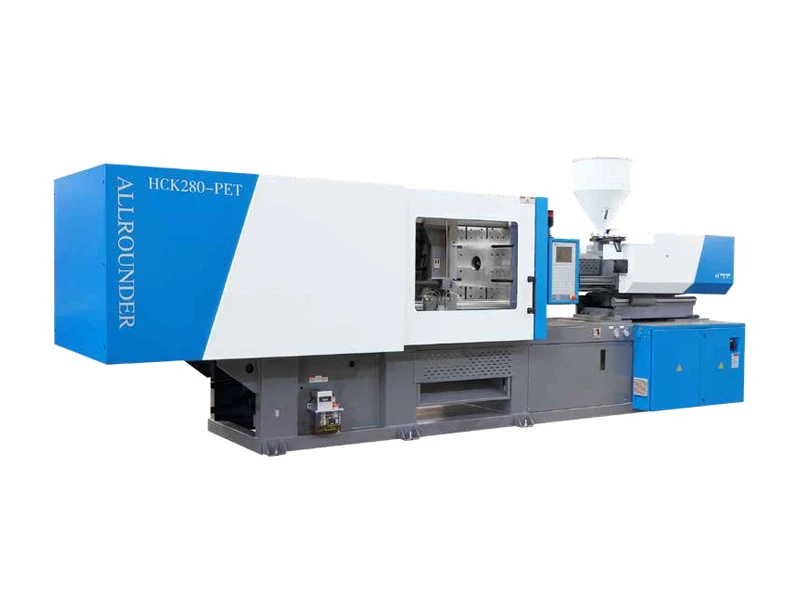
Cosmetic packaging injection molding is a dance of precision and aesthetics. In 2026, the stage demands refillable systems that click with satisfaction, in-mold labels that wrap 360 degrees, PCR materials that honor sustainability, and soft-touch surfaces that invite the hand. Each of these trends pushes the injection molding machine to its limits, demanding tighter tolerances, faster cycles, and flawless surface finishes.
At the heart of this process lies the injection molding machine itself. A machine built for cosmetic packaging must deliver sub-micron repeatability, because a 0.05mm deviation in a snap-fit means a loose cap or a jammed refill. It must master multi-stage injection profiles to fuse delicate in-mold labels without washing them away. And it must adapt on the fly to the batch-to-batch variations of PCR materials, holding dimensions steady while maintaining gloss and clarity. These are not just specifications; they are the technical pillars that separate a premium package from a reject.
Haichen has spent over two decades refining these technical pillars. Our HCK series injection molding machines are engineered with closed-loop control, multi-zone PID temperature management, and servo-driven adaptability. We don’t just build machines; we build the foundation for cosmetic packaging that performs beautifully and sustainably. This guide explores the materials, challenges, and configurations that make it all possible.
The 2026 Cosmetic Packaging Landscape – What Brands Demand
Refillable Systems – Snap-Fit Precision and Durability
Refillable lipsticks, compacts, and cream jars are now the standard. For example, the EU PPWR requires refillable systems by 2027. Therefore, snap-fit structures must be precise. The industry demands a tolerance of ±0.05mm. Moreover, the snap-fit must survive thousands of open-close cycles.
Injection molding precision directly affects the “click” feel. If the machine cannot hold tight tolerances, the refill pod will fit loosely or jam. As a result, brands reject the packaging. Haichen HCK series machines use closed-loop control and high-precision rulers. These features keep the snap-fit density consistent.
In-Mold Labeling (IML) – 360° Decoration Without Secondary Operations
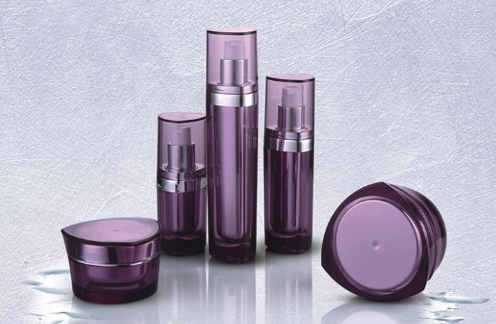
IML creates luxury multi-finish effects, such as matte and gloss. Therefore, brands use IML for 360° graphics. However, IML demands precise injection speed control. If the speed is too fast, the label washes away. If too slow, the label does not fuse. Consequently, the machine needs multi-stage injection speed profiles.
Haichen HCK machines offer multi-stage speed control and CE12 robot interfaces. These features synchronize label insertion with injection timing. As a result, IML decoration achieves high yield rates.
PCR and Bio-Based Materials – Sustainability as a Baseline
PCR PP and PCR ABS are now common in cosmetic packaging. For instance, INEOS launched rPP1025C with 70% recycled content for thin-wall injection molding. However, PCR materials vary from batch to batch. This variation affects shrinkage and surface gloss. Therefore, the injection molding machine must adapt.
Haichen HCK series uses servo-driven adaptive control. This control compensates for viscosity changes. Consequently, PCR parts maintain dimensional accuracy and surface quality.
Soft-Touch and Multi-Sensory Finishes – TPE Overmolding
Soft-touch caps, applicators, and handles use TPE overmolding. Two-shot molding and insert molding are common methods. However, bonding strength and surface durability are critical. For example, TPE on PP has low surface energy. Therefore, the process needs chemical and mechanical bonding.
Haichen offers optional two-shot configurations on HCK series machines. These configurations support TPE over PP, ABS, or PC substrates.
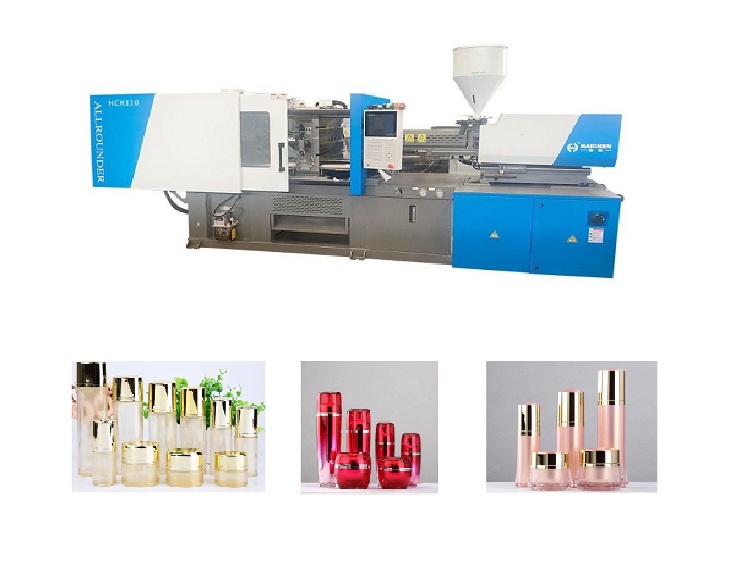
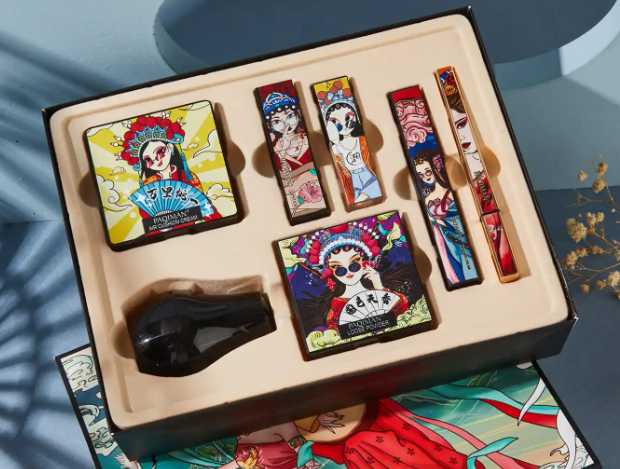
Material Selection for Cosmetic Packaging Injection Molding
PCR PP and PCR ABS – Processing Windows and Shrinkage Control
PCR content typically ranges from 30% to 70%. Shrinkage varies more than virgin material. Therefore, dimensional accuracy suffers without closed-loop control. Haichen recommends drying PCR at 80–90°C for 2–4 hours. Moreover, the machine should use a bimetallic barrel for wear resistance.
Bio-Based Plastics – PLA and PHA for Compacts and Tubes
PLA offers good clarity but a narrow processing window. PHA is home-compostable but costs more and has lower heat resistance. Therefore, blending strategies improve moldability. For example, PLA/PHA blends balance clarity and heat resistance. Haichen offers low-shear screws for these materials.
TPE for Soft-Touch Overmolding – Compatibility and Bonding
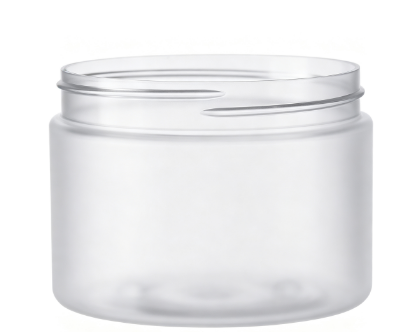
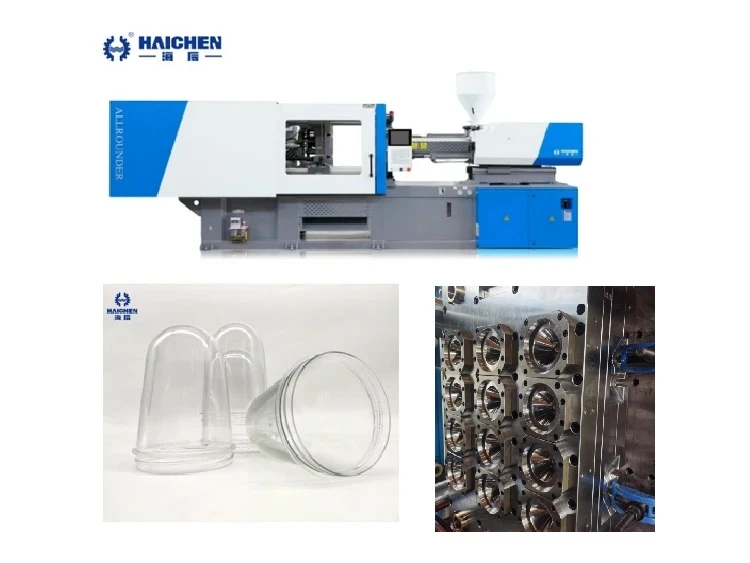
TPE grades are available for PP, ABS, and PC substrates. Processing temperatures must stay low to avoid degradation. Additionally, adhesion promoters or mechanical interlocks improve bonding. The table below shows material compatibility.
| Substrate | Overmold | Bonding Method | Key Challenge |
|---|---|---|---|
| PP | TPE | Chemical + mechanical | Low surface energy |
| ABS | TPE | Chemical | Overmold temperature |
| PC | TPE | Mechanical | Stress cracking |
Key Injection Molding Challenges and Solutions
Thin-Wall Filling and Warpage Control
Refill pods and tubes often have walls below 1mm. Therefore, high injection speed is necessary. Moreover, multi-stage speed profiles prevent short shots. Cooling design must ensure uniform mold temperature. Consequently, warpage stays under control. Haichen HCK machines offer high-speed injection and uniform cooling interfaces.
Multi-Material Bonding in Two-Shot Molding
Two-shot molding uses rotary tables or core-back systems. The interface temperature and delay time determine bond strength. Common defects include delamination and weak bonds. Therefore, precise control of the second injection is critical. Haichen HCK series with two-shot options delivers stable bonding.
IML Label Placement and Fusion
Vacuum-assisted label positioning keeps the label flat. The injection speed ramp avoids label washout. Additionally, static electricity control prevents label movement. Haichen machines integrate with IML robots via CE12 interface.
PCR Batch Variation and Adaptive Process Control
PCR batches vary in viscosity. Closed-loop pressure control compensates automatically. Real-time shot weight monitoring ensures consistency. Haichen’s servo-driven adaptive control adjusts holding pressure on the fly. As a result, PCR parts meet tight tolerances.
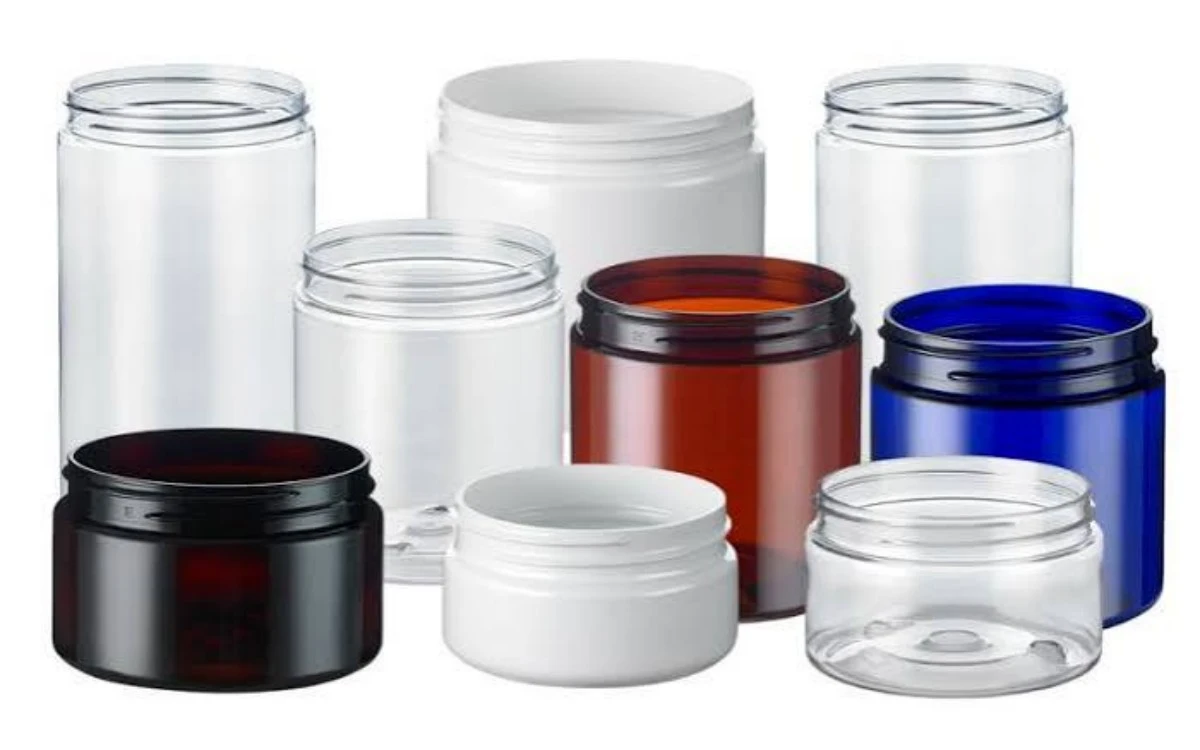
Machine Configuration for Cosmetic Packaging Injection Molding
Clamping Force and Precision Requirements
Typical tonnage ranges from 110 to 280 tons. Platen parallelism and tie-bar rigidity affect part quality. Low-pressure mold protection prevents damage. Haichen HCK series offers these features as standard.
Screw Design for PCR and Engineering Plastics
Heat-sensitive materials need low-shear screws. PCR wear requires bimetallic barrels. Recommended L/D ratio: 20:1 to 22:1. Compression ratio: 2.5:1 to 3:1. Haichen provides custom screw designs for cosmetic packaging.
Temperature Control and Cooling
Multi-zone PID control maintains ±1°C accuracy. Mold temperature controllers manage gloss and cycle time. Thin-wall cooling channels need careful design. Haichen HCK series includes multi-zone PID and chiller interfaces.
Automation and IML Integration
CE12 robot interfaces handle label insertion and part removal. Vision inspection checks label position and surface defects. Conveyor and stacking systems complete the line. Haichen supports full automation integration.
Haichen HCK Series for Cosmetic Packaging
Recommended Models (110–280 Tons)
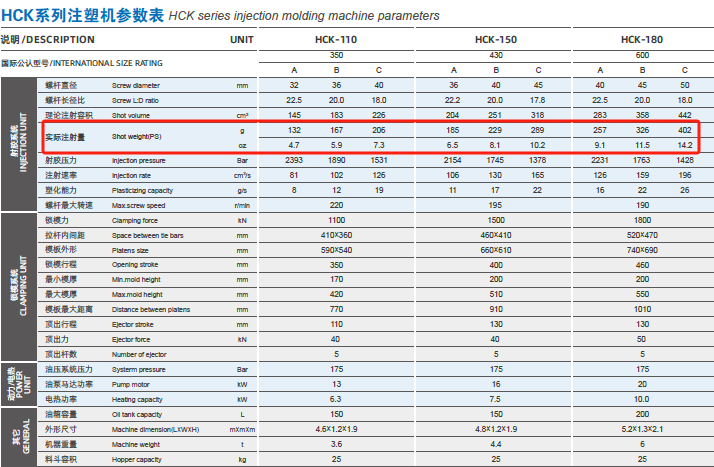
| Model | Clamping Force | Best For |
|---|---|---|
| HCK 110 | 110 tons | Small caps, applicators |
| HCK 150 | 150 tons | Refill pods, compacts |
| HCK 180 | 180 tons | IML tubes, jars |
| HCK 230 | 230 tons | Multi-component compacts |
| HCK 280 | 280 tons | Large jars, thick-wall caps |
Key Features for Cosmetic Packaging
-
Servo energy saving (30–50% reduction)
-
Multi-zone PID temperature control
-
Closed-loop injection for PCR
-
CE12 robot interface
-
Optional two-shot configuration
Case Study – Refillable Compact with Snap-Fit Lid
A customer produced a PCR PP compact with a 0.8mm wall and snap-fit hinge. The machine was an HCK 180 with closed-loop control. Results: cycle time 18 seconds, scrap rate below 1.5%, and over 1,000 open-close cycles tested successfully.
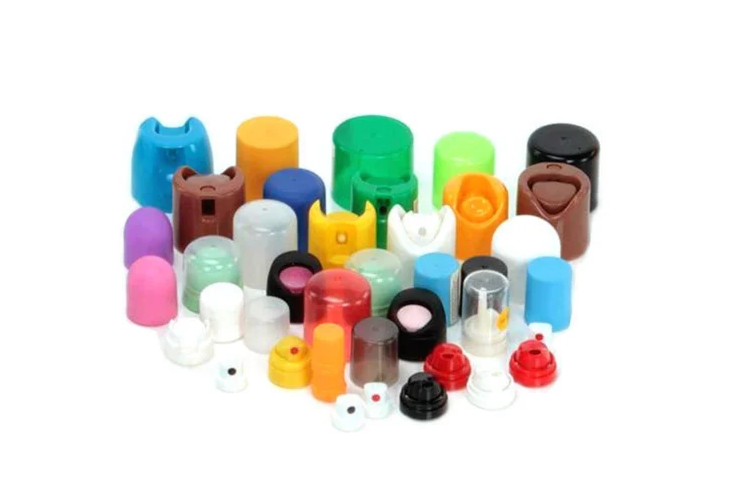
Quality Control and Testing for Cosmetic Packaging
Dimensional Inspection
CMM and vision systems check critical dimensions. Snap-fit force measurement ensures proper function.
Surface Finish and Gloss Measurement
Gloss meters check matte and gloss consistency. Visual inspection detects flow marks and weld lines.
Drop and Durability Testing
Drop tests follow ASTM D5276. Hinge fatigue tests run 10,000 cycles. These tests confirm packaging durability.
Frequently Asked Questions
What tonnage is needed for cosmetic packaging?
Most cosmetic packaging uses 110–280 tons. Small caps need 110–150 tons. Larger jars need 230–280 tons.
Can I run PCR on a standard injection molding machine?
You can, but you should not. PCR requires closed-loop pressure control and a bimetallic barrel. Without these, dimensional accuracy and surface quality suffer.
How does IML affect cycle time?
IML adds 2–5 seconds per cycle for label placement and fusion. However, it eliminates secondary labeling operations.
What is the difference between two-shot and overmolding?
Two-shot molding uses a single machine with two injection units. Overmolding often uses two separate machines or insert molding.
Does Haichen provide turnkey cosmetic packaging lines?
Yes. Haichen provides the injection molding machine, mold recommendations, automation, and training.
Haichen Machinery – your cosmetic packaging injection molding partner. From HCK 110 to HCK 280, we help you meet 2026 requirements for refillable, PCR, IML, and soft-touch packaging.
📩 Contact us for a customized cosmetic packaging injection molding solution based on your product design and output target.
Author: Yang, Senior Engineer, Haichen Machinery