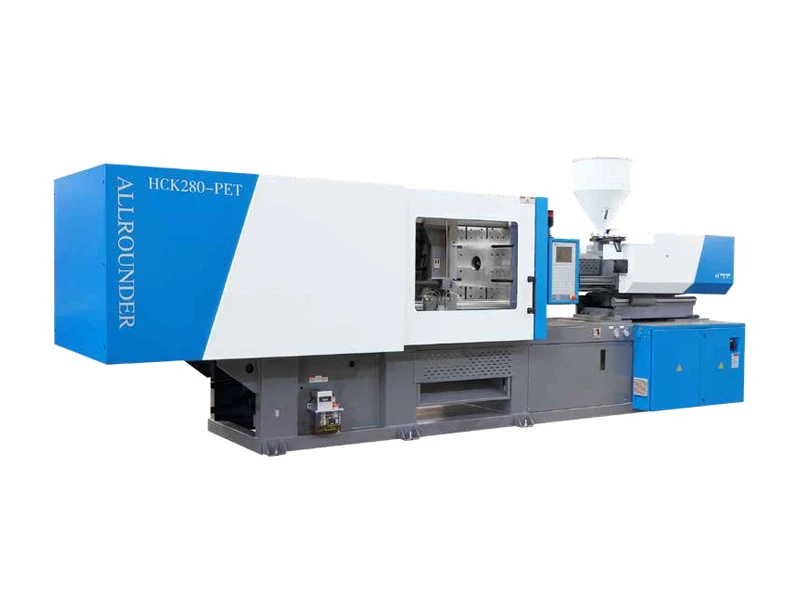
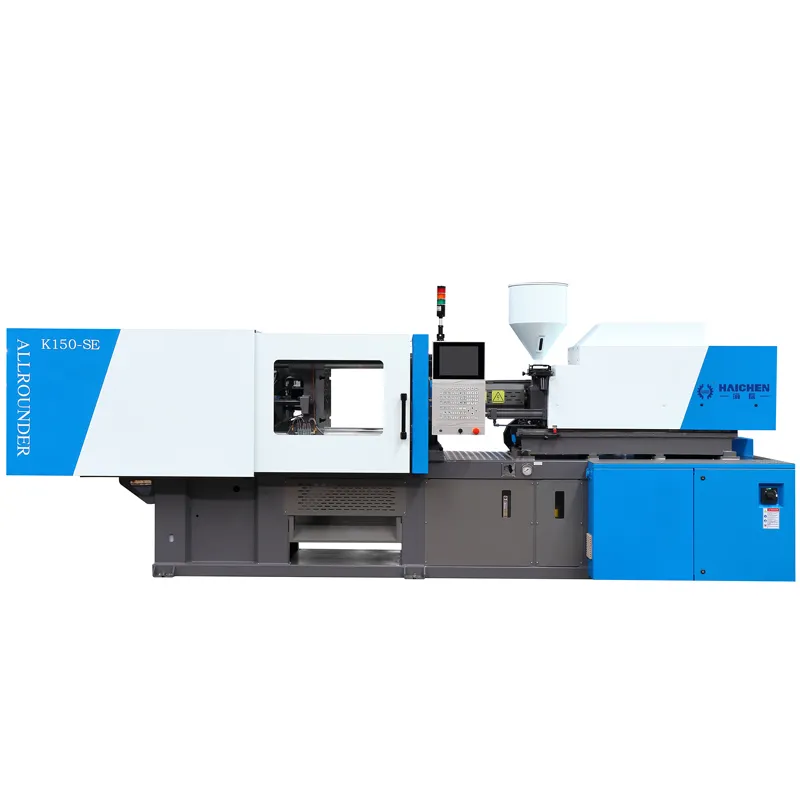
Automotive mirror injection molding machines help manufacturers produce plastic car mirror housings with stable quality and high output. However, choosing the right machine takes more than checking clamping force or injection size. You also need to consider the part design, plastic material, mold structure, surface finish, and target cycle time.
For example, a small mirror cover and a large exterior mirror housing may need different mold layouts and injection settings. Therefore, manufacturers should match the machine to the actual part and production plan.
With the right setup, an automotive mirror housing injection molding line can reduce defects, control production costs, and keep part quality stable.
What Is Automotive Mirror Injection Molding?
Automotive mirror injection molding is a process that uses heat and pressure to form plastic parts inside a mold. Manufacturers use this process to make many parts of a car mirror, especially the outer housing and internal plastic supports.
First, the machine melts plastic pellets inside the barrel. Then, the screw pushes the melted plastic into the mold. After the plastic cools and becomes firm, the mold opens and the machine removes the part.
This process suits automotive production because it can make complex shapes in large numbers. In addition, a well-designed mold helps keep part size and appearance consistent from one cycle to the next.
Which Car Mirror Parts Need an Injection Molding Machine?
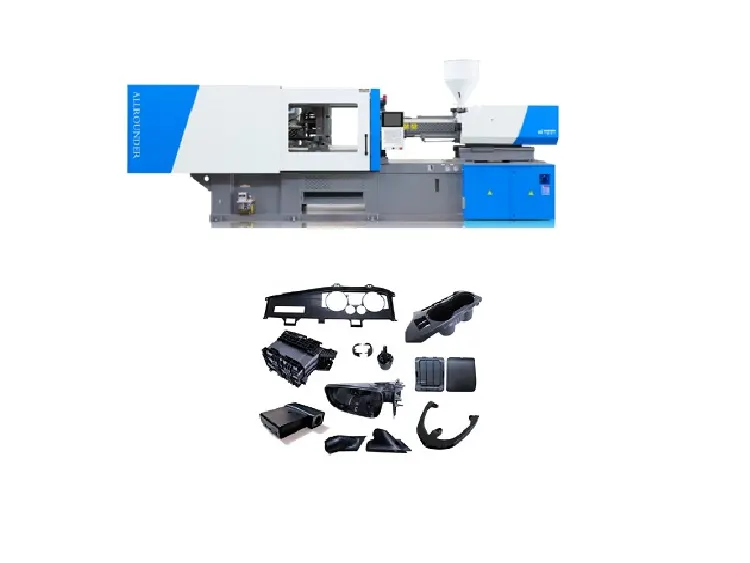
A car mirror has several parts, but not all of them use the same production method. Injection molding mainly makes the plastic parts.
- Exterior mirror housing: The outer shell protects the internal parts and gives the mirror its shape.
- Mirror cover: This part covers the back or side of the mirror assembly and often needs a smooth surface.
- Mounting brackets and supports: These parts help hold the mirror assembly in place.
- Adjustment and folding components: Some models use molded plastic parts in their adjustment or folding systems.
- Decorative plastic parts: These parts may need a special color, texture, or surface finish.
However, the mirror glass, metal parts, motors, cameras, and sensors need other production or assembly steps. As a result, the full car mirror assembly usually combines injection molding with finishing, testing, and assembly.
Why Does Automotive Mirror Housing Injection Molding Need Stable Quality?
Automotive mirror housings often have curved surfaces, thin walls, ribs, mounting points, and clips. These features make the mold design and molding process more demanding.
For instance, uneven cooling can cause warpage. As a result, the housing may not fit the base or other parts correctly. Similarly, poor filling or holding pressure can leave sink marks or visible flow lines on the surface.
Manufacturers also need to control part dimensions. Even when a housing looks good, a small change in the mounting points can affect assembly. Therefore, the automotive mirror injection molding machine must work with a suitable mold and a stable process.
What Plastic Is Used for Automotive Mirror Housings?
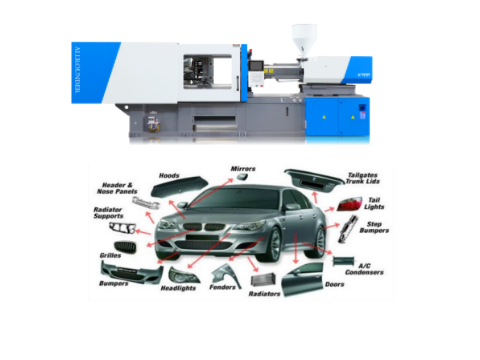
Material choice affects part strength, weight, surface quality, shrinkage, and production cost. Before selecting an automotive injection molding machine, manufacturers should confirm the material grade and the part’s working conditions.
PP for Lightweight Automotive Mirror Components
Polypropylene (PP) is a common choice for many automotive plastic parts. It has a low density, offers good chemical resistance, and can help reduce part weight.
Depending on the grade and design, manufacturers may use PP for selected mirror components. However, they should check stiffness, impact needs, surface finish, and dimensional stability before choosing it for an exterior housing.
PP can also shrink during cooling. Therefore, the mold design and process settings must account for material shrinkage to help prevent size changes and warpage.
ABS for Car Mirror Housing Injection Molding
Acrylonitrile butadiene styrene (ABS) offers a useful balance of impact strength, stiffness, and surface quality. Manufacturers often use it for plastic parts that need a good appearance and a firm structure.
However, the final result depends on the material grade, mold design, and processing conditions. For example, poor melt flow or an unsuitable mold temperature can cause visible marks on a smooth surface.
Before production, the team should check the supplier’s processing guide. If the selected grade requires drying, the factory must control moisture before feeding the material into the machine.
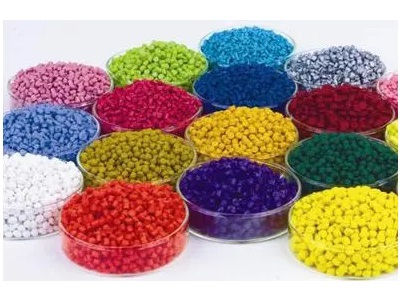
PC/ABS for Automotive Exterior Mirror Housings
PC/ABS blends combine properties of polycarbonate (PC) and ABS. Depending on the grade, they can offer good impact performance, heat resistance, and surface quality.
These blends may suit mirror housings that face demanding service conditions. Nevertheless, PC/ABS grades can have different drying and processing needs from standard ABS or PP.
For this reason, the production team should confirm the grade’s melt temperature, drying conditions, and mold requirements before setting up the automotive mirror housing injection molding machine.
How Material Selection Affects the Injection Molding Process
Different plastics behave differently during melting, filling, packing, and cooling. As a result, one machine setup may not work equally well for every material.
When choosing a material, check these factors:
- Melt flow: This affects how easily the plastic fills thin sections and long flow paths.
- Shrinkage: This affects the final size and shape of the molded part.
- Impact strength: This matters when the housing must withstand bumps or vibration.
- Surface finish: This affects the appearance of the finished part.
- Drying needs: Some materials need controlled drying before molding.
- Processing temperature: This affects the machine barrel, mold temperature, and cycle settings.
Once the material grade is clear, the manufacturer can select a suitable screw, injection unit, and temperature control system.
How to Choose an Injection Molding Machine for Automotive Mirror Housing
The best machine depends on the part, mold, material, and production target. Instead of choosing a machine by tonnage alone, manufacturers should review the complete production setup.
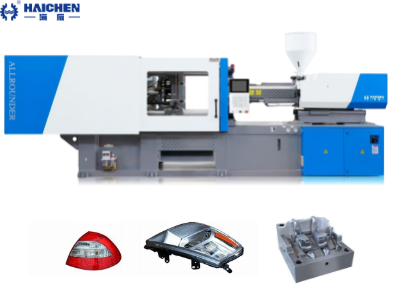
Calculate the Required Clamping Force for Mirror Housing Injection Molding
Clamping force keeps the mold closed while the machine injects plastic. If the force is too low, the mold may open slightly under injection pressure and allow plastic to escape. This can create flash along the parting line.
However, a larger machine is not always better. An oversized machine may increase equipment cost and use more space than the job requires.
To estimate the required clamping force, engineers should consider the projected area of all cavities, the number of cavities, the material, and the pressure inside the mold. The final choice should also account for the mold design and the machine manufacturer’s guidance.
For example, a mold that makes several mirror covers in one cycle may need more clamping force than a single-cavity mold for a similar part. Therefore, manufacturers should calculate the actual mold requirements before choosing a machine.
Choose the Right Injection Unit for Automotive Plastic Parts
The injection unit melts and delivers the plastic. Its size should match the total shot volume and the selected material.
If the shot is too small for the injection unit, the machine may not use its capacity efficiently. On the other hand, an injection unit that is too large for the job may reduce process control under some operating conditions.
When selecting an injection unit, check:
- Total part weight for one shot
- Runner weight, if the mold uses runners
- Number of cavities
- Material type and melt flow
- Screw diameter and plasticizing capacity
- Required injection speed and pressure
The shot size should fall within the machine manufacturer’s recommended operating range. In addition, the screw must provide enough plasticizing capacity to support the target cycle time.
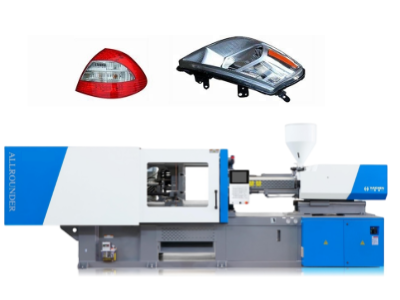
Check Injection Pressure and Injection Speed
Injection pressure helps push molten plastic through the runner system and into the mold. Injection speed controls how quickly the material fills the cavity.
These two settings affect filling, weld lines, surface marks, and part shape. For example, a housing with thin ribs or long flow paths may need a faster fill than a simple, thick cover. However, very high speed can also cause burn marks or other defects if the mold vents poorly.
Therefore, the machine should provide enough pressure and speed for the part without forcing the process to run at its limits. Mold flow analysis and production trials can help engineers choose suitable settings.
Check Mold Size and Tie-Bar Spacing
The machine must physically fit the mold. Before ordering an automotive mirror injection molding machine, compare the mold dimensions with the machine’s platen size, tie-bar spacing, and maximum mold height.
Also, check the opening stroke and the available space for part removal. A mirror housing with deep side features may need more opening space than a flat cover.
If the factory plans to use a robot, check its reach and movement path as well. In this way, the machine, mold, and automation system can work together without unnecessary movement or delays.
Consider Automation and Cycle Time
Automation can improve output and reduce manual handling. Depending on the part and production volume, a factory may use a robot to remove the housing, place it on a conveyor, or move it to a checking station.
However, automation only helps when the complete line works at a suitable speed. The molding cycle, robot movement, cooling, and downstream handling must match one another.
For example, if the machine finishes molding before the robot is ready, the line may lose production time. Therefore, manufacturers should review the whole automotive plastic parts production line instead of judging the machine by cycle time alone.
Key Injection Molding Parameters for Automotive Mirror Housing
Correct machine selection is only the first step. The production team must also set and control the molding parameters to achieve consistent results.
Injection Speed for Plastic Mirror Housing Injection Molding
Injection speed affects how the melt moves through the mold. A suitable speed helps fill the cavity before the plastic cools too much.
If the speed is too low, the material may freeze before reaching the end of a thin section. This can cause a short shot. If the speed is too high, the process may create burn marks, flow marks, or other surface problems.
Therefore, the team should adjust speed based on the material, gate location, wall thickness, and mold venting.
Injection and Holding Pressure
Injection pressure fills the cavity, while holding pressure helps feed more material into the cavity as the plastic begins to shrink.
If holding pressure is too low, the housing may develop sink marks or show changes in size. However, excessive pressure can increase stress, cause flash, or make demolding more difficult.
The correct settings depend on the material and mold. During trials, the team should check the part’s weight, dimensions, surface, and fit before fixing the process window.
Mold Temperature and Cooling Time
Mold temperature affects melt flow, surface finish, cooling, and shrinkage. A suitable temperature helps the plastic fill the mold and form a consistent surface.
Cooling time also matters because the housing must become firm enough for safe ejection. If the team removes the part too early, it may bend or warp. On the other hand, excessive cooling time can slow production and raise the cost per part.
To improve the cycle, engineers can review cooling channel layout, wall thickness, and mold temperature control. However, they should confirm any time reduction through part inspection and repeat production trials.
Screw Speed and Plasticizing
The screw melts and mixes the plastic before injection. Its rotation speed affects plasticizing time and the heat created by shear.
If the screw runs too fast, it may create excess heat or affect material quality. If it runs too slowly, plasticizing may take longer and limit output.
The correct setting depends on the material grade, screw design, and required shot size. In addition, the team should keep the melt temperature within the material supplier’s recommended range.
Common Automotive Mirror Housing Injection Molding Defects
Defects can increase scrap, delay assembly, and raise production costs. However, the right corrective action starts with finding the cause instead of changing machine settings at random.
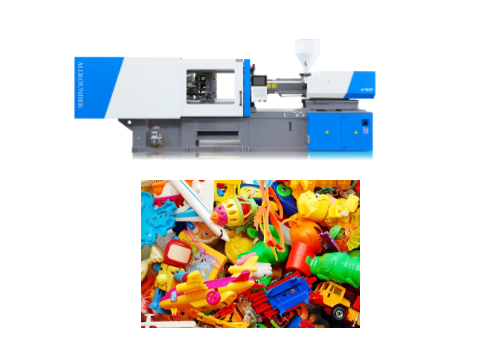
Warpage in Automotive Mirror Housing Injection Molding
Warpage occurs when different areas of a molded part shrink at different rates. A housing may bend, twist, or fail to fit the mounting base.
Common causes include uneven wall thickness, uneven cooling, poor packing, and unsuitable material selection. To reduce warpage, engineers can review the part design, cooling channels, gate position, and packing settings.
The machine must also maintain stable pressure and temperature. Even so, machine adjustments alone may not solve warpage if the mold or part design causes uneven shrinkage.
Sink Marks on Plastic Car Mirror Housings
Sink marks appear as small dents on the part surface. They often occur above thick sections, ribs, or bosses where the material cools more slowly.
The team can check wall thickness, rib design, holding pressure, and cooling time. In some cases, a change to the gate or cooling layout may provide a better result than increasing pressure alone.
Weld Lines on Automotive Mirror Covers
Weld lines form when two flow fronts meet but do not join well. They may appear near holes, ribs, or other features that split the flow.
These lines can affect appearance and, depending on their location and quality, part strength. Engineers can review gate location, melt temperature, filling speed, and venting to improve the result.
Flash on Injection Molded Mirror Housings
Flash is a thin layer of plastic that escapes along the mold parting line or another gap. It may result from poor mold fit, excessive cavity pressure, insufficient clamping force, or worn mold parts.
Before increasing clamping force, the team should check the mold condition and process settings. Otherwise, a higher force may hide the problem without fixing its cause.
Short Shots in Automotive Plastic Parts Production
A short shot occurs when the plastic does not fill the entire cavity. The finished part may have missing edges, incomplete clips, or unformed details.
Possible causes include low melt temperature, low injection speed, restricted flow, poor venting, or insufficient shot volume. The team should check these factors in a clear order before making major process changes.
Flow Marks and Surface Defects
Flow marks can appear as lines or changes in gloss on the housing surface. They may result from uneven filling, temperature changes, gate design, or material flow behavior.
For a visible exterior part, the team should inspect the surface under consistent lighting. Then, it can review the material, mold temperature, injection speed, and gate position to identify the cause.
How to Improve Automotive Mirror Housing Production Efficiency
A stable process can help manufacturers reduce scrap and keep output on schedule. However, the best improvement usually comes from the full production system rather than one machine setting.
Reduce Cycle Time Without Losing Part Quality
Cycle time includes filling, holding, cooling, mold opening, and part removal. Cooling often takes a large share of the cycle, especially for parts with thick sections.
The team can study cooling performance and robot movement to find delays. However, it should not cut cooling time until the part can keep its shape and meet dimensional needs.
A short trial with recorded results can help compare cycle time, part weight, dimensions, and defect rate. This makes it easier to find a faster process that still meets the quality target.
Improve Mold Cooling for Plastic Mirror Housing Production
Good cooling helps the part shrink more evenly. For this reason, cooling channels should support the shape and thickness of the housing.
If one area stays hot longer than another, the part may warp or take more time to eject. Engineers can review channel placement, water flow, and temperature differences across the mold.
In addition, regular maintenance helps keep cooling passages clear and the system working as planned.
Use Automatic Part Removal
A robot can remove molded housings and place them in a repeatable position. This can reduce manual handling and help protect the part surface.
However, the robot must use a suitable grip and follow a safe movement path. If it pulls the housing before the part has enough strength, it may bend the part or damage small features.
Therefore, the robot timing should match the machine cycle and the part’s cooling needs.
Control Material Waste and Production Quality
Material waste can come from rejected parts, unstable filling, damaged runners, and poor process control. The exact waste level depends on the mold design and production method.
The team can track scrap by defect type, machine, material, and production shift. As a result, it can identify repeat problems and focus on the causes that affect output most.
For high-volume jobs, process records also help the factory repeat a proven setup after a mold change or production pause.
How Much Does an Automotive Mirror Injection Molding Machine Cost?
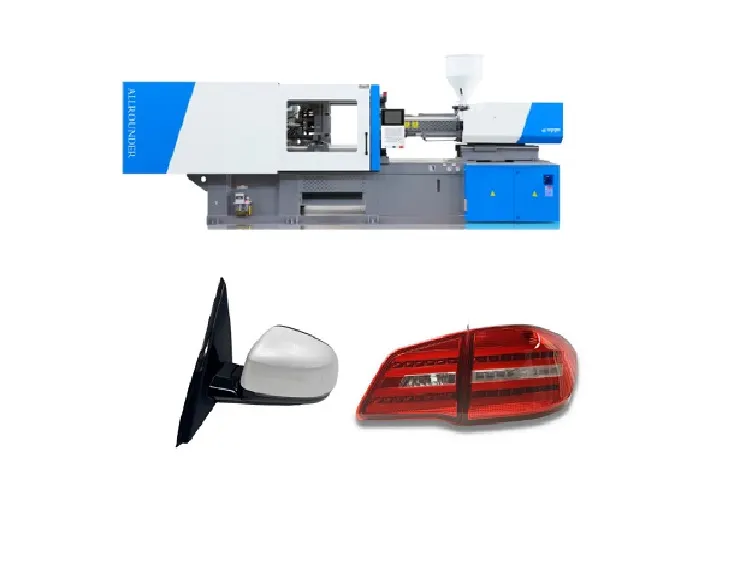
The price depends on the machine size, injection unit, control system, mold requirements, and level of automation. Therefore, two machines with different specifications may have very different prices, even if both can mold car mirror housings.
Machine Size and Clamping Force
A machine with higher clamping force may cost more, but the factory should not buy extra capacity without a clear reason. The required force depends on the projected area, cavity layout, material, and mold pressure.
A correct calculation helps the buyer avoid both an undersized machine and an unnecessarily large one.
Injection Unit and Control System
The injection unit must suit the selected material and shot size. In addition, the control system should allow the operator to set and monitor key parameters such as injection speed, pressure, and temperature.
For some jobs, repeatable process control matters more than simply choosing a larger injection unit.
Automation and Production Line Design
A basic machine may meet the needs of a job with manual handling. By contrast, a high-volume factory may need a robot, conveyor, part checking station, or other equipment.
The buyer should compare the cost of the complete production setup, not just the machine price. This helps reveal the actual investment needed to start production.
Mold Requirements and Future Production Plans
The mold affects both the machine choice and the total project cost. Cavity count, runner design, cooling channels, and part complexity can all change the production requirements.
If the factory expects to make several mirror housing models, it should also check mold change time, machine compatibility, and the likely need for future automation.
How to Choose the Right Injection Molding Machine for Your Automotive Mirror Project
Before requesting a machine quotation, prepare the main details of the part and production plan. This gives the supplier a clearer basis for machine selection.
- Share the part drawing or 3D model. Include the main dimensions, wall thickness, and critical mounting points.
- Confirm the plastic material. Provide the exact grade if it is already known.
- Define the mold plan. State the cavity count and share the mold dimensions when available.
- Set the production target. Explain the required output per shift or per day.
- Review the machine capacity. Check clamping force, shot size, injection performance, and mold fit.
- Discuss automation. Confirm whether the job needs a robot, conveyor, or automatic inspection.
- Agree on quality checks. Define the key dimensions, surface requirements, and assembly tests.
This information helps the machine supplier assess the project more accurately. It also reduces the risk of choosing equipment that cannot meet the required output or part quality.
Frequently Asked Questions About Automotive Mirror Injection Molding
What injection molding machine is used for automotive mirror housings?
Manufacturers use an injection molding machine with enough clamping force, shot capacity, and injection performance for the selected mold and plastic. The right specification depends on the housing size, cavity count, material, and production target.
What plastic is used for car mirror housings?
ABS, PC/ABS, and PP may be used for different mirror components. The best option depends on impact needs, appearance, weight, weather exposure, and the vehicle maker’s requirements.
How much clamping force does a mirror housing mold need?
There is no single clamping force for all mirror housings. Engineers should calculate the required force from the projected area, number of cavities, material, and expected cavity pressure, then confirm the choice against the mold and machine specifications.
How can manufacturers reduce warpage in mirror housing injection molding?
They can review wall thickness, gate location, cooling balance, material shrinkage, and holding pressure. Stable machine control helps, but the mold and part design must also support even cooling and shrinkage.
Can one injection molding machine produce different mirror housings?
Yes, if the machine can handle each mold’s dimensions, clamping needs, shot size, and process requirements. Before changing molds, the factory should confirm machine compatibility and the settings required for the next material and part.
Is a servo injection molding machine suitable for automotive plastic parts?
A servo-driven machine may help reduce energy use and provide controlled machine movement, depending on the machine design and production conditions. Buyers should compare energy performance, process stability, service support, and the needs of the actual job.
What information should I send when asking for a machine quotation?
Send the part drawing or 3D model, material grade, estimated part weight, mold details, target output, and any quality or automation requirements. If some details are not ready, the supplier can help identify what information is still needed.
Discuss Your Automotive Mirror Housing Project with Haichen
If you plan to produce plastic car mirror housings or other automotive plastic parts, Haichen can discuss your machine needs based on the part design, material, mold, and target output.
Share your project details to help the team review the required clamping force, injection unit, and production setup.
Contact Haichen to discuss an injection molding machine for your automotive mirror housing production line.
Author: Yang, Senior Engineer, Haichen Machinery