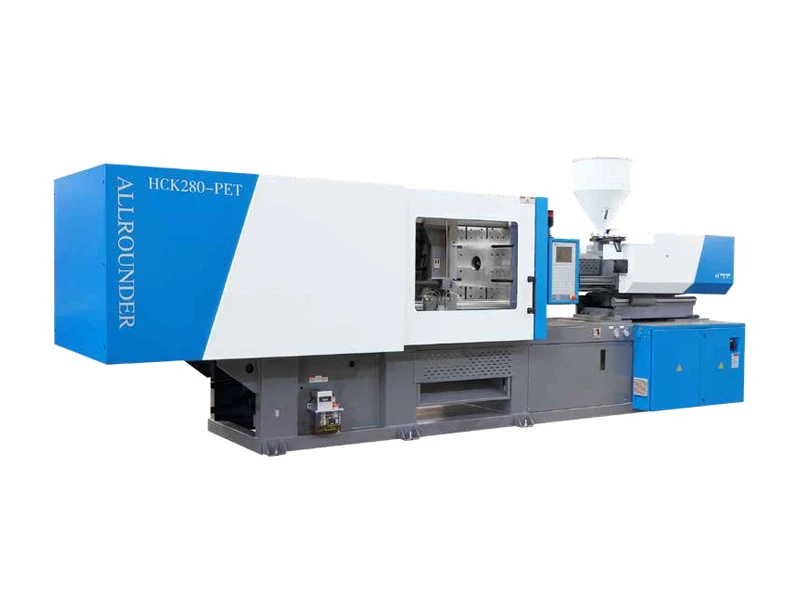
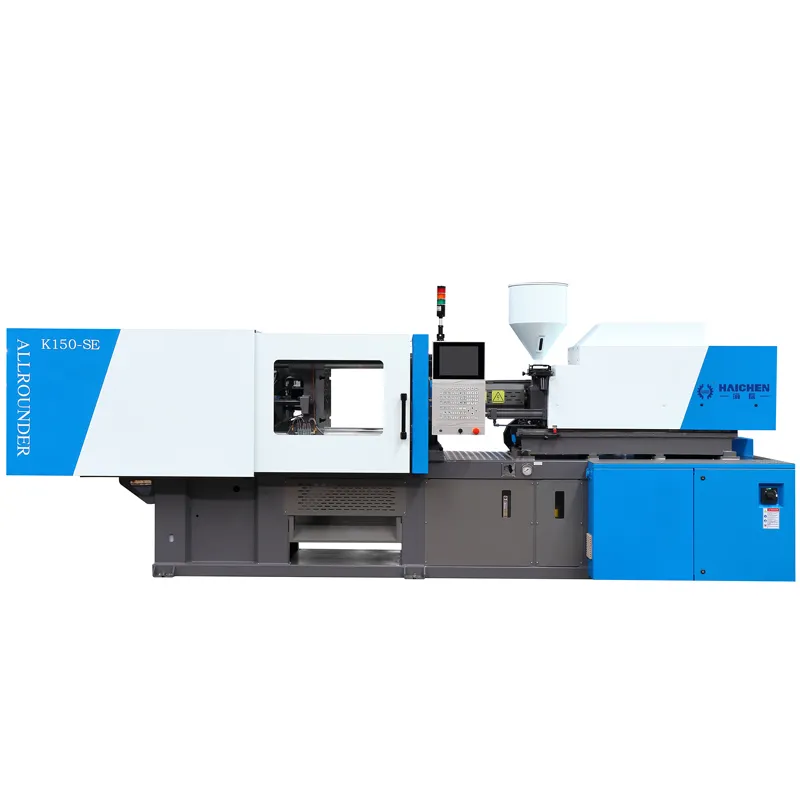
Toilet seat and cover production involves multiple steps. The parameter settings at each step directly affect final product quality, assembly precision, and service life.
The production method for plastic toilet seats depends on the material. PP toilet seats are produced by injection molding, with advantages of fast cycle and stable thickness control. UF (urea-formaldehyde) toilet seats are produced by compression molding, with higher hardness and surface gloss.
This article uses PP toilet seat injection molding as the main thread. It explains the complete process from raw material drying to finished assembly. The content targets technical managers and procurement staff at toilet seat manufacturing companies.
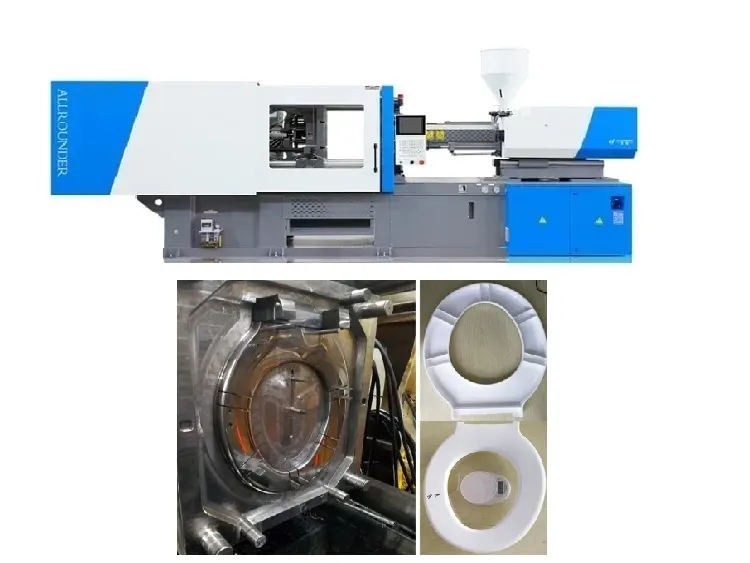
Raw Material Drying — The First Step Before Injection Molding
Drying Parameters for PP and PC/ABS
Plastic pellets absorb moisture from the air during storage and transport. Moisture turns into steam during injection, causing bubbles, silver streaks, and surface defects.
PP material drying temperature is usually 60 to 80°C with a drying time of 1 to 2 hours. PP has low moisture absorption, so drying requirements are less strict. But for large parts like toilet seats, thorough drying is still necessary.
PC and ABS materials have higher drying requirements. PC drying temperature needs to reach 120°C with a drying time of 8 to 10 hours. PC/ABS alloy drying temperature is around 80°C with a drying time of 3 to 4 hours. Moisture content must stay below 0.02%.
How Insufficient Drying Affects Products
PC or PC/ABS material that is not fully dried undergoes hydrolysis degradation during injection. Molecular chains break, causing reduced material strength. Silver streaks or bubbles appear on the product surface.
For load-bearing products like toilet seats, material degradation causes insufficient structural strength. Toilet seats must support body weight during daily use. Insufficient strength can lead to cracking or breaking.
HAICHEN Injection Machine Drying System Integration
HAICHEN injection machines support system integration with desiccant dryers. Our machines work with hopper dryers and desiccant dryers. For PC and PC/ABS materials, HAICHEN recommends desiccant dryers to ensure moisture content meets injection requirements. The HAICHEN technical team provides drying parameter recommendations based on the customer’s material type.
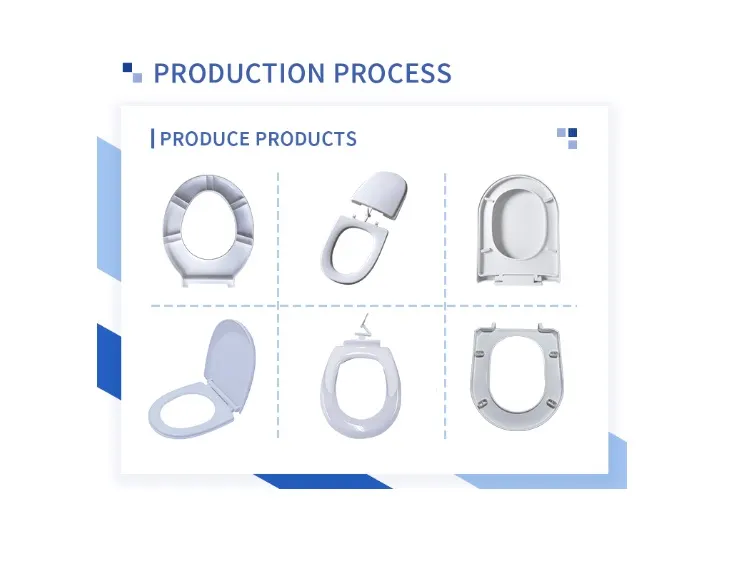
What is Injection Molding — Core Process Parameter Control
What are the main steps in toilet seat injection molding production?
Toilet seat injection molding production includes five main steps: raw material drying (PP drying at 60-80°C for 1-2 hours; PC drying at 120°C for 8-10 hours), injection molding (PP injection temperature 195-215°C; PC injection temperature 260-300°C), cooling (cycle time 55 to 70 seconds), demolding and post-processing (trimming, deburring, polishing), and hinge assembly and functional testing.
Clamping Force and Mold Configuration
Toilet seats and covers are large flat parts. Required clamping force varies by product type.
The Chen Hsong case provides reference data. Its EM480-SVP/3+ injection machine produces PC and ABS toilet seats with 527 g shot weight, 6 mm wall thickness, part dimensions of 467mm×376mm×28mm, 480 tons clamping force, and 55 second cycle time in semi-automatic mode.
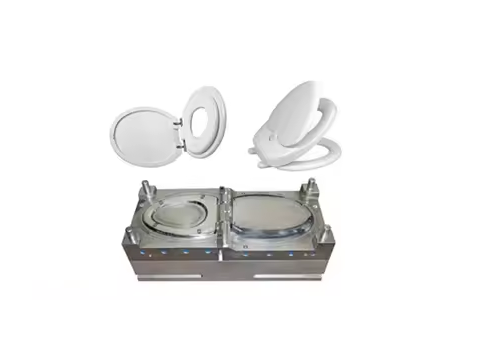
A family mold can mold the seat ring and cover together. The AMAN 1+1 family mold runs on an AM-700 with 7000 kN clamping force and 55 to 70 second cycle time. A seat-ring-only mold fits a 300 to 400 ton machine. A cover-only mold fits a 450 to 550 ton machine.
Temperature Control and Injection Parameters
PP material injection temperature range is 195 to 215°C. The PP smart toilet seat base plate injection process requires preheating the injection system to 195 to 215°C. First stage holding pressure is 30±5 bar with a holding time of 10 to 15 seconds.
PC material injection temperature is higher, usually 260 to 300°C with mold temperature of 70 to 90°C. PC has high melt viscosity and needs higher injection pressure.
Injection speed settings affect fill quality. Too slow, the melt cools at the fill end, causing short shots. Too fast, shear heat increases, which may cause material degradation.
HAICHEN Injection Machine Temperature and Injection Control
HAICHEN injection machines feature a PID temperature control system that maintains each barrel zone within ±1°C of the set value. Stable temperature control reduces material flow variation, which helps control toilet seat dimensional consistency. Our servo-hydraulic injection system supports multi-stage injection speed settings for the filling needs of large flat parts.
| HCK600 PLASTIC INJECTION MOLDING MACHINE | |||||
| INJECTION UNIT | |||||
| ITEM | UNIT | A | B | C | D |
| INJECTION UNIT | |||||
| Screw diameter | mm | 85 | 90 | 95 | 100 |
| Screw L/D ratio | L/D | 23.3 | 22.0 | 20.8 | 19.8 |
| Shot volume(theoretical) | cm3 | 2554 | 2863 | 3190 | 3534 |
| Injiection weight(ps) | g | 2324 | 2605 | 2903 | 3216 |
| oz | 82.0 | 92.0 | 102.0 | 113.0 | |
| Injection pressure | Bar | 1909 | 1720 | 1530 | 1380 |
| Injection rate | cm3/s | 653 | 732 | 816 | 904 |
| Plasticizing capacity | g/s | 73 | 93 | 105 | 120 |
| Screw speed (Max.) | r/min | 140 | |||
| CLAMPING UNIT | |||||
| Clamping force | Kn | 6000 | |||
| Space between tie bars(W×H) | mm | 920X870 | |||
| Platens size | mm | 1350X1300 | |||
| Opening stroke | mm | 900 | |||
| Min.Mold height | mm | 400 | |||
| Max.Mold height | mm | 920 | |||
| Distance between platens(daylight) | mm | 1820 | |||
| Ejector stroke | mm | 230 | |||
| Ejector force | Kn | 160 | |||
| OTHERS | |||||
| Systerm pressure | Bar | 175 | |||
| Pump motor | Kw | 41+41 | |||
| Heating power | Kw | 51.0 | |||
| Oiltank cubage | L | 800 | |||
| Machine dimension(L×W×H) | m | 9.8X2.2X2.4 | |||
| Machine weight | t | 26.9 | |||
What is Cooling and Demolding — Key Stages Affecting Dimensional Stability
What is the typical cycle time for toilet seat injection molding?
Toilet seat injection molding cycle time depends on wall thickness and mold design. A PC/ABS toilet seat with 6 mm wall thickness has about 55 second cycle time. A PP toilet seat and cover family mold has 55 to 70 second cycle time. A 1+1 family mold for both seat ring and cover uses a 700 ton machine.
Cooling Time Control
Cooling time takes up a large share of the toilet seat injection cycle. Toilet seat wall thickness is usually 6 mm, which is a medium wall thickness.
In the Chen Hsong case, PC/ABS toilet seat cycle time is 55 seconds. The AMAN PP toilet seat and cover family mold cycle time is 55 to 70 seconds.
Cooling water flow rate matters more than water temperature. Larger pipe diameters and fewer elbows raise flow rate and shorten cooling time. Uniform mold cooling channel layout is critical for dimensional stability of large flat parts.
Demolding and Post-Processing
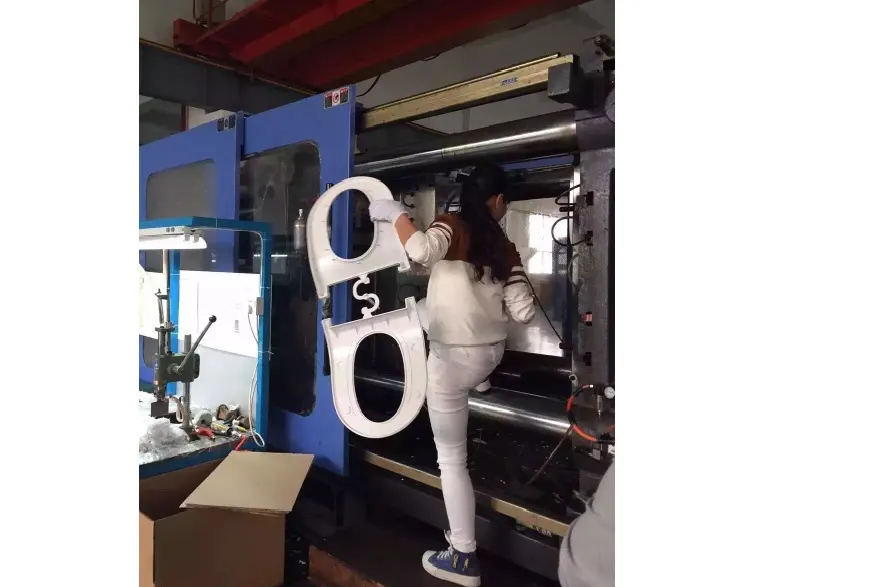
After cooling, the mold opens and the ejector system pushes the product out. For large flat parts, even distribution of ejector force is important. Concentrated ejector force at a few points causes product deformation.
After demolding, products need trimming and deburring. Edges need smoothing and surfaces need cleaning. Some products require UV coating or protective coating.
HAICHEN Injection Machine Cooling and Demolding Support
HAICHEN injection machines support multi-stage holding pressure settings and adjustable ejector parameters. Operators can adjust the holding pressure curve and ejector force based on toilet seat wall thickness distribution. Our servo energy-saving system reduces motor speed or stops the motor during the cooling phase to cut energy use. The HAICHEN technical team provides cooling parameter recommendations based on customer mold design.
Hinge Assembly and Finished Product Assembly
What quality requirements apply to toilet seat hinge assembly?
Hinge assembly needs to meet load-bearing tests of 150 to 200 kg and soft-close cycle tests of 30,000 to 50,000 cycles. Hinge holes need to fit the cover precisely. Hinge bases usually use stainless steel or zinc alloy to resist bathroom environment corrosion. After assembly, torque calibration and damping tests are required.
Hinge Types and Functional Requirements
Toilet seat hinges affect user experience and product life. Common hinge types include: soft-close hinges with damping mechanisms that allow the cover to close slowly; quick-release hinges for easy cleaning of the toilet seat and bowl bottom.
Hinge bases usually use stainless steel or zinc alloy to resist corrosion in bathroom environments.
Assembly and Functional Testing
Assembly includes torque calibration, damping testing, and functional checks. Products need to meet service life requirements. Typical test standards include: load-bearing test of 150 to 200 kg and soft-close cycle test of 30,000 to 50,000 cycles.
Hinge hole dimensional precision directly affects assembly. If hinge holes deviate during injection molding, it causes assembly difficulty, sticking, or abnormal noise during opening and closing.
HAICHEN Injection Machine Support for Assembly Precision
HAICHEN injection machines offer high repeatability that helps ensure hinge hole dimensional consistency. The servo-hydraulic system provides repeatable injection speed profiles, reducing product weight and dimension variation between batches. Stable product dimensions reduce adjustment time in the assembly step and improve production efficiency. HAICHEN engineers recommend the right injection parameters based on customer hinge assembly requirements.
What is Quality Control and Finished Product Inspection
Quality Control During Production
During injection molding, quality control focuses on consistency of temperature, pressure, and cycle time. Stable process parameters ensure consistent product dimensions and weight.
For large parts like toilet seats, cooling balance requires special attention. Areas with wall thickness variation need additional cooling control to reduce warping and internal stress.
Finished Product Inspection Items
Finished product inspection includes multiple test items. Load-bearing tests verify structural strength. Soft-close cycle tests verify damper durability. Chemical resistance tests verify surface stability against cleaning agents. Color consistency is checked by visual inspection and colorimeter.
HAICHEN Injection Machine Quality Stability Support
HAICHEN injection machines feature high-rigidity platens and finite element optimized structures. This design reduces the risk of platen deformation when molding large parts and ensures stable temperature and pressure parameters during long production runs. HAICHEN provides machine test reports that include injection repeatability and platen parallelism data.
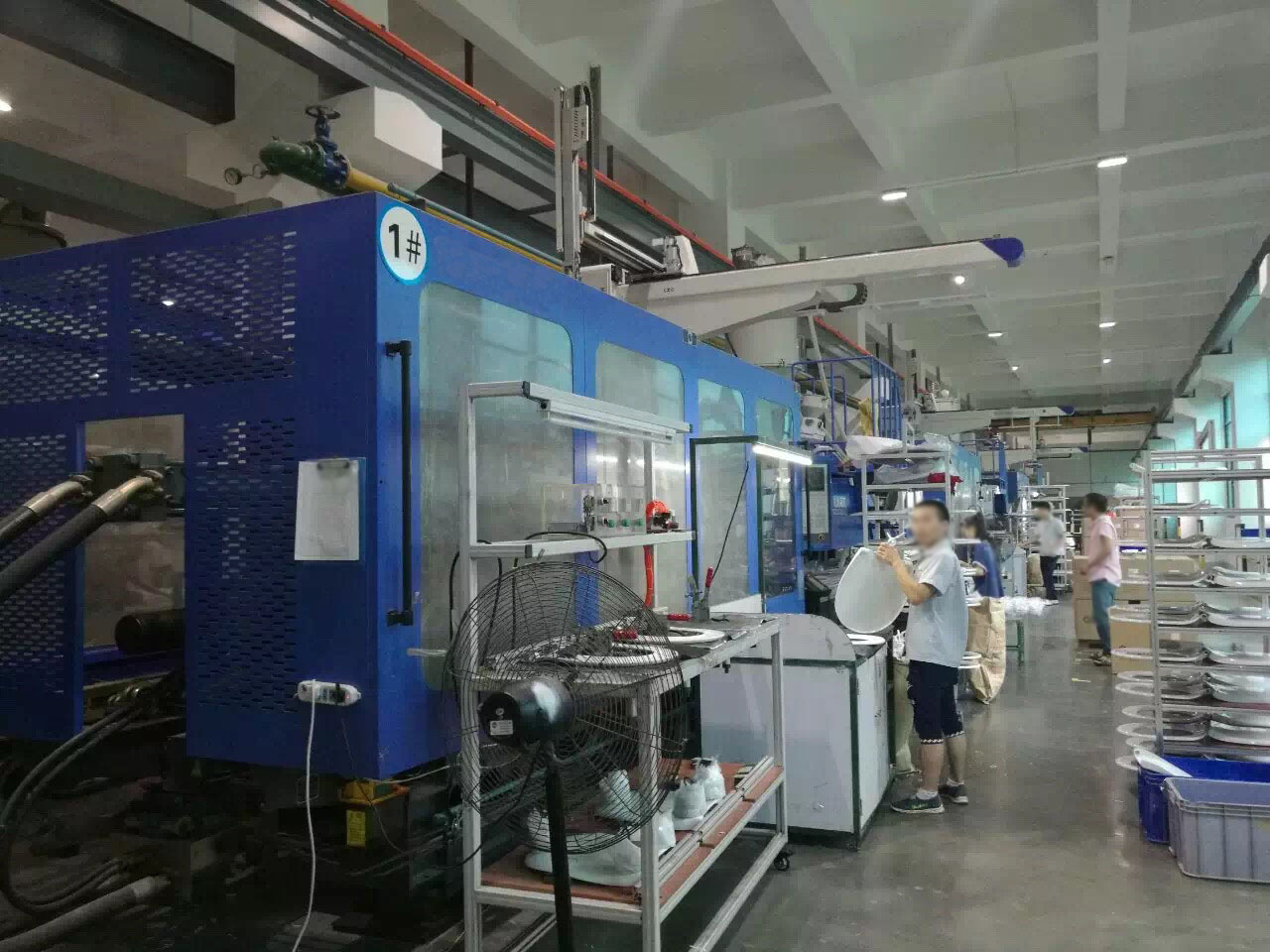
We provide selection consulting, process parameter optimization, and mold matching confirmation for toilet seat injection machines. Our PID temperature control system meets PC and PC/ABS precision requirements. The servo energy-saving system lowers operating costs. Contact HAICHEN for a toilet seat injection molding production solution. Send your product specifications, target material, and output requirements. We will help you match the right configuration.