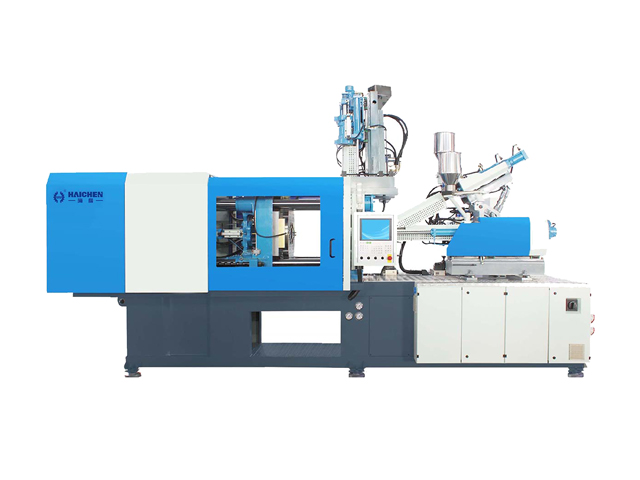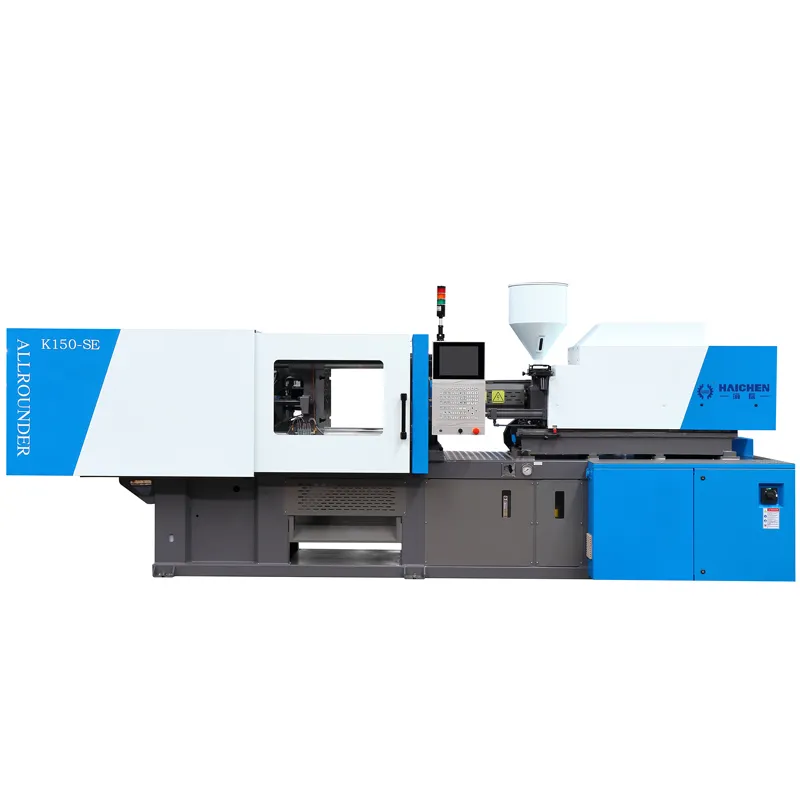
Injection molding production capacity tells you how many plastic parts a factory can make in a given time. It helps you plan orders, control costs, and choose the right injection molding machine.
As an injection molding machine manufacturer, we check the mold, cycle time, plastic material, and machine performance before estimating output.
A machine may have high theoretical capacity, but real production also depends on downtime and product quality.
What Is Injection Molding Production Capacity?
Production capacity means the number of parts a machine can make per hour, day, or month.
Theoretical output shows the maximum output under set conditions. Actual output counts the good parts that the factory really makes after downtime and scrap.
For example, a machine may have a theoretical output of 800 parts per hour. If the machine stops for checks or produces defective parts, the actual output will be lower.
What Information Do You Need?
Before calculating production capacity, collect these details:
- Number of cavities: How many parts does the mold make in one cycle?
- Cycle time: How many seconds does one complete cycle take?
- Working hours: How many hours does the factory plan to run?
- Machine utilization: What share of planned time does the machine run?
- Scrap rate: What share of parts fail quality checks?
These figures help you estimate output and compare it with your production target.
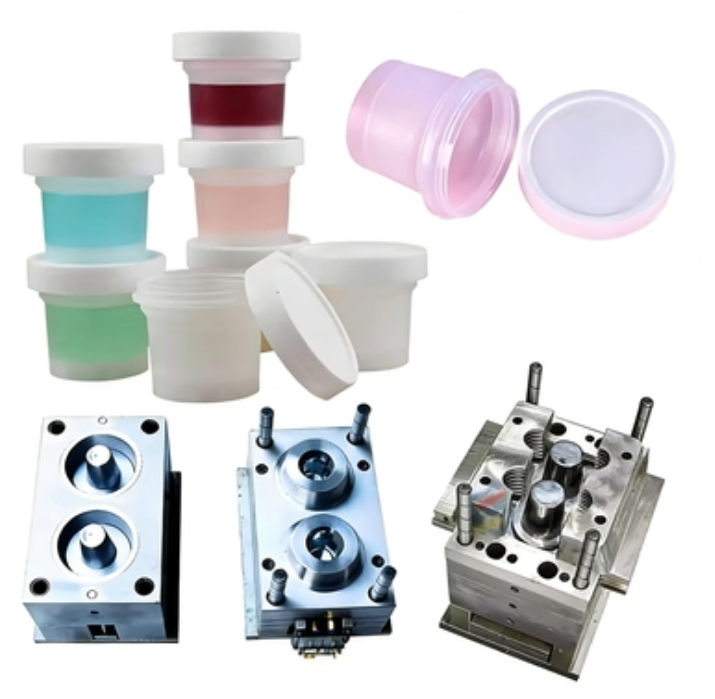
How to Calculate Injection Molding Production Capacity
Use these basic formulas:
Parts per Hour = 3,600 ÷ Cycle Time in Seconds × Number of Cavities
Theoretical Daily Output = Parts per Hour × Working Hours
Theoretical Monthly Output = Daily Output × Working Days
For example, if a four-cavity mold runs a 20-second cycle:
3,600 ÷ 20 × 4 = 720 parts per hour
For an 8-hour shift, the theoretical output is 720 × 8 = 5,760 parts per day.
These formulas count parts, not shots. One cycle makes four parts because the mold has four cavities.
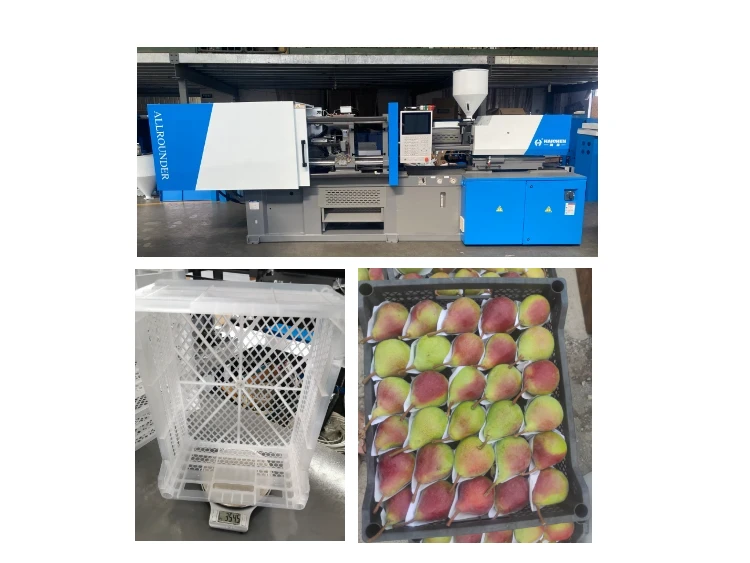
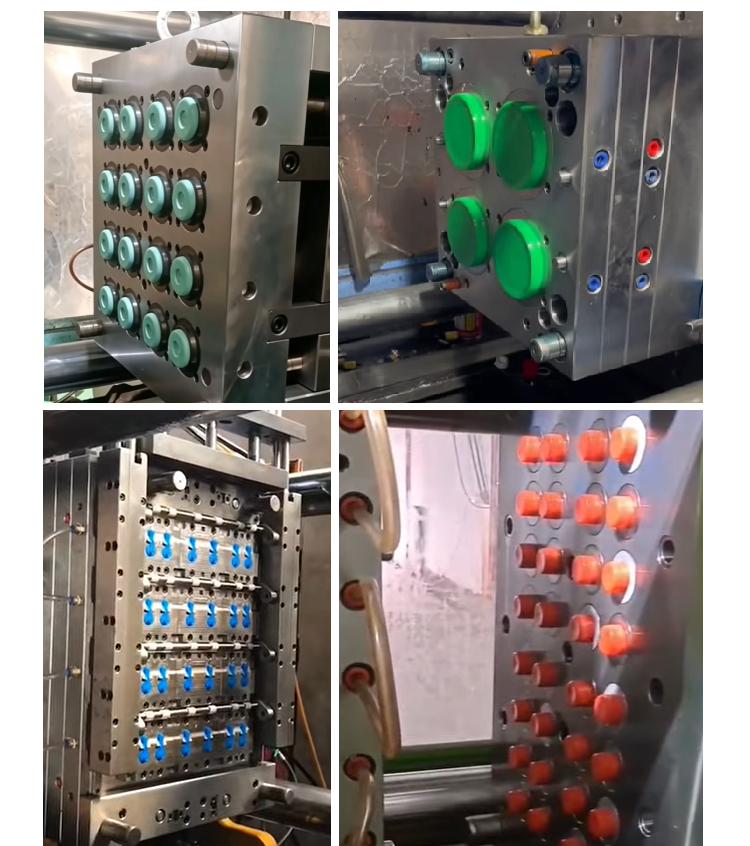
How Does Cavity Number Affect Production Capacity?
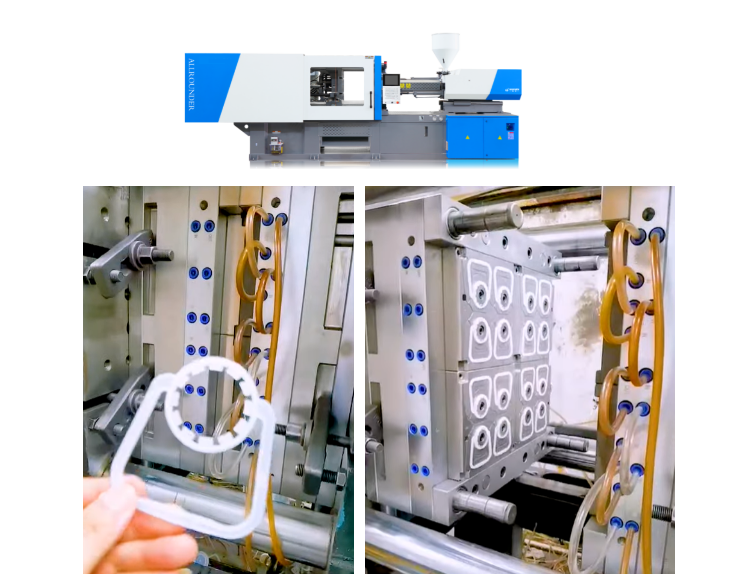
A single-cavity mold makes one part per cycle. A multi-cavity mold makes several parts at once, so it can raise output without adding another machine.
However, more cavities do not always mean better results. A larger mold may need more clamping force, more injection capacity, and better cooling. It also costs more to make.
Choose a multi-cavity mold when demand is high enough to support the extra mold cost and the machine can fill and cool every cavity evenly.
How Does Cycle Time Affect Production Capacity?
Cycle time directly affects the number of parts a machine can make. A shorter cycle increases output when the cavity number stays the same.
For example, a four-cavity mold produces:
- 20-second cycle: 720 parts per hour
- 25-second cycle: 576 parts per hour
The shorter cycle gives 144 more parts per hour. Still, do not cut cycle time just to raise output.
If the parts warp, shrink, or fail quality checks, the factory may lose more time and material.
How to Calculate Actual Production Capacity
Actual output must account for downtime and scrap.
Good Parts = Theoretical Output × Machine Utilization × (1 − Scrap Rate)
Use decimals for percentages. For example, 90% utilization equals 0.90, and a 2% scrap rate equals 0.02.
Machine utilization reflects the time the machine actually runs during the planned production period.
Planned breaks, mold changes, maintenance, and unplanned stops can reduce this figure, depending on how the factory records production time.
Production Capacity Example
A factory makes plastic containers with the following setup:
| Item | Value |
|---|---|
| Part weight | 50 g |
| Mold cavities | 4 |
| Cycle time | 20 seconds |
| Working hours | 8 hours |
| Machine utilization | 90% |
| Scrap rate | 2% |
First, calculate hourly output:
3,600 ÷ 20 × 4 = 720 parts per hour
Next, calculate theoretical daily output:
720 × 8 = 5,760 parts
Finally, calculate good parts:
5,760 × 0.90 × 0.98 = 5,080 good parts per day (approximately).
The part weight helps estimate material use, but cavity number and cycle time determine the basic part count in this example.
How to Increase Injection Molding Production Capacity
You can improve output in several ways:
- Increase cavity number: Use a multi-cavity mold when the machine can support it.
- Reduce cycle time: Adjust the process while keeping part quality stable.
- Improve cooling: Better mold cooling can reduce the time needed before ejection.
- Reduce downtime: Plan maintenance and prepare materials before production starts.
- Improve material feeding: Keep a steady supply of clean, dry material when the resin needs drying.
- Speed up mold changes: Prepare tools and connections before stopping the machine.
- Add automation: Robots and automatic take-out systems can help with stable, high-volume production.
Start with the main cause of lost output. Sometimes a better cooling system or fewer machine stops helps more than buying a larger machine.
How Machine Size Affects Production Capacity
Machine size alone does not decide production capacity. The machine must match the mold and product.
- Clamping force: The machine must hold the mold closed during injection.
- Shot size: The injection unit must supply enough plastic for all cavities and runners.
- Plasticizing capacity: The screw must prepare enough molten plastic for each cycle.
- Injection speed: The machine must fill the mold within the required time.
- Cycle performance: Clamping movement, ejection, and control settings affect the full cycle.
As a manufacturer, we recommend checking these factors together. A machine with too little capacity may limit output, while an oversized machine may increase equipment and running costs.
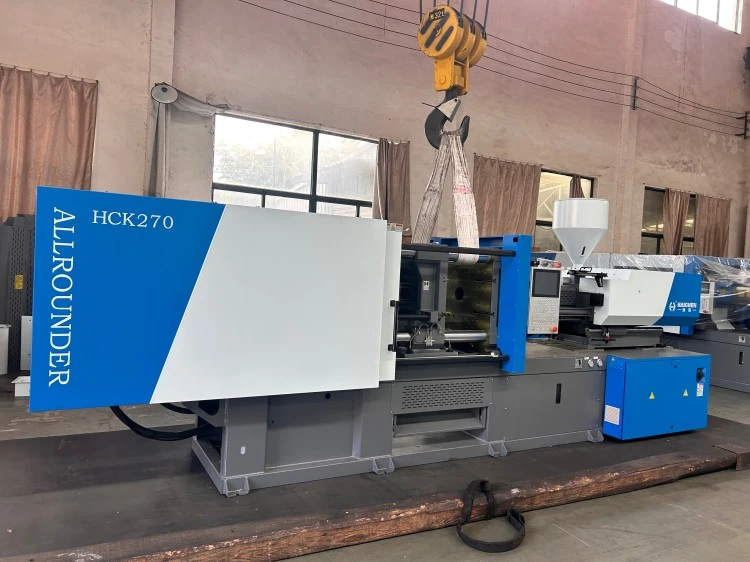
How We Estimate Production Capacity for Customers
When customers ask us to recommend an injection molding machine, we first check:
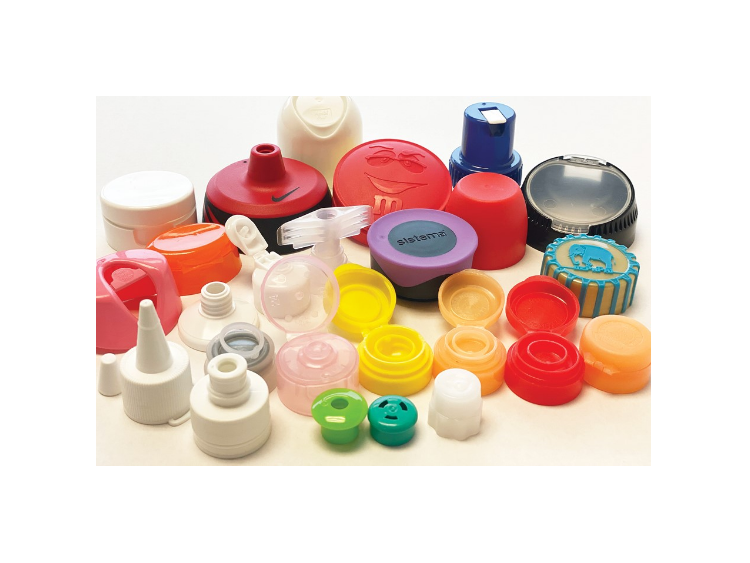
- Product size, material, and part weight
- Number of mold cavities
- Target cycle time
- Mold dimensions and design
- Machine model and injection unit
- Planned working hours
- Required daily or monthly output
With this information, we can estimate the needed machine performance and check whether the mold and machine suit the target. A production test gives a more reliable result than a calculation alone.
Common Production Capacity Mistakes
Avoid these common mistakes:
- Using cycle time alone without checking cavity number.
- Ignoring downtime and scrap.
- Treating theoretical output as actual output.
- Choosing a machine only by the required number of parts.
- Increasing speed without checking product quality.
- Ignoring shot size, clamping force, or plasticizing capacity.
A realistic estimate helps you plan orders and avoid promising more parts than your factory can make.
Injection Molding Production Capacity Checklist
Before setting a production target, check:
-
Part weight and material
-
Number of cavities
-
Cycle time
-
Theoretical hourly output
-
Working hours and days
-
Machine utilization
-
Scrap rate
-
Actual daily output
-
Monthly output
-
Machine and mold suitability