
Material selection for plastic blinds parts directly affects product performance, processing, and machine configuration. PVC, POM, and PP are three common materials. Each has different processing temperatures, shrinkage rates, and screw requirements.PVC, POM, and PP have different requirements for injection machines. PVC needs a corrosion-resistant screw and barrel. POM needs precise temperature control and a dead-spot-free screw design. PP has the lowest screw requirements but needs sufficient holding pressure and cooling to control shrinkage.
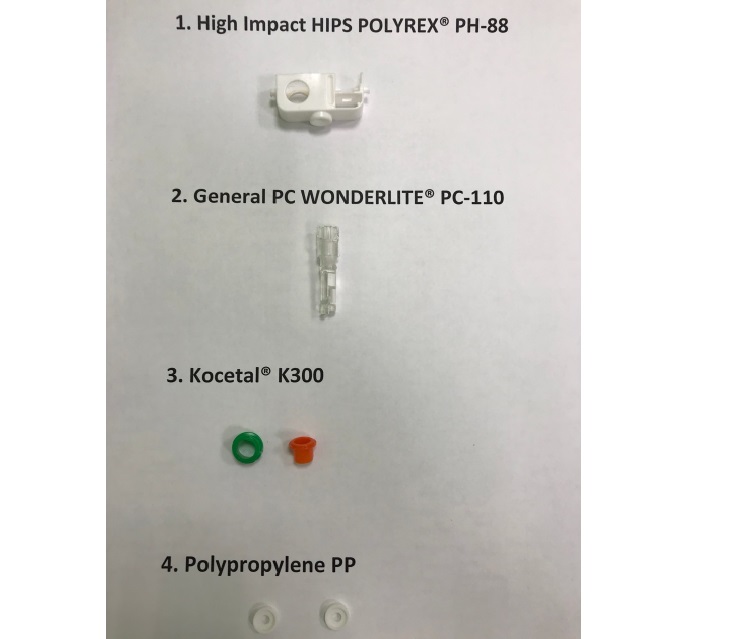
What materials are common for plastic blinds? Common materials for plastic blinds include PVC, POM, and PP. PVC has low cost and good weather resistance, suiting outdoor blinds, but it releases corrosive gas during processing and needs a corrosion-resistant screw. POM has good rigidity and wear resistance, suiting moving parts, but has a narrow processing window. PP has good toughness and chemical resistance, suiting indoor blinds, with a mature process.
Many buyers focus only on clamping force when choosing a plastic blinds injection machine. They ignore material compatibility. After the machine arrives, they find poor processing results and low yield.
This article compares the processing characteristics of PVC, POM, and PP. It explains the specific machine requirements for each material.
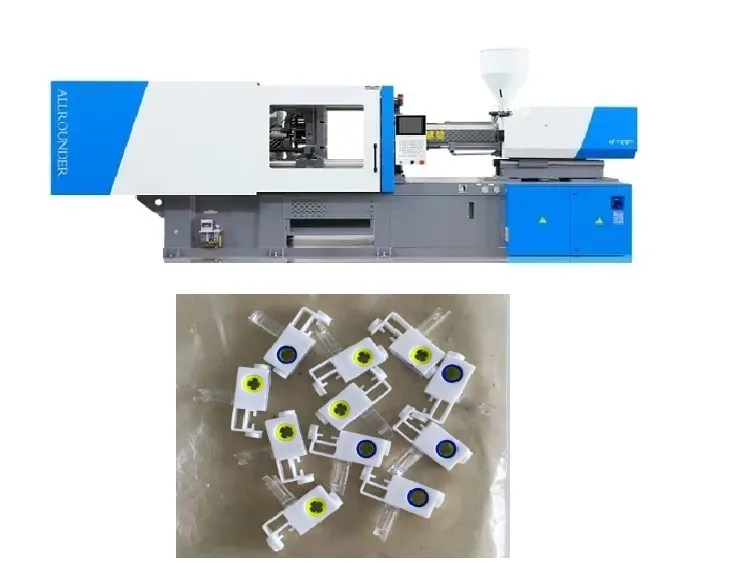
What Processing Requirements for PVC Blinds Material?
What should I note when injection molding PVC blinds?
PVC injection temperature stays at 160 to 170°C. Too high a temperature causes yellowing and degradation. PVC releases corrosive gas when it degrades. It needs an alloy screw and corrosion-resistant barrel. The workshop needs good ventilation. Mold temperature stays at 20 to 40°C.
PVC Processing Temperature and Thermal Stability
PVC has a narrow processing temperature range. Injection-grade PVC processes at 160 to 170°C. Above this range, PVC turns yellow and degrades.
PVC has high melt viscosity and poor thermal stability. Both temperature and time cause degradation. Barrel temperature must be strictly controlled to avoid long residence time.
Mold temperature stays at 20 to 40°C. Lower mold temperature helps PVC cool and set quickly.
PVC Corrosion Problems on Screw and Barrel
PVC releases corrosive gas when it degrades. This gas corrodes standard steel.
Processing PVC requires a dedicated screw and barrel. The screw must use alloy material. The barrel needs corrosion-resistant treatment. Bi-metal barrels cast a 2 to 3 mm wear and corrosion-resistant alloy layer on the inner wall. Service life is much longer than standard nitrided barrels.
The workshop needs good ventilation to remove decomposition gases.
HAICHEN PVC Processing Solution
HAICHEN injection machines can fit corrosion-resistant screw and barrel sets. We offer bi-metal screw options for PVC processing. For factories that change materials often, HAICHEN supports quick screw change designs. Our technical team recommends the right screw configuration and temperature control based on the customer’s material type.
What is Processing Requirement for POM Blinds Material
POM’s Narrow Processing Window
POM has a very narrow processing temperature range, usually 190 to 210°C. Temperatures above 220°C cause POM to degrade. Even within the normal range, long residence time in the barrel causes degradation.
POM screw speed cannot be too high. Excessive speed generates too much shear heat and speeds up degradation. Recommended screw speed is 0.5 to 1 m/s.
POM degradation can produce flammable gases. The processing workshop needs a good venting system.
What is the processing temperature for POM blinds?
POM injection temperature ranges from 190 to 210°C. Temperatures above 220°C cause degradation. Screw speed stays at 0.5 to 1 m/s. Mold temperature is recommended at 80 to 105°C to reduce post-molding shrinkage. POM shrinkage can reach 2% to 3.5%.
POM Shrinkage and Mold Temperature
POM is a high-crystallinity material. Its shrinkage rate can reach 2% to 3.5%. This is higher than PP and ABS.
To reduce post-molding shrinkage, mold temperature should be on the higher side. Recommended POM mold temperature is 80 to 105°C. Higher mold temperature allows POM to crystallize fully and reduces post-shrinkage.
POM injection pressure is usually 5 to 40 MPa. Back pressure is 5 to 10 MPa.
HAICHEN POM Processing Solution
HAICHEN injection machines support the precise temperature control needed for POM. Our PID temperature control system maintains each barrel zone within ±1°C of the set value. This reduces temperature fluctuation. The screw design avoids dead spots to reduce material stagnation. HAICHEN offers multiple screw compression ratio options to match POM plasticizing requirements.
How Processing Requirements for PP Blinds Material
PP Processing Temperature and Shrinkage
PP has a wide processing temperature range, usually 200 to 300°C. PP processing is a mature process.
PP shrinkage rate is 1.0% to 2.5%. This is higher than POM and ABS. PP parts need sufficient holding pressure and cooling after molding to reduce shrinkage.
Mold temperature is usually 20 to 50°C. PP mold temperature requirements are lower than POM.
PP Holding Pressure and Cooling Control
PP shrinkage has three parts: shrinkage before gate solidification, cooling shrinkage, and free shrinkage after demolding.
Holding pressure and time directly affect PP shrinkage. Research shows the order of influence on PP shrinkage is: melt temperature, cooling time, holding pressure, injection time.
Insufficient holding causes sink marks and dimensional deviation in PP parts. Multi-gate molds need adjustment of fill speed at each gate to ensure symmetric filling.
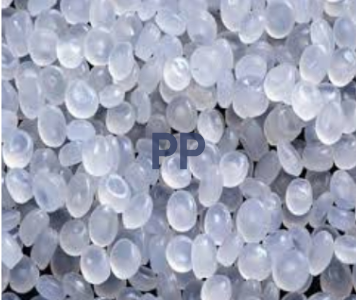
How do I control shrinkage in PP blinds molding?
PP shrinkage rate is 1.0% to 2.5%. The key parameters for controlling shrinkage are, in order: melt temperature, cooling time, and holding pressure. Multi-gate molds need symmetric gate positions for even filling. Mold temperature stays at 20 to 50°C.
HAICHEN PP Processing Solution
HAICHEN injection machines support multi-stage holding pressure settings. Operators can switch holding pressure by time or position. The servo-hydraulic system provides repeatable injection speed profiles to reduce weight variation between batches. The HAICHEN HCK110 model offers 32 mm, 36 mm, or 40 mm screws to match precision requirements for different PP part weights.
What’s Machine Configuration Comparison for Three Materials
Screw and Barrel Configuration Differences
| Material | Screw Requirement | Barrel Requirement | Special Configuration |
|---|---|---|---|
| PVC | Alloy screw, corrosion-resistant | Bi-metal, corrosion-resistant | Ventilation system |
| POM | Dead-spot-free design | Standard or wear-resistant | Venting system |
| PP | General-purpose screw | Standard | None |
PVC needs the highest level of corrosion-resistant configuration. POM needs a screw design that avoids material stagnation. PP has the lowest screw requirements.
Temperature Control Precision Requirements
The three materials have different temperature control precision requirements. PVC and POM have narrow processing windows and need higher temperature control precision. PP has a wide processing window and lower temperature control requirements.
The HAICHEN PID temperature control system maintains each barrel zone within ±1°C of the set value. This precision meets PVC and POM processing requirements. Our machines support independent control of multiple heating zones.
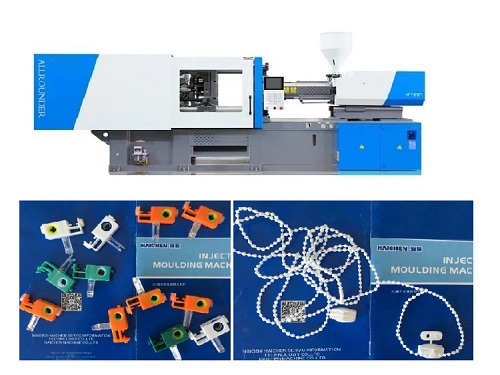
We provide dedicated screw configurations for PVC, POM, and PP. Our servo energy-saving system lowers operating costs. The PID temperature control system meets the precision requirements for narrow processing window materials.
Contact HAICHEN for blinds injection machine selection advice. Send your material type and product specifications. We will help you match the right configuration.


