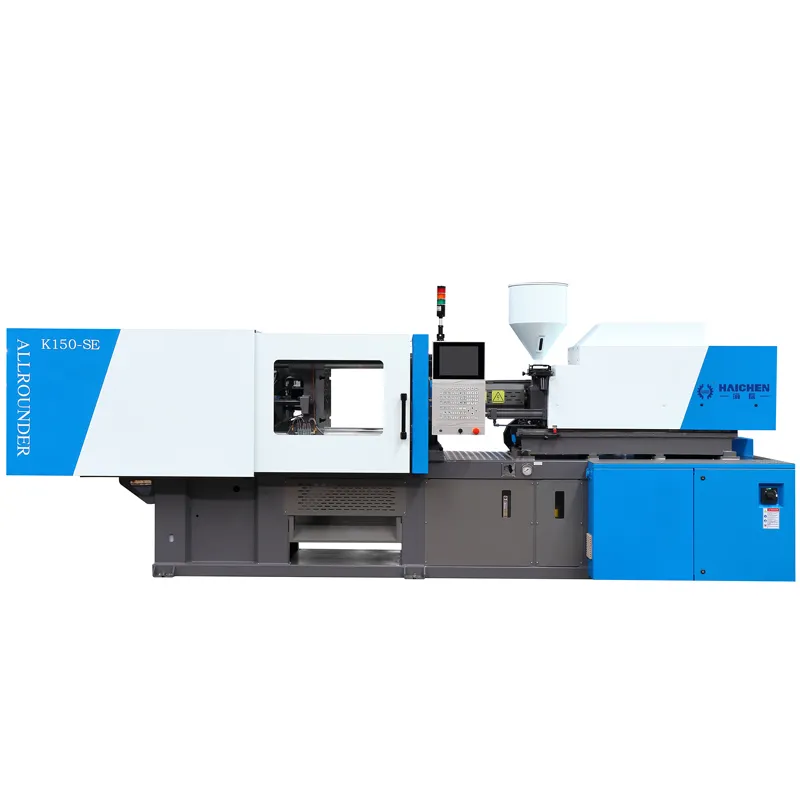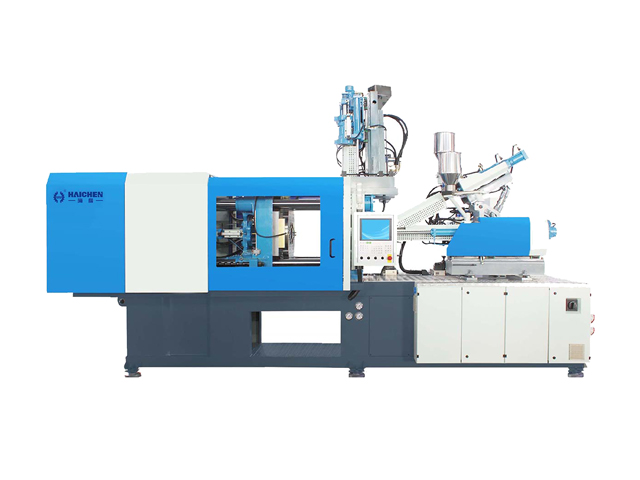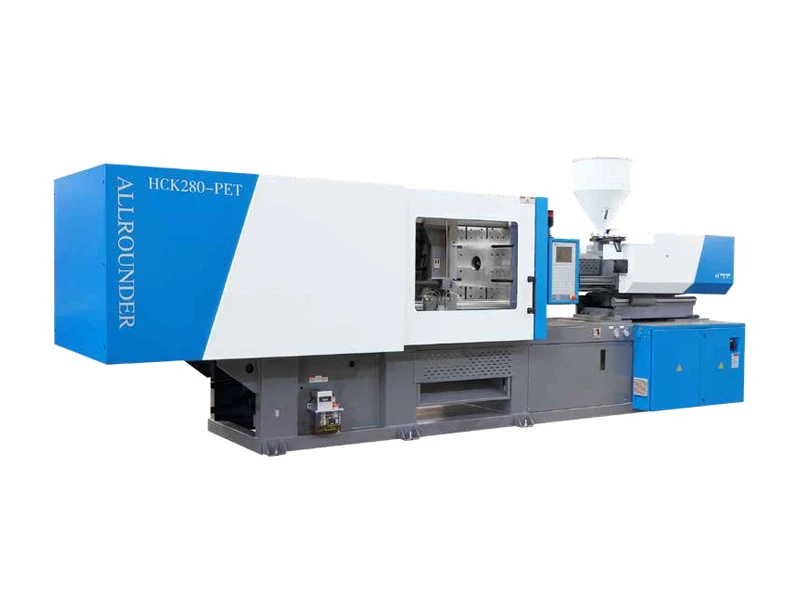
Injection pressure helps push molten plastic through the nozzle, runner, and gate into the mold cavity. If the pressure is too low, the machine may not fill the mold completely.
However, higher pressure does not always improve part quality.
As an injection molding machine manufacturer, Haichen recommends checking the pressure calculation, screw diameter, plastic material, and mold design together. This guide explains how to calculate theoretical injection pressure, read machine specifications, and choose the right injection unit.
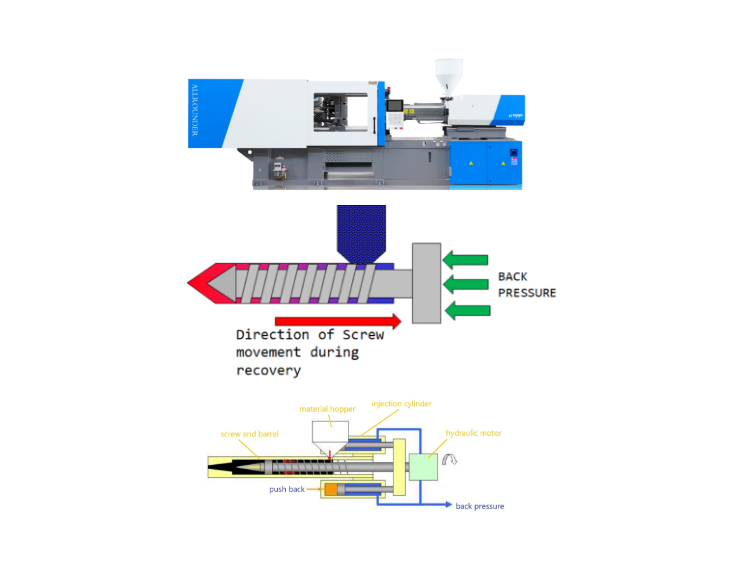
What Is Injection Pressure in Injection Molding?
Injection pressure is the pressure that the screw applies to molten plastic during injection. In a hydraulic injection molding machine, hydraulic oil drives the injection mechanism, and the screw transfers force to the plastic.
Three pressure terms are important:
- Hydraulic pressure: The pressure of the oil that drives the injection system.
- Theoretical injection pressure: The plastic-side pressure calculated from the hydraulic force and screw area.
- Cavity pressure: The pressure that develops inside the mold cavity as the plastic fills and packs.
These values describe different points in the molding process. The plastic also loses pressure as it flows through the nozzle, runner, gate, and cavity.
How to Calculate Injection Molding Machine Injection Pressure
The Basic Injection Pressure Formula
For a hydraulic injection unit, use this formula to calculate theoretical plastic-side injection pressure:
Theoretical Injection Pressure = Hydraulic Pressure × Effective Hydraulic Piston Area ÷ Screw Area
In symbols:[P_i=P_h\times\frac{A_h}{A_s}]
Where:
- (P_i) = theoretical plastic-side injection pressure
- (P_h) = hydraulic pressure acting on the injection piston
- (A_h) = effective hydraulic piston area
- (A_s) = screw cross-sectional area
First, calculate the screw area:
[A_s=\frac{\pi D^2}{4}]
Here, (D) represents the screw diameter.
Use consistent units for both areas. For example, if you use bar for hydraulic pressure and square centimeters for both areas, the calculated pressure will also be in bar.
This formula assumes that the hydraulic pressure acts on the stated effective piston area and that the system transfers the resulting force to the screw.
For an actual machine, check the manufacturer’s design and calculation method.
A Simple Calculation Example
Suppose a hydraulic injection unit has these assumed values:
- Hydraulic pressure: 100 bar
- Effective piston area: 100 cm²
- Screw diameter: 40 mm
Convert the screw diameter to 4 cm.
Screw area = π × 4² ÷ 4 ≈ 12.57 cm²
Then calculate the theoretical injection pressure:
Injection pressure = 100 × 100 ÷ 12.57
Theoretical injection pressure ≈ 796 bar
This example explains the calculation method. It does not represent a measured Haichen machine result. For a real machine, you must confirm the effective piston area and the hydraulic pressure used in the calculation.
How to Understand the Pressure Requirement
Theoretical injection pressure describes the pressure that the injection unit can produce under the stated conditions. The pressure a product needs depends on the plastic, part geometry, mold design, melt temperature, and injection speed.
The melt also loses pressure as it moves through the flow path. Engineers must consider these losses when assessing whether a machine can fill a specific mold.
Do not treat a simple pressure-loss estimate as an exact result for every mold. Mold-flow analysis and cavity pressure measurements can provide more detailed information when the application requires it.
What Affects Injection Pressure?
Plastic Material and Melt Flow
Different plastics have different flow properties. A material with higher flow resistance may need more pressure under the same molding conditions. Melt temperature also affects flow, so follow the material supplier’s processing guidelines.
Part Wall Thickness and Shape
Thin walls, long flow paths, and complex shapes can make filling more difficult. Engineers should review the part design and expected flow length before selecting the injection unit.
Mold Runner and Gate Design
Narrow runners and small gates can increase flow resistance. A suitable runner and gate design helps the melt reach the cavity without placing unnecessary demands on the machine.
Injection Speed
Higher injection speed can help fill thin or complex parts before the melt cools. However, faster filling can also increase pressure demand. Engineers should adjust injection speed and pressure together rather than increasing both without checking the results.
How to Choose the Right Injection Pressure for a Machine
Check the Machine’s Maximum Injection Pressure
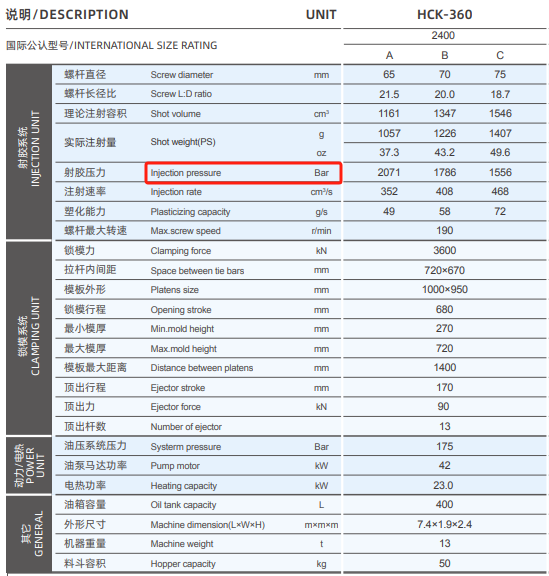
Start with the machine’s technical specifications. Check injection pressure, screw diameter, theoretical shot volume, and injection rate.
Haichen’s HCK series specification table lists different pressure and shot-volume options for each injection unit. The HCK-230 provides a useful example:
| Screw diameter | Injection pressure | Shot volume | Injection rate |
|---|---|---|---|
| 45 mm | 2299 bar | 398 cm³ | 152 cm³/s |
| 50 mm | 1862 bar | 491 cm³ | 188 cm³/s |
| 55 mm | 1539 bar | 594 cm³ | 228 cm³/s |
These values come from the supplied HCK series parameter table. They represent listed machine specifications, not the pressure required by a particular product.
The data shows a clear selection trade-off. As the screw diameter increases, the listed injection pressure decreases, while shot volume and injection rate increase.
Therefore, do not choose a screw based on shot volume alone.
Match Pressure to the Product and Mold
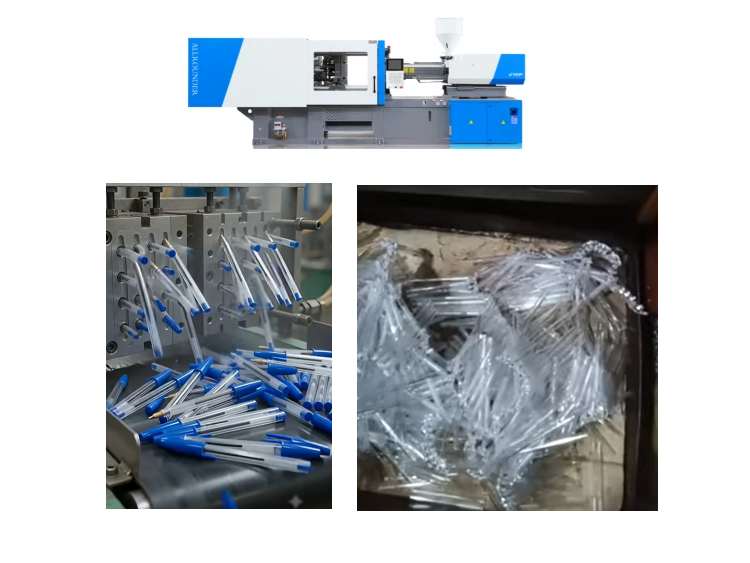
Check the plastic material, wall thickness, flow length, gate size, and cavity layout. Then compare the estimated process requirement with the machine’s rated injection pressure.
Choose a machine that meets the process requirements with a suitable operating margin. The required margin depends on the application, so engineers should not apply one fixed percentage to every product.
Check the Screw Diameter and Injection Unit
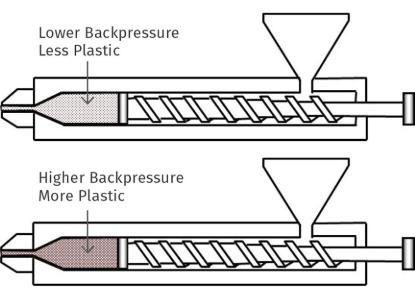
Screw diameter affects pressure, shot volume, and injection rate. A smaller screw can produce higher theoretical plastic pressure for the same injection force. A larger screw can deliver more material per stroke under suitable conditions.
However, a smaller screw does not automatically provide the best solution. Check shot size, plasticizing capacity, injection rate, and the material’s processing needs together.
What Happens When Injection Pressure Is Too High or Too Low?
Problems Caused by High Injection Pressure
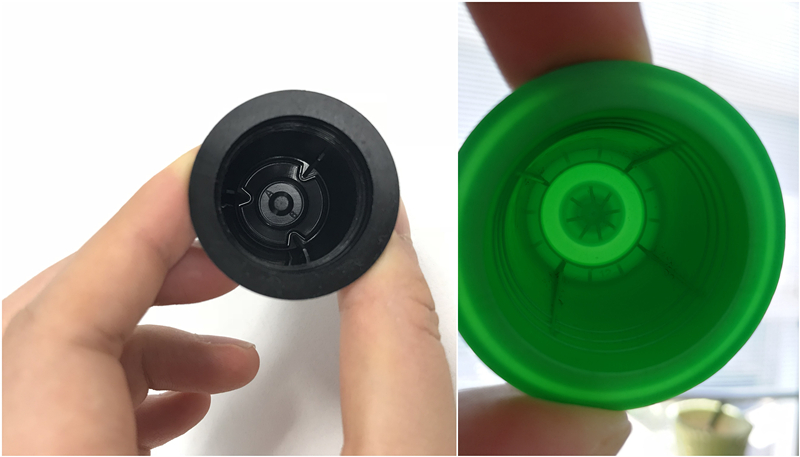
Excessive pressure can contribute to flash, higher mold stress, and part defects. Before lowering or raising the pressure limit, check the filling profile, mold condition, and clamping force.
Problems Caused by Low Injection Pressure
Insufficient pressure can cause short shots and incomplete filling. Before increasing pressure, check melt temperature, injection speed, material supply, gate size, and runner design. The real problem may come from the process or mold rather than the machine’s pressure capacity.
How to Set and Adjust Injection Pressure
Start with the Material and Mold Requirements
Use the material supplier’s guidelines and the mold design as your starting point. Follow the machine manual when setting pressure limits and injection stages.
Adjust Pressure During Trial Runs
Run controlled trials and inspect the parts. If the mold does not fill completely, check the process settings and flow path before increasing pressure in small steps. Record each change so your team can compare the results.
Check Part Quality and Machine Limits
Review part weight, dimensions, surface finish, and signs of flash. A good setup fills the mold consistently without using more pressure than the process needs.
Injection Pressure vs. Clamping Force
Injection pressure pushes molten plastic into the mold, while clamping force keeps the mold halves closed. Cavity pressure creates a force that tries to open the mold.
If the clamping force cannot resist that opening force, the mold may separate slightly and produce flash. Engineers must therefore check both injection pressure and clamping force when selecting a machine.
Frequently Asked Questions
Is Injection Pressure the Same as Hydraulic Pressure?
No. Hydraulic pressure drives the injection mechanism. The machine converts hydraulic force into force on the screw, which creates pressure on the plastic. The relationship depends on the effective piston area and screw area.
Does Higher Injection Pressure Always Improve Part Quality?
No. Excessive pressure can cause flash and increase mold stress. Correct material temperature, injection speed, gate design, and pressure settings all help achieve stable filling.
How Do I Know if My Machine Has Enough Injection Pressure?
Compare the machine’s rated injection pressure with the estimated process requirement. Also check screw diameter, shot volume, injection rate, and mold design. For a more reliable recommendation, share the product drawing, material, mold details, and required output with your machine supplier.