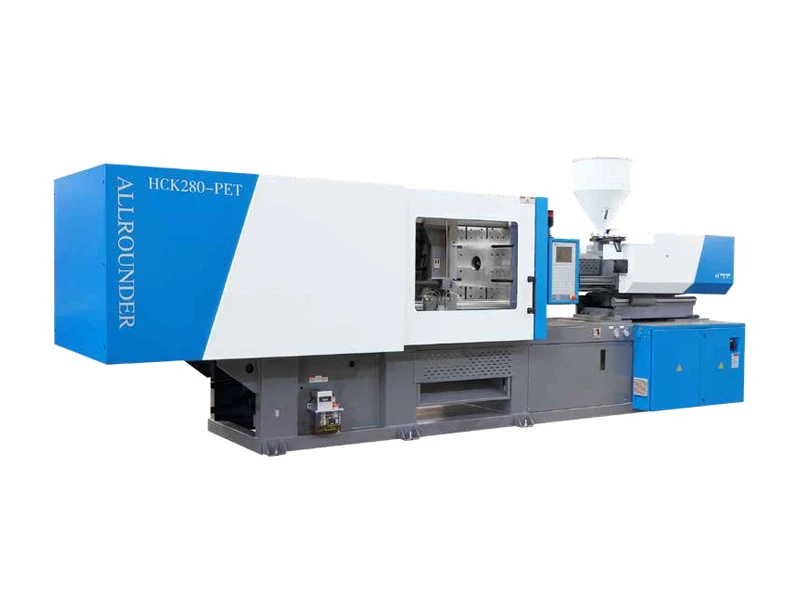
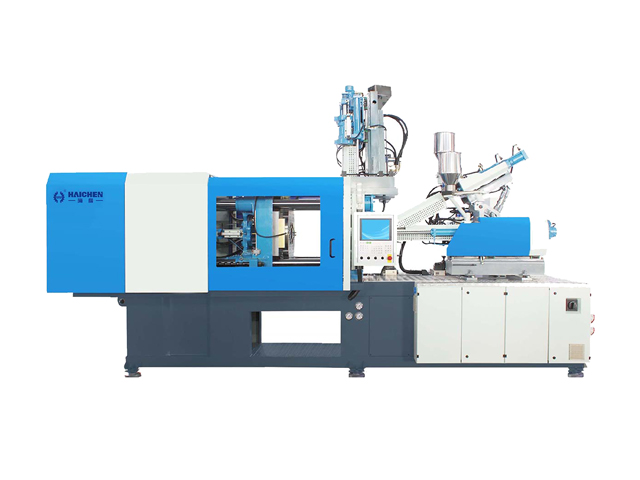
Hydraulic oil plays an important role in an injection molding machine. It transfers power, supports smooth machine movement, and helps control the injection and clamping processes.
However, dirty oil, low oil levels, or poor oil quality can affect machine performance and increase maintenance costs.
As an injection molding machine manufacturer, Haichen recommends regular hydraulic oil checks and proper maintenance.
With a few simple steps, you can help protect the hydraulic system, reduce unexpected downtime, and keep production running smoothly.
Why Hydraulic Oil Matters in an Injection Molding Machine
Hydraulic oil transfers pressure from the hydraulic pump to the machine’s actuators. These components drive movements such as mold opening, mold closing, and injection.
Hydraulic oil also lubricates moving parts and helps carry heat away from the system. When the oil stays clean and maintains the right properties, the machine can operate more smoothly.
Over time, however, heat, air, water, and dirt can damage oil quality. The oil may lose some of its protective properties, while contaminants can wear pumps, valves, and other hydraulic components.
That’s why regular oil maintenance matters. It can help extend component life and reduce the risk of unplanned shutdowns.
Signs of Hydraulic Oil Problems
Oil Color and Smell Changes
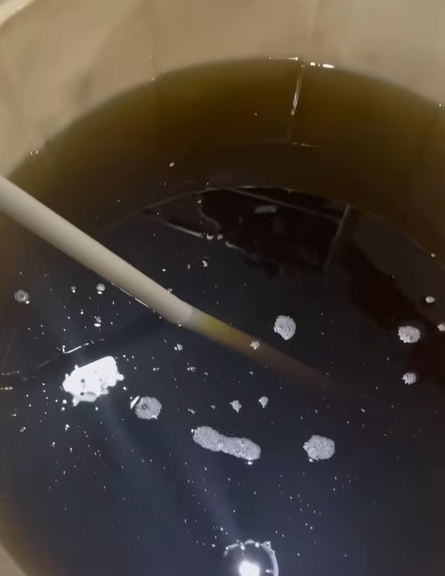
New hydraulic oil usually has a clear, consistent appearance. If the oil becomes unusually dark or develops a burnt smell, it may indicate overheating, oxidation, or contamination.
However, color alone cannot confirm oil quality. Check the oil’s service history and consider laboratory testing if you notice major changes.
Water or Dirt in the Oil
Water may enter the hydraulic system through condensation, damaged seals, or poor oil storage. It can cause corrosion, reduce lubrication, and affect system performance.
Dirt and metal particles can also damage precision components. If the oil looks cloudy or contains visible particles, investigate the cause before continuing normal production.
Unstable Machine Movement
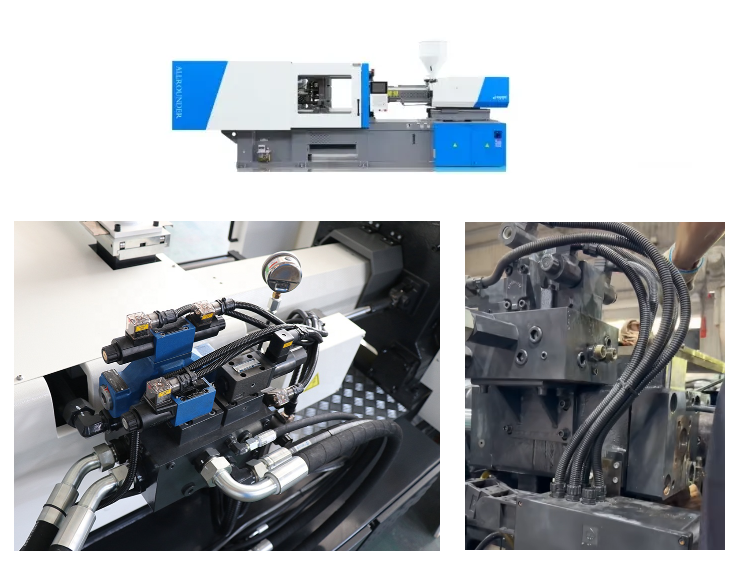
If mold opening, clamping, or injection movements become slow or inconsistent, check the hydraulic system.
Low oil levels, clogged filters, air in the system, pump wear, or faulty valves may cause these problems. Don’t assume the oil itself is always the cause.
High Oil Temperature
Excessive oil temperature can speed up oxidation and shorten oil service life. Common causes include poor cooling, restricted flow, internal leakage, or unsuitable machine settings.
Check the machine’s temperature readings against the manufacturer’s recommended operating range.
How to Check Hydraulic Oil
Check the Oil Level
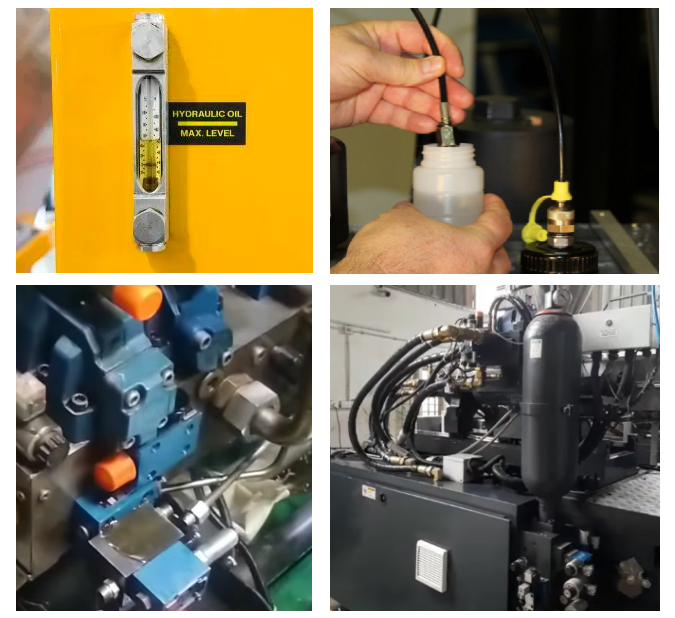
Check the oil level using the machine’s sight glass or level indicator. Follow the operating manual because the correct reading may depend on the machine’s position and operating condition.
If the level drops, look for leaks before adding more oil.
Check Oil Condition
Look for unusual color changes, cloudiness, foam, or visible particles. These signs can point to contamination or other problems.
For a more reliable assessment, follow the recommended oil testing procedure.
Check Oil Temperature
Read the machine’s temperature indicator and compare the result with the recommended range. If the temperature stays too high, inspect the cooling system, oil flow, and possible internal leakage.
Check for Leaks
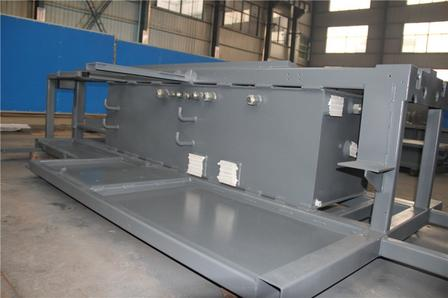
Inspect hoses, fittings, seals, the pump area, and the oil tank. Fix leaks promptly to prevent oil loss and keep dirt out of the system.
Never use your hands to search for a high-pressure hydraulic leak. A fine oil jet can penetrate the skin and cause serious injury.
When Should You Replace Hydraulic Oil?
Follow the Machine Manual
Different machines and operating conditions require different maintenance schedules. Use Haichen’s machine manual or your machine supplier’s guidance as the starting point.
Don’t rely on one fixed replacement interval for every machine.
Check Oil Test Results
Oil testing can measure viscosity, water content, contamination, oxidation, and wear particles. These results help you decide whether to replace the oil or investigate a system problem.
Consider Machine Use and Working Conditions
Machines that run for long hours, operate in hot environments, or work in dusty factories may need closer oil monitoring.
Replace the oil when test results or the manufacturer’s maintenance criteria indicate that it no longer meets the required condition.
How to Replace Hydraulic Oil
Prepare the Machine
Stop the machine, follow the approved shutdown procedure, and isolate all energy sources. Allow hot oil to cool, and release stored hydraulic pressure according to the machine manual.
Wear suitable protective equipment before starting work.
Drain the Old Oil
Use the correct drain point and a suitable container. Follow local rules for collecting and disposing of used hydraulic oil.
Clean the Tank and Check Filters
Inspect the tank for sludge and contamination. Clean it using an approved method, and inspect or replace filters according to the maintenance instructions.
Avoid leaving cleaning materials or debris inside the tank.
Add the Correct Hydraulic Oil
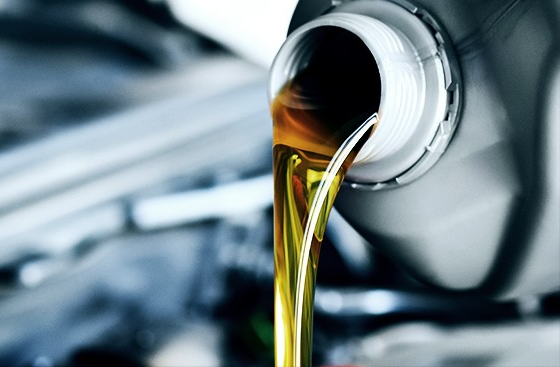
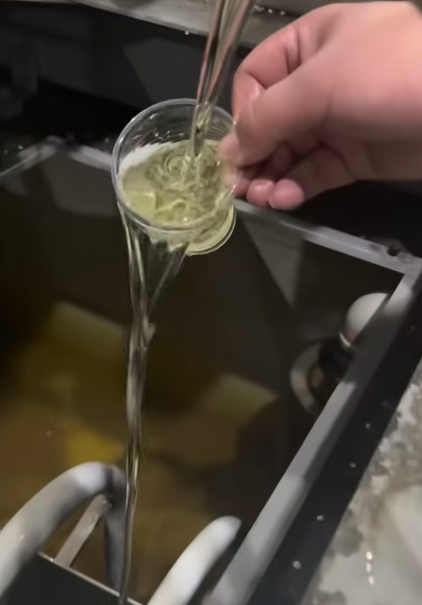
Confirm the required oil type and viscosity in the machine manual. Use clean filling equipment and avoid mixing incompatible products.
Fill the tank to the specified level.
Check the System Before Production
Follow the manufacturer’s start-up and air-removal procedure. Check the oil level again, inspect for leaks, and confirm that the machine operates normally before returning to production.
How to Keep Hydraulic Oil Clean
Prevent Dust and Water from Entering
Keep the tank openings closed and use clean filling equipment. Avoid leaving oil containers open in dusty or damp areas.
Check Filters and Seals
Inspect filters at the recommended intervals and replace them when necessary. Check seals and connections to reduce leaks and prevent contaminants from entering the system.
Store Oil Correctly
Keep oil in sealed, clearly labeled containers in a clean, dry place. Protect containers from direct sunlight, moisture, and dust.
Good storage habits can save you trouble later.
Hydraulic Oil Maintenance Checklist
Use this simple checklist as a starting point, then adjust it to match your machine manual.
- Check the oil level.
- Look for leaks around hoses, fittings, and seals.
- Check oil appearance and watch for foam or cloudiness.
- Monitor oil temperature.
- Inspect filters according to the maintenance schedule.
- Record oil checks, test results, and replacement dates.
- Investigate unusual machine movements or temperature changes.
Frequently Asked Questions
Can You Mix Different Hydraulic Oils?
Avoid mixing different hydraulic oils unless the manufacturers confirm compatibility. Different additives and base oils may not work well together.
If you need to change oil type, follow the supplier’s instructions for draining and flushing the system.
What Happens if Hydraulic Oil Is Too Low?
Low oil levels can cause poor pump suction, air entering the system, unstable machine movement, and overheating. Check for leaks and refill with the specified oil to the correct level.
Can Dirty Hydraulic Oil Damage the Machine?
Yes. Contaminated oil can accelerate wear in pumps, valves, and other precision components. Regular checks, clean filling practices, and proper filtration help protect the hydraulic system.