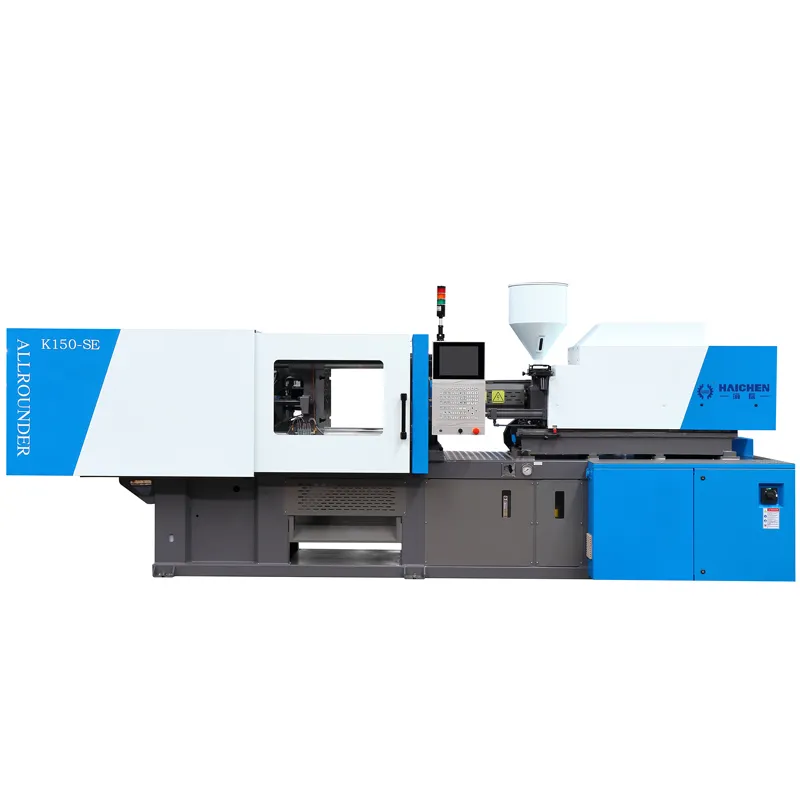
Plastic drawer cabinet manufacturing turns plastic raw materials into storage furniture for bedrooms, bathrooms, living rooms, offices, and other indoor spaces. These cabinets usually contain several parts, such as a frame, drawer boxes, front panels, a top cover, a base, and small fittings. Manufacturers often use injection molding to make these parts because the process can form detailed shapes and support repeat production.
A complete plastic storage cabinet is more than a set of drawers. The frame must support the drawers, the drawer boxes must slide smoothly, and the front panels must fit the cabinet. Therefore, manufacturers need to control the dimensions and quality of each part before they assemble the product.
The process starts with material selection and mold design. After that, the factory molds each component, checks its quality, and assembles the cabinet. Each step helps the finished product meet its design and daily-use needs.
What Is a Plastic Drawer Cabinet?
A plastic drawer cabinet is a storage unit that uses one or more drawers inside a supporting frame. People use these cabinets to store clothes, toys, office items, bathroom products, tools, and many other household goods.
Manufacturers make them in different sizes and styles. Some have three drawers, while others have six or more. Some use a separate frame and drawer boxes, while other designs combine several functions into fewer parts.
Common Types of Plastic Storage Cabinets
Plastic storage cabinets can have different shapes and features.
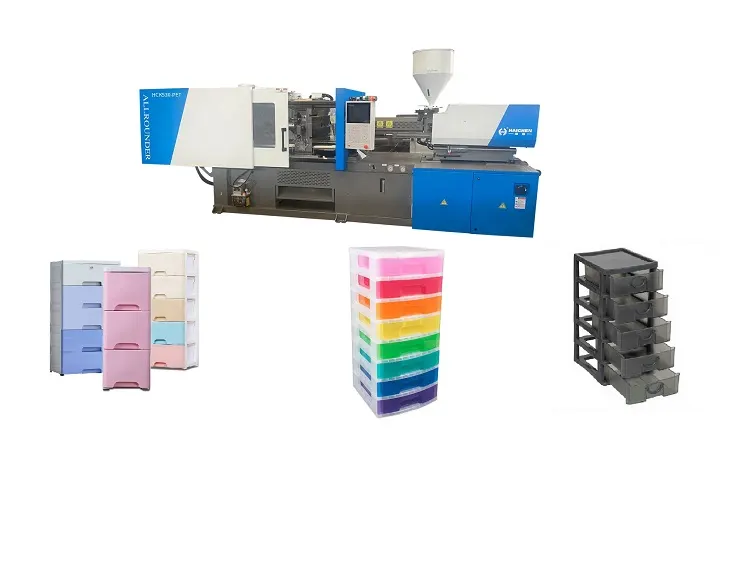
- Multi-tier drawer cabinets: These have several drawers stacked inside a vertical frame.
- Small desktop drawer units: These store stationery, craft items, and other small products.
- Bedroom storage cabinets: These may hold clothing and personal items.
- Bathroom storage cabinets: These may use plastic parts suited to damp indoor environments.
- Mobile drawer cabinets: These include wheels or caster parts that help users move the cabinet.
The cabinet design affects the size and shape of its molded components. For example, a tall cabinet may use several frame sections, while a small desktop unit may use a more compact structure.
What Parts Make Up a Plastic Drawer Cabinet?
Most multi-tier cabinets contain several main components.
The cabinet frame supports the drawers and keeps the overall structure aligned. The drawer boxes hold stored items, while the front panels form the visible face of each drawer. A top cover closes the top of the cabinet, and a bottom base supports the lower section.
Small parts may include handles, clips, connectors, feet, or wheels. The exact parts depend on the product design.
These components must fit together after injection molding. Therefore, manufacturers must pay attention to dimensions, shrinkage, and the connection points between each part.
What Materials Are Used in Plastic Drawer Cabinet Manufacturing?
The plastic material affects strength, weight, appearance, shrinkage, and cost. Manufacturers should select the material based on the function of each component and the target market.
PP for Drawer Boxes and Cabinet Components
Polypropylene (PP) is a common material for household plastic products. It has a low density and offers a useful balance of stiffness and flexibility.
Depending on the design, manufacturers may use PP for drawer boxes, frames, covers, or bases. However, not all PP grades have the same properties. The factory should select a grade that meets the strength and appearance needs of the product.
PP also changes size as it cools. For this reason, mold designers must account for shrinkage when they set the cavity dimensions.
Other Plastics for Specific Design Needs
Some cabinet designs may use other materials for selected components. For example, ABS may suit parts that need a particular surface appearance or stiffness.
The choice depends on the part design, processing needs, cost, and intended use. A material that works well for one component may not suit every other part of the cabinet.
If a cabinet uses different materials for different components, the factory must also manage material handling and processing conditions carefully.
How Plastic Material Affects Strength and Appearance
Material choice affects more than the way a part feels. It also changes how the plastic flows into the mold and how it shrinks during cooling.
Manufacturers check the material’s flow properties, strength, stiffness, color, and processing range before production. In addition, they should follow the resin supplier’s instructions for storage and drying where required.
These checks help reduce defects and make it easier to produce parts with consistent dimensions.
How Are the Different Parts of a Plastic Drawer Cabinet Made?
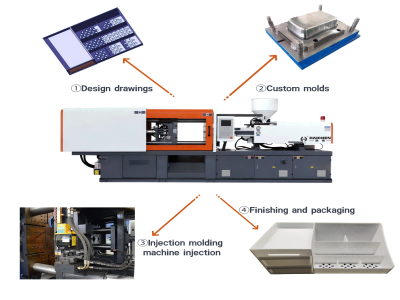
Manufacturers often mold each major component in a suitable mold. They then inspect the parts and assemble them into the finished cabinet.
The exact process depends on whether the product uses a one-piece frame, separate side panels, or other structural parts.
Manufacturing the Cabinet Frame and Side Panels
The cabinet frame supports the drawers and keeps them in the correct position. Depending on the design, it may contain vertical posts, side panels, support ribs, or mounting features.
The factory places the selected plastic material into an injection molding machine. The machine melts the plastic and injects it into a mold that forms the frame or panel.
After cooling, the machine removes the part. Workers or automatic systems then check the shape, dimensions, and connection points.
Frame parts must stay straight and fit the other components. If the frame warps during cooling, the drawers may not slide correctly. Therefore, the factory must control mold cooling, material shrinkage, and the molding settings.
Making the Drawer Boxes
Drawer boxes hold the stored items and slide inside the frame. They may have a flat base, side walls, a back wall, and guide features.
The mold forms these details during injection molding. The design must allow the plastic to fill the cavity and the finished box to leave the mold without damage.
After molding, the factory checks the drawer’s width, height, depth, and rim shape. These dimensions matter because the box must move inside the frame without sticking.
If the sides warp or the rim becomes uneven, the drawer may rub against the cabinet. For this reason, the production team should inspect both the individual drawer and its fit inside the frame.
Producing the Drawer Front Panels
The front panel forms the visible face of each drawer. It may include a handle opening, decorative lines, a logo, or a special surface texture.
Some products use a separate front panel, while other designs mold the front and drawer body as one piece. The production method depends on the cabinet design.
For separate panels, the mold should support the required surface quality and shape. The factory must also keep the dimensions stable so the panel fits the drawer body.
Visible parts may need closer surface inspection than hidden parts. Therefore, workers should check for flow lines, sink marks, flash, scratches, and uneven color.
Molding the Top Cover and Bottom Base
The top cover closes the cabinet, while the bottom base supports the structure. Some designs include grooves, ribs, feet, or connections for other components.
The factory molds these parts with suitable cavities and cooling systems. A broad, flat cover may need careful cooling to keep it flat after ejection.
The bottom base must also align with the cabinet frame. If the base bends or shrinks unevenly, the completed cabinet may not stand correctly.
For this reason, manufacturers should inspect the fit between the top cover, base, and frame during assembly trials.
Making Handles, Connectors, Feet, and Caster Parts
Small components help complete the cabinet. Handles allow users to open the drawers, while connectors and clips join the parts together. Some cabinets also use feet or wheels.
Manufacturers may use multi-cavity molds for small components. This allows several parts to form in one cycle, provided the mold and machine can handle the total shot size and projected area.
After molding, the factory checks the dimensions and fit of these parts. For example, a connector must fit its slot, while a handle must attach securely to the drawer.
Some wheel assemblies also contain metal or rubber parts. In those cases, the plastic parts are molded separately and assembled with the other materials.
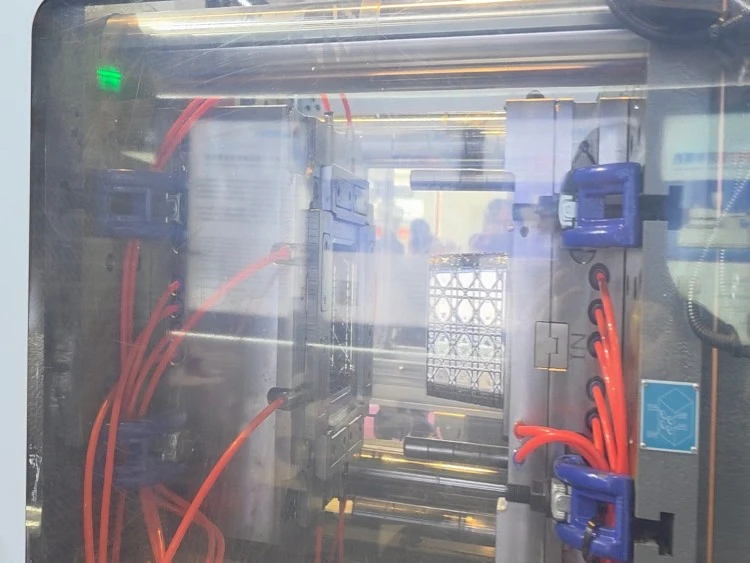
How Does the Plastic Cabinet Injection Molding Process Work?
Injection molding uses heat and pressure to form plastic inside a mold. Although the basic process is the same for many products, each cabinet component needs its own mold and suitable process settings.
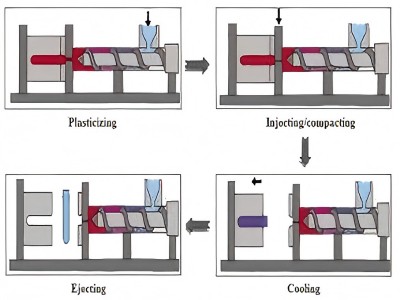
Step 1: Prepare the Plastic Material
The factory selects the correct plastic grade and prepares it for production. Workers or automatic systems feed the pellets into the machine hopper.
The material must remain clean and in a suitable condition. Some grades need drying, while standard PP generally does not require routine pre-drying under normal conditions.
The operator should follow the supplier’s instructions. This helps keep the material within its recommended processing range.
Step 2: Design and Prepare the Mold
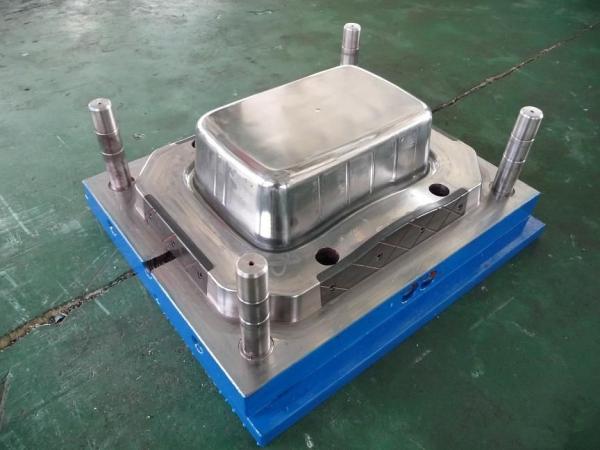
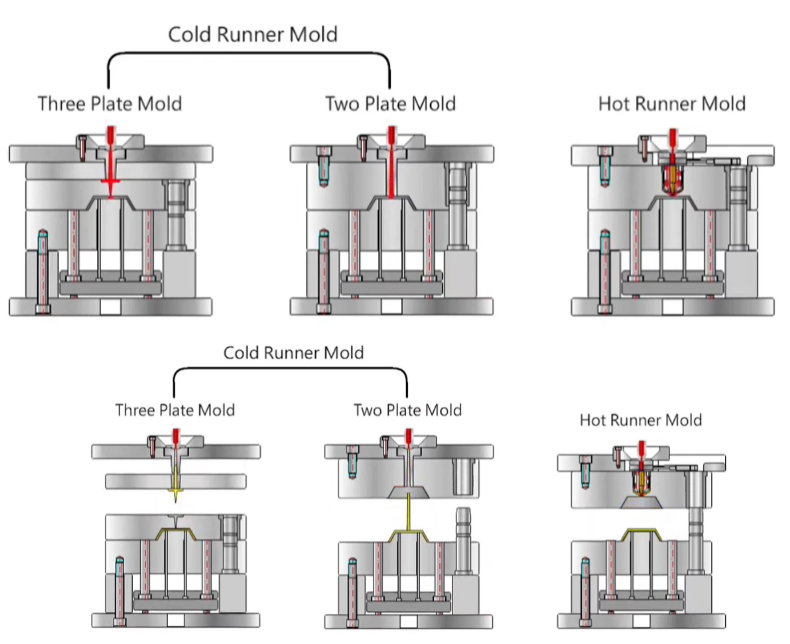
The mold creates the shape of the component. It contains a cavity that matches the product design, along with channels for the plastic and a cooling system.
Before production, the team checks the mold surface, gate, cooling channels, vents, and ejection system. It also confirms that the mold fits the injection molding machine.
The mold must match the part’s shape and size. A deep drawer box, for example, may need more opening space than a flat front panel.
Step 3: Melt and Inject the Plastic
The machine moves plastic pellets through a heated barrel. A rotating screw helps melt and mix the material before it enters the mold.
Once the melt reaches the required condition, the machine injects it into the closed cavity. The plastic flows through the gate and fills the spaces that form the part.
The machine needs suitable injection speed and pressure. If the melt cannot fill the cavity, the part may have missing sections. However, excessive speed or poor venting can also lead to defects.
Step 4: Apply Holding Pressure and Cool the Part
After filling, the machine applies holding pressure for a set period. This helps feed material into the cavity as the plastic starts to shrink.
The cooling system then removes heat from the molded part. The product must become firm enough to keep its shape after the mold opens.
Cooling time affects both quality and output. If the part leaves the mold too early, it may bend. On the other hand, unnecessarily long cooling can slow production.
Step 5: Open the Mold and Remove the Component
After cooling, the mold opens and the ejector system releases the part. Some factories use robots to remove parts and place them on a conveyor.
The removal method must suit the part shape. A large panel may need support to prevent bending, while a small connector may be collected in a bin.
The factory should check the ejection process during trials and adjust it if the part shows marks or damage.
Step 6: Inspect the Molded Components
After ejection, the factory checks the components for defects. Inspection may include part dimensions, surface quality, color, and the condition of the connection points.
The team should pay special attention to parts that must fit together. A drawer box may look good on its own but still fail to fit the frame if its width is wrong.
For this reason, manufacturers should use both individual part checks and assembly tests.
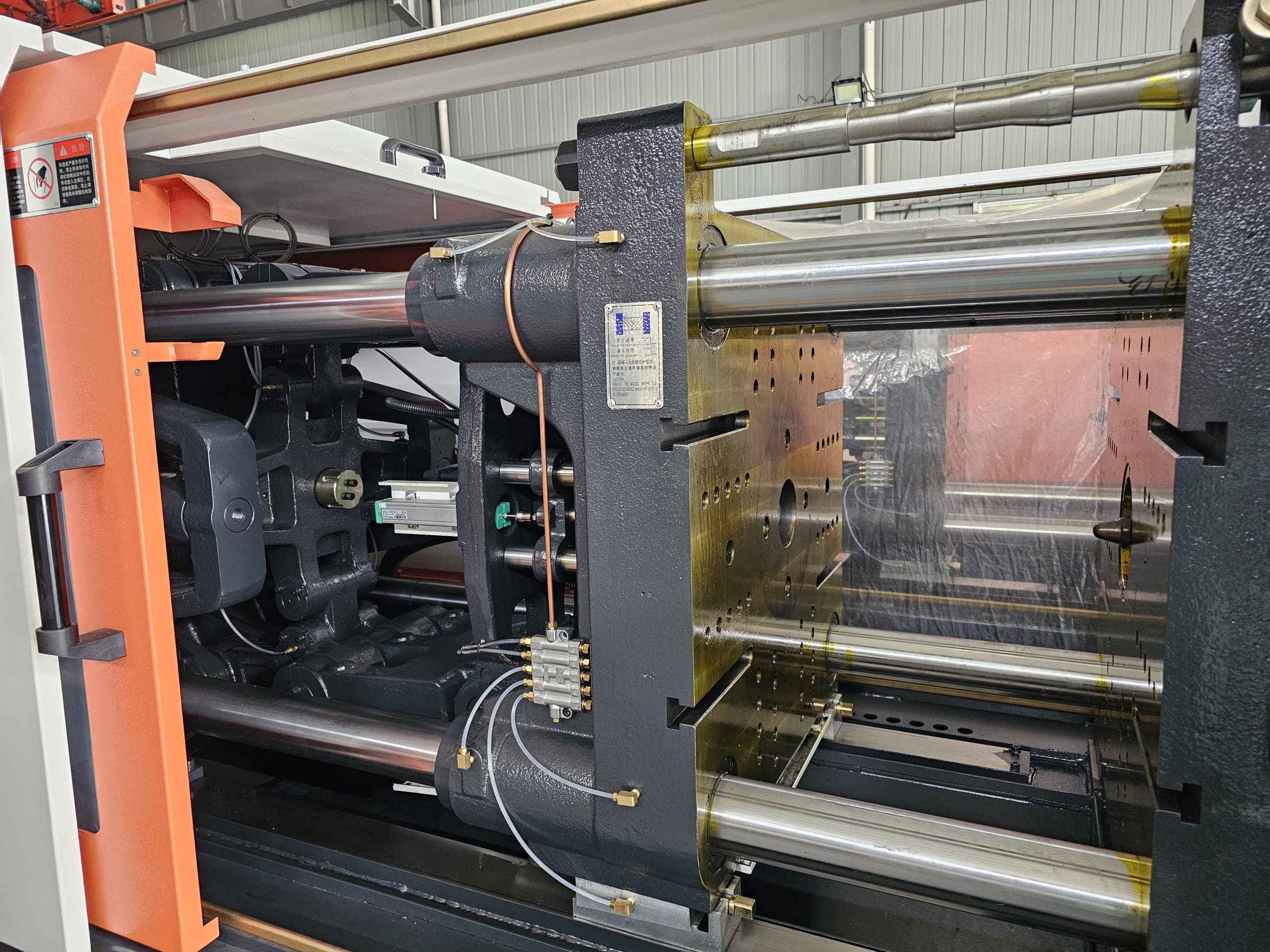
How Are Plastic Drawer Cabinets Assembled?
Once all the molded parts pass inspection, the factory can assemble the cabinet. The assembly process depends on the design and may involve clips, connectors, screws, or other joining methods.
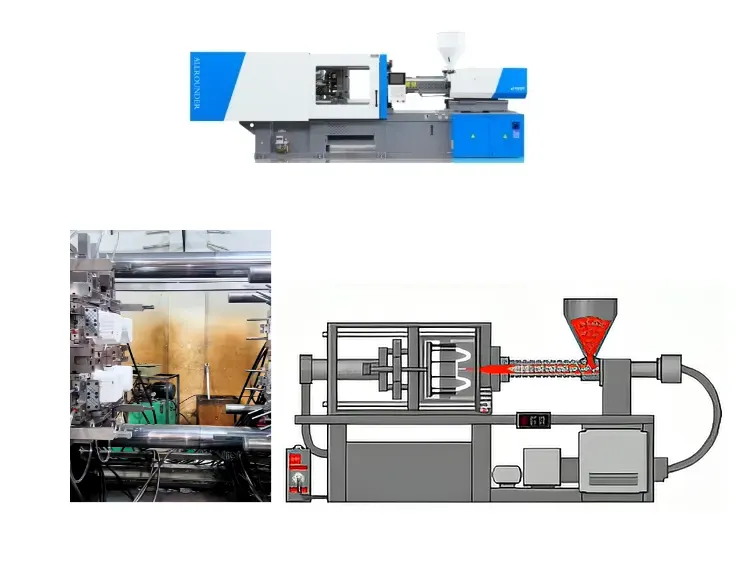
Fit the Frame, Top Cover, and Base Together
The frame provides the main support. The top cover and bottom base connect to the frame and help keep the cabinet aligned.
Workers or assembly equipment place these components together and check that the connections hold securely.
If the frame, cover, or base has warped, the parts may not fit properly. Therefore, the factory should check alignment before it continues with the drawers.
Install the Drawer Boxes and Front Panels
The drawer boxes must fit inside the frame and move smoothly. If the front panels are separate, workers attach them to the drawer bodies according to the design.
The team checks that each drawer opens and closes without sticking. It also looks for uneven gaps between the fronts and the cabinet frame.
These tests help identify dimensional problems that may not appear during separate part inspection.
Add Handles, Connectors, and Wheels
The factory then installs handles and other small components. If the cabinet has wheels, the team fits the caster assemblies or mounting parts.
Each connection must match the product design. A loose handle or poorly fitted wheel can affect the use of the finished cabinet.
The team should check these features before the product moves to final inspection.
Check Drawer Movement and Cabinet Stability
The assembled cabinet should stand securely and allow the drawers to move as intended. The factory checks the connections, overall alignment, and drawer movement.
Depending on the product requirements, the inspection may include opening and closing tests, load checks, or tests for selected accessories.
These checks help ensure that the cabinet works as designed before packing.
What Affects the Quality of Plastic Storage Cabinets?
The quality of a cabinet depends on material selection, mold design, machine settings, and assembly. A defect in one part can affect the entire product.
Warpage and Uneven Edges
Warpage occurs when different areas of a part shrink at different rates. It may affect frames, drawer boxes, covers, or bases.
Uneven cooling, wall thickness, material shrinkage, and holding pressure can all contribute to the problem. The factory should review the mold and process settings together rather than change one parameter without checking the cause.
Surface Marks and Color Differences
Visible components may show flow lines, sink marks, scratches, or uneven color. These defects can affect the appearance of the finished cabinet.
The factory should check material quality, mold surfaces, filling conditions, and material handling. It should also inspect visible parts under consistent lighting.
Dimensional Accuracy and Drawer Fit
Drawer boxes and frames must fit together with suitable clearance. If one component is too large, too small, or warped, the drawer may stick or leave uneven gaps.
The factory should check the key dimensions and test the assembled cabinet. These tests help show whether the problem comes from a single part or from the combined fit of several components.
Strength and Daily Use
The cabinet must support the items for which it was designed. The frame, base, drawers, and connections all contribute to the finished product’s strength.
Material choice, wall thickness, ribs, and connection design affect performance. Therefore, manufacturers should test the finished cabinet according to the product’s intended use and relevant requirements.
What Injection Molding Machine Is Used for Plastic Drawer Cabinets?
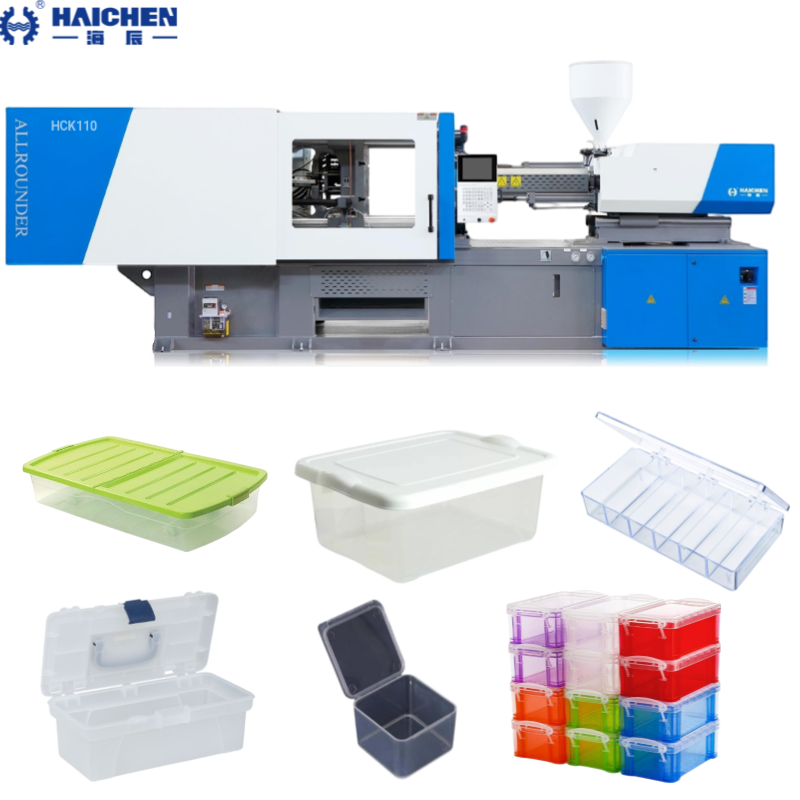
Manufacturers use injection molding machines that match the size, material, mold, and production needs of each cabinet component. One finished cabinet may require several molds, but it does not always need one machine for every part.
Machine Requirements for Large Cabinet Components
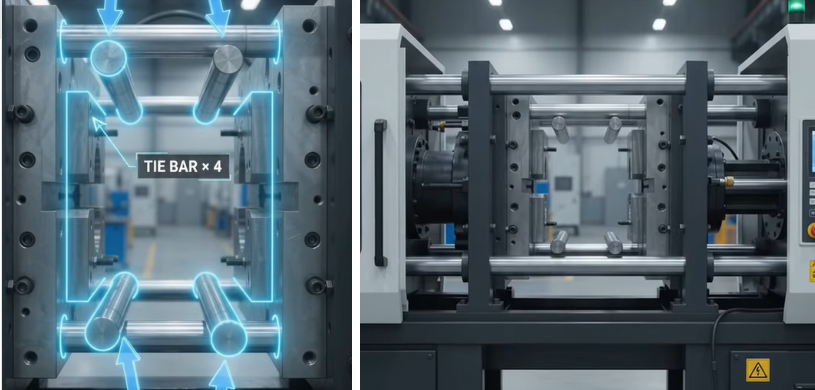
A large frame, side panel, or top cover may need a machine with more clamping force or mold space than a small accessory. However, the actual requirement depends on the projected area, cavity count, and mold design.
The machine must also provide enough shot capacity and opening stroke for the part.
Machine Requirements for Drawer Boxes and Small Parts
Drawer boxes may need enough mold opening space to release their deeper shape. Small handles and connectors may use multi-cavity molds that produce several components in one cycle.
Therefore, the machine selection should reflect the complete mold layout rather than the size of a single part.
Why Different Components May Need Different Machine Configurations
Each part has its own shot weight, projected area, and process requirements. The factory should calculate these requirements and compare them with the available machines.
For a detailed explanation, read Plastic Drawer Cabinet Injection Molding Machine: A Part-by-Part Selection Guide. That article explains machine selection for frames, drawer boxes, front panels, covers, bases, and small accessories, as well as production capacity planning.
Frequently Asked Questions About Plastic Drawer Cabinet Manufacturing
What plastic is commonly used for storage cabinets?
PP is a common choice for many household plastic products because it is lightweight and can provide a useful balance of stiffness and flexibility. Other materials may suit specific parts that need different strength or surface properties.
Are all cabinet parts made with the same mold?
No. The frame, drawer boxes, front panels, top cover, base, and small fittings usually have different shapes. They therefore need separate cavities and often separate molds, although the final arrangement depends on the product design.
Why do plastic drawers sometimes warp?
Warpage may result from uneven cooling, material shrinkage, wall thickness, mold design, or molding settings. The factory should inspect the part design and process together to find the main cause.
How do manufacturers make drawers fit smoothly?
They control the dimensions of both the frame and drawer box. The mold must account for material shrinkage, and the factory should test the assembled parts to confirm that the drawers move as intended.
Can plastic storage cabinets be recycled?
Some plastic cabinet components may be recyclable, depending on the material, product condition, and local recycling system. Different plastics and mixed materials may need to be separated before processing.
How are plastic storage cabinets assembled?
Manufacturers fit the frame, cover, base, drawer boxes, and front panels together. They then add handles, connectors, or wheels when required and check the drawer movement and cabinet stability.
Explore Plastic Household Product Manufacturing with Haichen
Plastic drawer cabinet manufacturing requires suitable materials, well-designed molds, stable injection molding conditions, and accurate assembly. The frame, drawer boxes, front panels, covers, bases, and accessories each play a different role in the finished product.
Haichen provides injection molding machine solutions for different plastic product applications. Manufacturers planning a plastic storage cabinet project should review the part drawings, materials, mold requirements, and target output before selecting the equipment.
Contact Haichen to discuss injection molding machines for your plastic drawer cabinet and household product production needs.
Author: Yang, Senior Engineer, Haichen Machinery