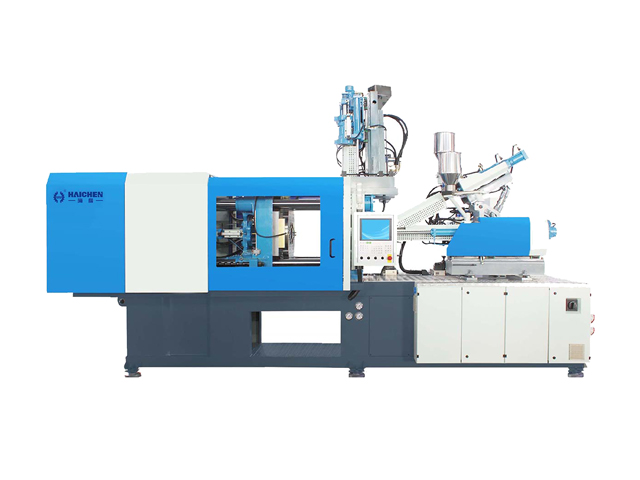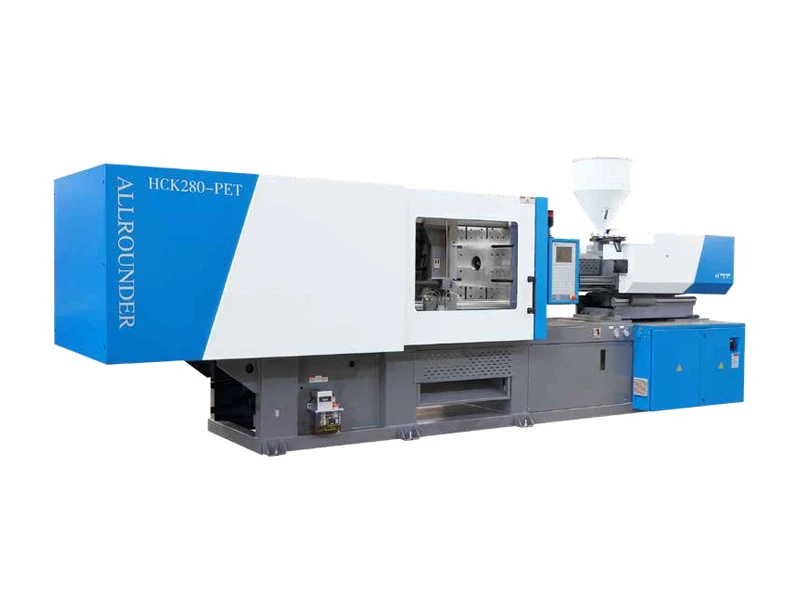
Plastic car mirror manufacturing involves several steps, from choosing the right plastic to molding, finishing, and assembly. Most modern car mirrors contain a plastic housing, reflective glass, mounting parts, and sometimes electronic components. Manufacturers use injection molding to produce many of the plastic parts because it can form complex shapes with a high level of repeatability.
The plastic housing protects the mirror’s internal parts and gives the product its shape. However, making a good housing takes more than melting plastic and filling a mold. Manufacturers also need to control material quality, cooling, part size, and surface finish. When these steps work well together, the factory can reduce defects and keep production moving.
What Are Car Mirrors Made Of?
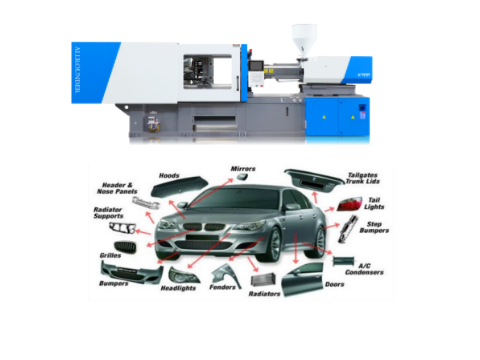
A modern car mirror is a complete assembly rather than a single piece of glass. It may contain plastic, glass, metal, wiring, and electronic parts. Each material serves a different purpose, so manufacturers often use several processes to make the finished product.
The Mirror Glass
The reflective glass helps the driver see vehicles and objects behind the car. Manufacturers process the glass to meet the required size, shape, and viewing needs.
However, glass production does not usually use plastic injection molding. Instead, the factory prepares the glass through separate steps and installs it in the mirror assembly later.
The Automotive Mirror Housing
The automotive mirror housing forms the outer shell of the mirror. It protects internal parts and gives the mirror its final shape.
Manufacturers often use injection molding to make this housing. The process can form curved surfaces, ribs, clips, and mounting points in one part. In addition, a well-designed mold helps keep the housing size and surface finish consistent.
Some housings also need paint or another surface treatment. Therefore, manufacturers must pay attention to the molded surface because flow marks, scratches, and uneven shapes may remain visible after finishing.
Internal Plastic Components
Car mirrors can contain smaller plastic parts that support adjustment systems, folding mechanisms, wiring, and other components. These parts may not be visible after assembly, but they still need the right size and strength.
For example, a mounting support must fit the parts around it. If the plastic part bends or shrinks too much, workers may find it difficult to assemble the mirror. For this reason, plastic car mirror manufacturing requires careful control of both material and part design.
Electronic and Functional Components
Many modern car mirrors include extra features such as heating, power folding, turn signals, cameras, or blind-spot warning systems. Depending on the vehicle, a mirror may also contain sensors or lights.
These features add more parts and create extra assembly steps. However, they do not all come from injection molding. The factory may mold the housing first and then install the electrical and mechanical components during assembly.
What Plastic Is Used for Car Mirror Housings?
The plastic material affects the housing’s strength, weight, surface quality, shrinkage, and cost. Therefore, manufacturers should choose a material based on the part design and the vehicle maker’s requirements.
PP for Lightweight Automotive Plastic Parts
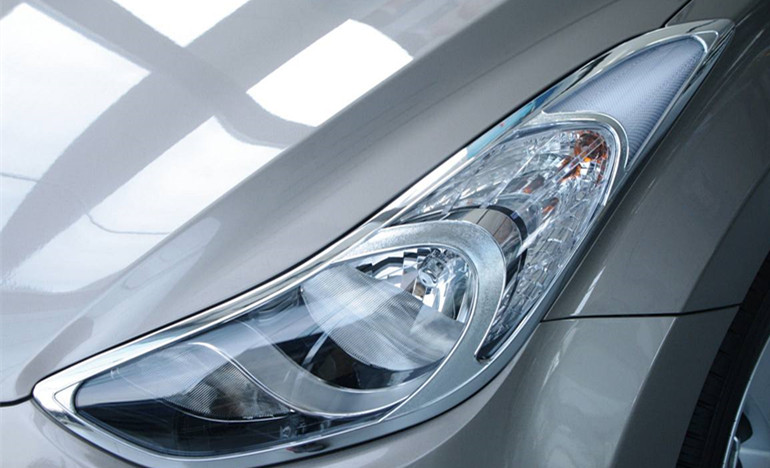
Polypropylene (PP) is a lightweight plastic with good chemical resistance. Manufacturers use it for many automotive parts because it can help reduce weight and material cost.
Depending on the material grade and part design, PP may suit selected mirror components. However, engineers should check stiffness, impact needs, surface finish, and outdoor exposure before choosing it for an exterior housing.
PP also shrinks as it cools. As a result, the mold design and process settings must account for material shrinkage to help the housing keep its required shape and size.
ABS for Plastic Mirror Housing Production
Acrylonitrile butadiene styrene (ABS) offers a useful balance of stiffness, impact strength, and surface quality. Manufacturers often use it for plastic parts that need a clean appearance.
However, the final result depends on the grade, mold design, and molding conditions. If the plastic does not flow through the cavity as expected, the housing may show flow marks or other surface defects.
Some ABS grades also need drying before production. Therefore, the factory should follow the material supplier’s instructions and control the material condition before feeding it into the machine.
PC/ABS for Automotive Mirror Housing Injection Molding
PC/ABS is a blend of polycarbonate and ABS. Depending on the grade, it can provide good impact performance, heat resistance, and surface quality.
Manufacturers may choose this blend when the part needs a balance of strength and appearance. Nevertheless, PC/ABS can have different drying and processing needs from PP or standard ABS.
Before production begins, the team should check the material guide. This helps the operator set suitable drying conditions, barrel temperatures, and mold temperatures.
How to Choose the Right Plastic Material
No single plastic works best for every automotive mirror housing. Instead, manufacturers should compare several factors before making a choice.
- Strength: Can the part handle normal use and expected impact?
- Weight: Does the design need to reduce the weight of the mirror assembly?
- Surface quality: Will the housing need a smooth, painted, or textured finish?
- Shrinkage: Can the material meet the required dimensions after cooling?
- Weather exposure: Does the grade meet the expected outdoor service conditions?
- Cost: Does the material fit the product’s cost target?
Once the team confirms the material, it can select a suitable mold design and injection molding process.
How Does Plastic Car Mirror Manufacturing Work?
Most plastic car mirror housings follow a series of steps, from material selection to final inspection. Each stage affects the next one. Therefore, a clear production plan helps the factory keep part quality stable.
Step 1: Select the Plastic Material
First, the manufacturer selects a plastic grade based on the part drawing, performance needs, and vehicle requirements.
The team checks the material’s flow, strength, shrinkage, and surface properties. It also confirms whether the grade needs drying before molding.
This step matters because the wrong material can cause poor surface quality, size changes, or other problems later in production.
Step 2: Dry the Plastic Material When Required
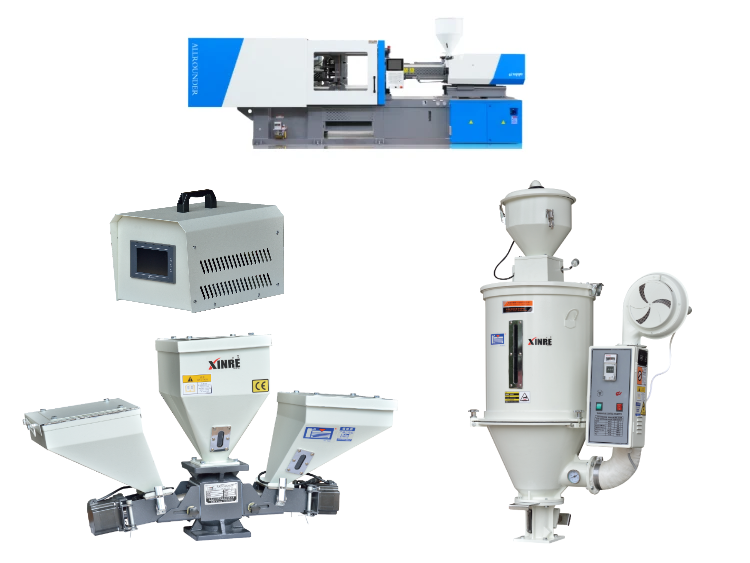
Some plastics absorb moisture from the air. If the selected grade needs drying, the factory must remove moisture before the material enters the injection molding machine.
Moisture can cause surface defects or affect the properties of certain plastics during processing. Therefore, operators should follow the material supplier’s drying temperature and time rather than use the same settings for every plastic.
Not every plastic requires the same drying process. The correct method depends on the material grade and storage conditions.
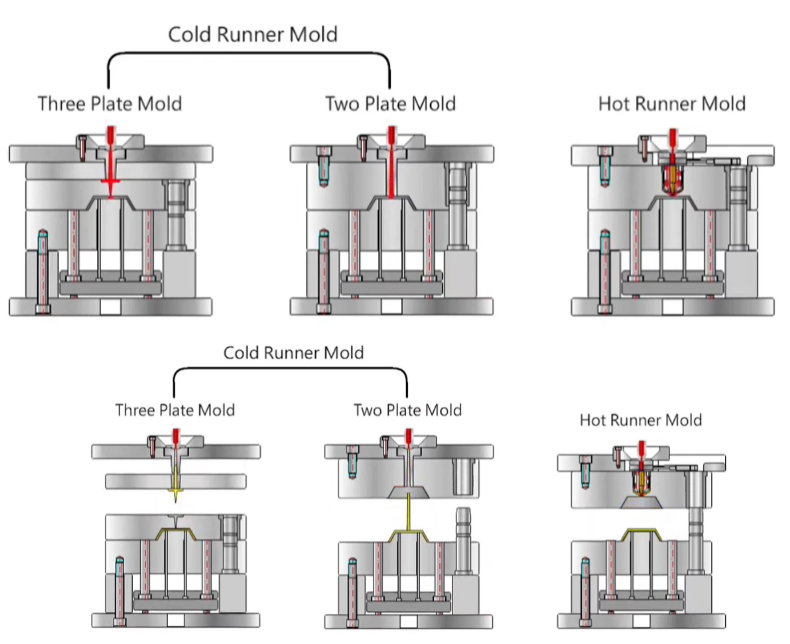
Step 3: Prepare the Injection Mold
The mold gives the plastic mirror housing its shape. It contains a cavity that matches the finished part, along with channels for the plastic and the cooling system.
Before production, the team checks the mold surface, cooling channels, vents, and moving parts. It also confirms that the mold fits the machine and has enough opening space for part removal.
A good mold design helps control filling, cooling, and ejection. In contrast, poor venting or uneven cooling can cause defects even when the machine runs correctly.
Step 4: Melt the Plastic in an Injection Molding Machine
Next, the operator feeds plastic pellets into the machine hopper. A screw moves the material through a heated barrel, where the pellets melt and mix.
The screw then prepares the required amount of molten plastic for injection. The machine must control temperature and screw movement to keep the melt in a suitable condition.
If the temperature is too low, the plastic may not flow well. If it is too high, the material may break down or show other problems. Therefore, the operator should follow the material’s processing range and confirm the settings during trials.
Step 5: Inject the Plastic into the Mold
Once the melt is ready, the machine pushes it into the closed mold. The plastic flows through the runner and gate before filling the cavity.
The machine needs enough injection pressure and speed to fill the housing completely. However, the best settings depend on wall thickness, flow path, gate position, and material.
For example, a housing with thin ribs or long flow paths may need a different filling setup from a simple cover. The goal is to fill the mold evenly without creating unnecessary stress or surface defects.
Step 6: Apply Holding Pressure
After the cavity fills, the machine applies holding pressure for a set period. This helps feed more plastic into the cavity as the material begins to shrink.
If holding pressure is too low, the housing may develop sink marks or show changes in size. On the other hand, excessive pressure may cause flash or make the part harder to remove.
The operator should check part weight, dimensions, and surface quality when setting this stage. This helps the factory find a suitable process window for the mold and material.
Step 7: Cool the Plastic Mirror Housing
The plastic must cool enough to keep its shape after the mold opens. Cooling channels inside the mold remove heat from the part.
Cooling time affects both quality and output. If the factory removes the housing too early, it may bend or warp. However, a much longer cooling time can slow production.
For this reason, engineers review wall thickness, cooling channel layout, and mold temperature when they try to improve cycle time. They should confirm any change through part checks rather than judge the result by speed alone.
Step 8: Open the Mold and Remove the Part
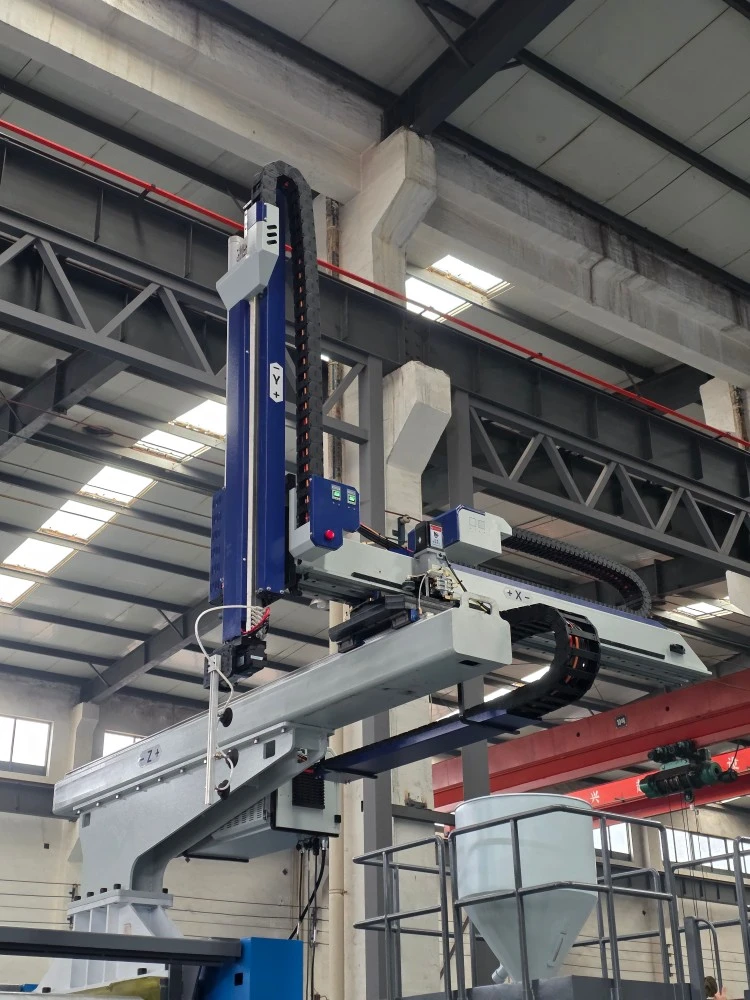
After cooling, the machine opens the mold and the ejector system releases the housing. Some production lines use a robot to remove the part and place it in a set position.
Automatic removal can reduce manual handling and support a steady cycle. However, the part must be firm enough before the robot or ejector removes it. Otherwise, the housing may bend or small features may suffer damage.
The factory should also keep the removal path clear so the part does not hit the mold or nearby equipment.
Step 9: Trim and Finish the Housing
Some molded parts need extra work after removal. The factory may remove runner material, check the edges, or prepare the surface for painting and other finishing steps.
The exact process depends on the mold design and appearance requirements. For instance, a painted housing may need extra surface preparation and inspection.
Workers should also check for visible defects before sending the part to assembly. This prevents poor parts from moving further down the production line.
Step 10: Assemble and Inspect the Finished Mirror
After molding and finishing, the factory combines the housing with the glass, adjustment parts, wiring, and other components required by the design.
The team checks the fit between parts and confirms that the assembly works as intended. Depending on the product, checks may include dimensions, surface quality, folding movement, electrical functions, and other customer requirements.
The finished mirror must pass the relevant checks before it can move to the next stage.
How Does the Car Mirror Injection Molding Process Work?
The car mirror injection molding process uses heat and pressure to form plastic inside a shaped cavity. Although the basic idea is simple, each stage needs the right balance of temperature, pressure, speed, and cooling.
Feeding and Melting Plastic Pellets
The process begins with plastic pellets in the hopper. The screw carries the pellets through the barrel while heat and mechanical movement help melt the material.
The factory must keep the material clean and in the right condition. If it contains unwanted particles or moisture, the finished housing may show defects.
Filling the Mold Cavity
The injection unit pushes the molten plastic through the gate and into the cavity. Meanwhile, the mold must allow air to escape as the plastic moves forward.
If air cannot escape, the part may show burn marks or incomplete filling. Therefore, gate design, venting, injection speed, and pressure all affect the result.
Holding Pressure and Cooling
After filling, holding pressure helps reduce shrinkage while the plastic begins to cool. The cooling system then removes heat until the housing can keep its shape.
These stages work together. If the factory changes holding pressure or cooling time without checking the result, the part may develop new defects or take longer to produce.
Removing the Finished Part
Finally, the mold opens and the ejector system removes the housing. The machine then closes the mold and starts the next cycle.
When the machine, mold, material, and process settings work well together, the factory can produce similar parts with repeatable quality.
Why Do Manufacturers Use Injection Molding for Plastic Car Mirrors?
Manufacturers choose injection molding because it can produce detailed plastic parts at a high production rate. It also supports repeatable shapes when the mold and process are well controlled.
High Production Volume
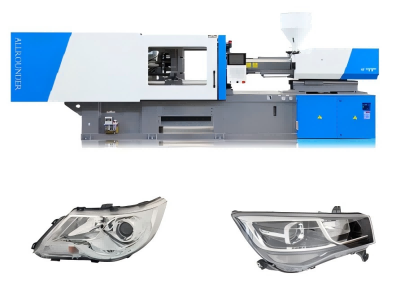
A suitable mold can produce one or more housings in each cycle. This makes injection molding useful for automotive suppliers that need a steady supply of parts.
Once the factory approves the process, it can repeat the cycle to meet production demand. However, actual output depends on cooling time, cavity count, mold design, and downstream handling.
Consistent Part Quality
A stable process helps keep part dimensions, weight, and surface quality within the required range. This matters because the housing must fit other parts during assembly.
The factory still needs routine inspection and process control. The machine alone cannot correct every mold or material problem.
Complex Shapes
A mirror housing may contain curved surfaces, ribs, clips, mounting points, and other details. Injection molding can form many of these features in one cycle.
This can reduce the need to join several separate pieces. Nevertheless, the mold must be designed carefully so the plastic fills the cavity and the part comes out without damage.
Control of Part Cost
Injection molding requires investment in a machine and mold. However, once the factory reaches a suitable production volume, it can lower the cost per part by making many similar parts through repeatable cycles.
The final cost depends on material use, cycle time, scrap rate, mold life, labor, and automation. Therefore, manufacturers should compare the full production cost rather than look only at the machine price.
Lightweight Plastic Design
Plastic can help reduce the weight of selected mirror components compared with some alternative materials. Designers can also add ribs and supports to the part to meet stiffness needs.
However, lightweight design must still meet strength, fit, and service requirements. Material choice and part design should work together from the start.
What Makes Automotive Mirror Housing Injection Molding Difficult?
Although manufacturers widely use injection molding, mirror housings can present several challenges. Their shape, appearance, and mounting details all affect the final quality.
Complex Geometry and Thin Sections
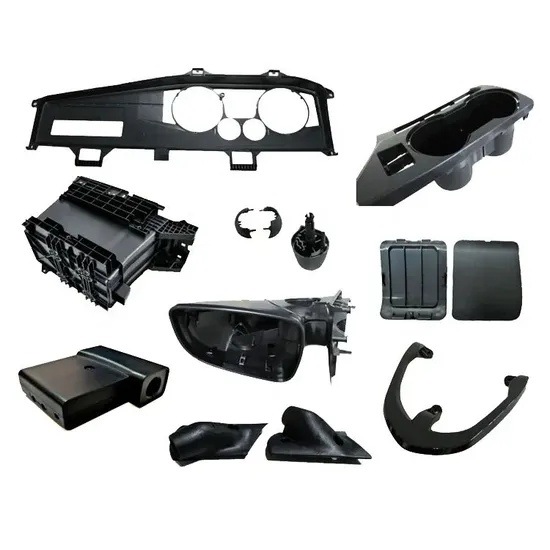
Curved surfaces, narrow ribs, and clips can make the plastic harder to fill. If the melt cools before it reaches the end of a thin section, the part may have a short shot.
Engineers can review gate position, flow path, material flow, and injection settings to improve filling. Mold flow analysis may also help identify possible issues before full production begins.
Uneven Wall Thickness
Thick sections cool more slowly than thin sections. As a result, the housing may shrink unevenly and develop sink marks or warpage.
A more balanced wall design can help, although the part must still meet strength and assembly needs. Cooling channel design and holding pressure also affect the final shape.
Surface Appearance Requirements
The exterior housing remains visible after assembly, so customers may notice flow marks, scratches, weld lines, or uneven gloss.
The factory should check the mold surface, material condition, filling settings, and finishing process. If the part needs paint, the team should also confirm that the molded surface meets the requirements for that finish.
Dimensional Accuracy and Warpage Control
Mounting points and clips must fit the parts around them. If the housing shrinks too much or changes shape, assembly may become difficult.
Warpage occurs when different areas of the part shrink at different rates. Uneven cooling, wall thickness, material shrinkage, mold design, and holding pressure can all affect the result. Therefore, the factory should review the whole process rather than change only one machine setting.
How Long Does It Take to Make a Plastic Car Mirror?
The time needed to make a plastic car mirror depends on the housing size, mold design, material, and assembly process. The injection molding cycle is only one part of the full production time.
Injection Molding Cycle Time
The molding cycle includes filling, holding, cooling, mold opening, and part removal. Cooling often takes a large share of the cycle, especially for parts with thick sections.
A suitable cooling system can help reduce delays. However, the factory must still make sure the housing keeps its shape after removal.
Trimming and Finishing Time
Some parts need trimming, surface preparation, or painting after molding. The time depends on the product design and the required finish.
If the factory automates some of these steps, it may reduce manual handling. Even so, the finishing line must keep pace with the molding machine to avoid a backlog.
Assembly and Quality Checks
The factory then installs the glass and other components. Depending on the mirror design, it may also test folding movement, heating, lights, or electronic features.
Therefore, the total production time depends on both molding and downstream work. Manufacturers should plan the full production line when setting an output target.
What Automotive Injection Molding Machine Is Used for Mirror Housings?
The right automotive injection molding machine depends on the housing size, material, mold, and required output. Manufacturers should not choose equipment by clamping force alone.
Clamping Force and Mold Size
The machine must hold the mold closed during injection and provide enough space to fit the mold. Engineers should check projected area, cavity count, mold dimensions, tie-bar spacing, and opening stroke.
These details help prevent a mismatch between the mold and the machine.
Injection Volume, Pressure, and Speed
The injection unit must provide enough plastic for the complete shot. It also needs suitable pressure and speed to fill the mold without causing unnecessary defects.
The material and part design affect these requirements. Therefore, the factory should confirm the machine specification using the actual part and mold information.
Automation and Production Line Setup
A production line may use robots to remove parts, conveyors to move them, and inspection stations to check quality. These systems can reduce manual handling and support steady production.
However, the robot, machine, and downstream equipment must work at a compatible speed. The best setup depends on the production volume and the factory’s quality needs.
For a more detailed machine selection guide, read Automotive Injection Molding Machine for Mirror Housing Production. This related article explains machine capacity, injection unit selection, mold fit, process control, and automation.
Are Plastic Car Mirror Housings Recyclable?
Some plastic mirror housings can be recycled, but the process depends on the material and product design. A housing made from a clearly identified thermoplastic may be easier to sort than a part that combines several materials or coatings.
How Thermoplastic Materials Can Be Recycled
Many thermoplastics soften when heated, which allows suitable waste material to be processed again. However, the material must be collected and sorted correctly.
The factory should identify the plastic grade and check whether recycled material can meet the required performance and quality standards. Not every used automotive part is suitable for the same recycling route.
Why Car Mirror Recycling Can Be Difficult
A complete mirror may contain plastic, glass, metal, wiring, motors, and coatings. These materials need to be separated before the plastic can be recycled properly.
Paint, dirt, mixed polymers, and material aging can also affect recycling. As a result, the best method depends on the design and the available recycling system.
Design for Easier Recycling
Manufacturers can consider clear material identification, easy part separation, and fewer unnecessary material combinations during product design. These choices may make later sorting and recycling easier.
However, the design must still meet the mirror’s safety, strength, and service requirements. Recycling should be considered alongside performance and product life.
How Are Smart Car Mirrors Different?
Modern car mirrors may do more than provide a rear view. Depending on the vehicle, they can include heating, power folding, turn signals, cameras, lights, and blind-spot warning features.
These features add parts and may change the housing design. For example, the housing may need openings, mounting points, or internal supports for electronic components.
As a result, smart mirror production needs close coordination between product design, injection molding, and assembly. The plastic parts must fit the other components while keeping the required shape and surface quality.
The molding process still follows the same basic steps: melt the plastic, fill the mold, hold pressure, cool the part, and remove it. However, a more complex design may require a more detailed mold review and tighter control of dimensions.
Frequently Asked Questions About Plastic Car Mirror Manufacturing
How are plastic car mirrors made?
Manufacturers select a plastic material, prepare the mold, melt the plastic in an injection molding machine, and inject it into the mold. After holding pressure and cooling, they remove the housing, finish it if needed, and assemble it with the mirror glass and other components.
What plastic are car mirror housings made from?
Depending on the part and vehicle requirements, manufacturers may use ABS, PC/ABS, PP, or another suitable grade. The choice depends on strength, weight, appearance, shrinkage, weather exposure, and cost.
Are car mirror housings injection molded?
Yes. Injection molding is widely used to produce plastic mirror housings because it can form complex shapes and support high-volume production. The result depends on the machine, mold, material, and process settings.
How long does it take to make a car mirror?
The time depends on the molding cycle, finishing steps, assembly, and quality checks. The injection cycle may take much less time than the complete process of producing and testing a finished mirror assembly.
Can plastic car mirror housings be recycled?
Some housings can be recycled if the material is suitable and the factory or recycling system can sort and process it correctly. A complete mirror assembly is harder to recycle because it may contain glass, metal, electronics, coatings, and different plastics.
Why do plastic mirror housings warp?
Warpage often occurs when different areas of the part shrink at different rates. Uneven cooling, wall thickness, material shrinkage, mold design, and holding pressure can all affect the result.
What machine is used to make plastic car mirror housings?
Manufacturers use an injection molding machine with suitable clamping force, injection capacity, pressure, and mold space. The required specification depends on the part size, material, mold design, and production target.
Discuss Automotive Plastic Part Production with Haichen
Plastic car mirror manufacturing requires the right combination of material, mold, machine, and process control. Each project has different requirements, so manufacturers should review the part design and target output before selecting equipment.
Haichen provides injection molding machine solutions for different plastic part production needs. If you plan to make automotive mirror housings or other automotive plastic components, share your part drawing, material, mold details, and expected output to discuss a suitable machine setup.
Contact Haichen to discuss your automotive plastic parts production line and injection molding requirements.
Author: Yang, Senior Engineer, Haichen Machinery