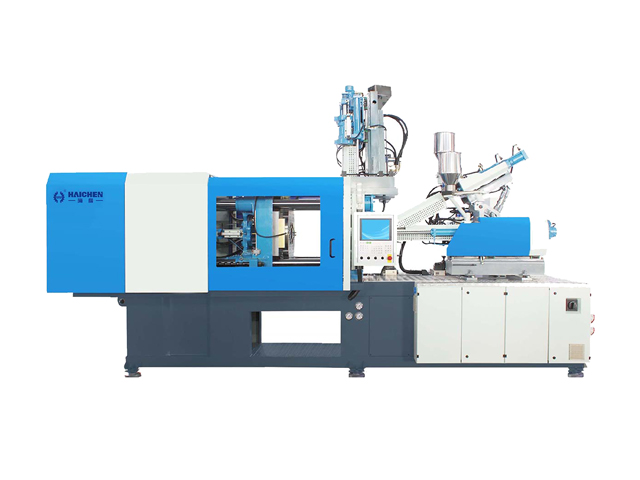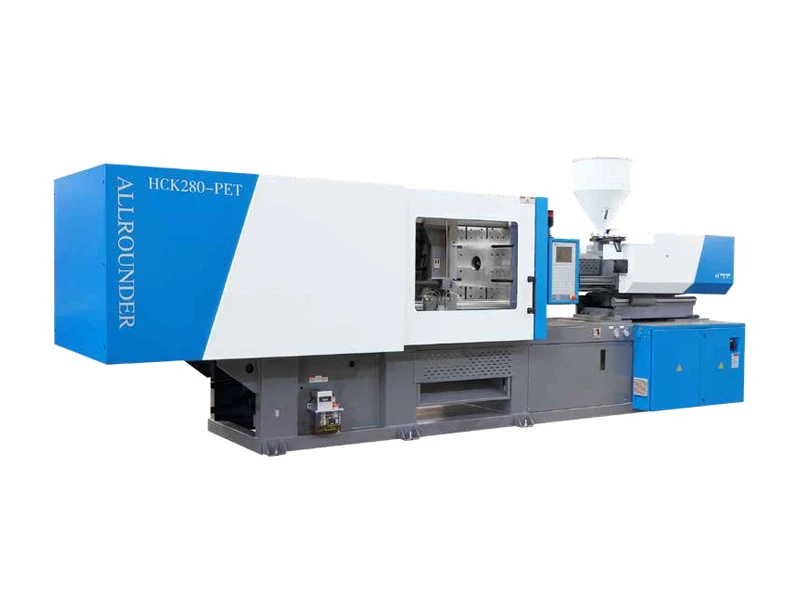
A plastic drawer cabinet injection molding machine must match the size, weight, material, and mold requirements of the cabinet parts. A complete plastic storage cabinet usually contains several molded components, including a cabinet frame, drawer boxes, front panels, a top cover, a bottom base, handles, and small connectors. Each part has a different shape, so one machine specification may not suit the whole project.
For example, a large cabinet frame may need a machine with enough clamping force and mold space. In contrast, a small handle or connector may work better with a smaller injection unit and a multi-cavity mold. Therefore, manufacturers should review each component before selecting the machines for the complete production line.
The right setup also depends on daily output. If one cabinet contains six drawer boxes, the factory must produce six boxes for every finished cabinet. As a result, the drawer box process may need more production capacity than the frame process.
What Is Plastic Drawer Cabinet Injection Molding?
Plastic drawer cabinet injection molding uses heat and pressure to form plastic components inside molds. Manufacturers use this process to make home storage cabinets for bedrooms, bathrooms, living rooms, offices, and other indoor spaces.
A cabinet may use a one-piece frame or several separate side panels and support parts. It may also include removable drawers, a top cover, a base, handles, and wheels. Because these parts have different dimensions and functions, the manufacturer must plan the molding process for each one.
What Parts Make Up a Complete Plastic Drawer Cabinet?
Before choosing a plastic drawer cabinet injection molding machine, the factory should prepare a complete component list.
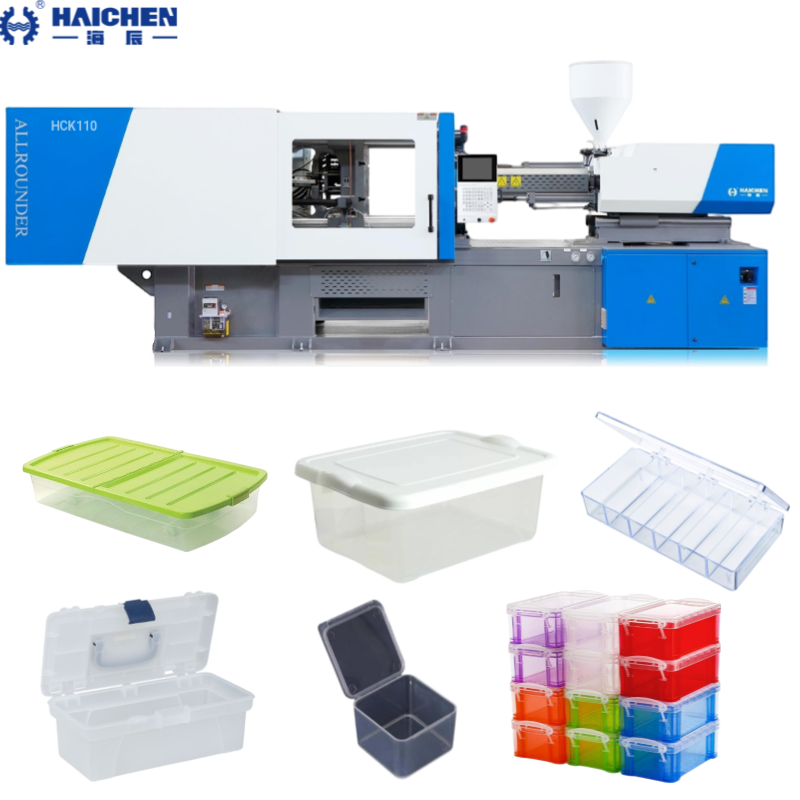
Common molded parts include:
- Cabinet frame or side panels: These parts support the drawers and keep the cabinet aligned.
- Drawer boxes: These hold stored items and slide into the frame.
- Drawer front panels: These form the visible front of each drawer.
- Top cover: This closes the top of the cabinet and may provide a flat storage surface.
- Bottom base: This supports the cabinet and connects to the frame.
- Handles and connectors: These help users open drawers and join components.
- Feet or caster components: These support the cabinet or allow it to move.
The exact structure depends on the product design. Some cabinets use an integrated frame, while others use separate vertical posts, side panels, or cross supports. Therefore, the machine selection should follow the actual product drawing rather than a general product name.
Why Do Different Cabinet Parts Need Different Machine Configurations?
The main reason is that each component has different molding needs. A large side panel may have a wide projected area, while a deep drawer box may need more mold opening space. Meanwhile, small connectors may suit multi-cavity molds.
Part weight also affects the injection unit. A large part usually needs a larger shot, but part weight alone does not determine the required machine size. Mold area, cavity count, material flow, and injection pressure also matter.
In addition, the parts must fit together after molding. A frame that warps may cause the drawers to stick. A drawer front with uneven dimensions may leave gaps after assembly. Therefore, machine selection must support both individual part quality and the fit of the complete cabinet.
What Plastic Materials Are Used for Drawer Cabinet Manufacturing?
The material affects part strength, weight, surface appearance, shrinkage, and cost. Manufacturers should confirm the material grade for each component before finalizing the mold and machine settings.
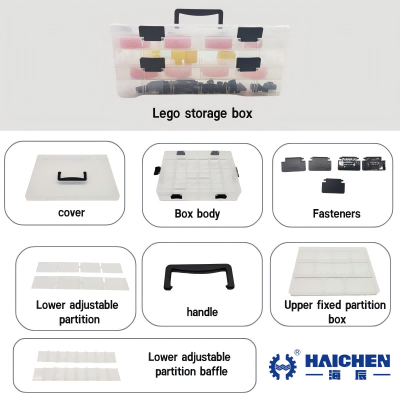
PP for Plastic Drawer Cabinet Parts
Polypropylene (PP) is a common option for household plastic products. It has a low density and can provide a useful balance of stiffness and flexibility.
Depending on the design, manufacturers may use PP for drawer boxes, cabinet frames, covers, bases, or connectors. However, different PP grades have different flow and impact properties. The selected grade must match the part’s design and intended use.
PP also shrinks as it cools. Therefore, the mold designer must account for shrinkage when setting the cavity dimensions. This is especially important when several components must fit together with small gaps.
ABS for Selected Plastic Cabinet Components
ABS can provide a useful balance of stiffness, impact strength, and surface quality. Depending on the design, manufacturers may consider it for visible panels or components that need a particular appearance or level of rigidity.
However, ABS and PP do not process in exactly the same way. Some ABS grades need drying before molding, while standard PP generally does not require routine pre-drying under normal storage and handling conditions.
The factory should follow the resin supplier’s instructions and confirm the correct process settings for each material. If the project uses different plastics for different components, the team should also plan material handling and production changes.
How Material Shrinkage Affects Cabinet Assembly
Each molded part shrinks as it cools. If the mold design does not allow for the selected material’s shrinkage, the finished part may not meet the required dimensions.
This can create problems across the complete cabinet. For example, a drawer box may be too wide for its frame, or the top cover may not fit the side panels correctly.
To reduce these risks, manufacturers should define the critical dimensions of each component and check them during mold trials. They should also test the parts together rather than approve every component in isolation.
How to Choose an Injection Molding Machine for Each Cabinet Part
The best way to select equipment is to review every major component separately. The factory can then compare machine capacity, mold requirements, production demand, and the cost of the complete line.
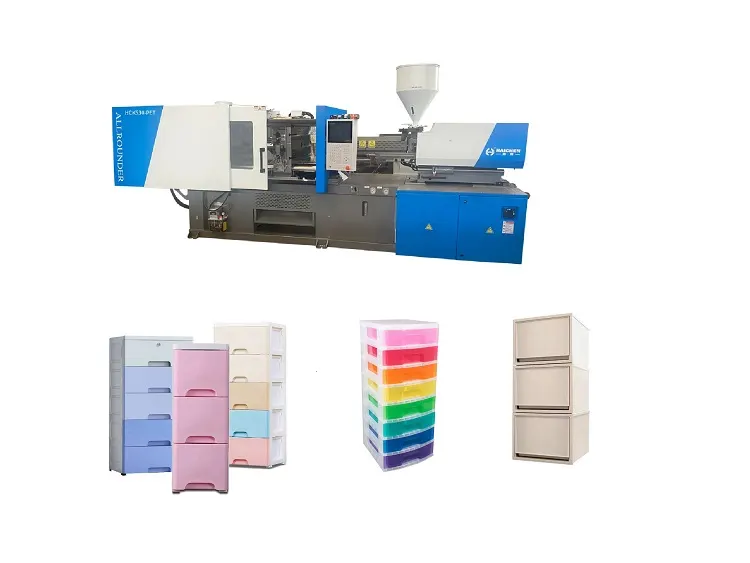
Plastic Cabinet Frame Injection Molding Machine
The frame supports the drawers and keeps the cabinet straight. Depending on the design, it may include large side panels, vertical posts, support ribs, and mounting features.
Some frames have a large projected area. This can increase the clamping force needed to keep the mold closed during injection.
When choosing a plastic cabinet frame injection molding machine, check the projected area, cavity count, estimated shot weight, and mold dimensions. The machine must provide enough clamping force and injection capacity while allowing the mold to fit correctly between the platens.
Cooling also matters. If one side of the frame cools faster than another, the part may warp. As a result, the frame may not line up with the drawers or base. The mold design and machine settings should help keep cooling and shrinkage under control.
Plastic Drawer Box Injection Molding Machine
The drawer box holds the stored items and slides inside the cabinet frame. It may have a deep body, a thin base, side walls, and guide features.
The depth of the box can affect the mold opening stroke and ejection process. Therefore, the machine must provide enough space to remove the part without bending its walls.
When choosing a plastic drawer box injection molding machine, check:
- Part weight and shot size
- Mold dimensions and mold height
- Tie-bar spacing and platen size
- Mold opening stroke
- Required clamping force
- Injection speed and pressure
The drawer must also fit the frame smoothly. If the walls or rim warp, the drawer may stick or leave uneven gaps. The factory should check the drawer’s width, height, rim flatness, and guide surfaces during production trials.
Drawer Front Panel Injection Molding Machine
The drawer front panel is usually one of the most visible parts of the cabinet. It may have a handle opening, decorative lines, a logo, or a colored surface.
Some products use a separate front panel, while others mold the front and drawer box as one component. The machine selection must match the actual design.
For a separate front panel, engineers should check projected area, part weight, injection capacity, mold temperature, and cooling balance. A wide, flat panel may warp if it cools unevenly. In addition, poor filling may leave visible flow lines or weld lines.
The goal is not simply to fill the mold quickly. The process must also produce a panel that remains flat and fits the drawer body.
Plastic Cabinet Top Cover and Bottom Base
The top cover and bottom base can have a large surface area, even when their weight is moderate. These parts may include grooves, reinforcing ribs, feet, stacking features, or mounting points.
Therefore, the machine should match both the mold’s projected area and the required shot size. Engineers should also check mold opening space, ejection requirements, and the cooling layout.
Flatness is especially important. If the top cover bends after molding, it may leave visible gaps or fail to sit firmly on the frame. Similarly, a warped base may affect the cabinet’s stability.
The mold should support balanced cooling, while the machine must provide repeatable pressure and temperature control.
Injection Molding Machine for Handles and Connectors
Handles, clips, and connectors are smaller than the main cabinet components. Depending on demand, manufacturers may use multi-cavity molds to produce several small parts in one cycle.
However, a multi-cavity mold increases the total shot size and projected area. The machine must handle the complete mold, not just one small component.
When selecting a machine for these parts, check the total part weight, cavity count, mold size, injection performance, and required output. Small connectors may also need close dimensional control because they join the cabinet sections together.
If several small parts use the same material and compatible mold dimensions, the factory may consider running them on a shared machine. However, it should compare mold change time and production demand before deciding.
Injection Molding Machine for Feet and Caster Components
Some plastic storage cabinets use feet or wheels. These components have different requirements from the frame and drawer boxes.
Feet may need to support the cabinet, while caster components must fit the wheel or mounting assembly. The required material depends on the design and expected load.
The machine should match the part weight, cavity count, mold layout, and material. If the caster includes metal or rubber parts, the injection molding process may make only the plastic components, which are then assembled with the other parts.
How to Calculate Machine Capacity for Each Plastic Cabinet Part
Once the parts are defined, engineers can calculate the machine requirements for each mold. They should consider clamping force, shot size, injection performance, and physical mold fit.
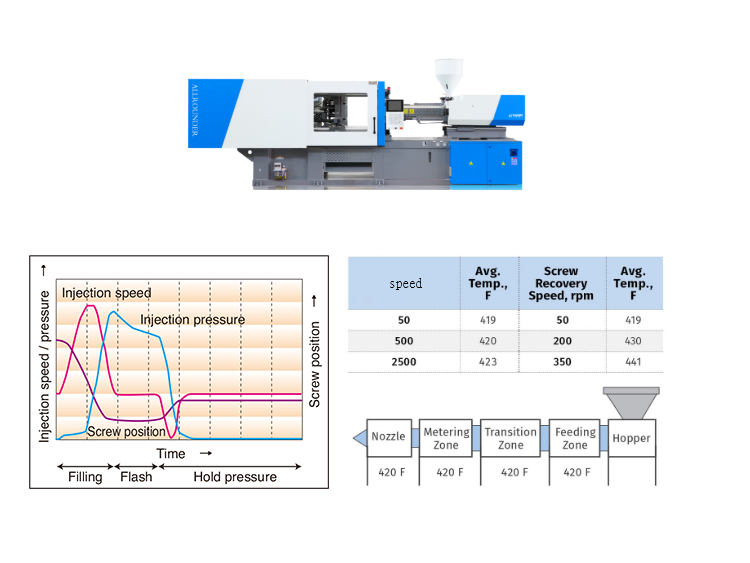
Calculate Clamping Force from Projected Area
Clamping force keeps the mold closed while molten plastic fills the cavity. If the force is too low, pressure inside the mold may open the parting line and create flash.
The calculation should account for the projected area of all parts and runner sections in the mold, along with the expected cavity pressure. A multi-cavity mold must include every cavity in the calculation.
The final selection should follow the mold design and machine supplier’s recommendations. A fixed tonnage should not be assigned to every frame, panel, or drawer box because the required force depends on the actual part and mold.
Match Shot Size to Part Weight and Cavity Count
The injection unit must supply enough molten plastic for the complete shot. The calculation includes the weight of all molded parts and, where applicable, the runner system.
A machine with an injection unit that is much larger than the actual shot may not be the best choice for every job. Therefore, the expected shot size should fall within the machine manufacturer’s recommended operating range.
The team should calculate the shot size separately for the frame, drawer box, front panel, and small parts. These components may use the same material but still need very different injection capacities.
Check Mold Size, Tie-Bar Spacing, and Opening Stroke
The mold must fit the machine’s platens and tie bars. Engineers should check mold height, width, length, opening stroke, and available ejection space.
Deep drawer boxes may require more opening space than flat panels. Meanwhile, a wide multi-cavity mold for connectors may need a larger platen area than its small parts suggest.
These checks help prevent a situation where the machine has enough clamping force but cannot accommodate the mold.
Select Injection Speed and Pressure
Injection speed affects how quickly molten plastic fills the mold. Pressure provides the force needed to move the melt through the runner, gate, and cavity.
A large frame with long flow paths may need a different filling profile from a small connector. However, high speed alone does not guarantee good quality. Excessive speed or poor venting can cause burn marks or other defects.
Engineers should select the settings based on the material, wall thickness, gate position, and mold design. They should then verify the result through mold trials and part inspection.
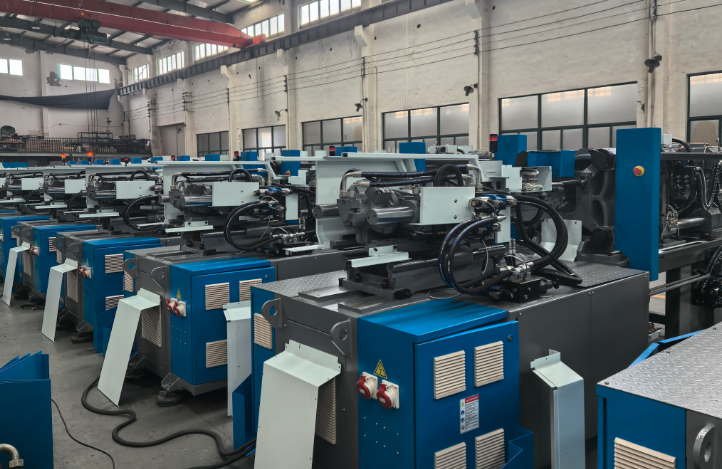
Plastic Drawer Cabinet Mold Design for Stable Production
Machine selection is only part of the project. The mold must also form the required shape, control cooling, and release the part without damage.
Gate Position and Plastic Flow
The gate controls where molten plastic enters the mold. Its location affects filling balance, pressure loss, weld lines, and visible surface marks.
For a wide panel or frame, an unsuitable gate may cause one area to fill much earlier than another. The mold designer should review the flow path and part geometry before finalizing the gate design.
Cooling Design for Large Frames and Flat Panels
Uneven cooling can cause warpage and changes in dimensions. This is especially important for wide frames, covers, and panels that must stay flat.
The cooling channels should remove heat from the main body and thicker sections in a balanced way. The team should also monitor mold temperature during production and check whether the parts maintain their shape after ejection.
Ejection Design for Deep Drawer Boxes
Deep drawer boxes need enough draft and a suitable ejection method. If the part sticks to the mold, the ejector system may bend the walls or leave marks.
The mold designer should consider wall shape, draft angles, ejector positions, and the part’s strength when it leaves the mold. A safe ejection process helps keep the drawer’s dimensions stable.
Mold Design for Accurate Assembly and Sliding Fit
The cabinet depends on the fit between several molded parts. For example, the drawer must slide inside the frame, and the front panel must fit the drawer body.
The team should define critical dimensions and the required clearance for each connection. It should also account for material shrinkage and expected production variation.
A mold trial should include assembly tests, not only visual inspection of individual parts.
Common Plastic Drawer Cabinet Injection Molding Defects
A defect in one component can affect the complete cabinet. Therefore, the factory should inspect both the parts and the assembled product.
Warpage in Frames, Covers, and Drawer Boxes
Warpage occurs when different areas of a molded part shrink at different rates. A warped frame may misalign the drawers, while a warped box may not slide smoothly.
Possible causes include uneven cooling, unbalanced wall thickness, material shrinkage, and unsuitable holding pressure. The team should check the mold design and process settings together rather than change only one machine parameter.
Sink Marks and Surface Defects
Sink marks often appear near thick ribs, bosses, or mounting features. They form when the material shrinks and the surface sinks inward.
The factory can review wall thickness, gate position, holding pressure, and cooling time. For visible panels, it should also check the material condition and mold surface.
Flash and Incomplete Filling
Flash is excess plastic along a mold parting line. It may result from poor mold fit, worn mold surfaces, high cavity pressure, or insufficient clamping force.
Incomplete filling occurs when the melt fails to reach all areas of the cavity. Possible causes include poor flow, low melt temperature, restricted gates, or insufficient injection performance.
The team should identify the cause before changing the process. Increasing clamping force will not fix every flash problem, just as increasing pressure will not fix every short shot.
Drawer Fit and Sliding Problems
A drawer may stick if its width, height, or side walls do not match the cabinet frame. Warpage and inconsistent shrinkage can change the clearance between the parts.
The factory should measure the critical dimensions and test the actual assembly. This helps show whether the problem comes from the drawer, frame, mold, or process.
Color and Surface Differences
Different cabinet components may have different colors or finishes. However, color contamination or unstable processing may create unwanted differences within the same production batch.
The factory should keep materials clean, manage color changes carefully, and check visible parts under consistent lighting.
How to Plan a Complete Plastic Drawer Cabinet Production Line
A good production line needs enough capacity for every component. The goal is not to make one part as fast as possible, but to supply all the required parts at a balanced rate.
Calculate Component Demand per Finished Cabinet
Start with the target number of finished cabinets per shift or day. Then calculate how many of each component one cabinet requires.
For example, if one cabinet contains six drawer boxes, the factory needs six boxes for every finished cabinet, along with the required frames, front panels, covers, bases, and connectors.
This means that the drawer box process may need more output than the frame process. The team should compare component quantities, cavity count, cycle time, and available working hours.
Match Each Machine’s Output to Assembly Demand
If one machine produces parts faster than assembly can use them, the factory may build up excess stock. On the other hand, a slow component process can stop cabinet assembly.
The factory should estimate the output of each machine and identify possible bottlenecks. It can then decide whether to add capacity, change the cavity count, or run compatible molds on a shared machine.
Not every part needs its own machine. The decision depends on machine compatibility, demand, mold change time, and the cost of running different jobs.
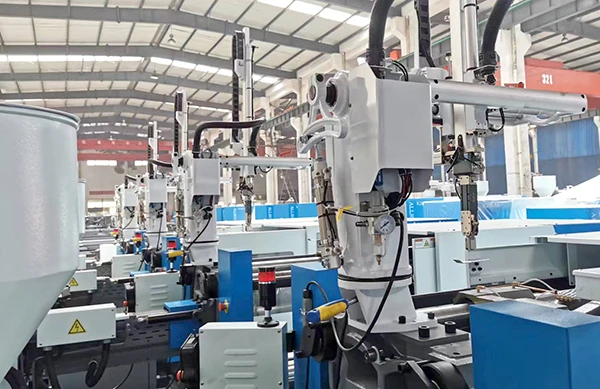
Plan Automatic Part Removal and Material Handling
Robots can remove frames, panels, or drawer boxes and place them on conveyors or collection tables. Small components may use automatic collection systems.
However, different parts may need different handling methods. A wide panel needs enough support to avoid bending, while small connectors may be easier to collect in bulk.
The factory should plan ejection, inspection, storage, and transfer as part of the complete production system.
What Determines the Cost of a Plastic Drawer Cabinet Production Line?
The total investment depends on the number of parts, molds, machines, materials, and automation systems.
Machine Configuration for Different Components
A large frame mold may need different machine capacity from a small connector mold. However, a larger machine does not always mean a better production result.
The buyer should provide the part dimensions, estimated weight, mold information, and target output. This helps the supplier review the required clamping force, injection unit, and mold fit for each component.
Mold Cost and Cavity Count
The cabinet may need separate molds for the frame, drawer boxes, front panels, top cover, base, and accessories. The actual mold count depends on the design and whether some features are combined.
Mold size, cavity count, cooling layout, runner system, surface finish, and ejection design all affect the cost. The factory should define the full part list before estimating the tooling investment.
Cycle Time, Labor, and Automation
The complete production cost includes more than the machine purchase price. Cycle time, material use, scrap, labor, inspection, and packing also matter.
Robots and conveyors can reduce manual handling, but they add cost. The factory should compare the expected output and labor needs with the investment before deciding which automation is necessary.
Production Capacity and Future Expansion
If the customer expects higher demand in the future, the factory should consider whether the initial machine layout can support expansion. However, buying excess capacity at the start may increase the investment without providing an immediate benefit.
A practical plan matches today’s demand while allowing for likely growth and additional cabinet models.
How to Select the Right Machine Configuration for Your Plastic Drawer Cabinet
Before requesting a quotation, prepare the information needed to assess each component.
- Share the complete cabinet drawing or 3D model. Show how the frame, drawers, panels, cover, base, and accessories fit together.
- Prepare a component list. Include the quantity of each part needed for one finished cabinet.
- Confirm material grades. State the material used for each component.
- Provide dimensions and part weights. These help the supplier estimate the shot size and projected area.
- Share available mold data. Include mold dimensions, cavity count, runner system, and ejection method where known.
- Set the production target. State the required output per day or shift.
- Discuss automation needs. Explain whether the project needs robots, conveyors, or automatic part collection.
With these details, the supplier can review each machine separately and plan the complete line. If some information is not ready, the team can identify what needs to be confirmed before final machine selection.
Frequently Asked Questions About Plastic Drawer Cabinet Injection Molding Machines
Does a complete plastic drawer cabinet need several injection molding machines?
Not always. The cabinet may require several molds, but the number of machines depends on part size, mold compatibility, output demand, and changeover time. High-volume projects may benefit from dedicated machines for key components.
Which cabinet part needs the largest injection molding machine?
A large frame, side panel, or top cover may require a larger machine because of its projected area or mold dimensions. However, the actual requirement depends on the part design, cavity count, material, and cavity pressure.
Can one injection molding machine produce different cabinet components?
Yes, if the machine can fit each mold and meet the required clamping force, shot size, and process needs. The factory should also consider the time lost during mold changes and material changes.
What material is commonly used for plastic drawer cabinets?
PP is a common option for many household plastic parts. Other plastics may suit specific design or appearance needs. The final choice depends on the part’s strength, surface requirements, processing needs, and cost.
How can manufacturers prevent drawers from sticking?
They should control the dimensions and warpage of both the drawer and the frame. Mold design, cooling, material shrinkage, and process settings all affect the sliding clearance. The factory should inspect the assembled cabinet rather than check only the separate components.
What information is needed for a machine quotation?
The supplier needs the cabinet drawing, component list, material grades, part weights, mold dimensions, cavity count, and target output. These details help the supplier review the machine capacity required for each component.
Discuss Your Plastic Drawer Cabinet Production Project with Haichen
A plastic drawer cabinet is a complete system of molded parts, not just a single drawer. The frame, drawer boxes, front panels, top cover, base, and small accessories may each need different mold and machine configurations.
Haichen provides injection molding machine solutions for different plastic product applications. Share your cabinet drawings, material details, component list, and target output to discuss a suitable machine configuration for each part.
Contact Haichen to discuss your plastic drawer cabinet injection molding requirements and production line plan.
Author: Yang, Senior Engineer, Haichen Machinery