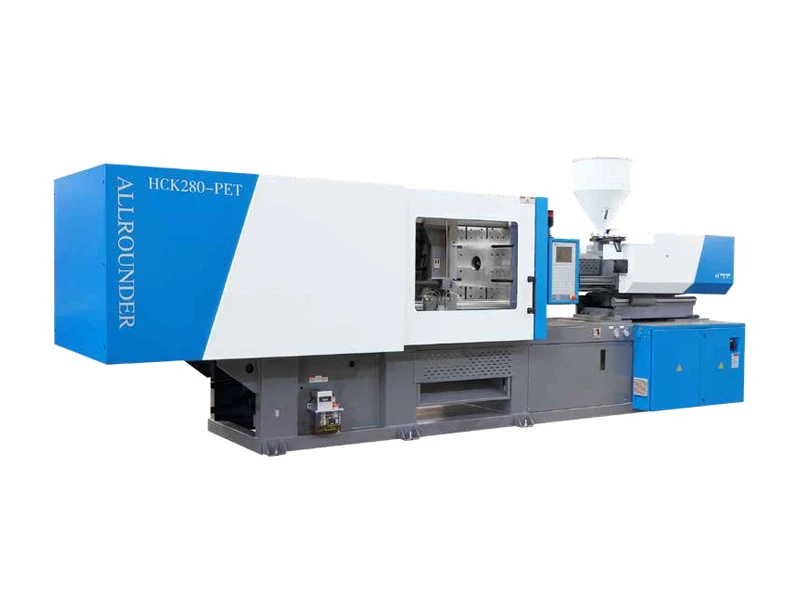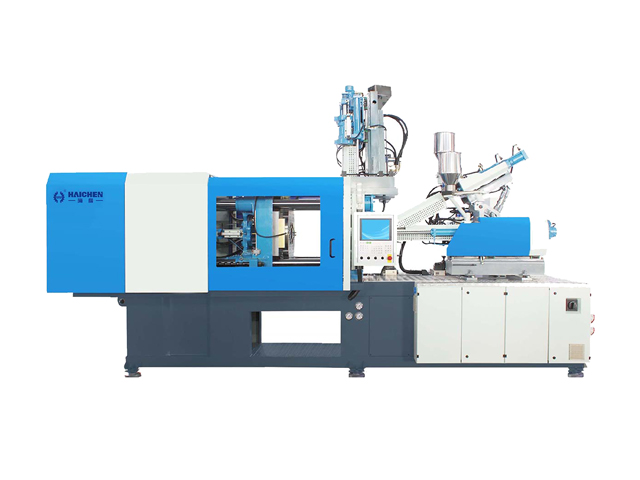
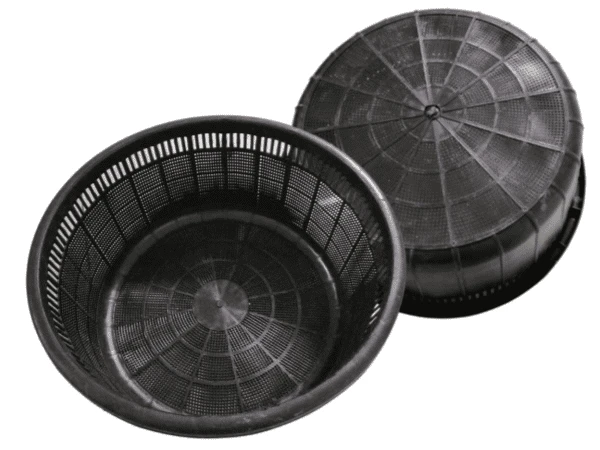
A plastic colander looks simple, but making it in large numbers takes the right machine, mold, and process settings. The product needs many drainage holes, a light body, a strong rim, and a smooth surface. At the same time, the factory must keep the part size stable and control the cost of each piece.
A plastic colander injection molding machine helps manufacturers produce kitchen strainers, vegetable draining baskets, and other plastic kitchenware. However, the right machine depends on more than clamping force. Manufacturers also need to check the plastic material, shot weight, mold size, cavity count, and target output.
For example, a small colander with thin walls may need a different setup from a large draining basket with a thick rim and long handles. Therefore, buyers should match the machine to the real product and production plan before they place an order.
What Is Plastic Colander Injection Molding?
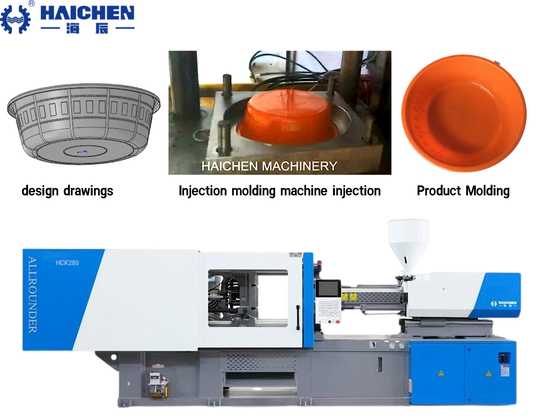
Plastic colander injection molding is a process that uses heat and pressure to form a plastic part inside a mold. Manufacturers often use this process to make kitchen strainers because it can create drainage holes, curved walls, rims, and handles in a repeatable way.
First, the machine melts plastic pellets inside a heated barrel. Then, the screw pushes the molten plastic into the closed mold. After the plastic cools, the mold opens and the machine removes the finished part.
This process suits mass production because the same mold can make many similar parts. However, the factory still needs to control the process. Poor mold design, uneven cooling, or unstable injection settings may cause defects even when the machine runs normally.
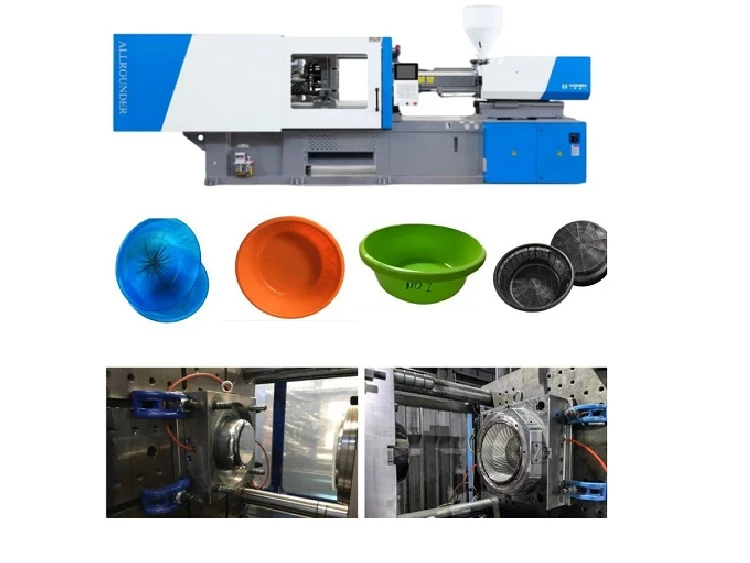
What Products Can a Plastic Kitchenware Injection Molding Machine Make?
A machine used for colander production may also make other household products, provided the machine and mold meet the requirements of each job.
Common products include:
- Plastic colanders for draining pasta, rice, and vegetables
- Plastic strainers for washing fruit and vegetables
- Round or oval draining baskets
- Plastic kitchen sieves
- Plastic washing bowls with drainage holes
- Colanders with handles or a supporting rim
Although these products share a similar purpose, their designs can differ greatly. For instance, a deep basket may need more mold opening space than a shallow strainer. Likewise, a colander with long handles may need a different mold layout from a simple round bowl.
Therefore, manufacturers should select the machine based on the actual product rather than the product name alone.
Why Does Plastic Colander Manufacturing Need Careful Process Control?
A colander contains many holes across its base and sides. These holes let water pass through, but they also make the mold more complex.
The mold must form the holes cleanly while keeping the product strong enough for normal use. In addition, the plastic must fill thin sections before it cools too much.
If the melt cannot reach the end of the cavity, the product may have incomplete edges or missing sections. On the other hand, too much pressure or poor mold fit may cause flash around the parting line.
For this reason, a good plastic colander production line needs the right combination of machine performance, mold design, cooling, and quality checks.
What Plastic Is Used for Plastic Colander Injection Molding?
The material affects the product’s strength, flexibility, weight, shrinkage, and cost. Therefore, manufacturers should choose a suitable grade before they decide on the final machine settings.
PP for Plastic Colander Manufacturing
Polypropylene (PP) is a common choice for plastic kitchenware. It has a low density, offers good chemical resistance, and can provide a useful balance of stiffness and flexibility.
For these reasons, many manufacturers consider PP for colanders, kitchen strainers, and vegetable draining baskets. However, different PP grades have different properties. The factory should check impact strength, melt flow, stiffness, and the product’s expected use before choosing a grade.
PP also shrinks as it cools. As a result, the mold designer must allow for material shrinkage when setting the dimensions of the cavity. If the design ignores shrinkage or uneven cooling, the finished colander may bend or lose its intended shape.
How Material Choice Affects the Injection Molding Process
Different grades of plastic flow and cool in different ways. Therefore, the production team must confirm the material before setting the machine.
The main points to check are:
- Melt flow: This affects how easily the plastic fills the thin walls and areas around the drainage holes.
- Shrinkage: This affects the final size and shape of the colander.
- Stiffness: This affects how well the basket keeps its shape during use.
- Impact strength: This matters when the product may be dropped or handled roughly.
- Color and surface finish: These affect the appearance of the finished kitchenware.
- Food-contact requirements: The selected grade and any color additives must meet the rules for the intended market and use.
In addition, the operator should follow the resin supplier’s processing guide. Some materials need drying, while standard PP grades generally do not need routine pre-drying under normal conditions. However, contaminated or poorly stored material may need special care.
How to Choose Material for a Food-Contact Colander
A kitchen colander may come into direct contact with food. Therefore, the buyer should confirm that the chosen resin and color additives meet the applicable food-contact requirements in the target market.
Do not assume that every grade of PP is automatically suitable for every food-contact use. The supplier should provide the required material information and compliance documents.
At the same time, the factory must keep production materials clean and control any regrind used in the process. These steps help maintain product quality and support customer requirements.
How to Choose a Plastic Colander Injection Molding Machine
The right machine must match the part, material, mold, and expected output. Instead of choosing a machine by tonnage alone, manufacturers should review the complete production requirements.
Calculate the Required Clamping Force
Clamping force keeps the mold closed while the machine injects the plastic. If the force is too low, pressure inside the cavity may push the mold halves apart. As a result, plastic may escape along the parting line and create flash.
However, a larger machine is not always the best choice. An oversized machine may increase the purchase cost and use more floor space than the job requires.
To choose the right clamping force, engineers should consider the projected area of the molded parts, the number of cavities, the mold layout, and the expected pressure during filling. They should then confirm the calculation with the mold maker and machine supplier.
For example, a multi-cavity mold may produce several small strainers in one cycle. Although each part is light, the total projected area of all cavities affects the clamping requirement.
Therefore, the manufacturer should confirm the mold design before selecting the machine model.
Match the Injection Unit to the Shot Weight
The injection unit must provide enough molten plastic for the complete shot. This includes the parts and, where applicable, the runner system.
If the shot is too large for the injection unit’s practical capacity, the machine may not fill the mold correctly. On the other hand, an injection unit that is much larger than needed may not provide the best control for every job.
When selecting the injection unit, check:
- The weight of one finished colander
- The number of cavities
- The runner weight, if the mold uses runners
- The material grade and melt flow
- The screw diameter and plasticizing capacity
- The required injection speed and pressure
In addition, confirm that the expected shot size falls within the machine manufacturer’s recommended operating range. This helps the machine melt and deliver the required material consistently.
Check Injection Speed and Pressure
Injection speed affects how quickly molten plastic enters the mold. Injection pressure provides the force needed to push the melt through the runner, gate, and cavity.
These settings matter because a colander has many thin sections and a wide surface area. If the melt moves too slowly, some areas may cool before the cavity fills. However, very high speed may create other problems if the mold has poor venting or an unsuitable gate design.
The machine should provide enough speed and pressure to fill the mold without running beyond its practical limits. Engineers can use mold flow analysis and production trials to check the filling pattern and adjust the settings.
Check Mold Dimensions and Tie-Bar Spacing
The machine must fit the mold. Before ordering, compare the mold’s length, width, height, and weight with the machine’s specifications.
Also, check tie-bar spacing, platen size, maximum and minimum mold height, and mold opening stroke. These details affect whether the mold can be installed and whether the finished product can be removed safely.
A deep colander may need more opening space than a shallow one. Likewise, a mold with long side features may need a clear path for the part to leave the mold.
If the line will use a robot, check the robot’s reach and movement path at the same time. In this way, the machine, mold, and automation system can work together without extra delays.
Consider Automation for Plastic Kitchenware Production
A robot can remove the molded colander and place it on a conveyor or collection station. This can reduce manual handling and help keep the cycle steady.
However, automation must match the molding cycle. If the robot takes too long to remove the product, the machine may need to wait before it can close the mold again.
The factory should also consider how workers will inspect, stack, and pack the finished products. A well-planned line keeps these steps moving at a similar rate and reduces the risk of a production bottleneck.
Plastic Colander Mold Design for Better Production
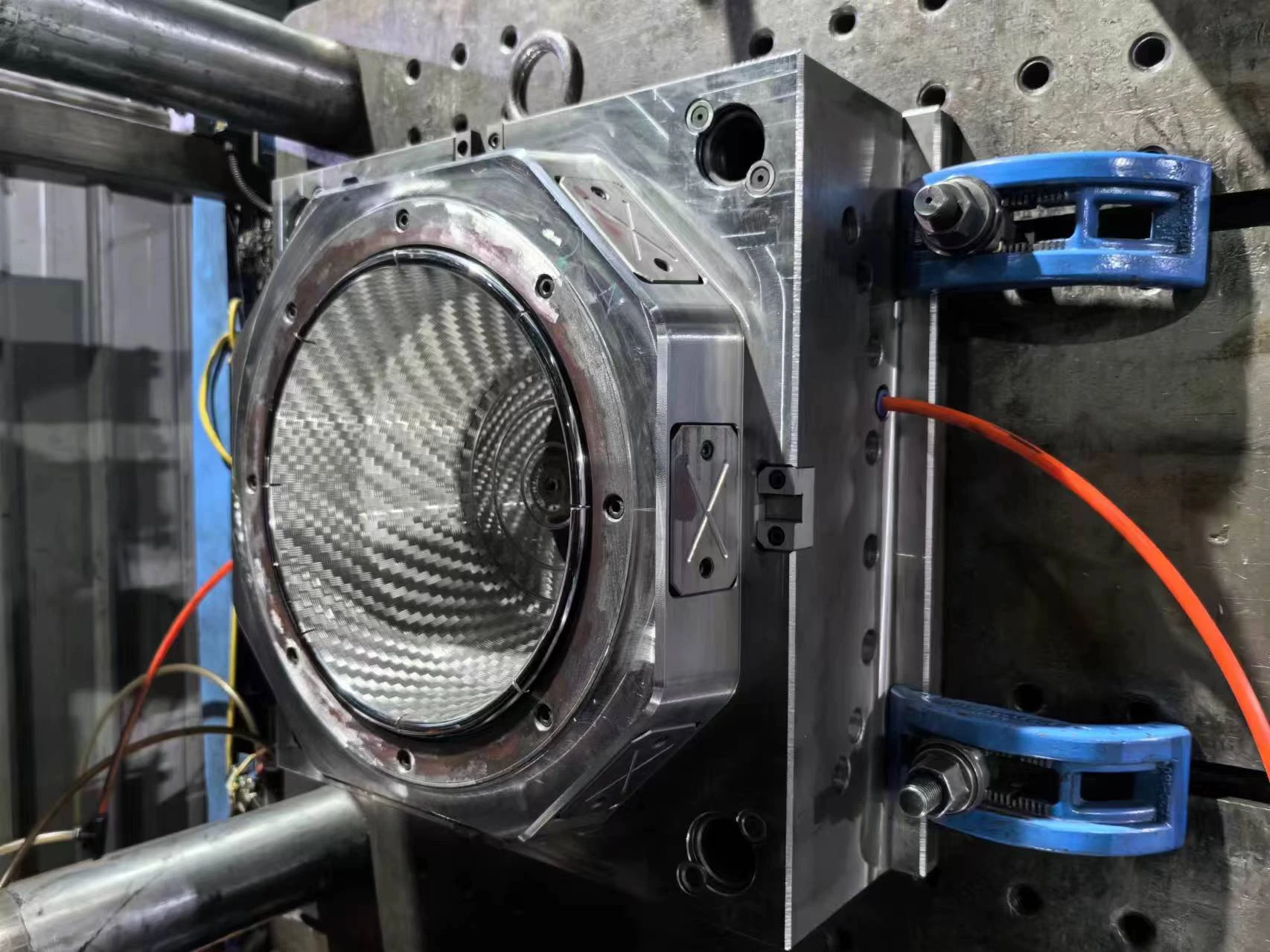
A suitable injection molding machine cannot make up for a poorly designed mold. For this reason, manufacturers should review mold structure, drainage holes, gate location, cooling, and ejection before starting mass production.
Design Drainage Holes and Mold Cores
The drainage holes are one of the main features of a plastic colander. The mold must form each hole clearly and keep the hole pattern consistent.
Mold cores or pins form these openings. Therefore, their size, location, strength, and support matter. Poor core design can lead to damaged pins, uneven holes, or defects around the hole edges.
The designer must also consider the spacing between holes. If the openings are too close together, the remaining plastic may not provide enough strength. If they are too far apart, the colander may not drain as the product design requires.
The best design depends on the intended use, wall thickness, material, and product size. There is no single hole diameter or spacing that fits every colander.
Choose the Right Gate Position
The gate controls where molten plastic enters the mold. Its position affects filling, pressure loss, weld lines, and the surface of the finished part.
For example, a gate that sits in a poor position may cause the plastic to fill one area much earlier than another. As a result, the cavity may fill unevenly or show visible lines.
The mold designer should consider the shape of the basket, the location of thick and thin areas, and the direction of plastic flow. In addition, the gate should not create an unacceptable mark on a visible surface.
Choose a Suitable Runner System
A mold may use a cold runner or a hot runner. Each system has its own cost and production needs.
A cold runner can have a lower starting cost, but the runner becomes part of the material used in each cycle and may need to be removed. A hot runner can reduce runner waste, but it adds cost and requires suitable temperature control and maintenance.
Therefore, the choice should depend on the production volume, mold layout, material, and cost target. A high-volume project may benefit from one system, while a smaller job may favor another.
Improve Mold Cooling
Cooling affects cycle time, part shape, and surface quality. If one area of the colander cools much faster than another, the product may shrink unevenly and warp.
The mold designer should place cooling channels to remove heat from the main body, base, rim, and other thick sections. At the same time, the design must allow enough space for the mold cores that form the drainage holes.
Good cooling can help reduce cycle time, but only when the product still meets its shape and quality requirements. The factory should confirm cooling changes through real production trials.
Plan for Safe Ejection
After cooling, the mold must release the colander without bending the thin walls or damaging the hole edges.
The design may use ejector pins, a stripper plate, or another suitable ejection method. The right choice depends on the part shape, draft angles, wall thickness, and the location of strong support areas.
If the product sticks to the mold, workers may see white marks, dents, or bent sections. Therefore, the team should check draft, mold surface, and ejection force before increasing cycle speed.
Common Plastic Colander Injection Molding Defects
Defects increase scrap and can slow down production. However, the team should find the cause before changing machine settings because the same problem may come from the material, mold, or machine.
Short Shots Around Drainage Holes
A short shot occurs when molten plastic fails to fill the full cavity. The product may have incomplete edges, missing sections, or poorly formed details.
Possible causes include low injection speed, unsuitable melt temperature, restricted flow, insufficient shot size, or poor venting. Thin sections can make the problem more likely because the plastic loses heat as it moves through the mold.
The team should check the material, gate, vents, shot size, and injection settings in a clear order. However, simply raising pressure may not solve the problem if the gate or mold design restricts flow.
Flash Along the Parting Line
Flash is a thin layer of plastic that escapes between mold surfaces. It may appear around the rim, along the parting line, or near other gaps.
Common causes include poor mold fit, worn surfaces, excessive cavity pressure, or insufficient clamping force. Before increasing the clamping force, the team should inspect the mold and confirm the process settings.
Otherwise, a higher clamping force may hide the problem without fixing the damaged or poorly fitted area.
Warpage After Cooling
Warpage causes the finished colander to bend or twist. This can affect the rim, base, and overall shape.
The problem often relates to uneven cooling, material shrinkage, unbalanced wall thickness, or poor packing. To reduce warpage, engineers can review the part design, gate position, cooling channels, and holding pressure.
The machine also needs stable temperature and pressure control. However, if the mold causes uneven cooling, machine adjustments alone may not solve the issue.
Sink Marks and Uneven Surfaces
Sink marks look like small dents on the part surface. They often form near thick sections, ribs, or the rim when the plastic shrinks during cooling.
The team can check wall thickness, rib design, holding pressure, and cooling time. In some cases, a change to the mold design may help more than increasing pressure.
Broken Mold Cores and Damaged Holes
The small cores that form drainage holes must withstand repeated molding cycles. If a core is weak, poorly supported, or not maintained, it may bend or break.
A damaged core can create holes with the wrong size or shape. Therefore, the factory should inspect the mold regularly and follow the mold maker’s maintenance plan.
If the design uses many thin cores, the mold maker should consider their strength, support, cooling needs, and expected service life before the mold enters production.
Ejection Marks and Deformed Parts
Ejection marks may appear when the mold releases the part with too much force or at the wrong time. The colander may also bend if the plastic is still too soft.
The team should check cooling time, draft angles, ejector position, and the mold surface. If a robot removes the part, its grip and movement should also suit the product.
These changes can help the factory reduce damage while keeping the production cycle stable.
How to Improve Plastic Kitchenware Production Efficiency
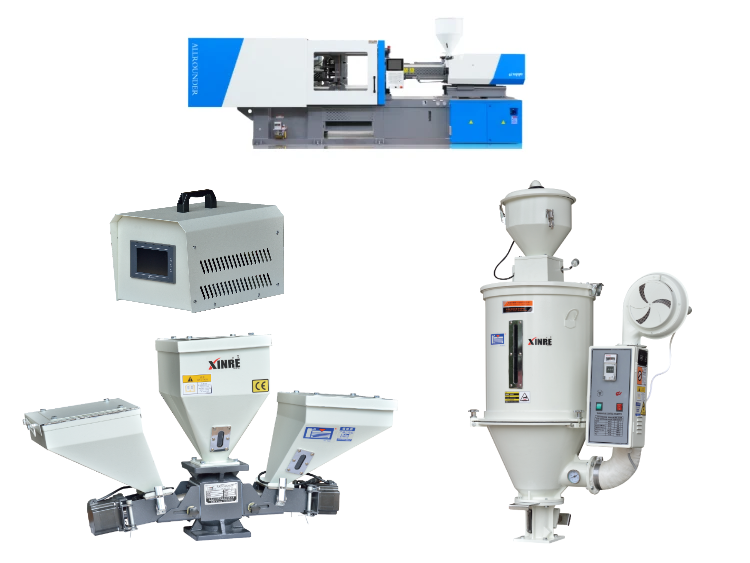
A productive plastic colander line needs more than a fast injection molding machine. The mold, cooling system, part removal, and inspection process must also work at a steady pace.
Reduce Cycle Time Without Losing Quality
The molding cycle includes filling, holding, cooling, mold opening, and part removal. Cooling often uses a large share of the total cycle, especially when the part has thick areas.
The team can review cooling performance and robot movement to find delays. However, it should not reduce cooling time until the colander can keep its shape after ejection.
A useful trial records cycle time, part weight, key dimensions, and visible defects. This makes it easier to compare a faster setting with the approved process.
Improve Cooling and Temperature Control
A stable cooling system helps keep the mold temperature within the required range. It also helps the plastic shrink in a more controlled way.
The factory should check water flow, cooling channel condition, and temperature differences across the mold. In addition, regular maintenance can help remove blockages and keep the system working as expected.
Use Automatic Part Removal
Robots can remove products and place them in a repeatable position. This reduces manual handling and may help protect the finished surface.
However, the robot must not pull the part before it is firm enough. The robot cycle should also match the machine’s opening and closing time to avoid unnecessary waiting.
Control Material Waste and Scrap
Scrap can come from incomplete filling, flash, warpage, damaged holes, and other defects. The factory should record the main causes rather than count only the total number of rejected parts.
For example, repeated short shots may point to a filling or venting issue, while repeated warpage may point to cooling or design problems. Once the team knows the main cause, it can test a targeted change.
A stable process helps reduce waste and makes production cost easier to control.
What Determines the Cost of a Plastic Colander Production Line?
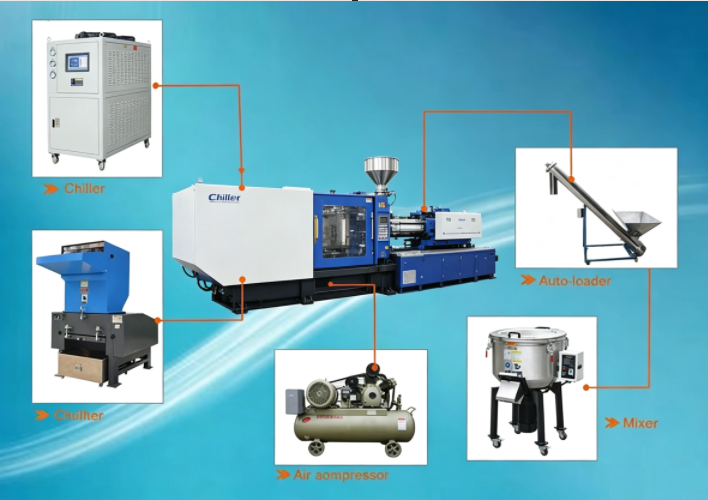
The cost depends on the machine, mold, material, production volume, and level of automation. Therefore, buyers should compare the full production setup instead of looking only at the machine price.
Machine Size and Configuration
The machine cost depends in part on clamping force, injection unit, control system, and other options. A larger machine may cost more, but extra capacity does not always improve the result.
The buyer should provide part dimensions, estimated shot weight, mold details, and target output before asking for a quotation. This helps the supplier recommend a machine that fits the job.
Mold Cost and Cavity Count
The mold is a major part of the investment. Its cost depends on size, cavity count, steel, runner system, cooling channels, drainage-hole design, and ejection method.
A multi-cavity mold can produce more parts in each cycle. However, it also changes the required shot size, projected area, mold cost, and production setup.
Therefore, the right cavity count depends on demand, machine capacity, part design, and the customer’s cost target.
Material Use and Part Weight
The part weight affects material use and shot size. Even a small weight change can affect total material cost when the factory produces large quantities.
The team should confirm the part weight and account for runners where needed. It should also consider the effect of scrap, color changes, and any approved use of regrind on the production process.
Cycle Time and Labor
A shorter cycle can raise output, but only if the product meets the required quality standard. In addition, manual handling and packing can limit output even when the molding machine runs quickly.
The buyer should compare expected output with staffing, automation, inspection, and packing needs. This helps the factory estimate the cost per finished part more accurately.
Automation and Future Production Needs
A factory may start with a basic machine and manual handling. However, a higher-volume project may benefit from a robot, conveyor, automatic stacking, or other equipment.
The buyer should consider future demand before selecting the final layout. At the same time, it should avoid adding automation that the current production plan does not need.
How to Select the Right Machine for Your Plastic Colander Project
Before requesting a quotation, prepare the main information about the part and the planned production. This gives the machine supplier a better basis for selection.
- Share the product drawing or sample. Include the main dimensions, wall thickness, drainage-hole layout, and handle design.
- Confirm the material. Provide the PP grade or other resin you plan to use.
- Provide the estimated part weight. Include the runner weight if the mold uses one.
- Share the mold details. State the cavity count, mold size, and runner system if known.
- Set the output target. Explain how many parts you need per hour, shift, or day.
- Discuss automation. State whether you need a robot, conveyor, or automatic stacking system.
- Confirm quality requirements. Include key dimensions, surface needs, and food-contact requirements where applicable.
With these details, the supplier can review the clamping force, injection unit, mold fit, and machine configuration. If some information is missing, the team can identify what needs to be confirmed before final selection.
Frequently Asked Questions About Plastic Colander Injection Molding Machines
What injection molding machine is used to make plastic colanders?
Manufacturers use an injection molding machine with suitable clamping force, shot capacity, injection performance, and mold space. The right specification depends on the colander size, material, cavity count, and production target.
What material is commonly used for plastic colanders?
PP is a common option for plastic kitchenware because it is lightweight and offers a useful balance of stiffness and flexibility. However, the exact grade should match the product’s performance, processing, and food-contact requirements.
How do I calculate the clamping force for a colander mold?
Engineers consider the total projected area of the cavities, the number of cavities, and the expected cavity pressure. The mold and machine suppliers should then confirm the required clamping force for the actual mold design.
Why do plastic colanders have short shots?
Short shots may result from poor filling, low melt temperature, restricted gates, insufficient shot size, or poor venting. The team should check the material, mold, and machine settings before choosing a correction.
Can one machine produce different plastic kitchenware products?
Yes, if the machine can handle each mold’s dimensions, clamping needs, shot size, and process requirements. Before changing jobs, the factory should confirm that the mold fits and that the machine can process the selected material.
Is automation useful for plastic colander manufacturing?
Automation can reduce manual handling and help keep output steady. However, the robot, molding cycle, and packing process must work at compatible speeds to achieve the expected benefit.
What information is needed for a machine quotation?
Provide the product drawing or sample, material grade, part weight, mold size, cavity count, target output, and automation needs. These details help the supplier assess a suitable machine and production setup.
Discuss Your Plastic Colander Production Project with Haichen
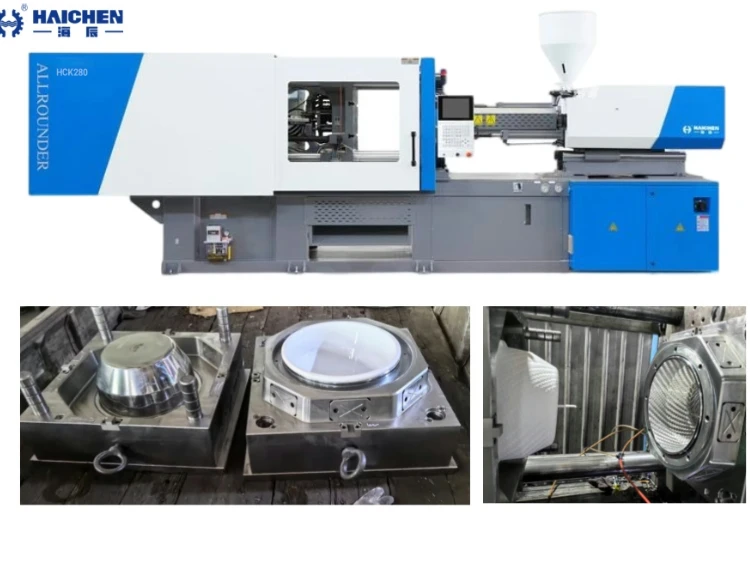
Choosing a plastic colander injection molding machine starts with the product and mold requirements. The machine must provide the right clamping force, injection capacity, and mold space, while the full production line must meet the target output and quality needs.
Haichen provides injection molding machine solutions for different plastic product applications. If you plan to produce plastic colanders, kitchen strainers, or vegetable draining baskets, share your product drawing, material, estimated part weight, and production target.
Contact Haichen to discuss a suitable injection molding machine for your plastic kitchenware production line.
Author: Yang, Senior Engineer, Haichen Machinery