Electricity costs are a major expense for eyeglass frame, plastic spectacles frame manufacturers. Plastic eyeglass frame making machines run continuously during production shifts. The machine motor consumes power throughout each cycle, including idle periods when no movement occurs.
Many factories still operate older hydraulic plastic eyeglass frames injection molding machines. These units run the pump motor at constant speed regardless of actual demand. This wastes significant energy during cooling, holding pressure, and idle phases.
Servo-hydraulic technology offers a solution. This guide explains how an energy-saving plastic eyeglass frame injection molding machine reduces power consumption. It provides real cost comparison data to help you make an informed purchasing decision for a servo hydraulic spectacles frame making machine.
How Servo-Hydraulic Technology Reduces Energy Consumption
The Problem with Standard Hydraulic Systems
Standard hydraulic injection machines use an induction motor to drive a fixed displacement pump. The motor runs at full speed continuously. It does not adjust speed based on actual machine needs.
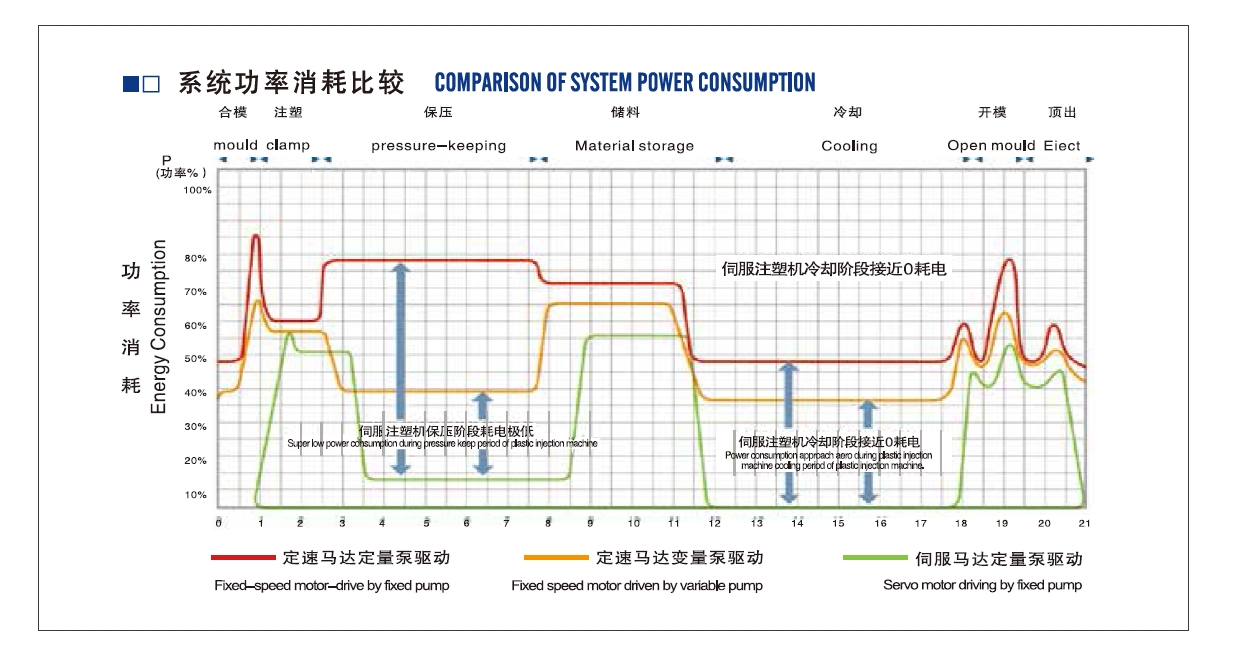
During a typical injection cycle, the machine only needs full oil flow during injection and clamping. The rest of the cycle—cooling, holding pressure, mold opening—requires less flow or no flow at all. The pump still moves oil at full capacity during these periods. Excess oil returns to the tank through relief valves. This wastes energy as heat.
Industry data shows this “always-on” operation can account for up to 60% of total energy use on older hydraulic presses.
How Servo-Hydraulic Systems Work
A servo-hydraulic system replaces the standard induction motor with a servo motor. The servo motor adjusts its speed based on the machine’s actual flow and pressure demands.
When the machine needs oil for injection or clamping, the motor runs at required speed. When the machine enters cooling or idle phases, the motor slows down or stops entirely. The motor only consumes power when the machine performs active movements.
Key technical features include:
-
High-response closed-loop control: The system monitors pressure and flow in real time. It adjusts motor speed within milliseconds to maintain set parameters.
-
Adaptive pressure control: The system automatically adjusts to different hydraulic conditions. This enables quick pressure build-up without overshoot.
-
Reduced heat generation: Because the pump does not constantly bypass oil, the hydraulic oil stays cooler. This reduces cooling water consumption and extends oil life.
Energy Savings: What the Data Shows
Research confirms significant energy reduction from servo-hydraulic systems. Compared with traditional hydraulic presses, servo-driven systems can save 30% to 70% of electricity depending on the production process and cycle time.
The savings come from the servo motor’s demand-oriented performance. When the machine stops, the motor stops. This eliminates standby power consumption that standard machines cannot avoid.
Cost Comparison: Servo-Hydraulic vs. Standard Hydraulic for Eyeglass Frame Injection molding machine
What is a plastic eyeglass frame injection molding machine?
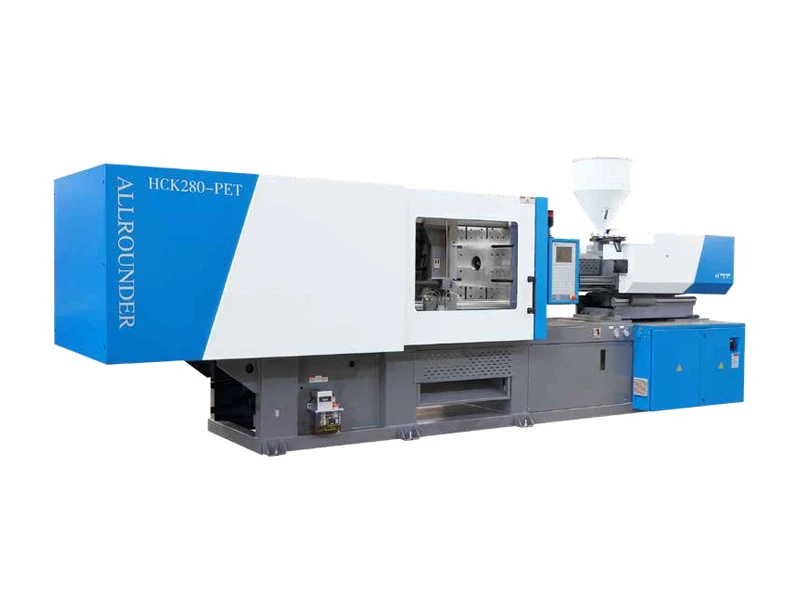
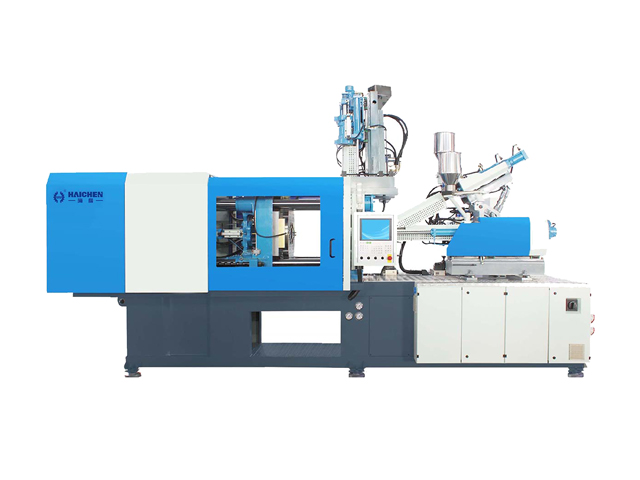
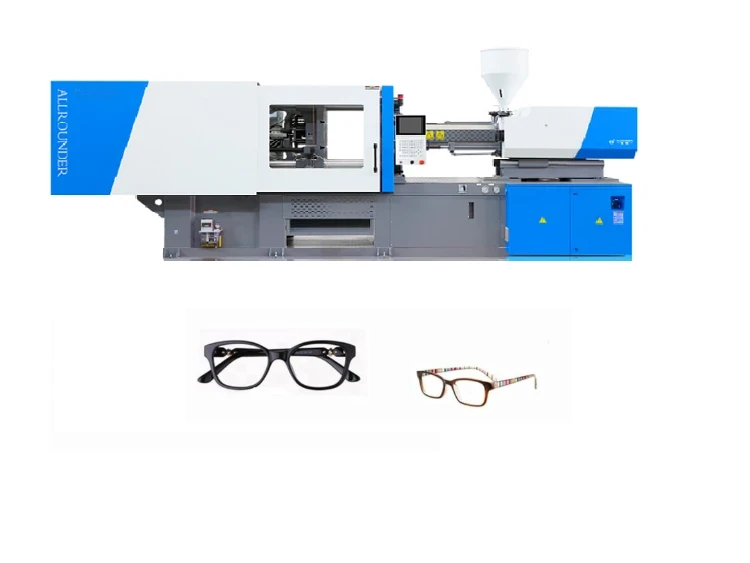
A plastic eyeglass frame injection molding machine is a specialized piece of equipment designed to produce frames for eyeglasses and sunglasses. The machine melts plastic materials such as PC, TR90, nylon, or TPE, then injects the molten plastic into a precision mold under high pressure. After cooling, the mold opens and ejects the finished frame or frame components. These machines are available in both horizontal and vertical configurations, with vertical machines often preferred for insert molding applications like temple pieces with metal hinges .
Energy Cost Analysis
The following table compares typical energy consumption for eyeglass frame production:
| Parameter | Standard Hydraulic | Servo-Hydraulic | Saving |
|---|---|---|---|
| Annual energy consumption | 58,000 kWh | 11,000-16,000 kWh | 42,000-47,000 kWh |
| Annual electricity cost (US$0.13/kWh) | $7,540 | $1,430-$2,080 | $5,460-$6,110 |
| Energy saving percentage | – | 70%-80% | – |
These figures are based on real production measurements from a 90-ton machine running continuous shifts.
Total Cost of Ownership Comparison
Energy cost is only one factor. Servo-hydraulic machines also reduce other operating expenses:
| Cost Category | Standard Hydraulic | Servo-Hydraulic |
|---|---|---|
| Annual energy cost | $7,500 | $1,400-$2,100 |
| Cooling water consumption | High | Reduced by 30-50% |
| Hydraulic oil change frequency | Annual | Every 2-3 years |
| Noise level | >70 dB | Significantly lower |
Break-Even Analysis
A servo-hydraulic machine typically costs more upfront than a standard hydraulic unit. However, the energy savings create a fast return on investment.
It can help reduce eyegalss frame injection molding cost.
For the plastic frame glassess injection molding machine production line running 24 hours per day, 5 days per week:
-
Annual energy saving: $5,500-$6,500 per machine
-
Additional upfront cost for servo system: $8,000-$12,000
-
Payback period: 12-18 months
After the payback period, the energy savings continue for the machine’s entire service life.

Why Eyeglass Frame Injection Machine Production Benefits from Servo-Hydraulic Precision
Dimensional Consistency Requirements
Eyeglass frames require tight dimensional tolerances. The left and right lens grooves must match exactly. A 0.01mm difference makes the lens impossible to install.
Standard hydraulic machines can show performance variations as oil temperature changes during long runs. Injection pressure drops when hydraulic oil heats up. This creates dimension differences between frames produced early and late in a shift.
Servo-hydraulic systems maintain consistent performance regardless of oil temperature. The high-response closed-loop control monitors injection speed and pressure in real time. It adjusts the servo motor to maintain set parameters throughout each cycle.
Research on eyewear frame production shows that servo systems improve dimensional consistency significantly. Response speed increases by over 40% compared to traditional systems. This enables precise reproduction of injection speed and holding pressure curves. The result is consistent frame thickness and stable part weight across long production runs.
Surface Quality Improvement
Eyeglass frames demand high surface finish. Any flow mark, sink mark, or weld line causes product rejection.
Injection speed fluctuations during filling create visible defects on the frame surface. Servo-hydraulic systems maintain consistent injection speed from cycle to cycle. How to Prevent Eyeglass Frame Warping After Injection Molding? The motor responds to speed commands within milliseconds, eliminating speed variations that cause surface defects.
Temperature control also affects surface quality. Servo systems generate less heat in the hydraulic oil. This prevents temperature drift that alters material flow behavior. Stable flow produces consistent surface finish.

HAICHEN Servo-Hydraulic Machines for Eyeglass Frame Production
Specialized Screw Design for plastic eye frames Materials
Plastic Eyeglass frames use materials like TR90, PC, nylon, and TPE. Each material has different flow characteristics. Standard screws cannot process all materials effectively.
HAICHEN provides customized screw configurations for eyeglass frame materials. The screw design matches each material’s specific processing requirements. This prevents material degradation and ensures consistent melt quality. For TR90 and PEI materials, HAICHEN uses special screw and barrel sets that resist wear and prevent material blockage .
Servo-Hydraulic System Specifications
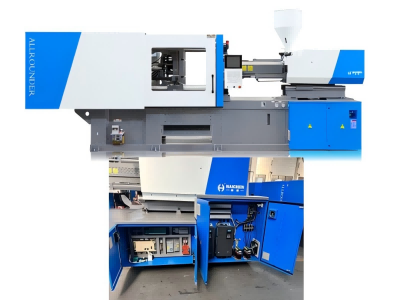
HAICHEN machines feature high-response servo-hydraulic systems with proven capabilities:
-
Closed-loop control: Real-time monitoring and adjustment of injection speed and pressure
-
Response speed: 40% faster than conventional systems
-
Energy saving: 30%-60% reduction compared to standard hydraulic machines
-
Repeatability: Consistent part dimensions across long production runs
Production Support
HAICHEN has over ten years of manufacturing experience. We provide:
-
Machine selection guidance based on your specific eyeframe designs
-
Installation and commissioning support
-
Process optimization assistance
-
Spare parts availability
How to choose the right eyeglass frame injection molding machine?
Selecting a plastic eyeglass frame injection molding machine requires evaluating several factors: the types of materials you process, your production volume, and the complexity of your frame designs. For standard frame production, a horizontal servo-hydraulic machine with 900-1400 kN clamping force is suitable. For details, you can click Eyeglass Frame Injection Tonnage: 110T vs 180T vs 230T.
For temple pieces requiring insert molding, a vertical machine with sliding table offers better operator access . Choose a machine with a specialized screw and barrel set designed for your specific materials to ensure consistent melt quality and prevent blockage .
Servo-hydraulic technology delivers measurable energy savings for eyeglass frame production. Standard hydraulic machines waste energy during idle periods. Servo systems only consume power when the machine performs active movements.
Real production data shows energy savings of 30%-60% compared to older hydraulic machines. Which one is more favorable Injection Molding Machine for Eyeglass Frames: New vs Used? These savings translate to thousands of dollars per machine per year. The additional upfront cost for servo technology pays back within 12-18 months.
Beyond energy savings, servo-hydraulic systems provide better dimensional consistency and surface quality. This reduces scrap rates and improves production efficiency.
Our team will help you calculate potential energy savings and select the right plastic spectacles frame injection molding machine for your specific application.